•
our gallery is free and open to the public
•
all are welcome
• our gallery is free and open to the public • all are welcome
showcasing artists & connecting our creative community.
gallery tours
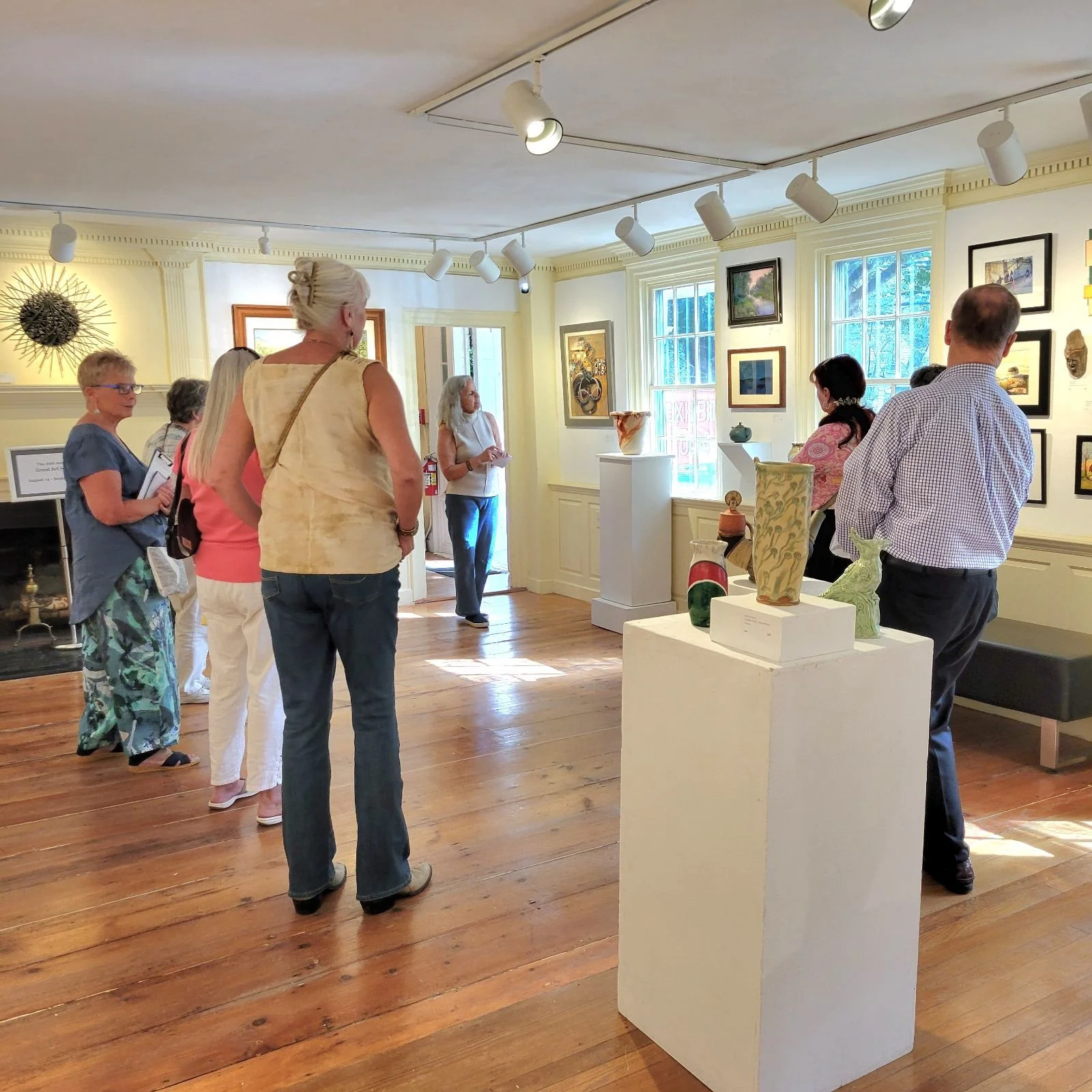
Enjoy free monthly exhibit tours with volunteer, Wendy Rappaport. Gain insight into selected works from interviews with the artists.
Next Gallery Tour
All Media Open Juried Exhibit
Friday, November 13th at 2pm
No RSVP needed. Bring a friend.
Watch video shorts of previous tours on our youtube channel.
on view
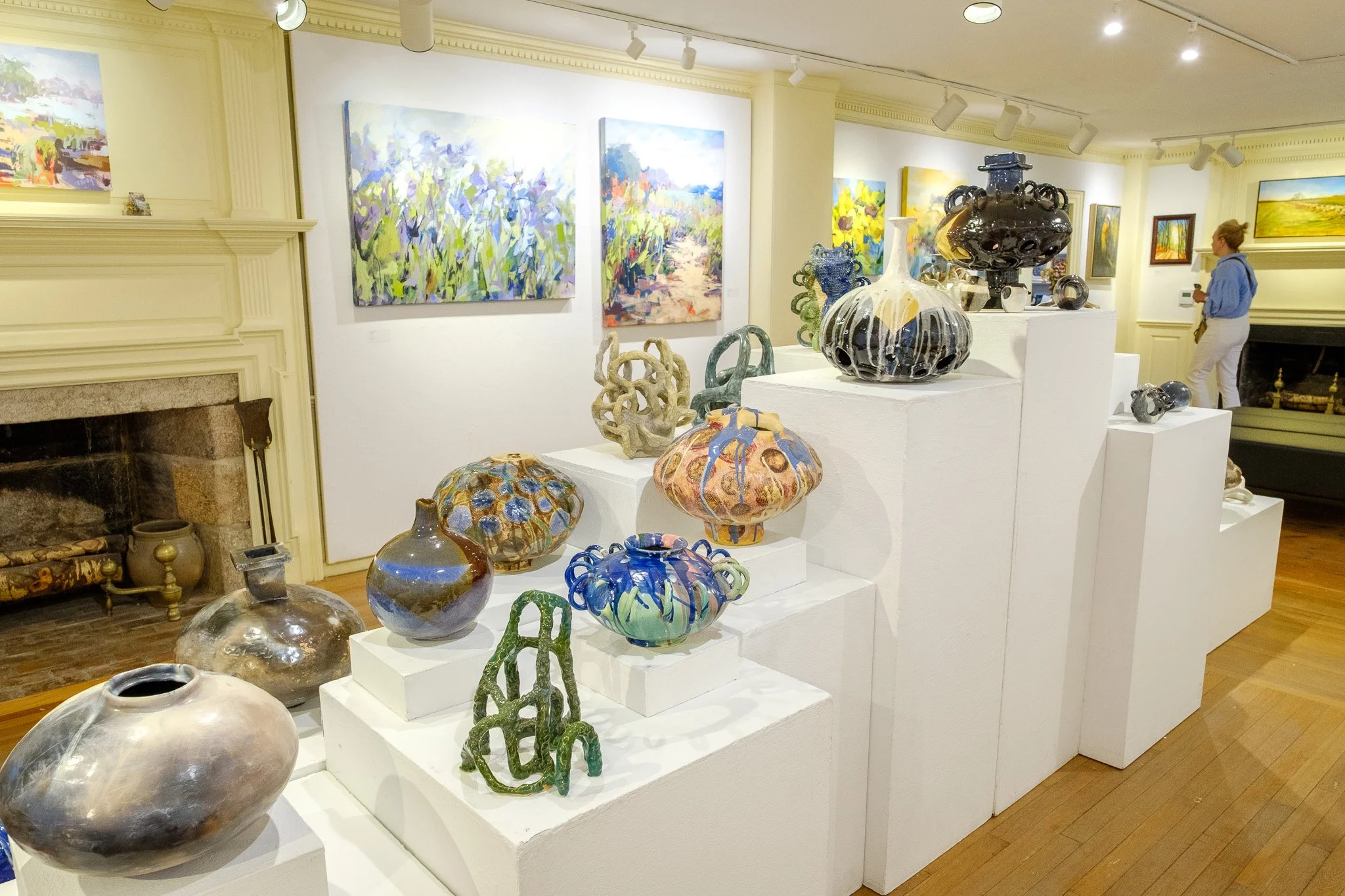
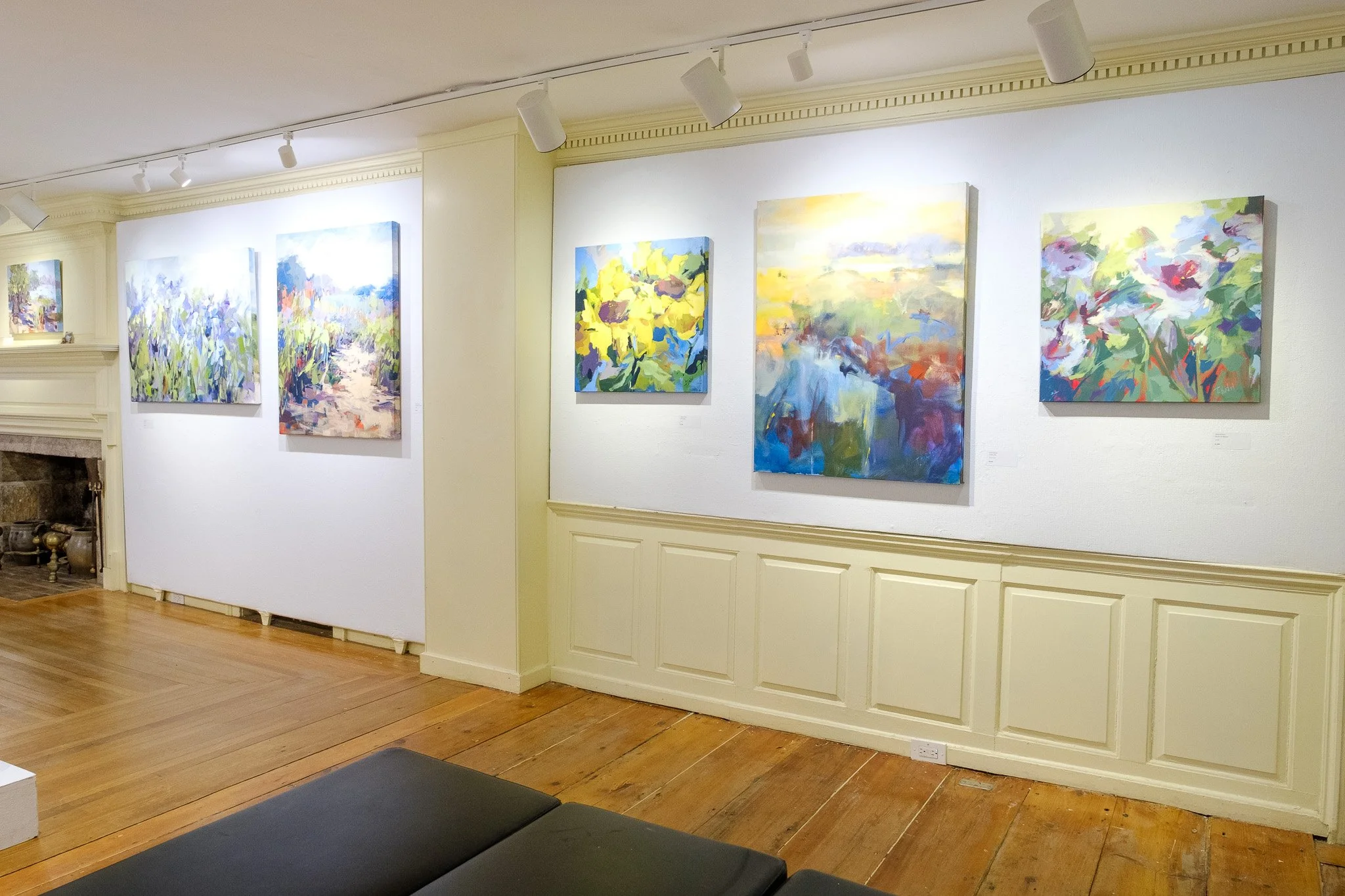
Members Invitational
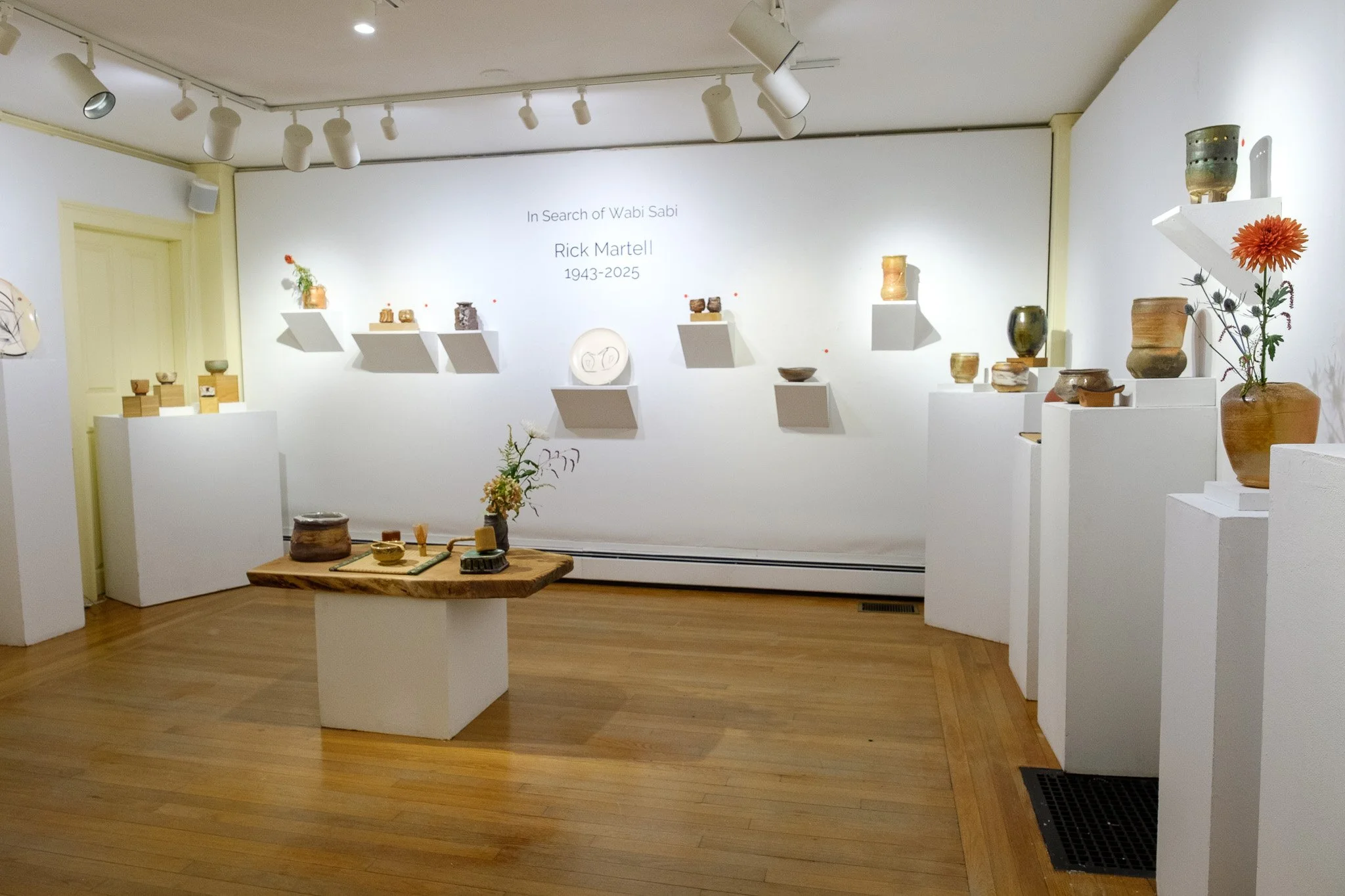
& In Search of Wabi Sabi -
A Retrospective of Rick Martell (1943–2025)
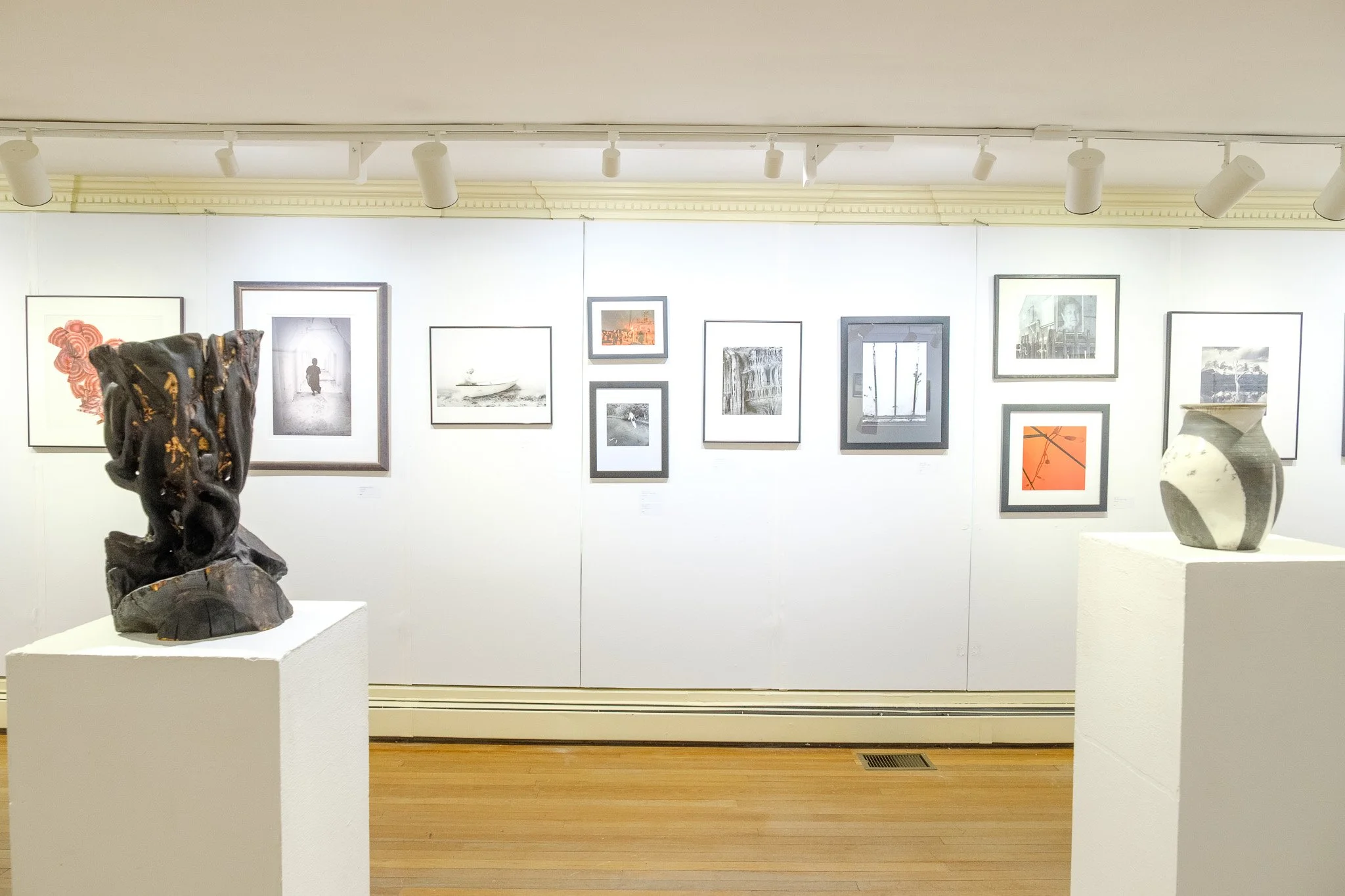
On view | September 17–October 17
Main Gallery
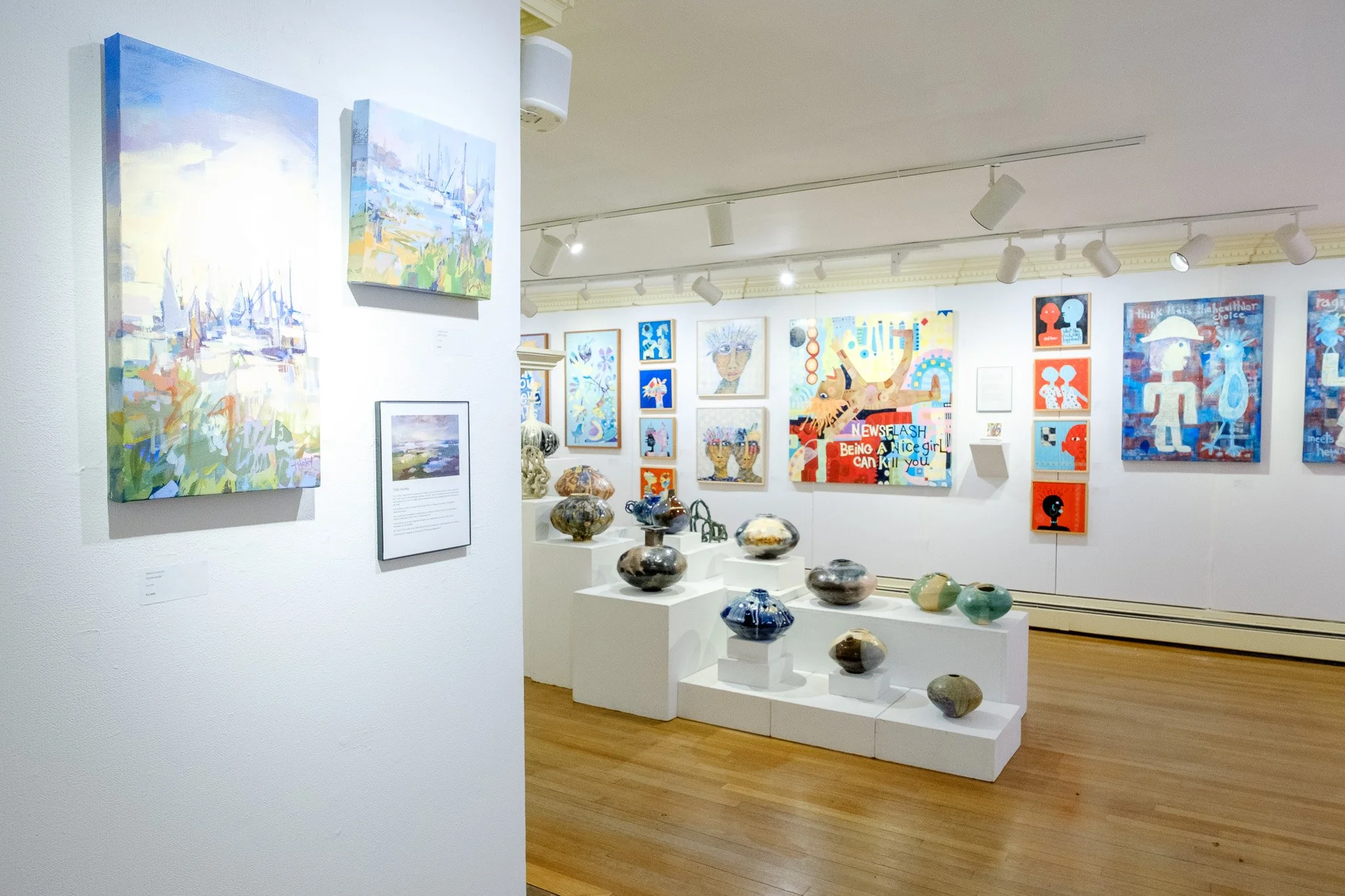
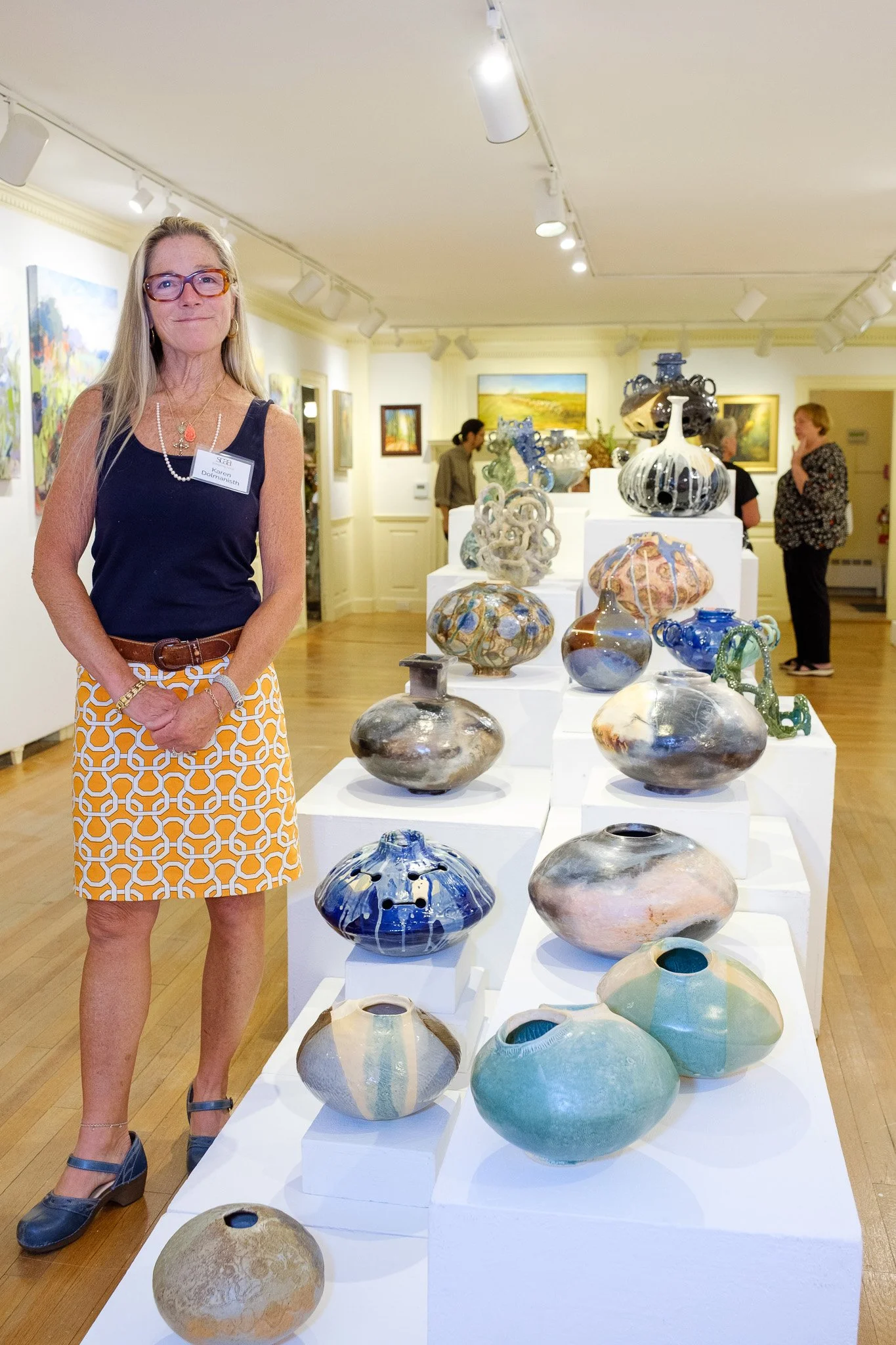
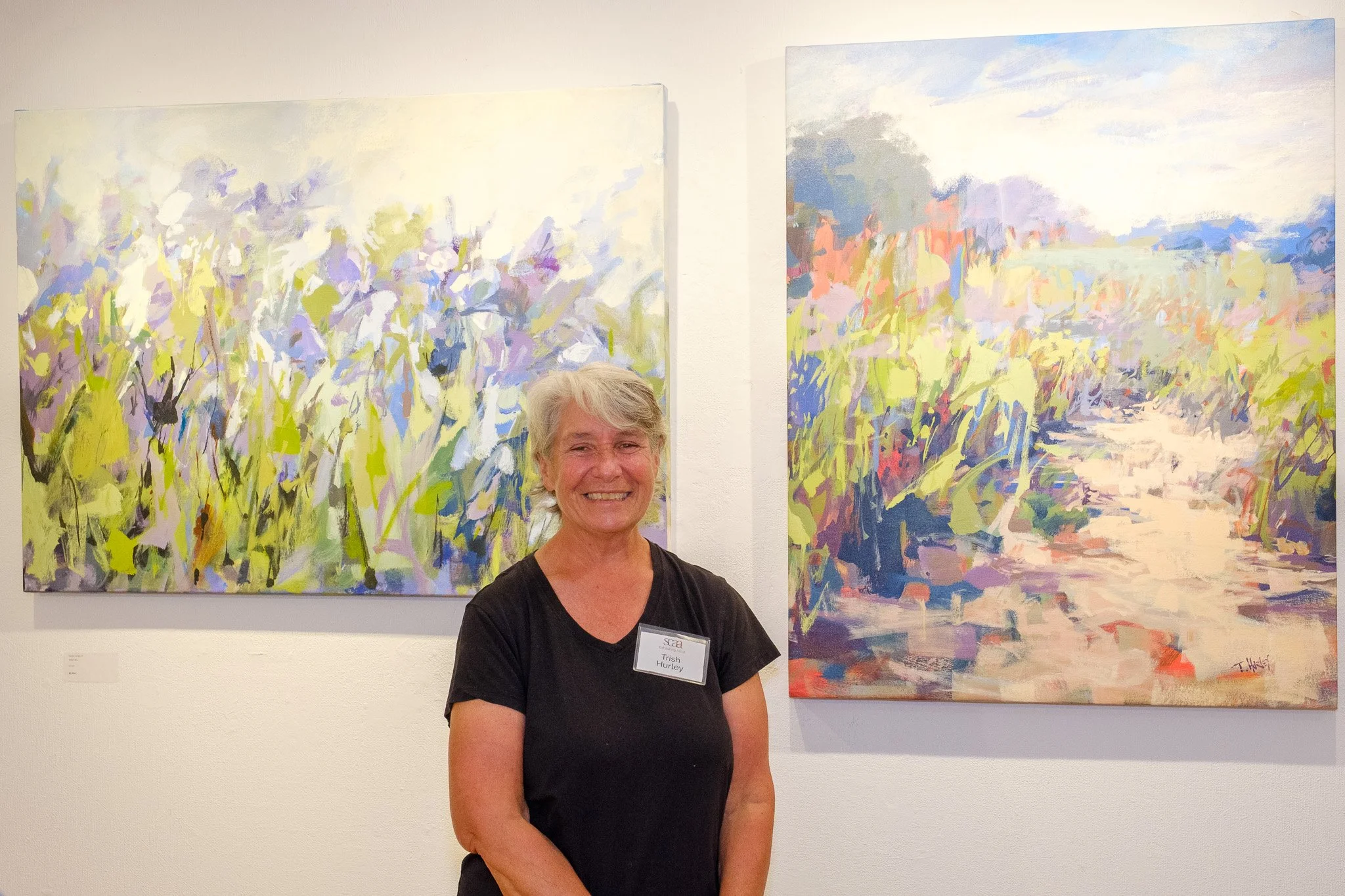
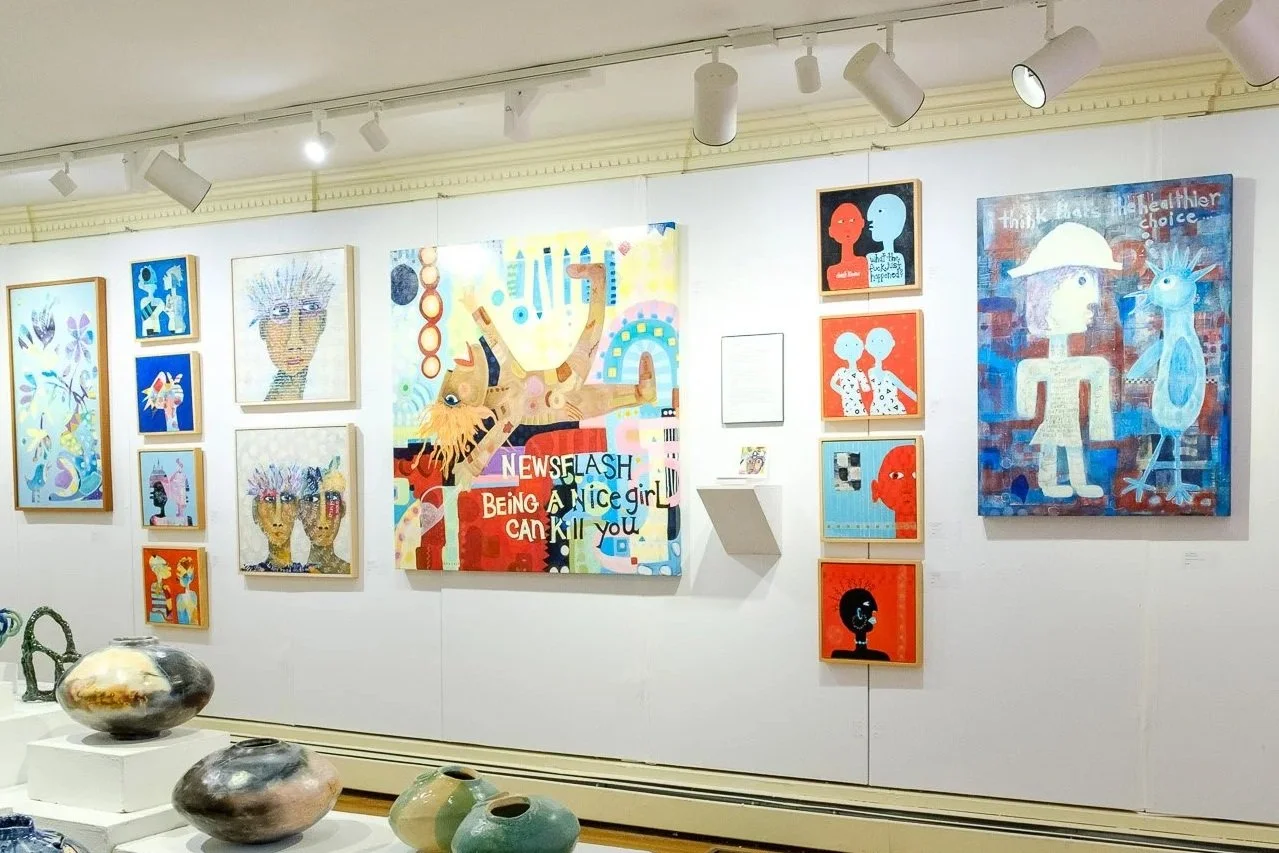
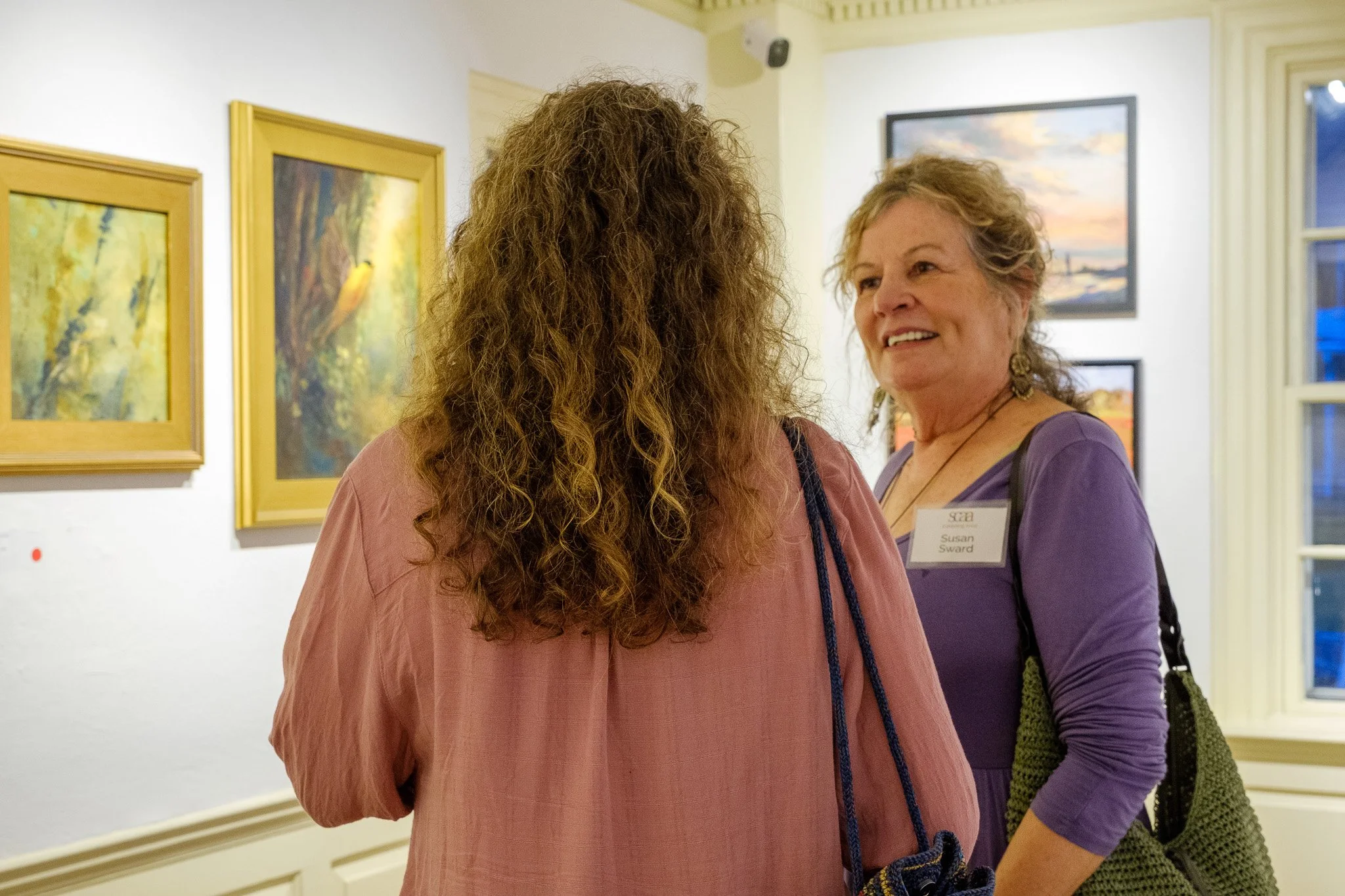
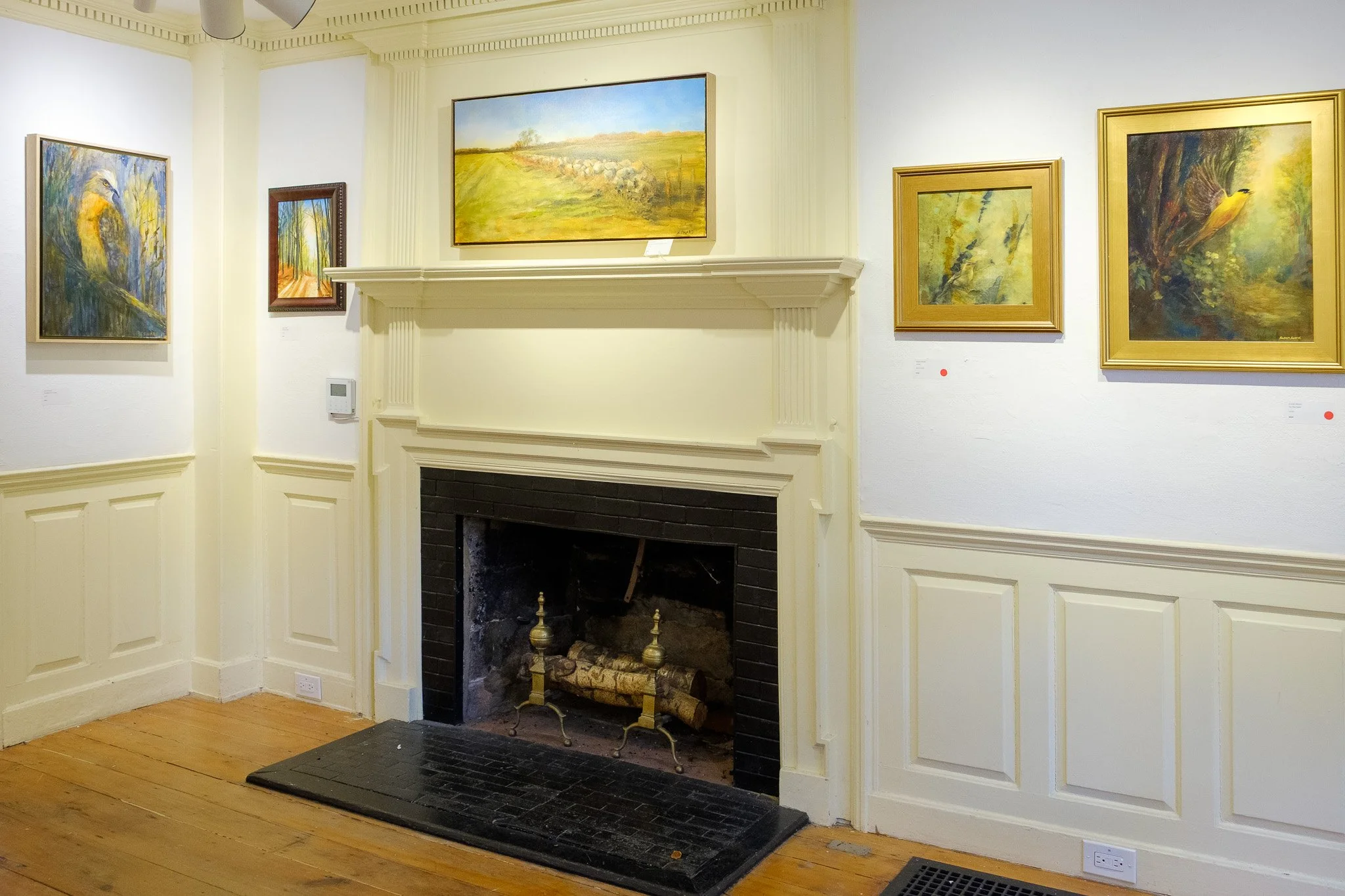
Featuring the work of Karen Dolmanisth, Trish Hurley, Renée Syed, Tracy Stilwell, and Susan Sward.
Small Gallery
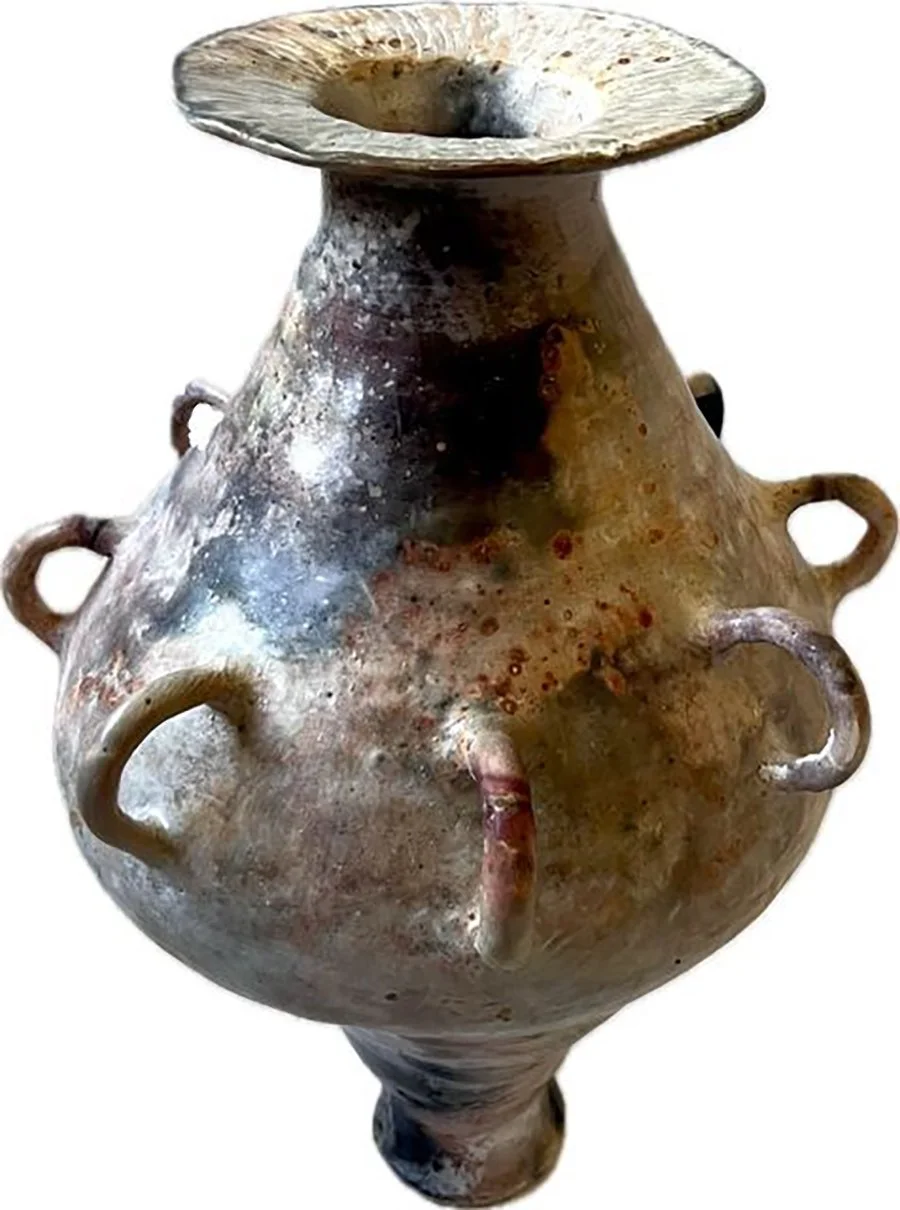
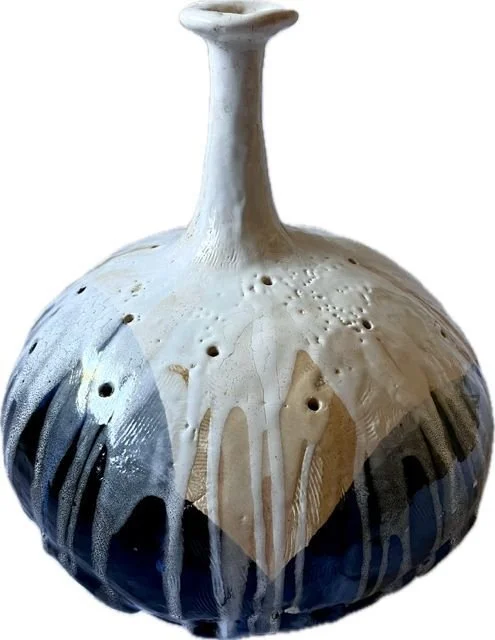
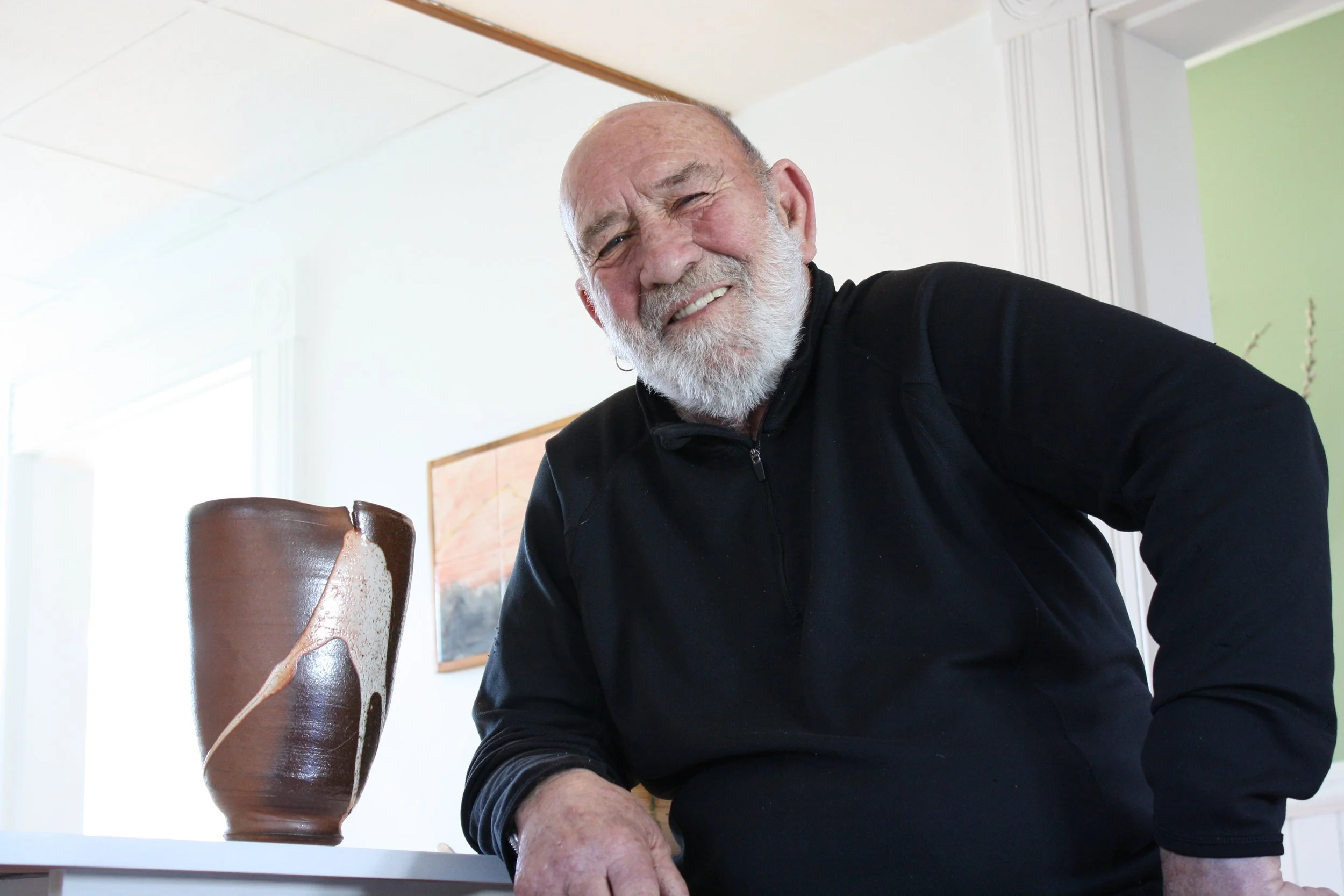
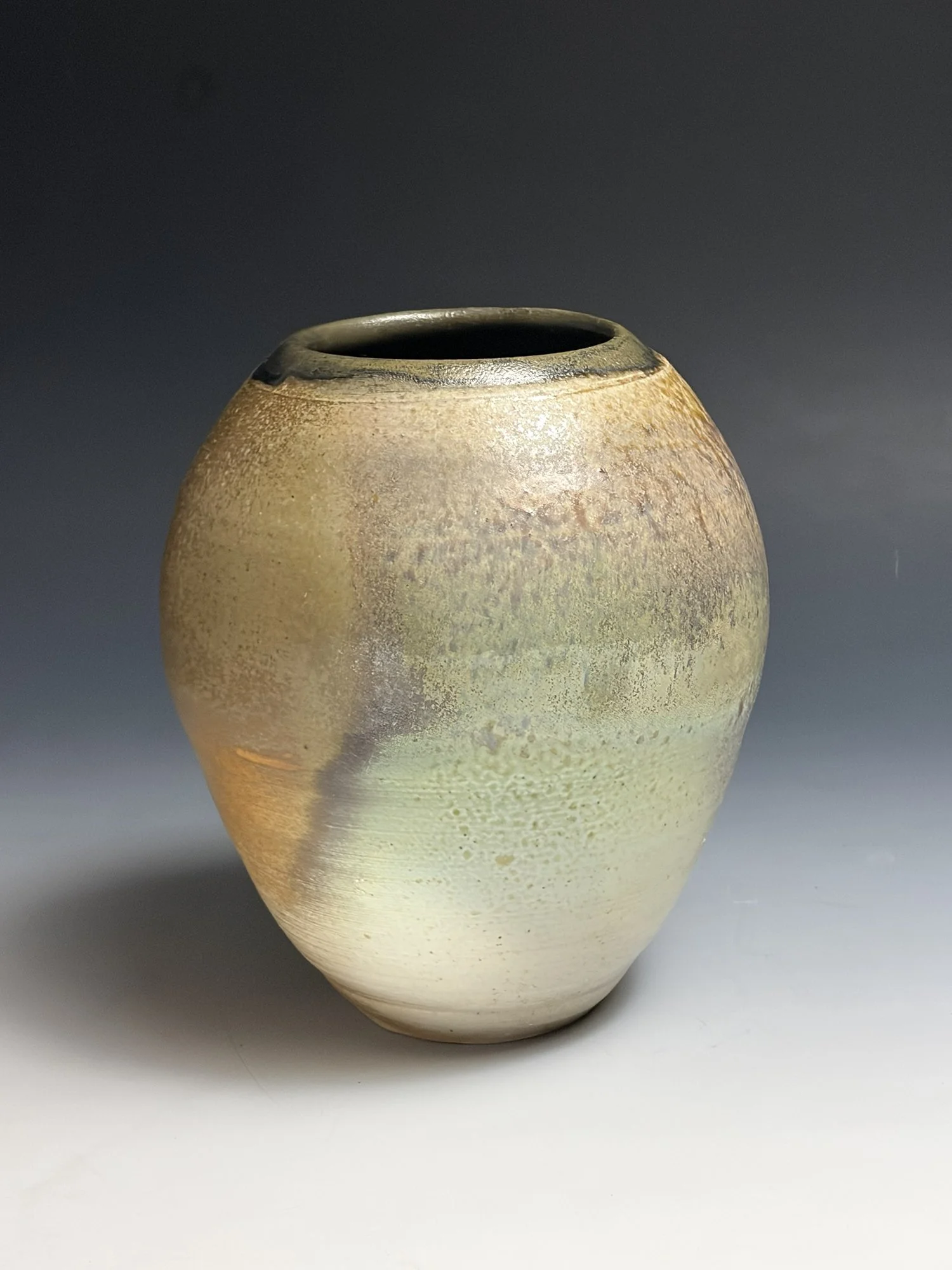
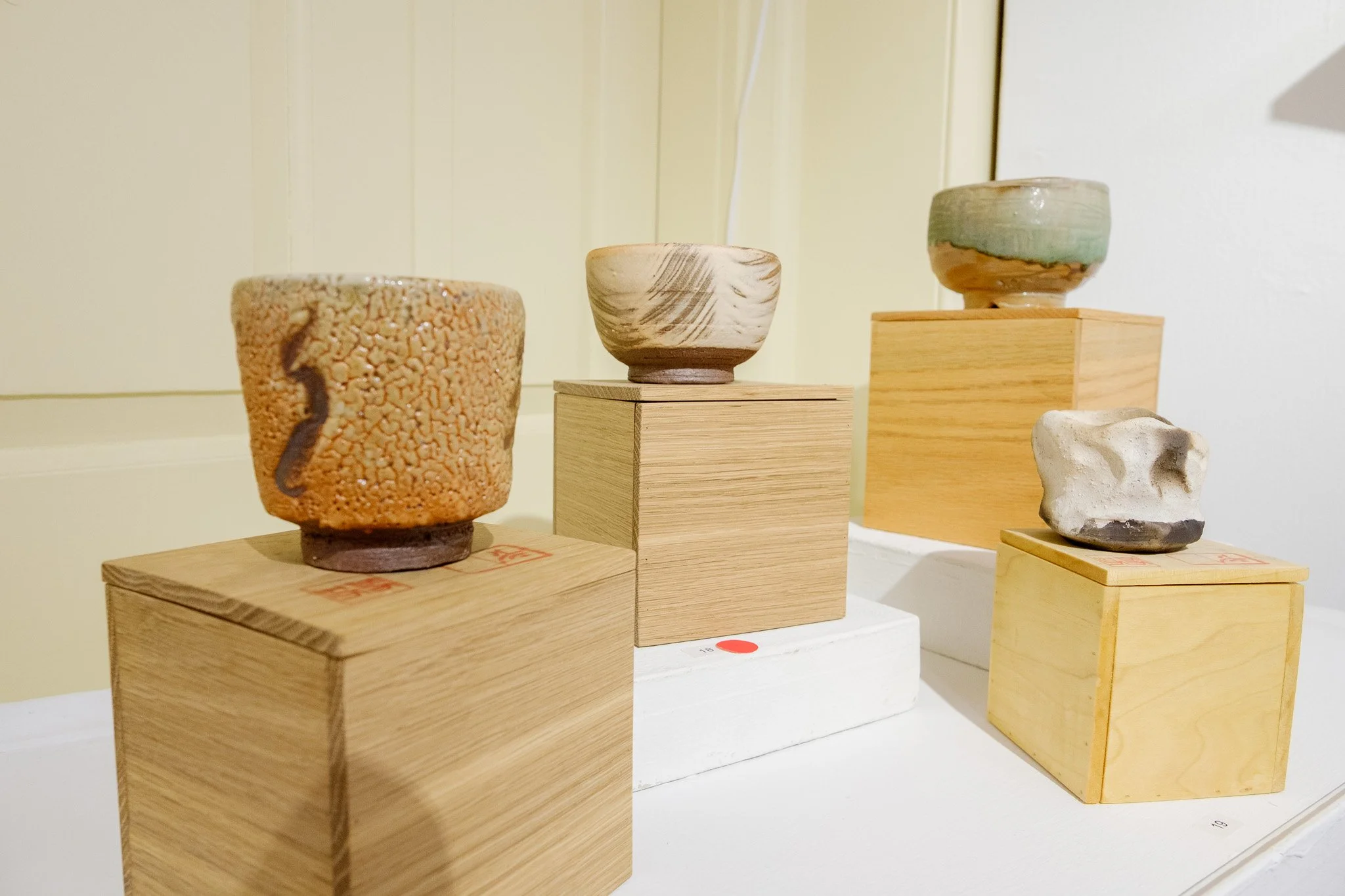
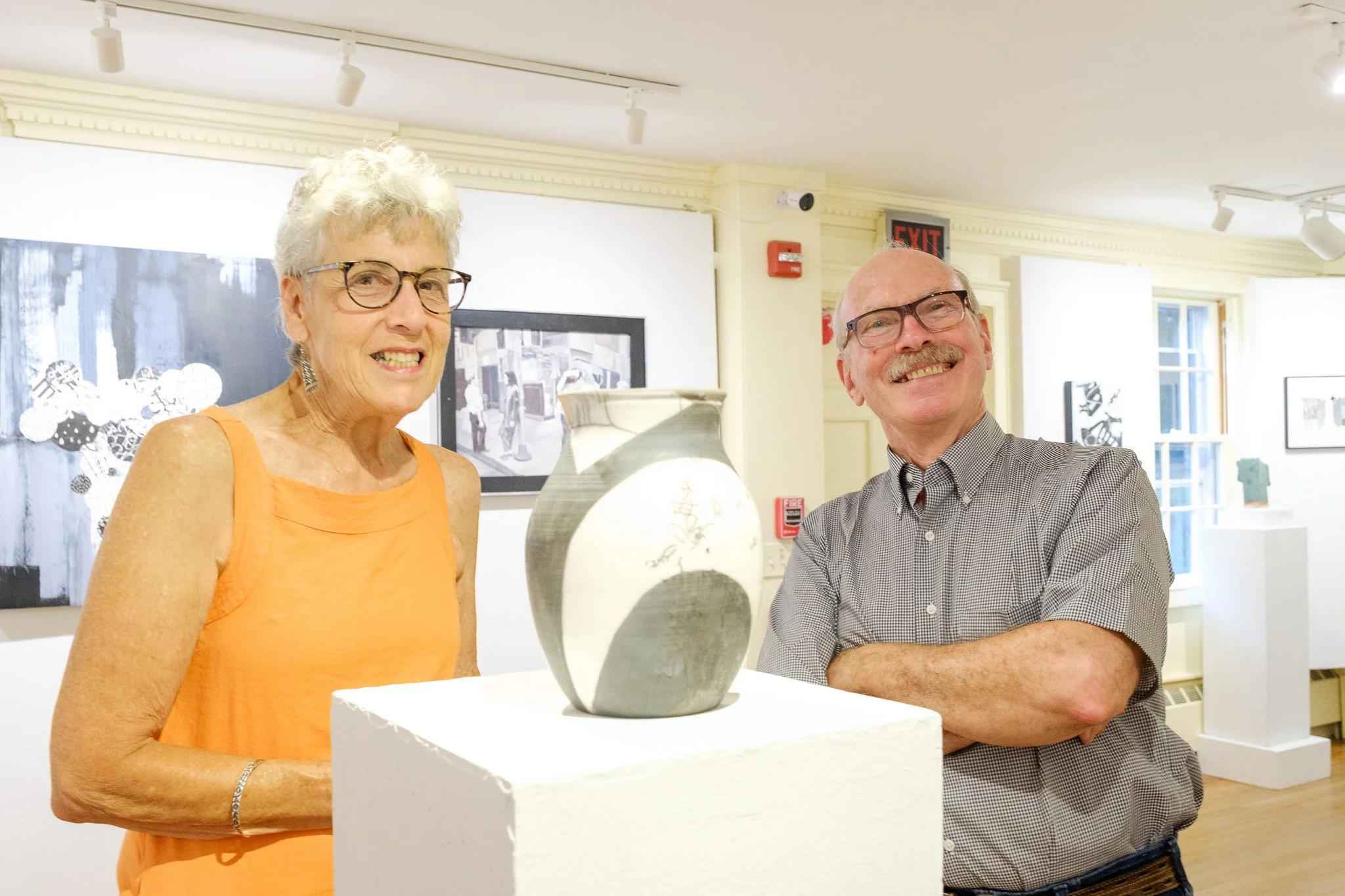
A retrospective of ceramic works by Rick Martell (1943–2025) honors his work and legacy as an artist and longtime member of the SCAA community. Rick was a pottery studio member, pottery instructor, and served on the SCAA Board of Directors.
Helme House Gallery Hours
Wednesday-Sunday 1-5pm
artist statements
-
Susan Sward is a Rhode Island artist and educator whose work is deeply rooted in the natural world. Working in painting, drawing, and mixed media, she is particularly drawn to birds, landscapes, and the small, often overlooked details of nature. Her work moves between observation and interpretation, combining a naturalist’s attention to form with an expressive use of color, texture, atmosphere, and light.
Susan earned a Bachelor of Fine Arts degree in Studio Art from Rhode Island College, with a concentration in fiber arts, and later earned a Master of Arts in Teaching in Art Education. She taught art and design in Rhode Island public schools for 28 years, serving as Fine Arts Department Chair, before retiring in 2019. She continues to teach both adults and children through workshops, classes, and her own Smiling Moon Studio in Peace Dale, Rhode Island as well as at SCAA and Wickford Art Association.
Her work has been exhibited throughout Rhode Island and New England, including at the Providence Art Club, Rhode Island School of Design, Rhode Island College, South County Art Association, Wickford Art Association, Warwick Center for the Arts, and the Atrium Gallery. She has received recognition for her work in juried exhibitions, including Best in Show in the Rhode Island Art Educators Exhibition.
She was accepted into the Providence Art Club as an exhibiting artist and is a juried artist member of the Wickford Art Association. She is also affiliated with the South County Art Association, Art League of Rhode Island, Warwick Center for the Arts, and the Guild of Natural Science Illustrators.
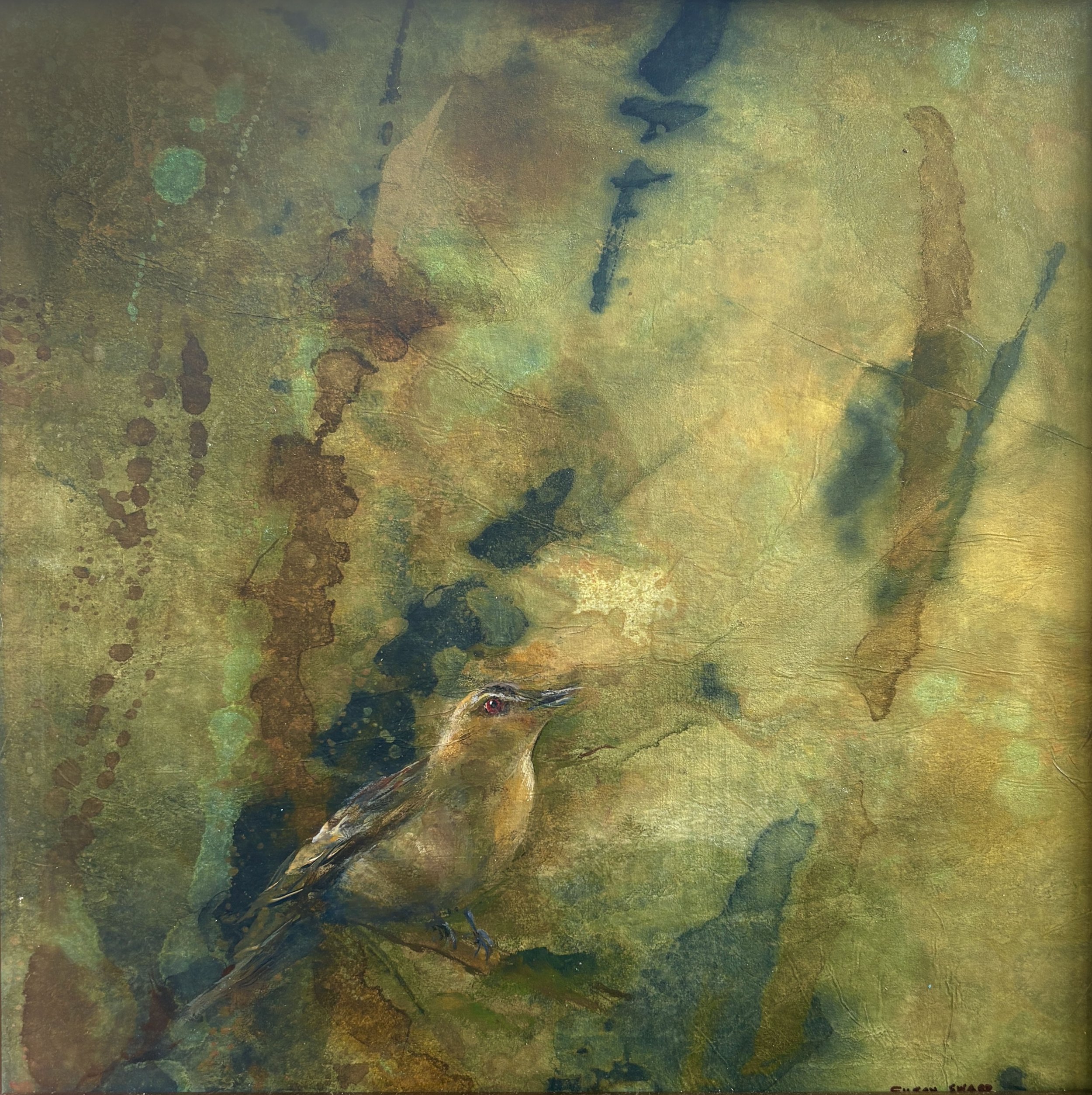
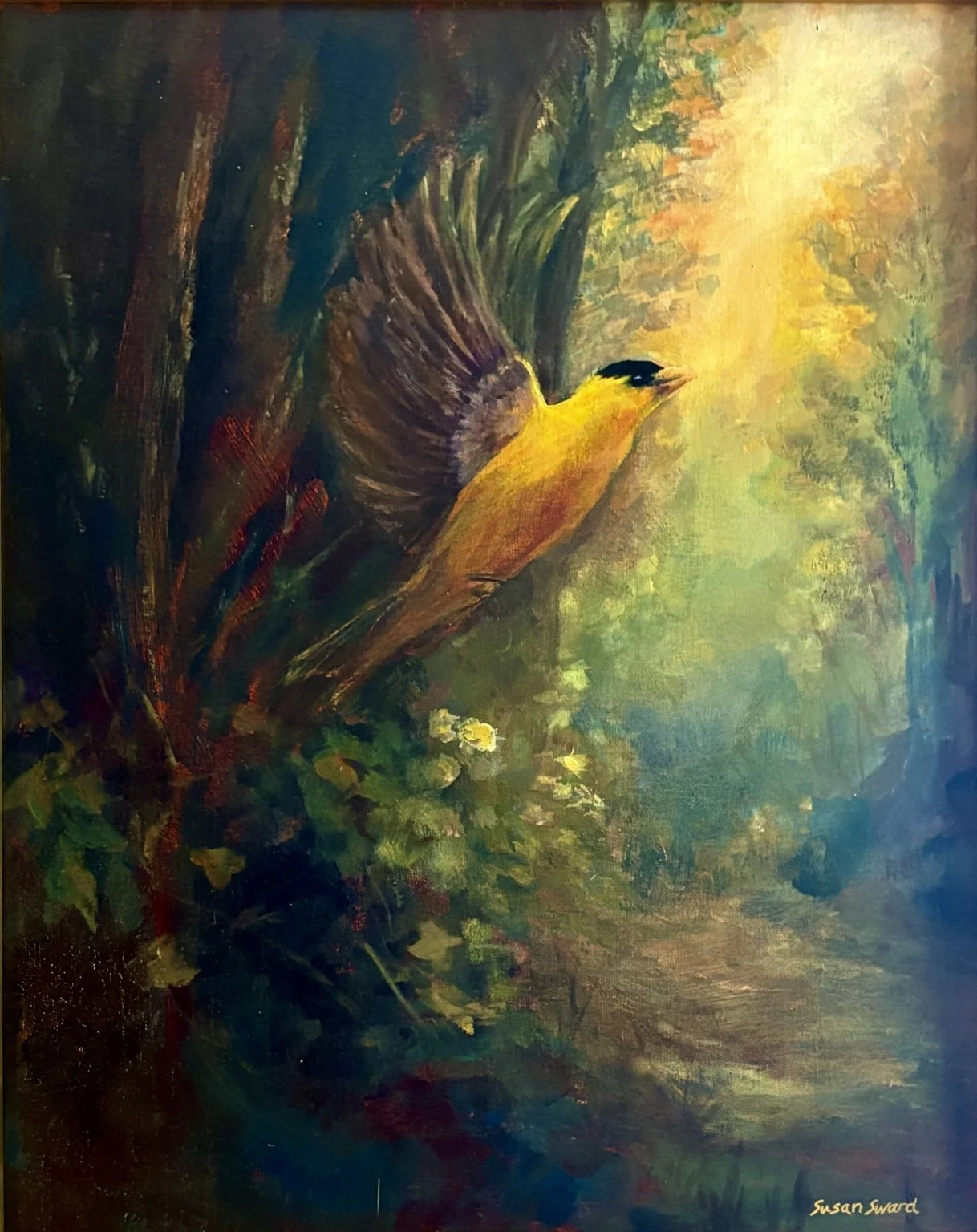
Much of Susan Sward’s recent work explores the meeting place between representation and abstraction. Birds and other natural forms emerge from layered surfaces, atmospheric landscapes, and passages of color and texture. Rather than describing nature literally, she is interested in the experience of encountering it: the tiny movement of a bird through foliage, the shifting light of a coastal landscape, or the moment when something previously hidden suddenly becomes visible.
For her, art begins with attention. Her work invites the viewer to slow down, look closely, and discover what may not reveal itself at first glance.
Susan Sward, susansward.com
-
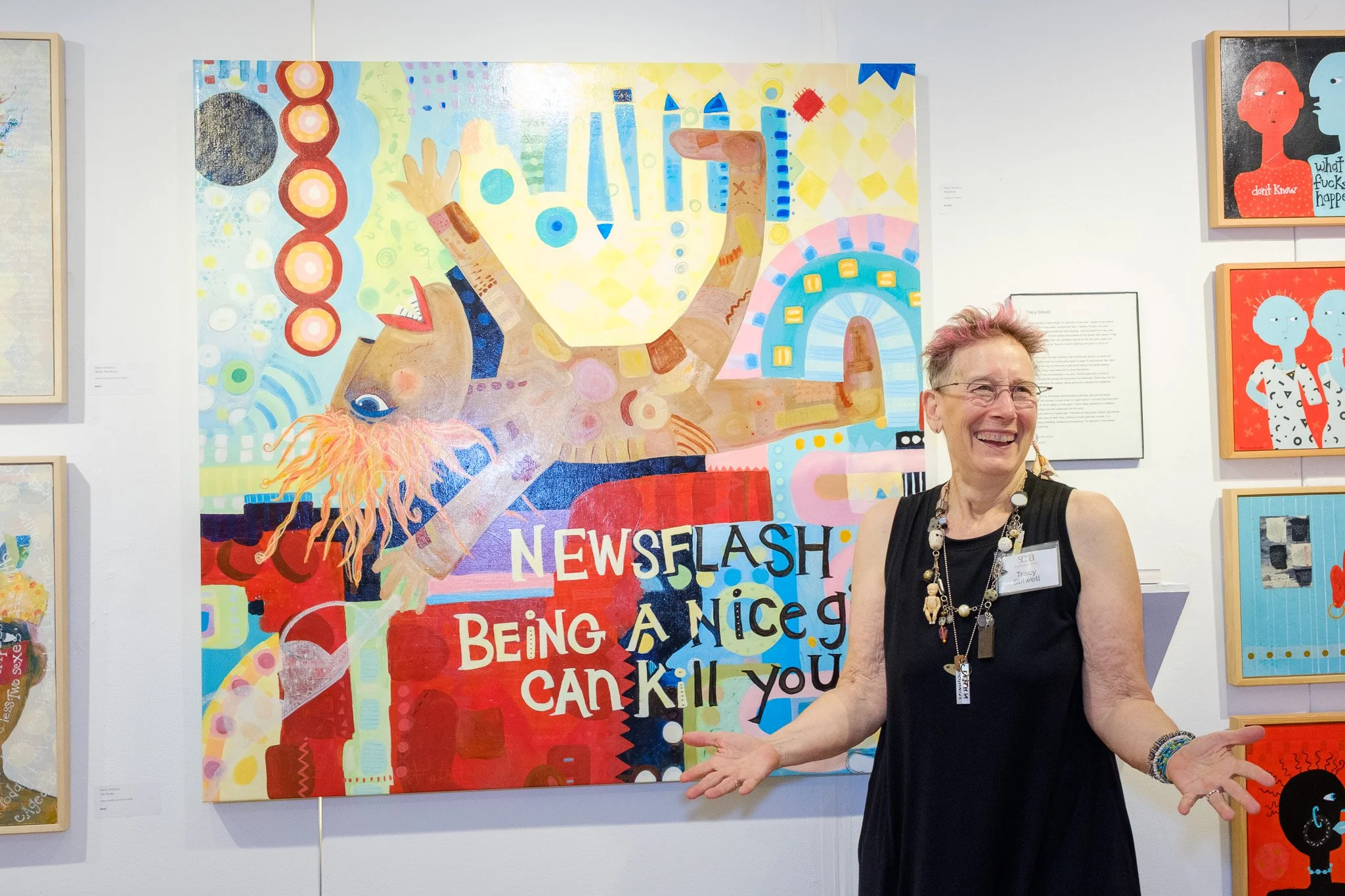
I am compelled to make things. At home and on the road, I always have projects underway. For many years I worked with fabric, needles, threads, and paint, creating non-traditional quilts and wall hangings. Dolls emerged from rope, wire, sticks, and fabric. I formed planters and spheres for the garden with cement. It has come to my attention that I am constantly looking for the next shiny object; the next thing to learn or try. Now my current challenge and goal is to focus on painting.
With that in mind, I've been working most recently with acrylics on wood and canvas. I often begin by incorporating layers of paper to build texture, then sand the surface and dig into the wood to add visual interest. My pieces develop
organically, taking many twists and turns as they evolve.
Two distinct lines are emerging in my work. The first grew from my love of
gardening—abstract pieces that blossomed into botanicals. Chalk lines over the abstract base allow the vessels, stems and birds to develop from additional
layered backgrounds.
The second line, the loosely defined political paintings, start with the same
materials and process, but are driven by urgent topics or concepts that have been gnawing at me for weeks or even years. There's deep satisfaction in releasing those feelings onto the surface and into the world.
Learning to paint is a massive task. There are so many topics, issues, approaches and details many of which have nothing to do with paint and brushes. It is challenging, frustrating, satisfying and rewarding. The best part is the endless road of learning.Take A Deep Breath , Tracy Stilwell
-
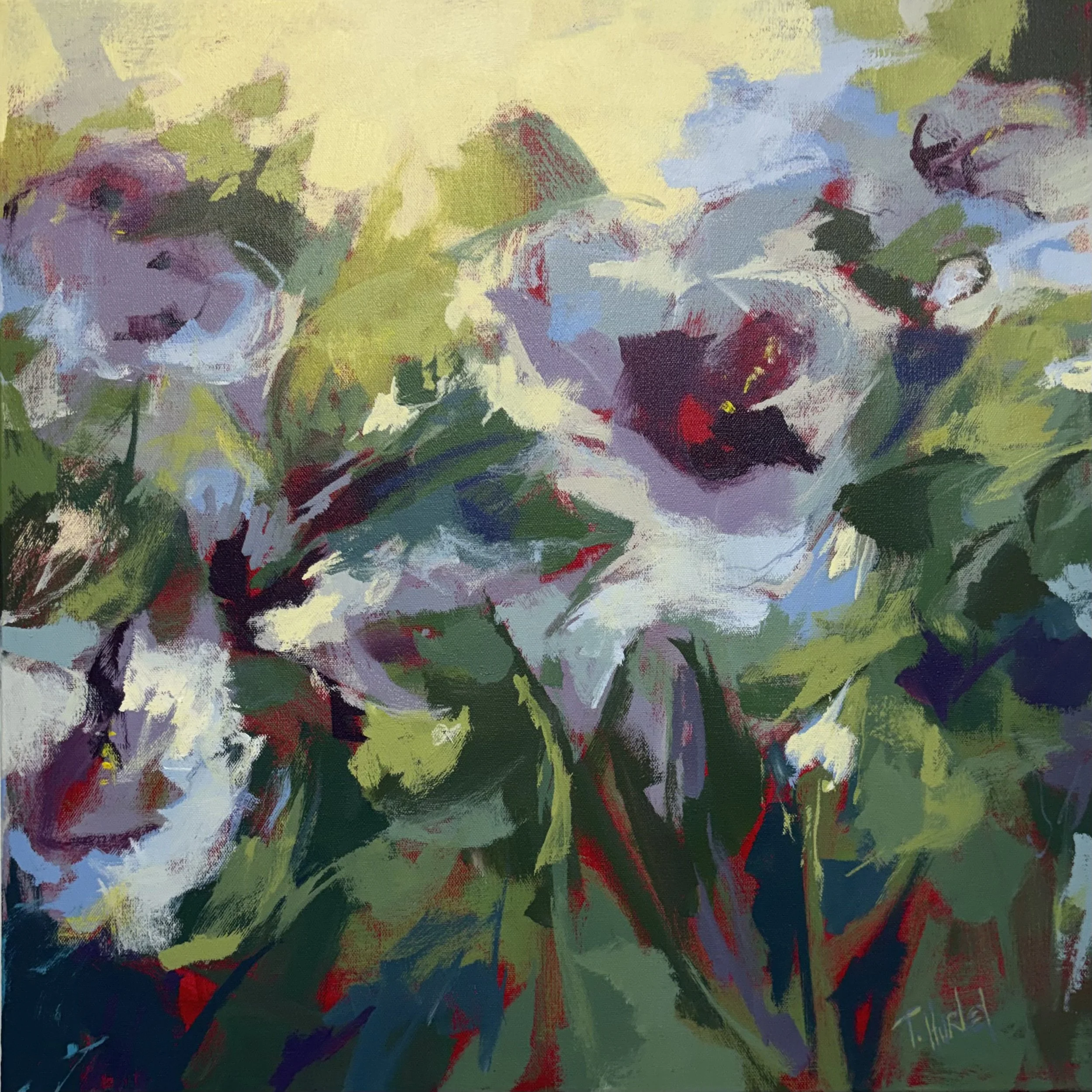
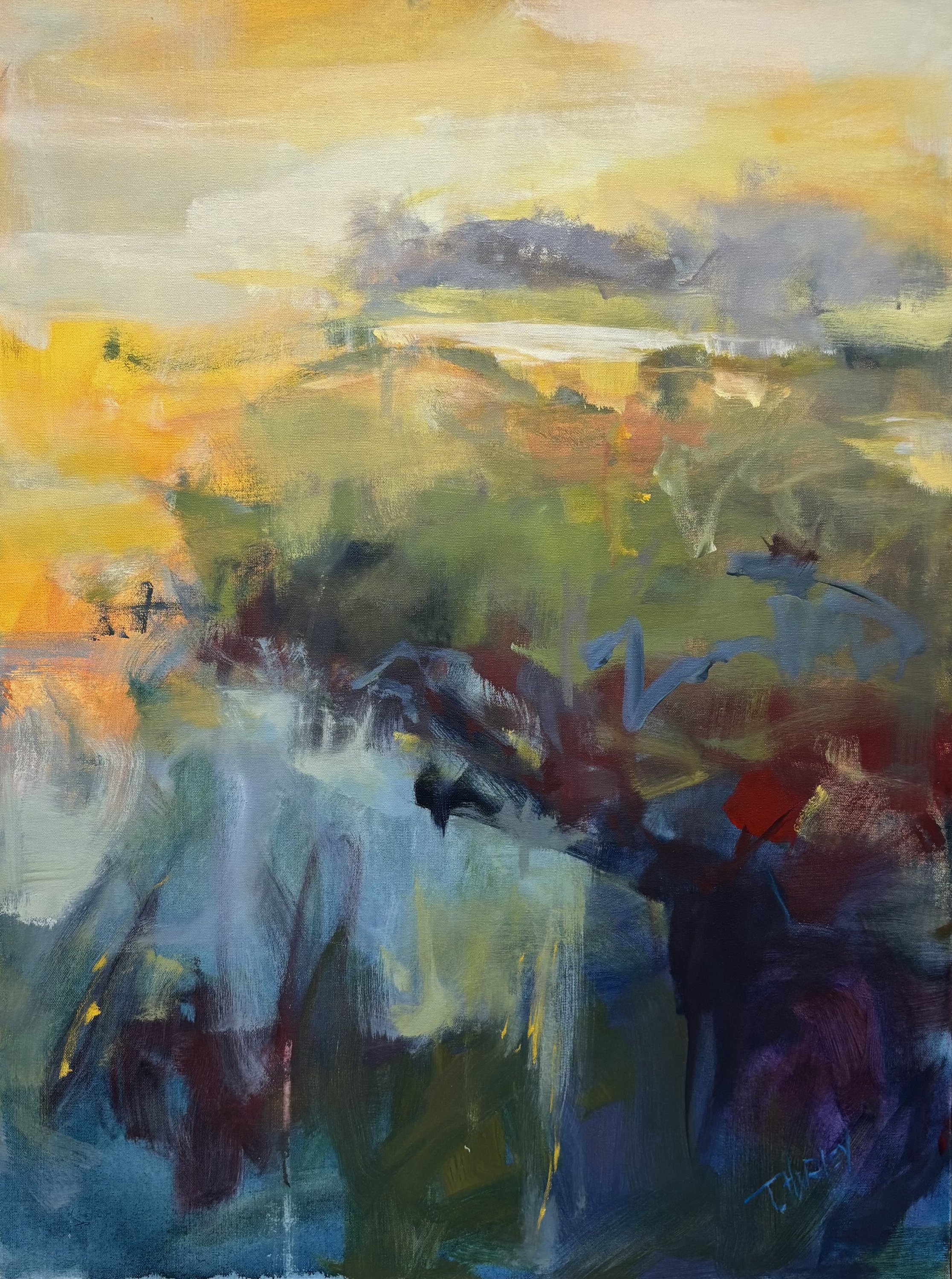
Trish Hurley’s passion for the outdoors and curiosity in nature has always been her artistic inspiration. She is best known for her landscape paintings, from 5”x5” plein-air sketches, done out in the elements with palette knife or her 5’x5’ bright, loosely representational larger paintings done with big brushes in the studio.
Trish received her BFA in Painting from the Swain School of Design and her MFA in Painting from UMass/Dartmouth.
She currently lives in Wakefield, RI and teaches as an Adjunct Professor of Art at CCRI and teaches a variety of workshops at Snow Farm in Williamsburg MA.
Trish’s artwork can be seen at galleries throughout the United States, primarily in MA, NY, NJ, Washington DC and Chicago.
See more of Trish’s work at her studio, #104 at the Mill at Shady Lea in North Kingstown, RI or instagram at @TrishHurley12
-
In Search of Wabi Sabi, Rick Martell, 1943-2025
Iconoclast — A person who attacks or opposes traditional beliefs, customs, or established institutions. A critic of accepted ideas, rules or values, who often pushes for new ways of thinking.
From the Greek: eikon - image; klastes - breaker
Synonyms — rebel, dissenter, nonconformist, radical
Rick Martell was many things. A traveler, surfer, soldier, lumberjack, sea captain, potter, an eternal searcher. Most people would spend a lifetime doing one of these things. Rick made it his life’s work to do all of these things in exceptional fashion.
This body of clay work concerns itself with his final search as a potter, returning to the clay for his final hurrah on Earth, surrounded by the water of Narragansett Bay on the Isle of Prudence, living in a house shaped like what else, the hull of a vessel. One might say you couldn’t make this up. Rick didn’t make it up, he lived it, all of it.
As a young boy in the 1950’s Rick had a memory of living in Guam while his father, Richard Arthur Martell, fulfilled one of his many posts during a lifelong career with the U.S. Navy. Rick recalled that terrified Japanese residents lived in the surrounding mountainside caves, afraid of being captured and sent to internment camps in the aftermath of WWII. In the early 60’s while his dad was stationed in Hawaii, Rick lived the life of the surfbum, catching the next wave of a big endless summer. It was here that his dad presented him with a notice that he had been called to serve. Next stop Southeast Asia.
Vietnam was where he became immersed in an exotic culture full of all kinds of handmade pottery. That fascination continued when he returned to his ancestral home of Vermont. In Bennington, he worked at Bennington College under the influence of his neighbor, ceramic artist Stanley Rosen, and the Bennington community. The spontaneity of atmospheric firing with wood suited his personality of not needing ultimate control but working through a process of continual discovery, just like the rest of his life.
While Rick was not a devotee of the Tea Ceremony, he was very interested in the traditional aesthetic principles that are embodied in Japanese pottery. The indivisible term of Wabi Sabi became the driving force behind his final search.
In the preface of his book Wabi Sabi - The Japanese Art of Impermanence, Andrew Juniper writes, “Zen monks lead a simple and austere life constantly aware of their mortality. Wabi Sabi art is a distillation of their humble efforts to try and express in a physical form, their love of life balanced against the sense of serene sadness that is life’s inevitable passing. As the artistic mouthpiece of the Zen movement, wabi sabi art embodies the lives of the monks and is built on the process of simplicity, humility, restraint, naturalness, joy, and melancholy as well as the defining element of impermanence. Wabi sabi art challenges us to unlearn our views of beauty and to rediscover the intimate beauty to be found in the smallest details of nature’s artistry.”
Rick Martell ultimately lived his life navigating by the stars yet rooted in the Earth. This search is all around us in this exhibit, as we feel his presence in spite of the void of his absence. For the last decade, Rick fired in my two-chamber Naborigama style wood/soda vapor kiln. The artists wood firing at Carolina Pottery spend a lot of time together loading, chopping, stoking, eating, and of course talking. Everybody has a story to tell but Rick had an endless supply from his many pursuits. Ultimately, his most intimate story is embedded here in his final pieces.
It is, Rick Martell, in search of Wabi Sabi.
Jay Lacouture, Carolina Pottery
-
BODIES OF CLAY - Contained and Open
CERAMIC SCULPTURE: BODIES, VESSELS, ROOT FORMS
Karen Dolmanisth’s hand-built ceramic sculptures emerge from more than four decades of trans-disciplinary practice encompassing drawing, painting, sculpture, installation, fiber, gathered materials, photography, performance, movement, and site-responsive environments. Clay enters this larger vocabulary as an elemental language through which the artist explores enduring concerns: body and psyche, interior and exterior, containment and release, fragmentation and wholeness, ecological interdependence, transformation, and the relationships among matter, consciousness, time, and place.
Bodies of Clay: Contained and Open brings together selections from several interconnected bodies of ceramic sculpture developed through an intensive six-year period of study, experimentation, and practice. These include spherical vessels and orbs with multiple handles and openings; Wave Forms and Fluid Forms; and works from the Root Forms and Root, Bone, Architectures and Grottos series. Presented together within the gallery, the sculptures invite viewers to move around them, encountering changing silhouettes, cavities, apertures, surfaces, shadows, and relationships from multiple points of view.
Dolmanisth approaches clay fundamentally as a sculptor. Her objects are not conceived primarily within the conventions of functional pottery, nor do they aspire toward an ideal of symmetry or technical uniformity. Instead, each form develops incrementally through direct contact with the hands—pressed, pinched, coiled, joined, compressed, opened, extended, textured, and altered. Evidence of this process remains visible within the finished work. Irregularity is not treated as deficiency, but as evidence of becoming: the history of touch, pressure, gravity, resistance, responsiveness, and change through which a body of clay comes into form.
Her approach participates in the expanded field of postwar and contemporary sculpture, when artists working with clay increasingly challenged institutional distinctions between “fine art” and “craft.” The groundbreaking work of Peter Voulkos, followed through subsequent generations by artists including Peter Callas, helped establish clay as a medium capable of gestural, bodily, architectural, abstract, and psychologically charged sculptural expression. Dolmanisth’s own encounters with Callas’s teaching and workshops contributed to her continuing investigation of clay and firing as processes of material and formal transformation.
Yet her relationship with clay reaches considerably further back, to her formative studies in New York. As a young artist, Dolmanisth studied the figure through drawing and three-dimensional modeling at the Art Students League and later continued intensive investigations of form, space, material, and art history through her studies at Parsons School of Design, The New School for Social Research, and Cooper Union. Working directly from the human figure in both two and three dimensions developed an early understanding of sculpture as something apprehended bodily and spatially—from multiple directions rather than from a single fixed viewpoint.
Dolmanisth’s renewed engagement with clay began approximately six years ago, following injuries sustained in an automobile accident that made wheel-throwing physically difficult and led her toward an intensive exploration of hand-building. What began partly through physical necessity became an increasingly expansive sculptural language: vessels, orbs, root and bone forms, wave and fluid forms, fragments, cavities, openings, and irregular bodies through which clay could enter into dialogue with concerns already present throughout her interdisciplinary practice.
This body of work has also developed within the living ceramics communities of southern coastal Rhode Island. At the South County Art Association, where these sculptures now return to be encountered in the Helme House Gallery, Dolmanisth has continued to develop her hand-built and wood-fired ceramics, including through her study of wood firing with ceramic artist Jason Fong. Other works have emerged through the ceramics community of the Jamestown Arts Center, where she teaches and participates as a C•A•R•P fellow. Across both communities, her individual studio practice has grown within a larger field of exchange—among artists, teachers, students, shared studios, kilns, firing processes, and the accumulated material knowledge that passes from hand to hand.
These communities of making are themselves situated within the coastal Rhode Island landscape that has long informed Dolmanisth’s life and work. Forests and trails, rivers and shoreline, tides and weather, seasonal change, and encounters with other living forms constitute not simply imagery for the artist, but part of the relational ground from which the work develops. Clay, body, fire, community, and place thus meet within these sculptures as interconnected aspects of a practice continually shaped through attention, material encounter, and relationship.
The spherical vessels are particularly emblematic. They invoke one of humanity’s most ancient forms—the vessel—while disrupting its conventional organization. Rather than a single opening through which something may be contained or poured, Dolmanisth’s vessels possess multiple openings, handles, arms, and passages. Interior and exterior continually communicate. Light passes through apertures; cavities become active spaces; negative space assumes a presence equal to the clay itself.
The sculptures consequently hover between identities. They can appear vessel-like and body-like, biological and architectural, familiar and unknown. They may evoke organs, bones, cells, seeds, shells, roots, caves, shelters, astronomical bodies, or archaeological fragments without becoming representations of any one thing. Their ambiguity remains important: rather than describing or illustrating a predetermined subject, the forms retain the possibility of multiple associations and encounters.
The Wave Forms and Fluid Forms extend this vocabulary toward movement—suggesting tidal rhythms, breath, currents, folds, growth, erosion, and the continual transformation of matter. The Root Forms and Root, Bone, Architectures and Grottos move fluidly among biological, geological, bodily, and architectural associations: root becomes bone; bone resembles branch; branch suggests structure; structure opens into grotto, chamber, shelter, or interior body. Underlying these works is Dolmanisth’s sustained engagement with cycles of fragmentation, transformation, integration, and wholeness. Her study of prehistoric and ancient ceramic objects has included an attentiveness not only to intact vessels and figures but also to the fragments through which human material histories survive. A broken edge, fissure, worn surface, or incomplete body need not signify failure. Such conditions may instead register duration, vulnerability, survival, change, and the passage of material through time.
This sensitivity finds affinities with the aesthetics and philosophy of Wabi Sabi, in which impermanence, irregularity, incompletion, weathering, and the traces of time may themselves become sources of contemplative attention. It also intersects with Dolmanisth’s longstanding engagement with Jungian psychology and the metaphorical language of alchemy: transformation understood not as the elimination of contradiction or fracture, but as an ongoing process through which disparate and sometimes broken elements may enter new relationships.
Clay itself enacts such transformation. Earth combines with water and receives the pressure and warmth of the hand. It dries, contracts, enters fire, and becomes something materially changed. In wood firing, this transformation becomes especially relational and unpredictable: flame, heat, atmosphere, ash, placement, duration, and the collective tending of the kiln participate in determining the final surface. The artist initiates and guides the process but cannot completely control its outcome.
Throughout Dolmanisth’s ceramic vocabulary, openings and handles likewise imply relationship and potential connection. Although the sculptures in Bodies of Clay are presented as distinct objects—each possessing its own body, interiority, surface, weight, and spatial presence—they have also been created as forms capable of entering larger constellations.
Within Dolmanisth’s site-sensitive sculptural environments, ceramic vessels, root forms, orbs, and fragments may coexist with thread, gathered natural materials, found and reclaimed objects, architecture, light, sound, and space. Linear materials may pass through apertures or handles, transforming individual ceramic bodies into nodes within extended spatial networks. In collaborative work with dance and improvisational movement, ceramic forms may also be held, carried, exchanged, approached, or activated by bodies moving through the environment. Such installations remain intentionally temporal. They may accumulate, shift, and transform throughout the duration of an exhibition, inviting the public to encounter a work that is not entirely fixed but continually becoming. Eventually the installation is dismantled: its temporary constellation dissolves, while individual elements may be retained, dispersed, responsibly returned where appropriate, or re-enter the artist’s evolving vocabulary of materials to participate in future works. In the present exhibition, however, that performative potential becomes quieter. The ceramic sculptures are given space to stand independently and in relationship with one another. Handles retain the possibility of touch and connection; openings suggest passage; cavities hold darkness and light; irregular surfaces preserve the movements of the hands that formed them.
The title Contained and Open therefore describes more than the physical structure of these vessels. It articulates a recurring condition throughout Dolmanisth’s practice: the possibility of possessing an individual body and integrity while remaining permeable to relationship. Interior and exterior, self and other, object and environment, fragment and whole, stability and transformation need not exist as opposing absolutes. They may remain distinct while participating within a larger field.
Dolmanisth’s ceramics ultimately return us to an elemental human encounter: hand and earth. Across millennia and cultures, human beings have discovered that clay can hold an impression, contain an interior space, become an image or vessel, carry memory, participate in ritual, survive its maker, break into fragments, and endure across extraordinary spans of time.
Entering that ancient material history as a contemporary sculptor, Dolmanisth asks what the vessel, body, fragment, root, opening, and handmade object can mean now. In her hands, clay becomes body, vessel, root, bone, architecture, grotto, carrier, opening, fragment, and threshold—an ancient material continually transformed through the living language of contemporary sculpture.
-
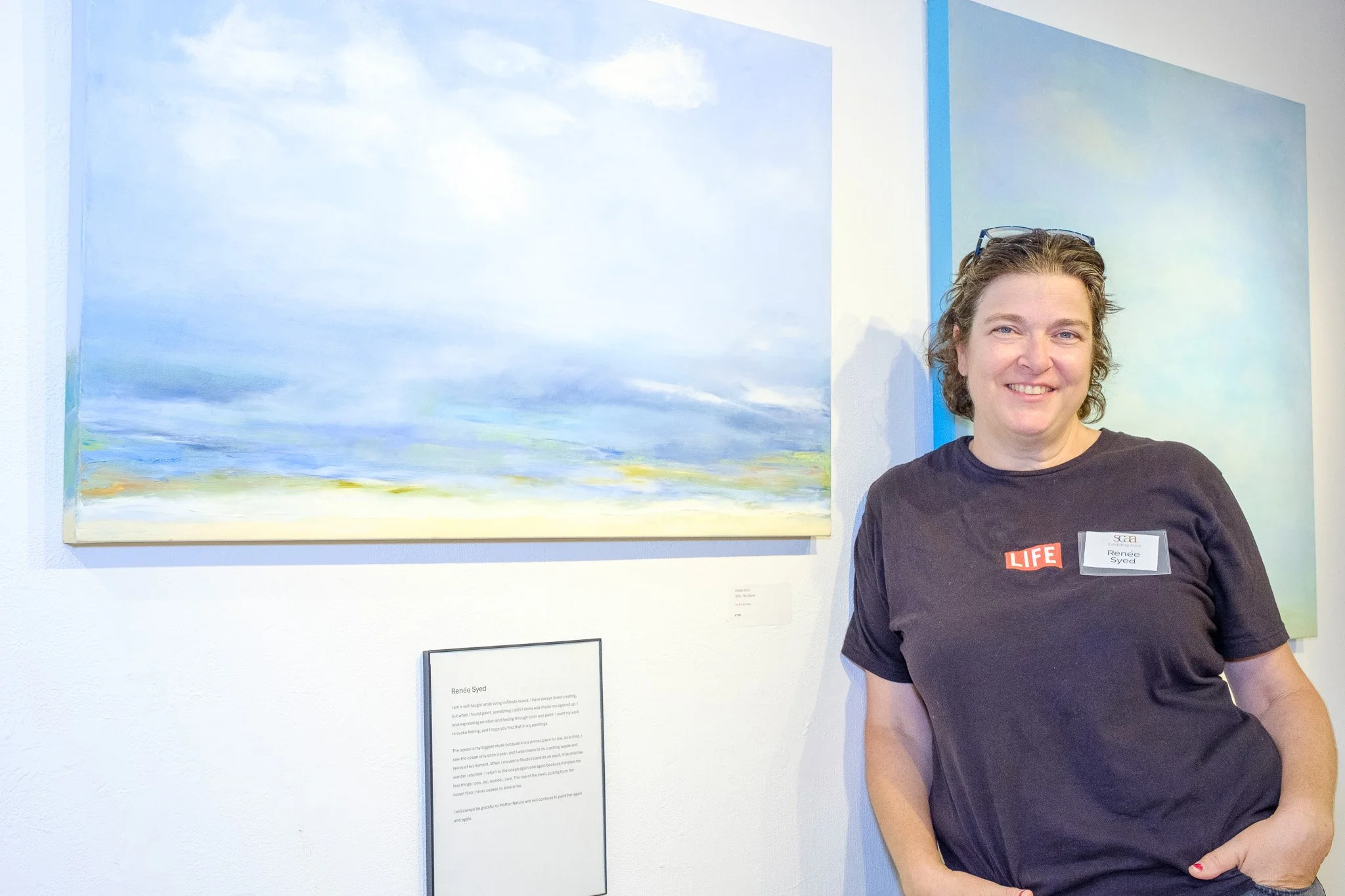
I am a self-taught artist living in Rhode Island. I have always loved creating, but when I found paint, something I didn’t know was inside me opened up. I love expressing emotion and feeling through color and paint. I want my work to evoke feeling, and I hope you find that in my paintings.
The ocean is my biggest muse because it is a primal place for me. As a child, I saw the ocean only once a year, and I was drawn to its crashing waves and sense of excitement. When I moved to Rhode Island as an adult, that childlike wonder returned. I return to the ocean again and again because it makes me feel things: loss, joy, wonder, love. The rise of the swell, pulling from the ocean floor, never ceases to amaze me.
I will always be grateful to Mother Nature and will continue to paint her again and again.
-
![]()
Karen Dolmanisth
-
![]()
Karen Dolmansith
Temple Priestess
-
![]()
Karen Dolmansith
Lunar Temple Priestess with Long Neck
-
![]()
Karen Dolmanisth
-
![Trish Hurley]()
Trish Hurley
-
![]()
Trish Hurley
Roses of Sharon
-
![]()
Trish Hurley
-
![]()
Trish Hurley
Yellow Sky
-
![]()
Renée Syed
-
![]()
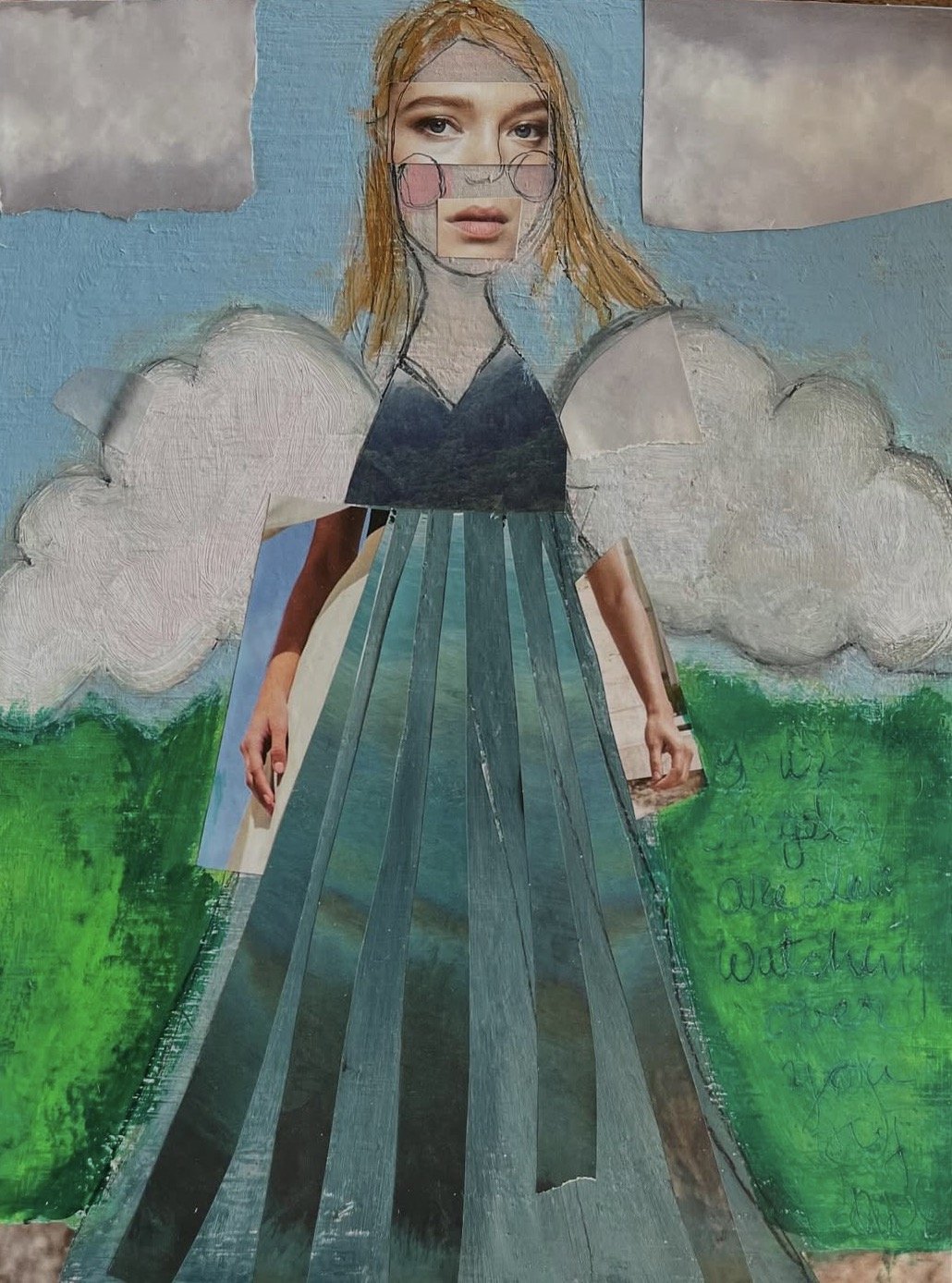
Renée Syed
Temperance
-
![]()
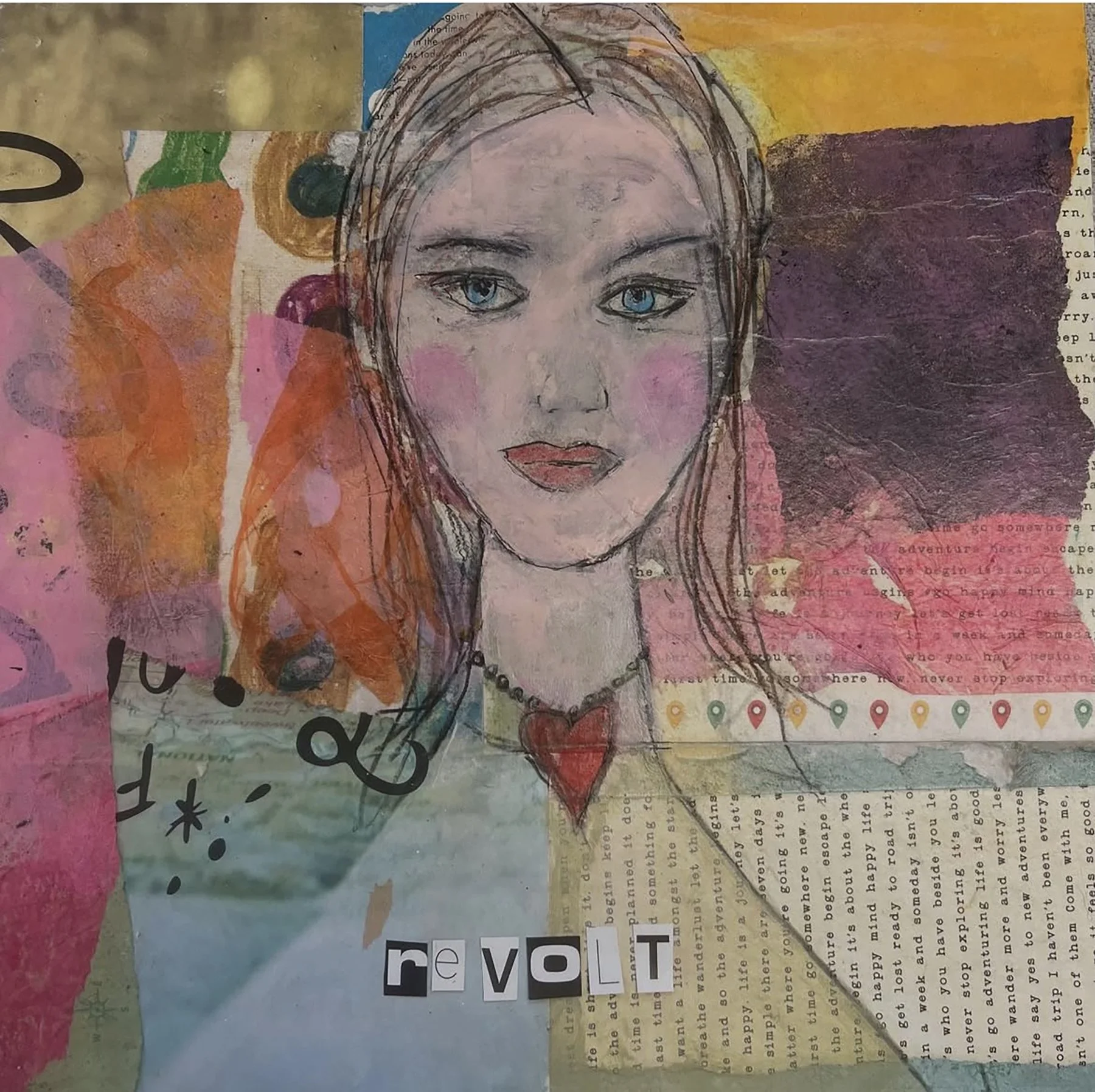
Renée Syed
Revolt
-
![]()
Renée Syed
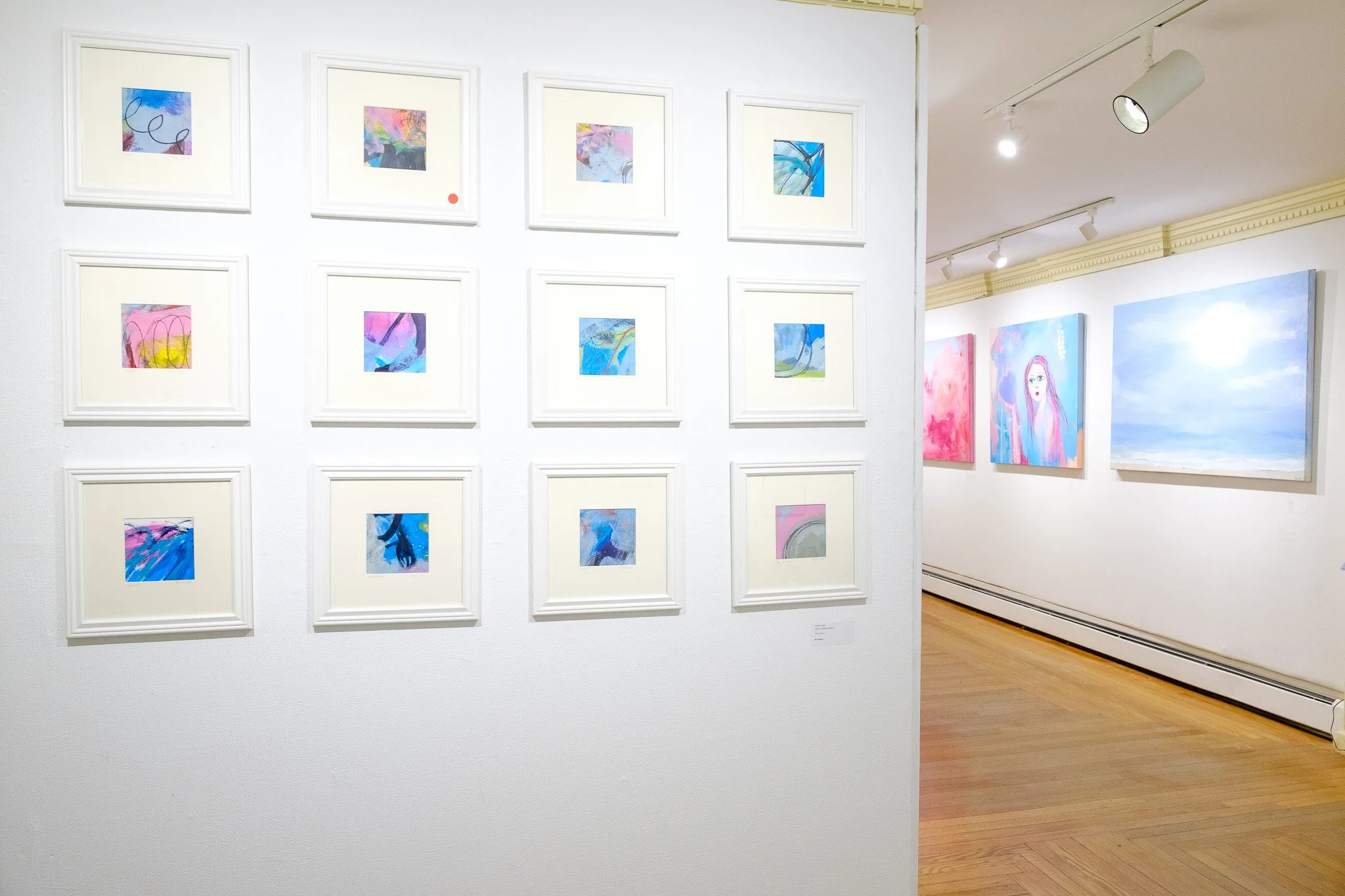
wall of smalls
-
![]()
Tracy Stilwell
-
![]()
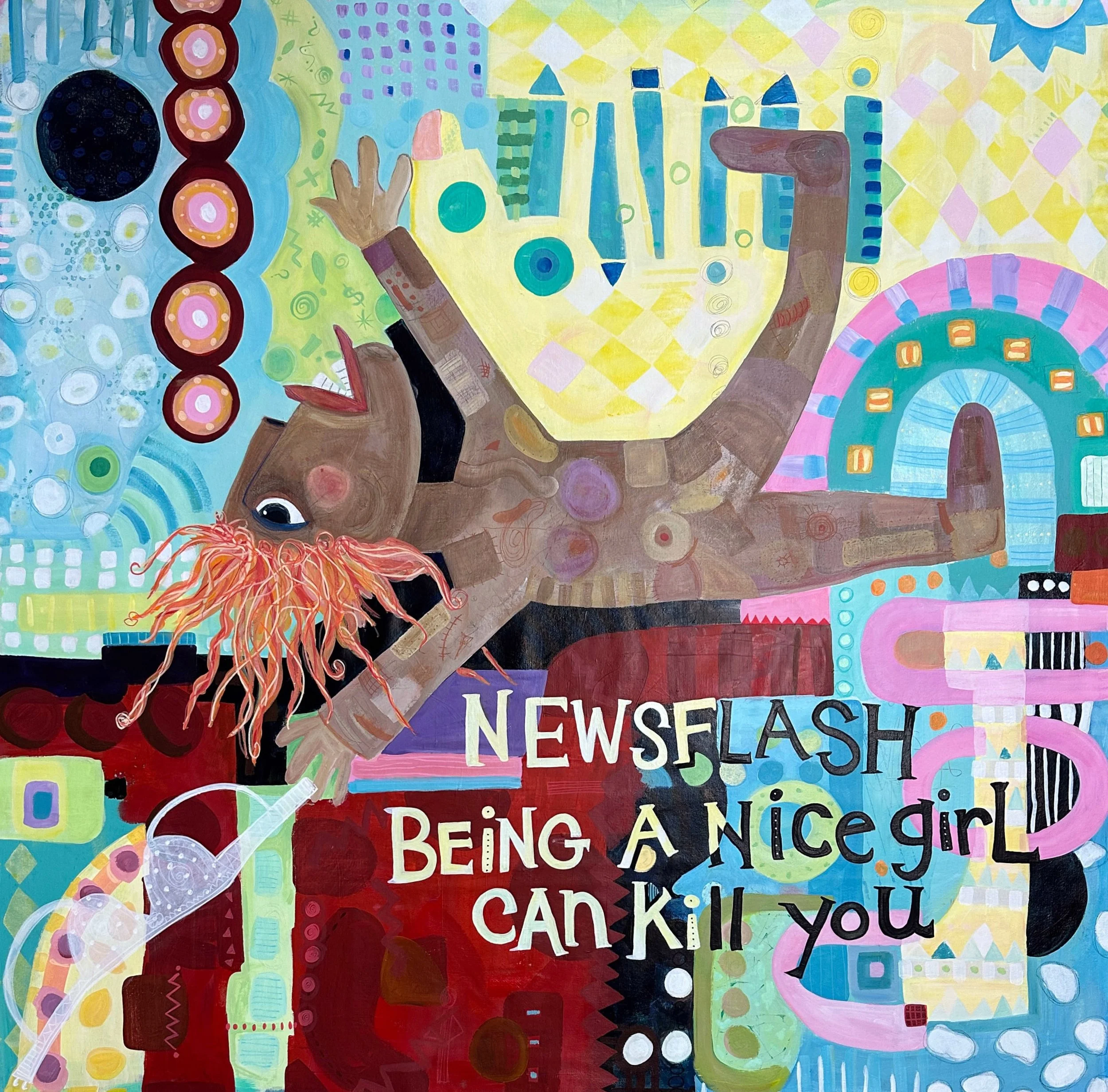
Tracy Stilwell
Newsflash
-
![]()
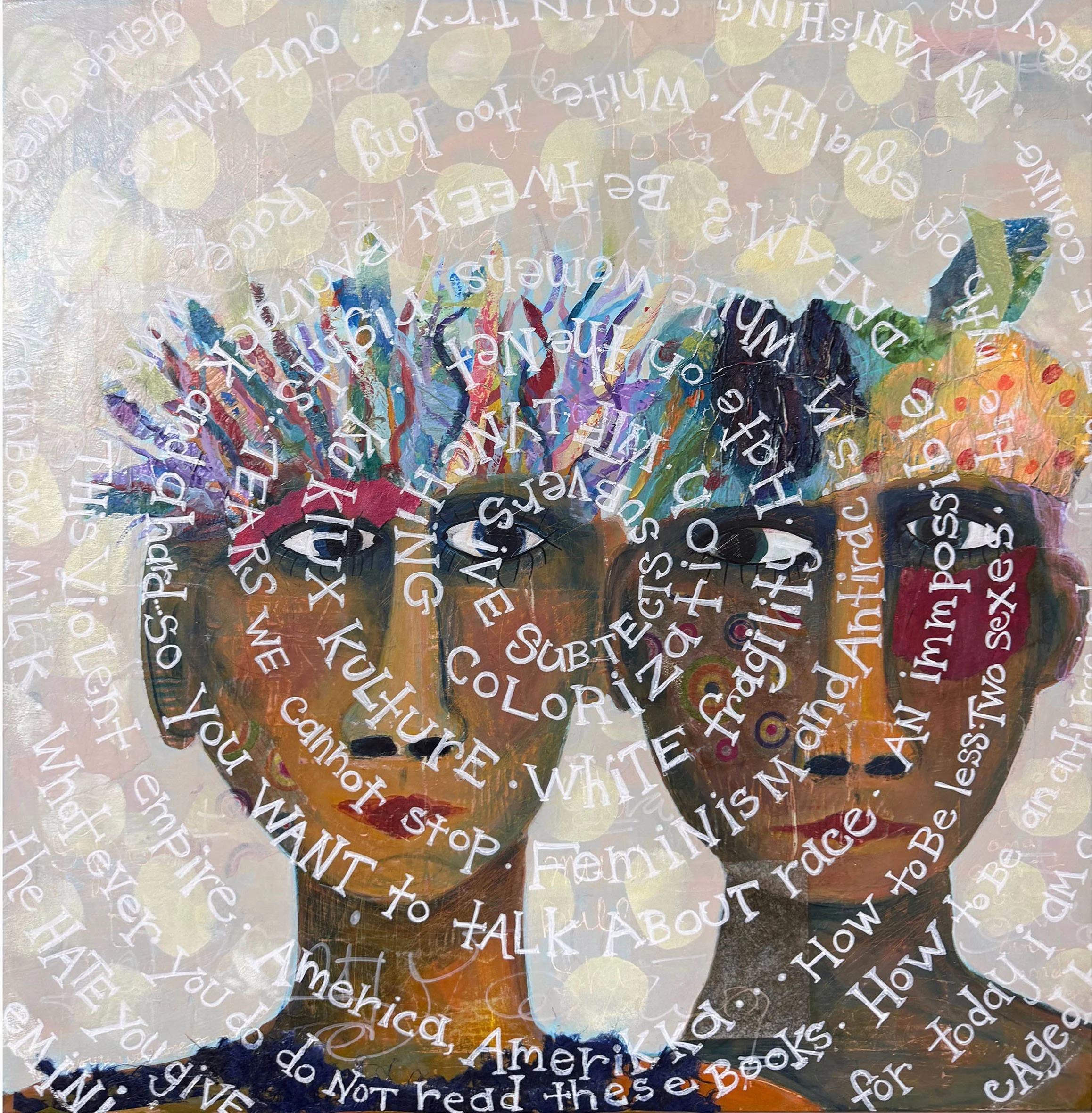
Tracy Stilwell
Banned Books
-
![]()
Tracy Stilwell
-
![]()
Susan Sward
-
![]()
Susan Sward
Listen
-
![]()
Susan Sward
Toward the Light
-
![]()
Susan Sward
-
![]()
Rck Martell, 1943-2025
-
![]()
Rick Martell
Vase
-
![]()
Rick Martell
tea bowls with boxes
-
![]()
Rick Martell
-
![]()
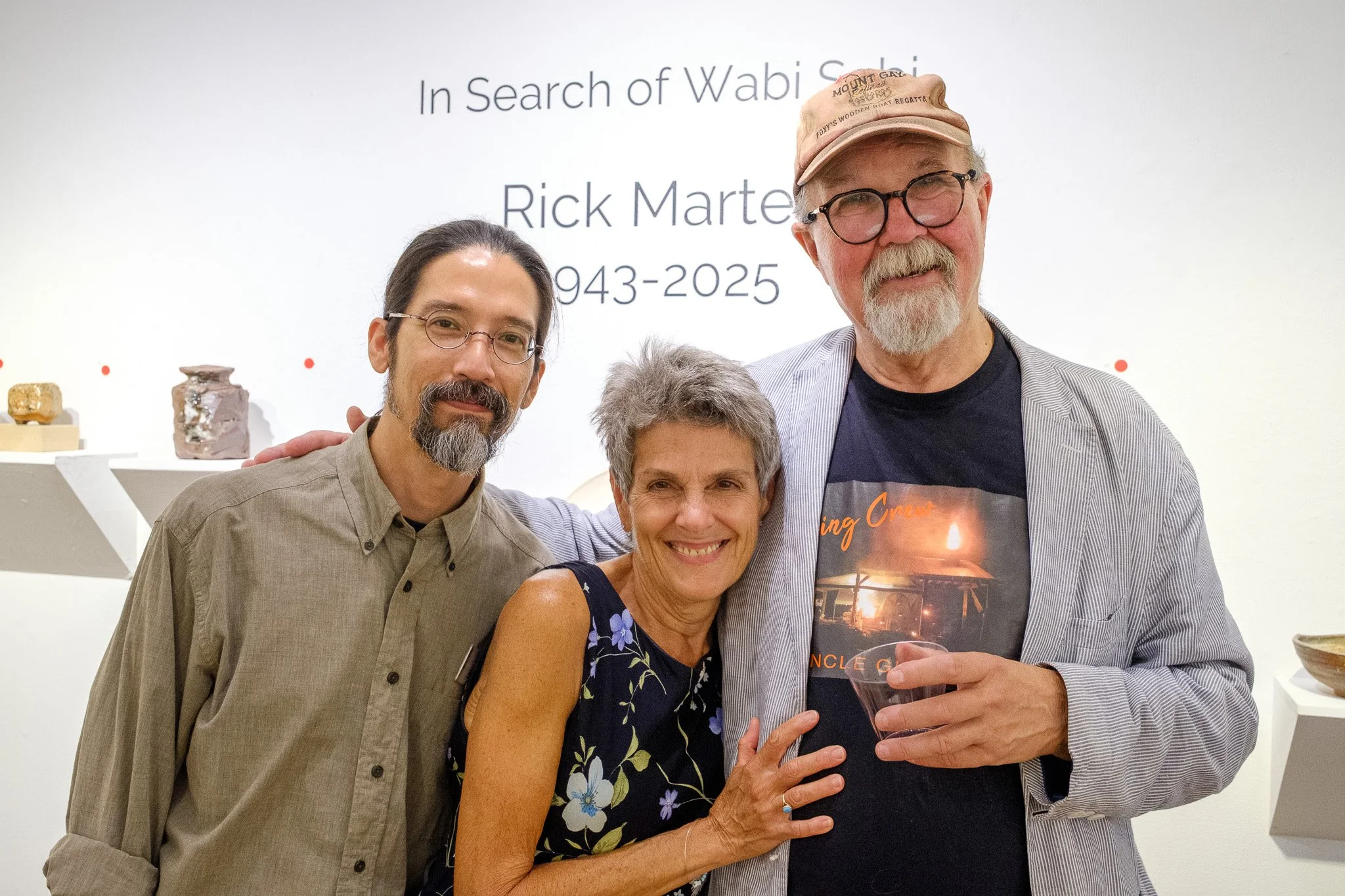
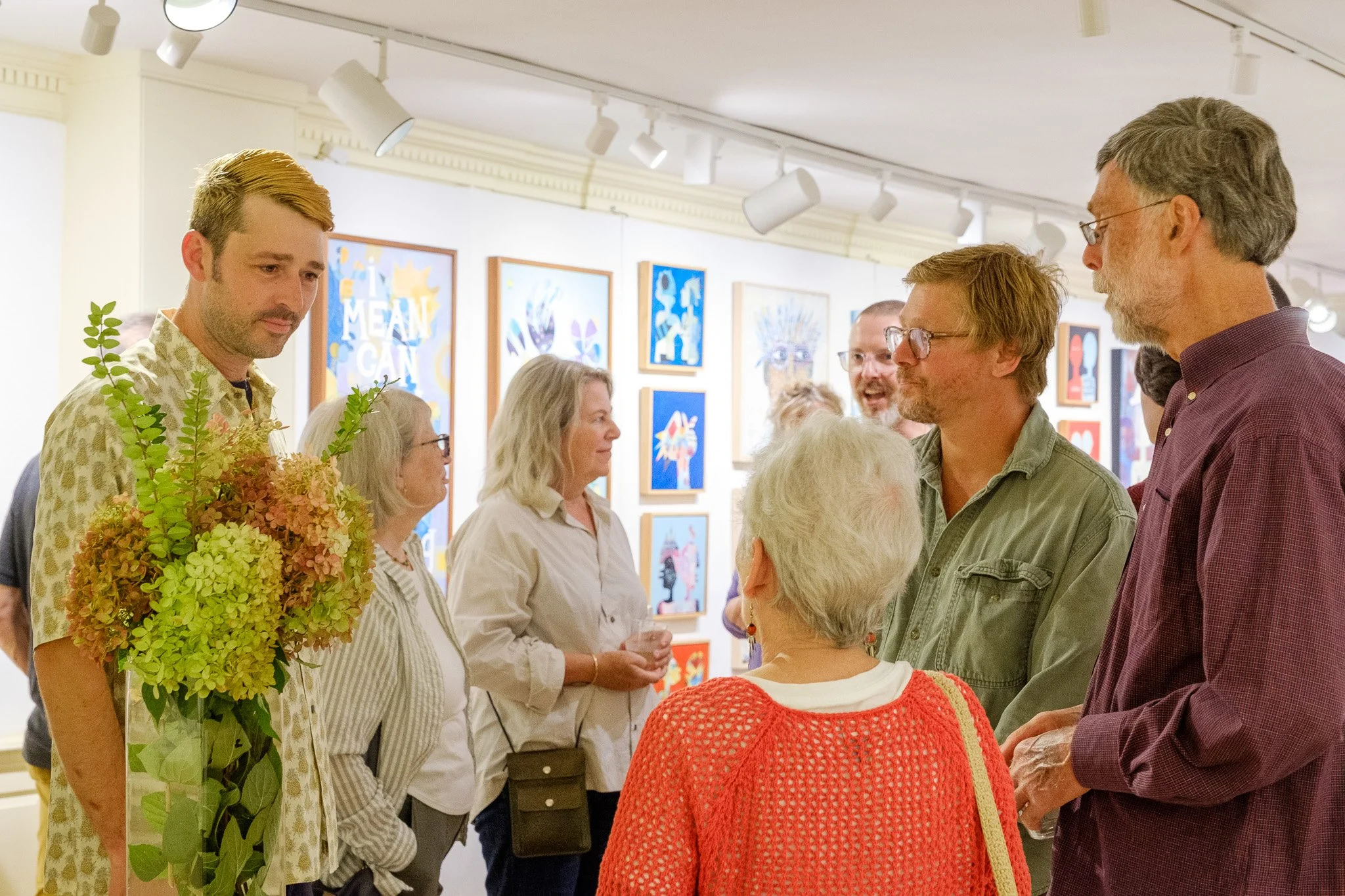
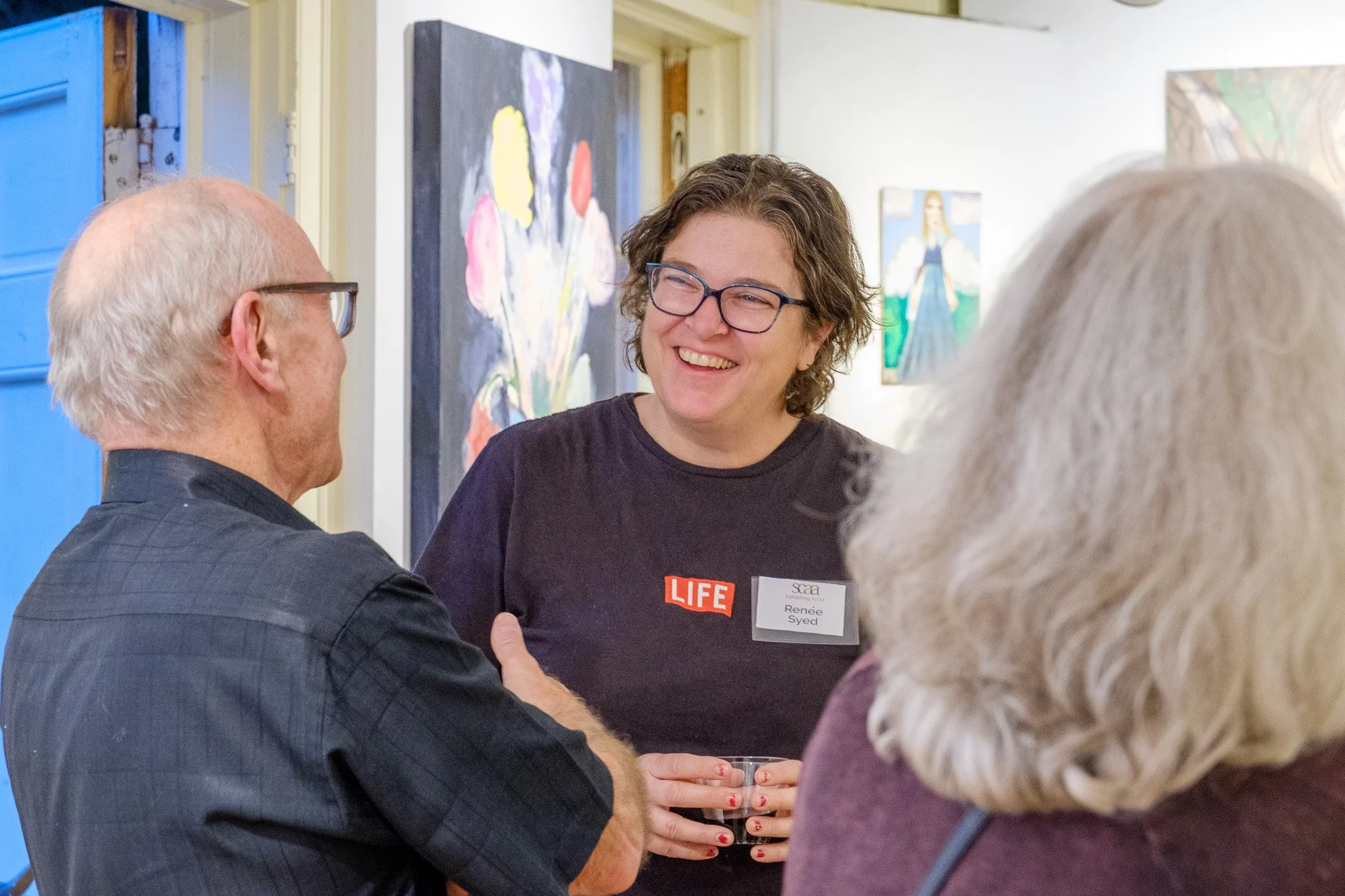
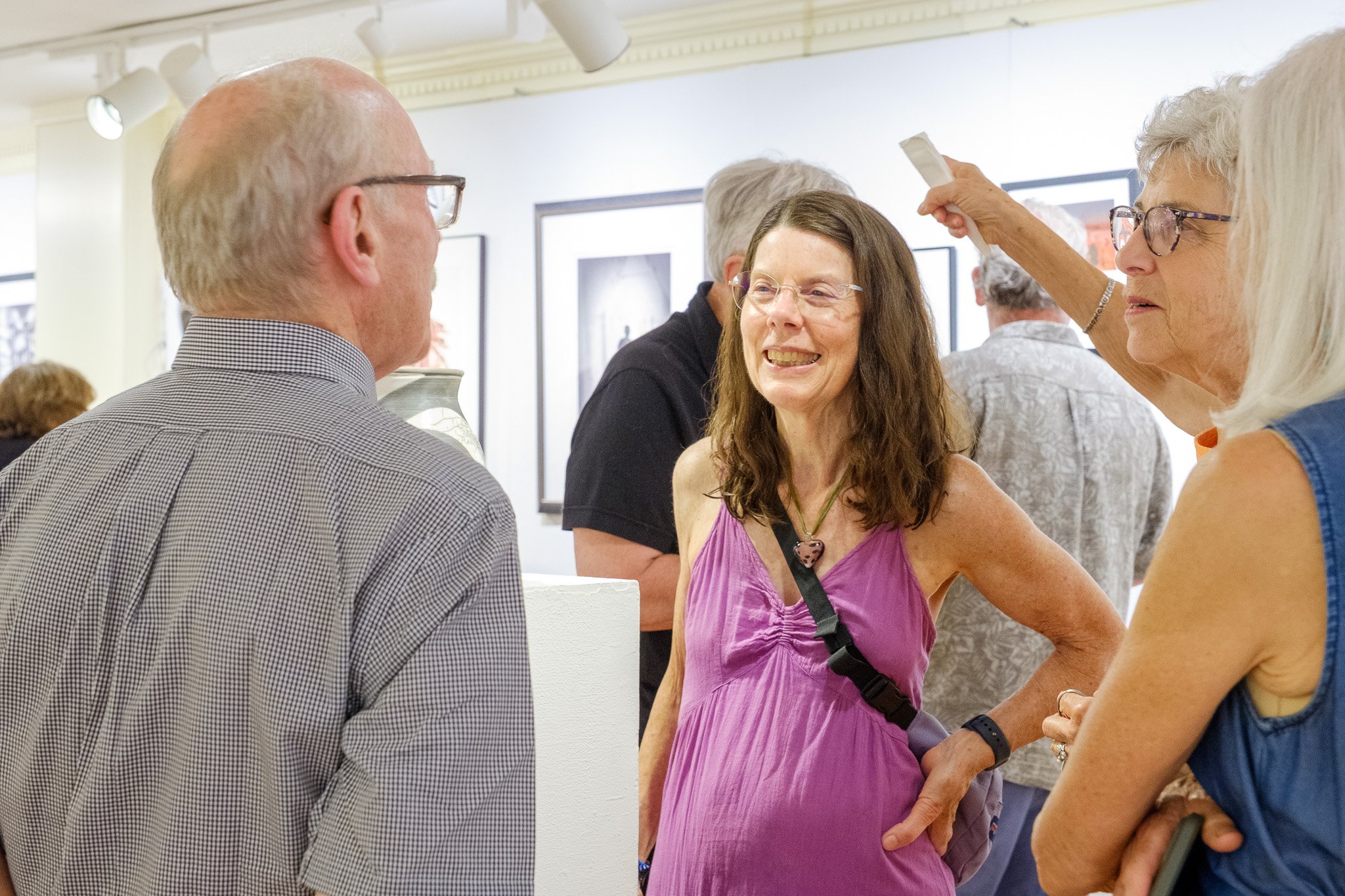
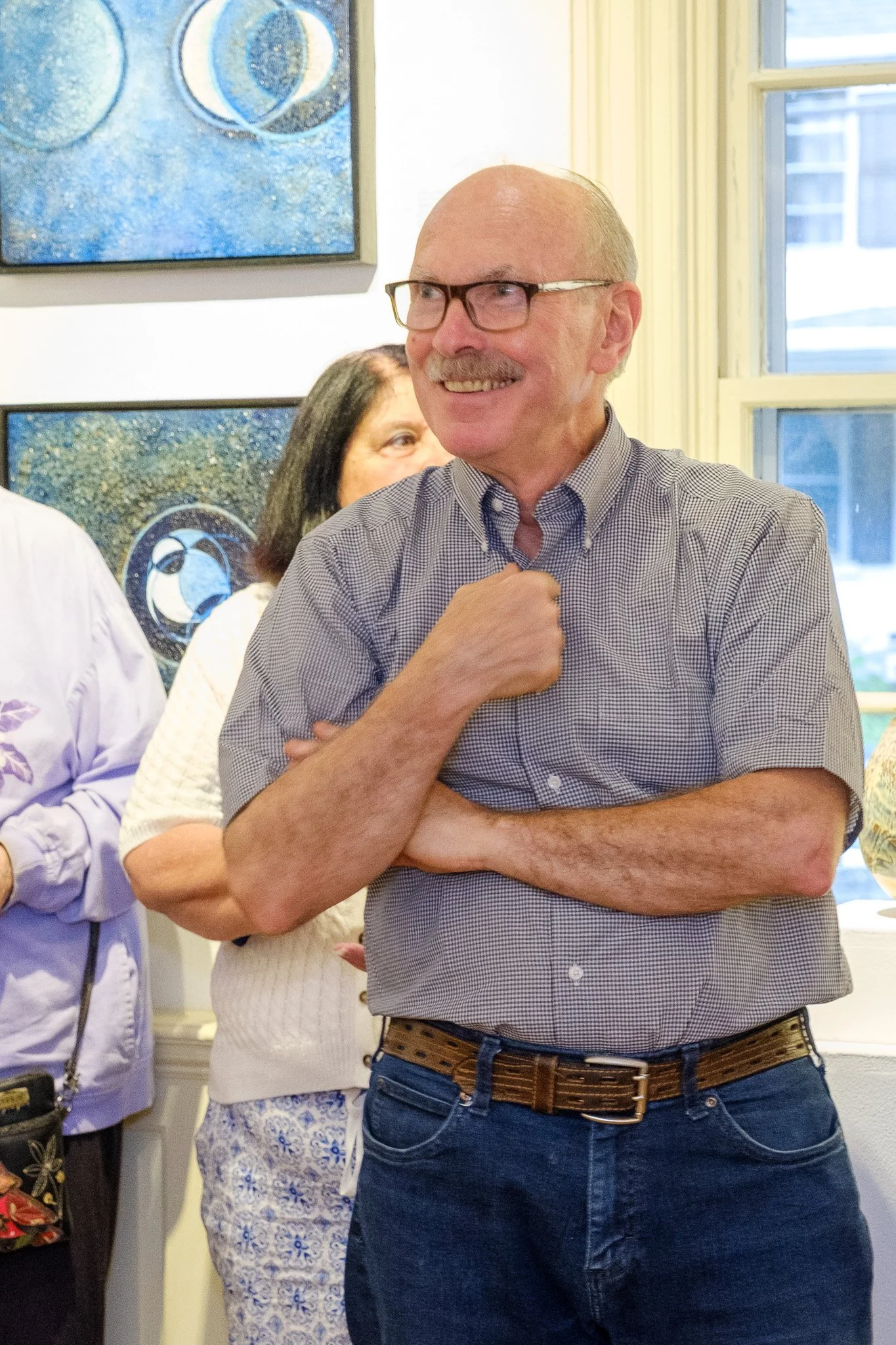
Opening Reception
-
![]()
Opening Reception
-
![]()
Opening Reception
-
![]()
Opening Reception
-
![]()
Opening Reception
-
![]()
Opening Reception
-
![]()
Opening Reception
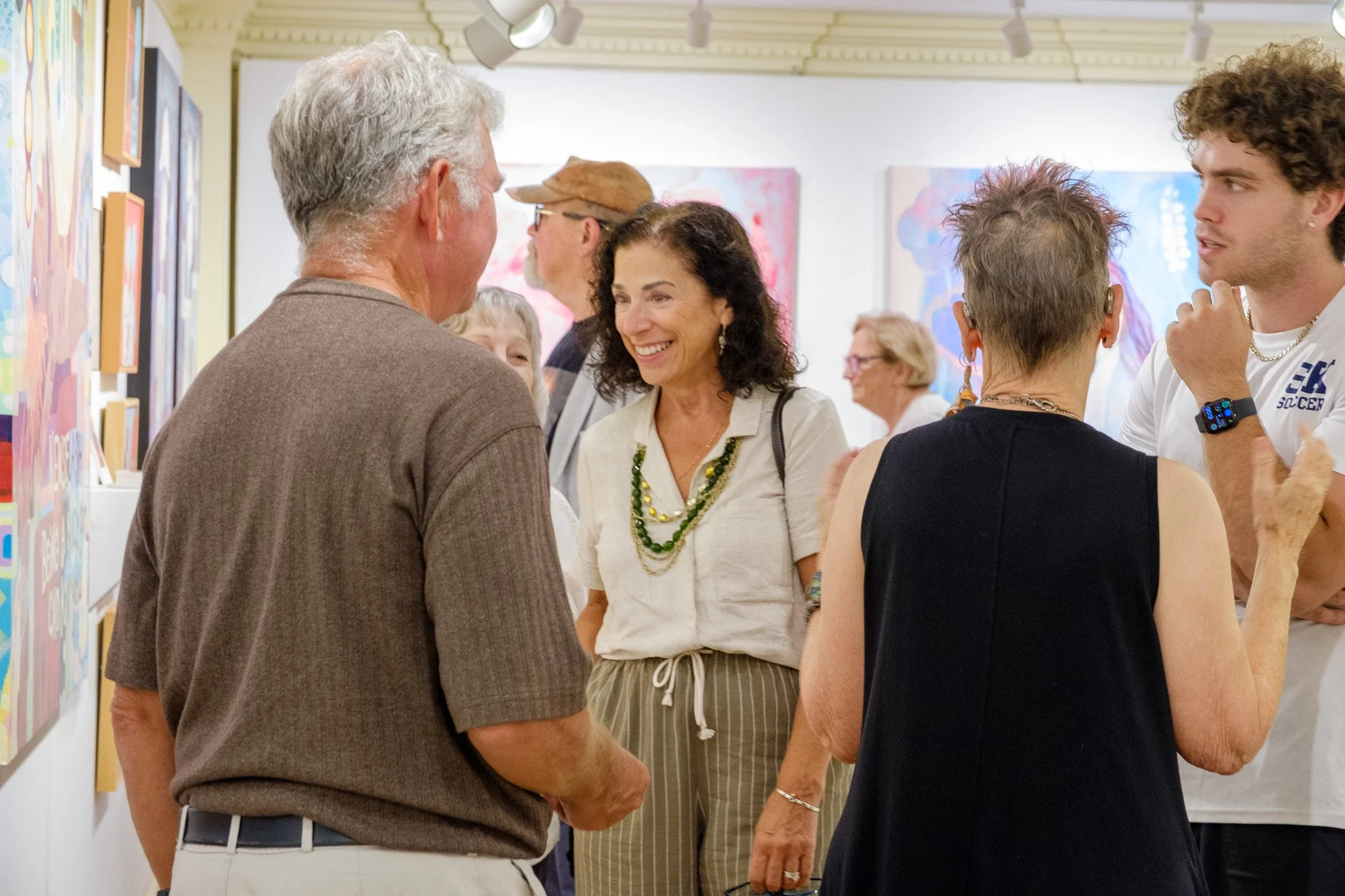
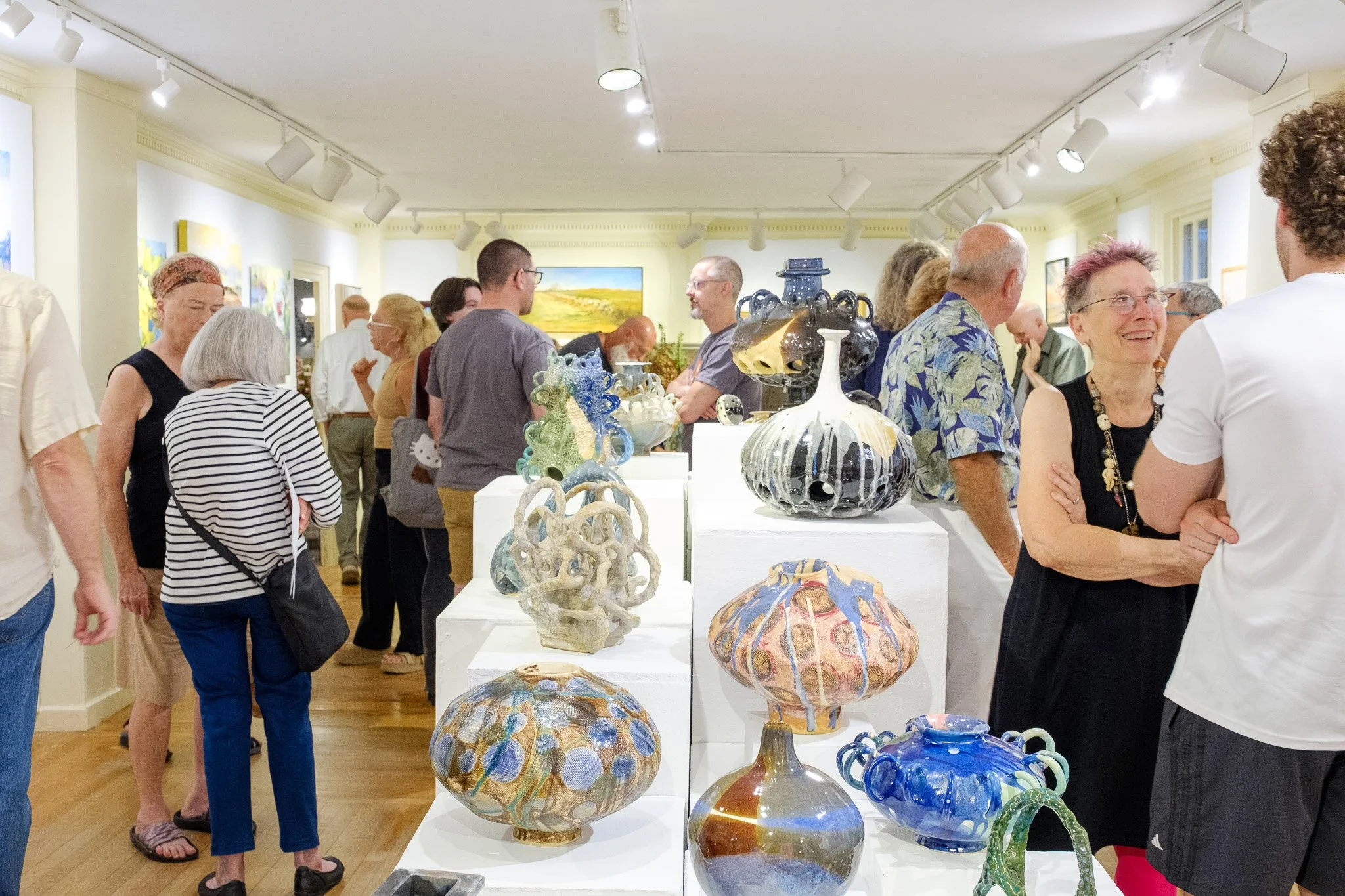
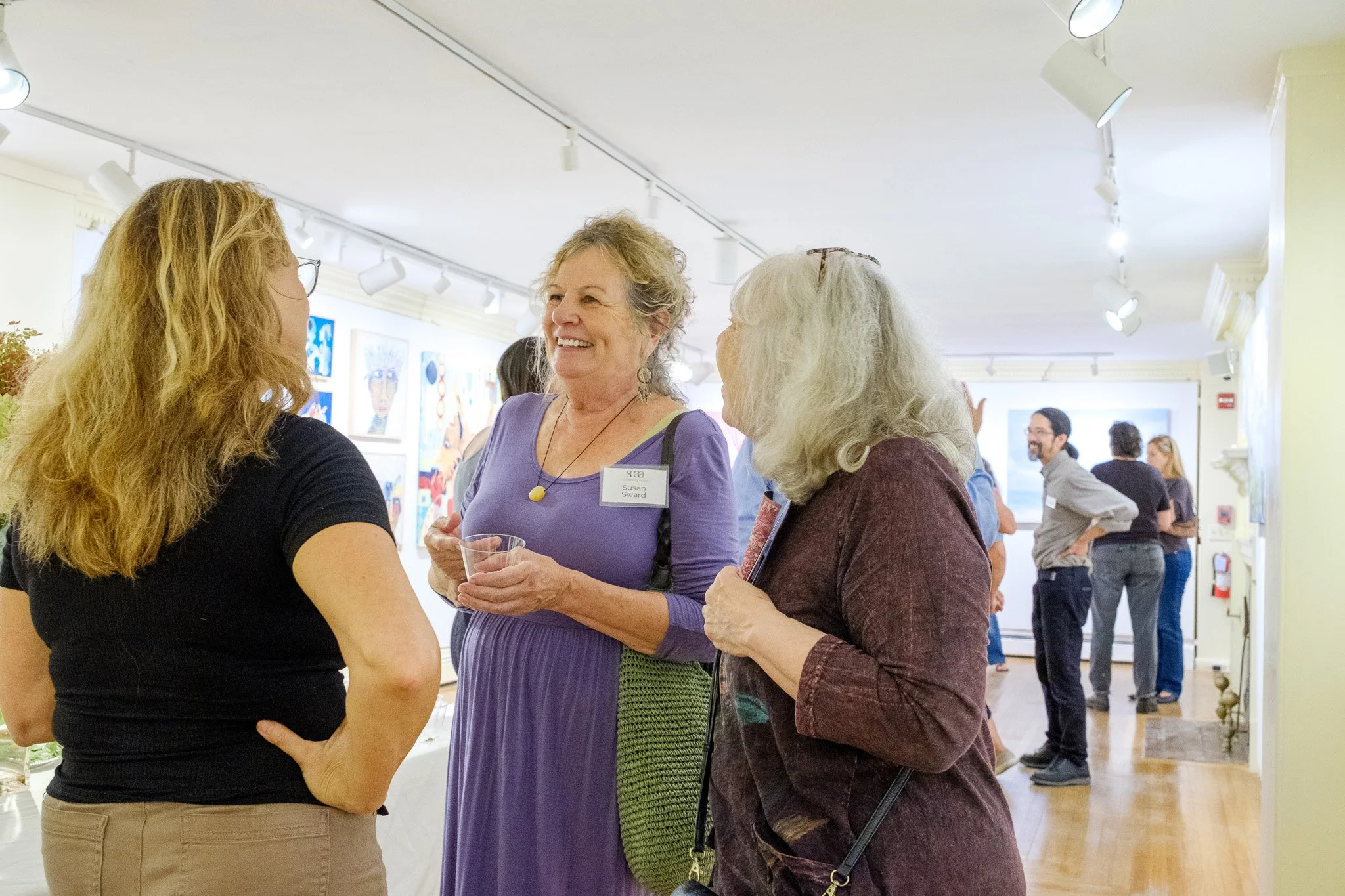
bring home a piece of our creative community
artwork in our exhibits are for purchase - stop by the gallery, wednesday - sunday 1-5pm
next call for art:
All Media Open Juried III - October
view our exhibit schedule for 2026
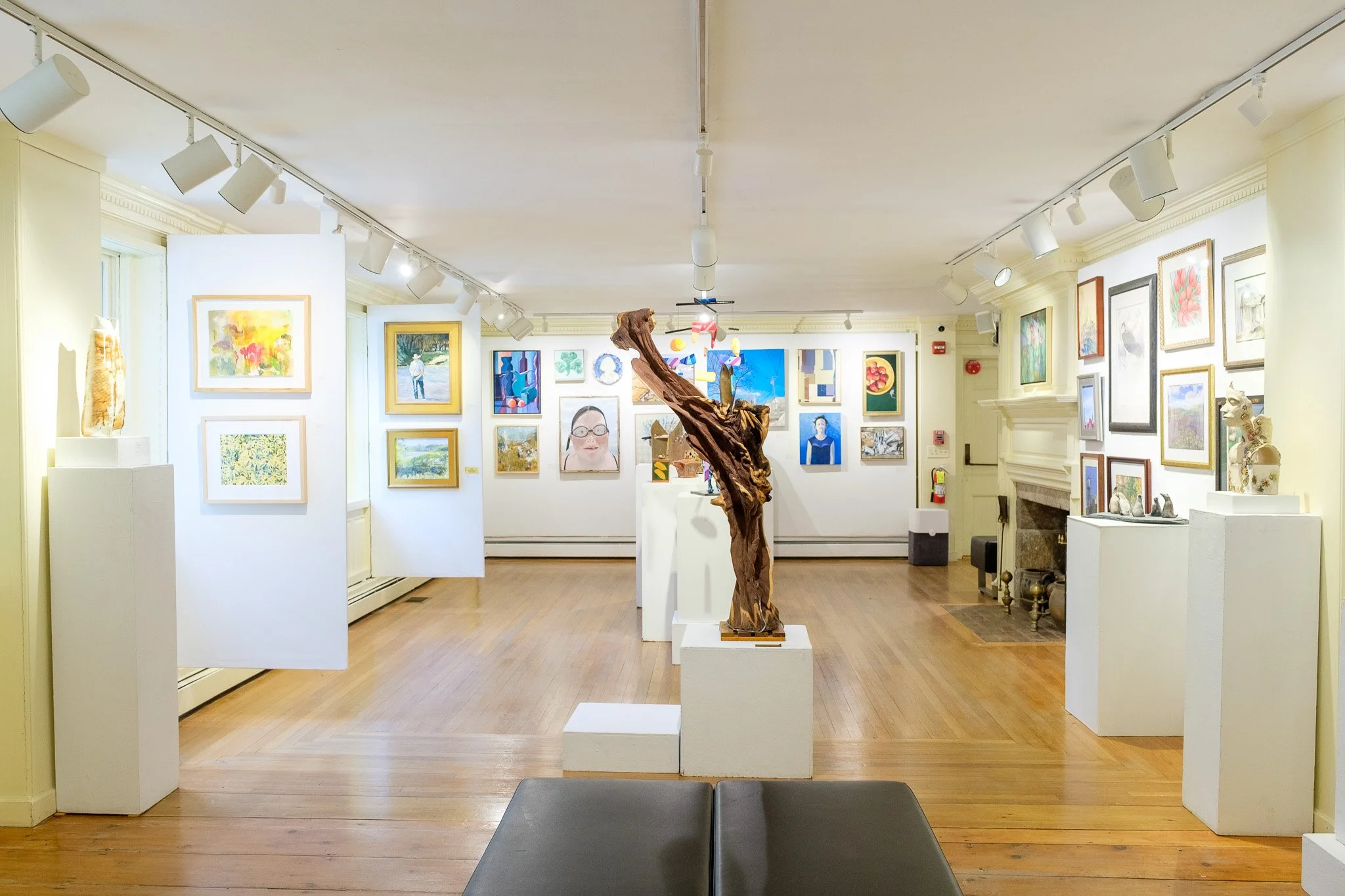
let’s take a look back at our exhibits this year
The 21st Great Art Heist
August 13 – September 12
A fundraiser full of mischief and mayhem where everyone goes home with original art!
Who says crime isn’t fun?
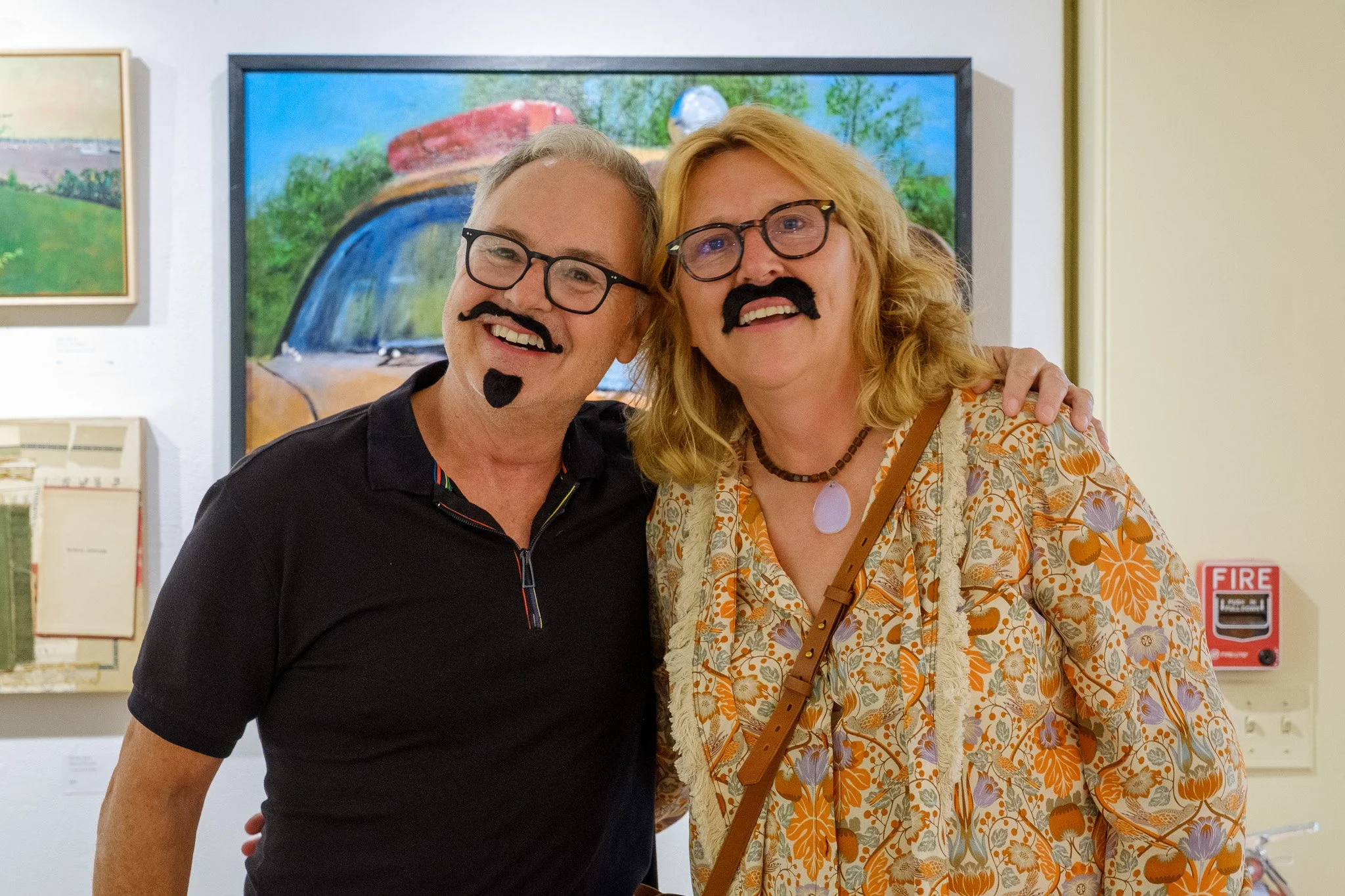
Thank you to our artist donors and our collectors who helped us raise $15,000.
We couldn’t have an Art Heist without you!
All Media Open Juried II
Life in Monochrome - It’s Not Always Black & White
July 16 – August 8
Juror Susie Matthews
Helme House gallery hours
Wednesday - Sunday 1-5pm
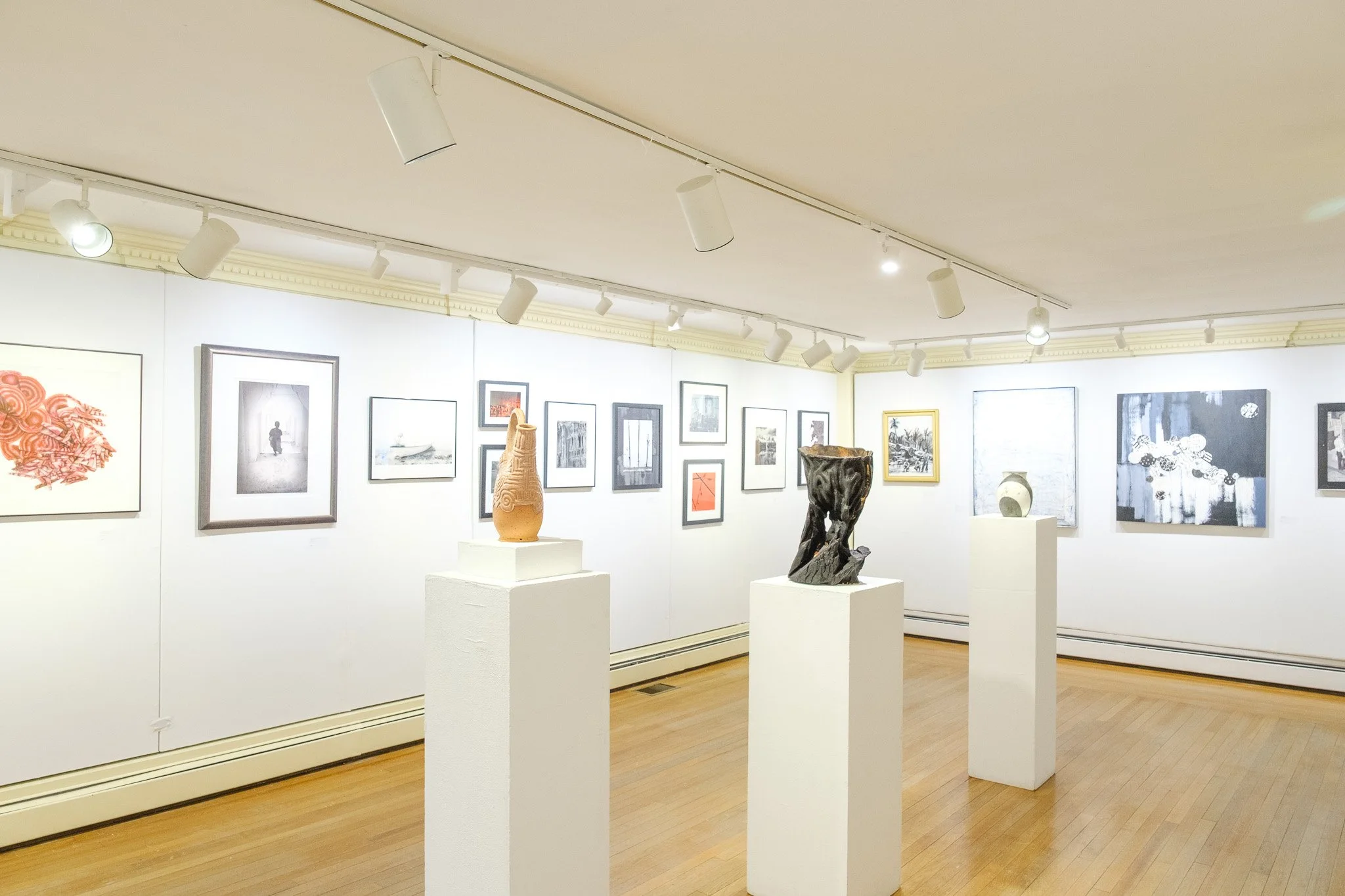
live with the art that inspires you
all works are available for purchase
congratulations to our award winners
-
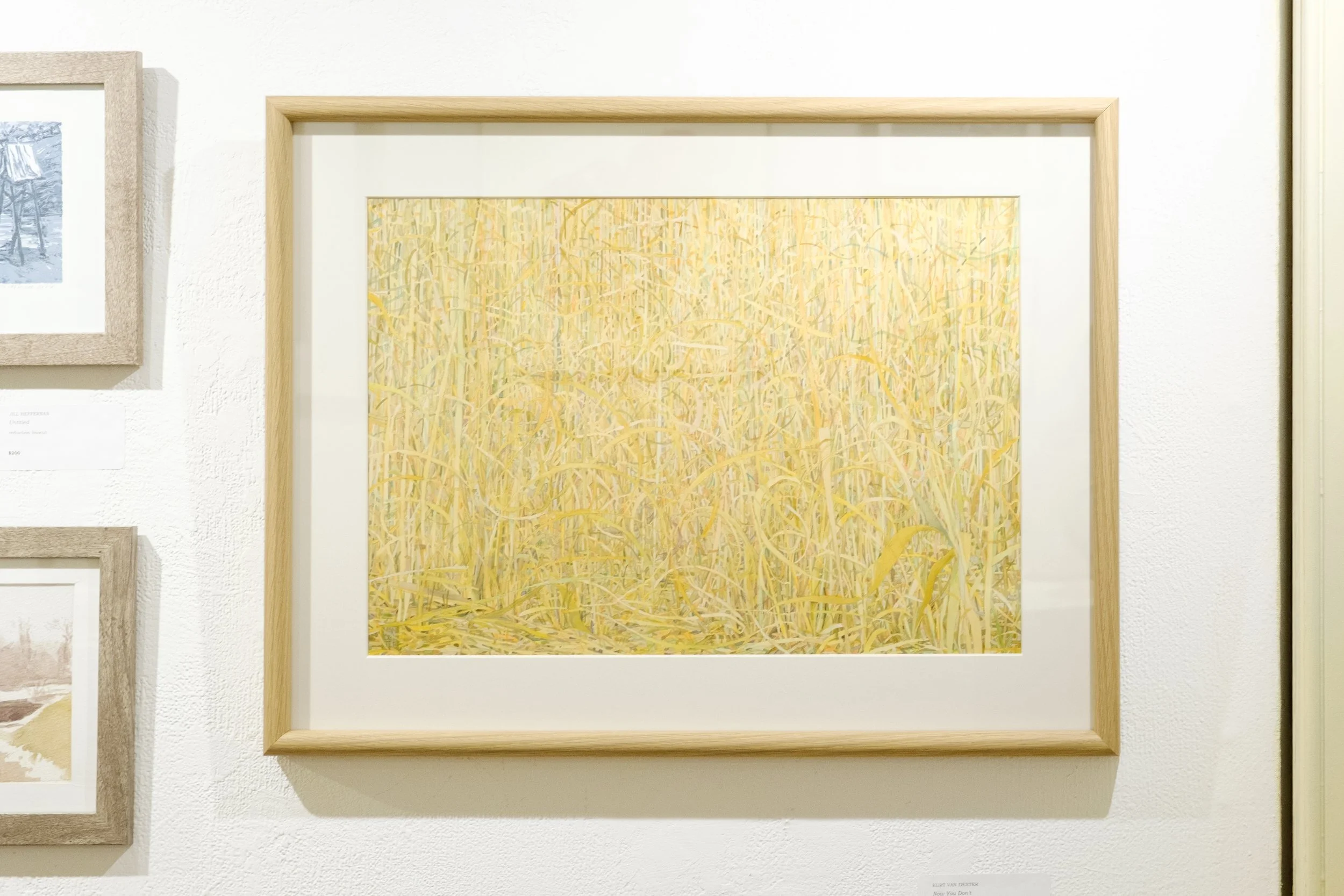
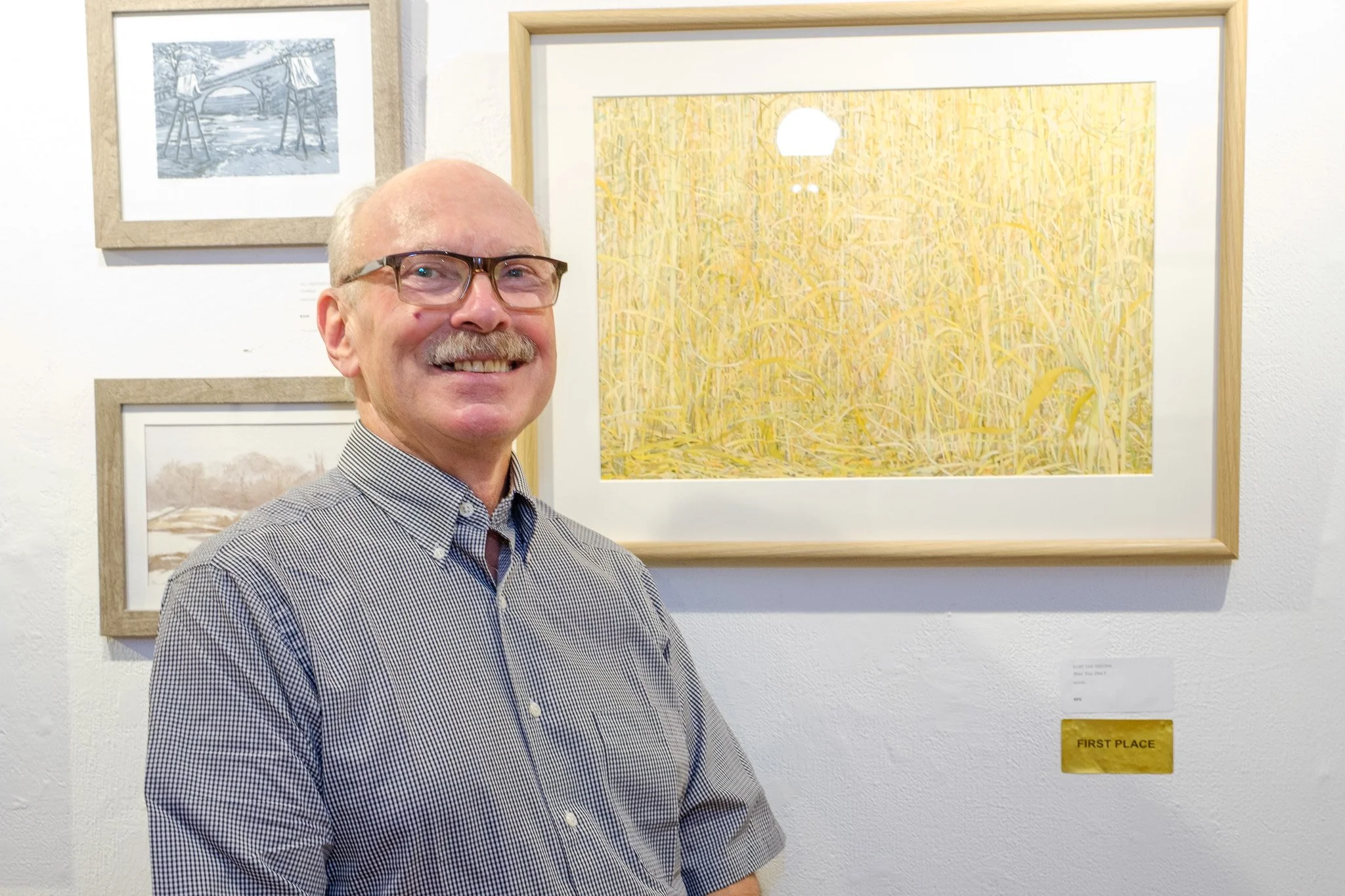
First Place
Kurt Van Dexter "Now You Don't"Second Place
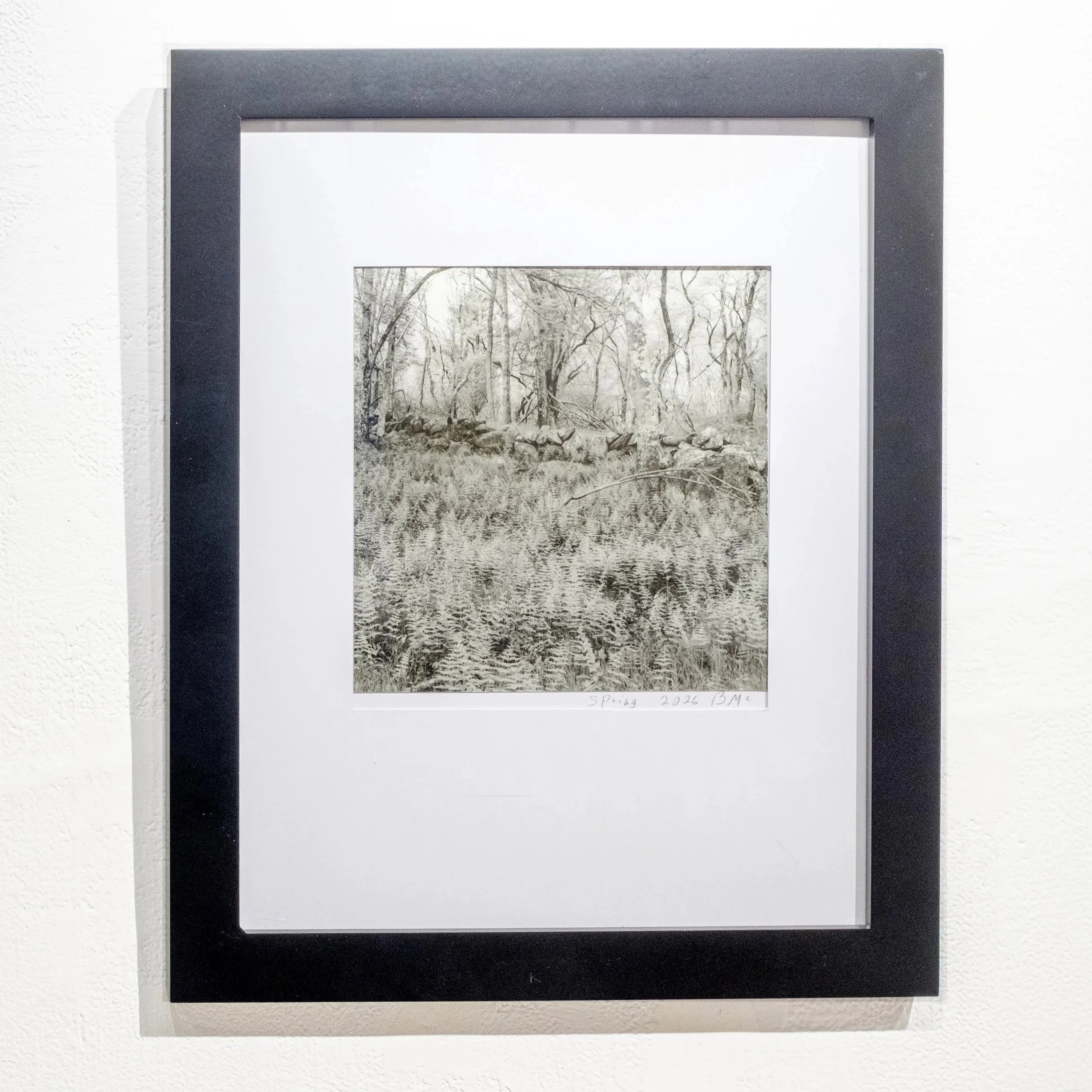
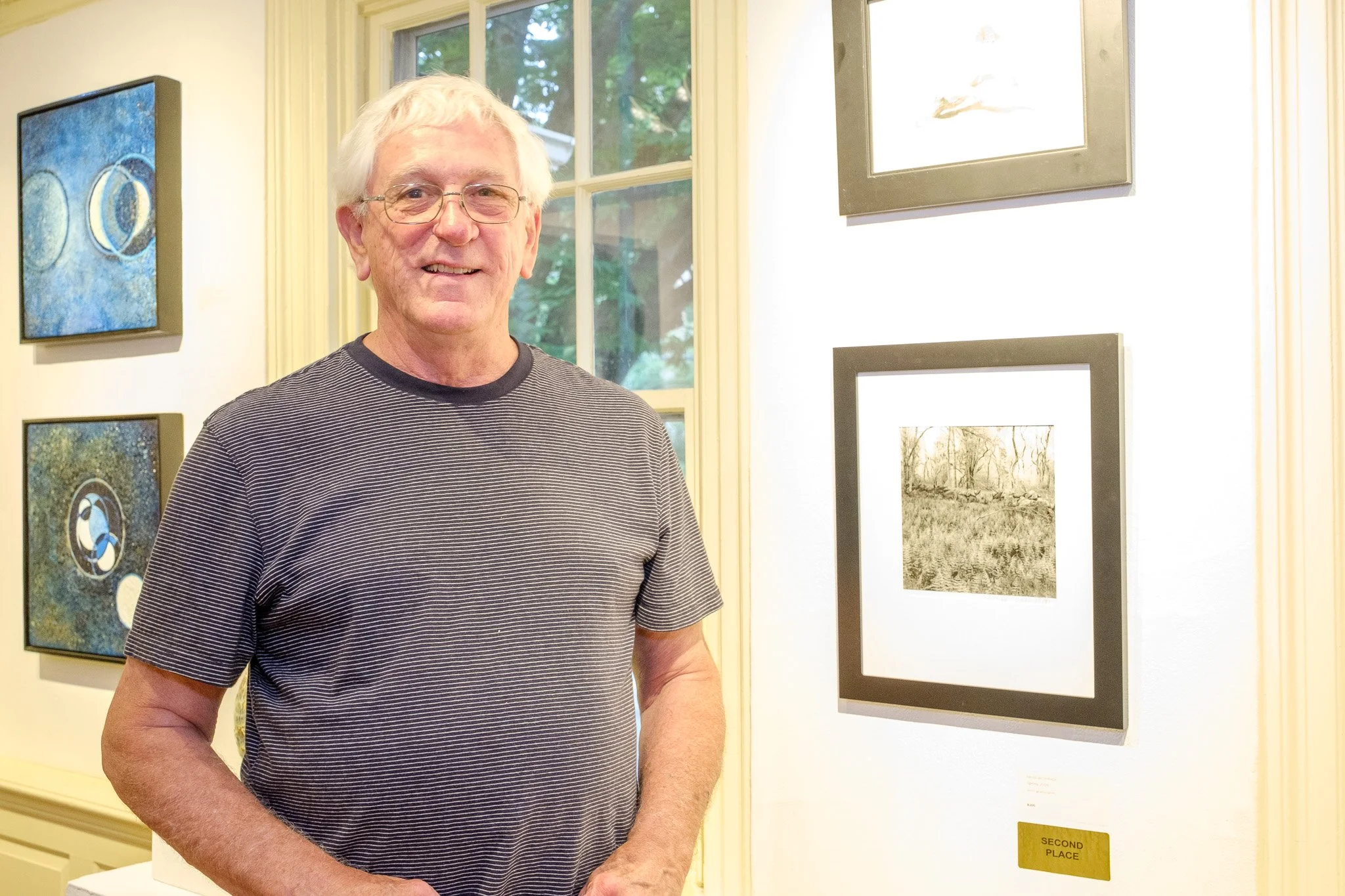
Brian McDonald "Spring 2026"Third Place
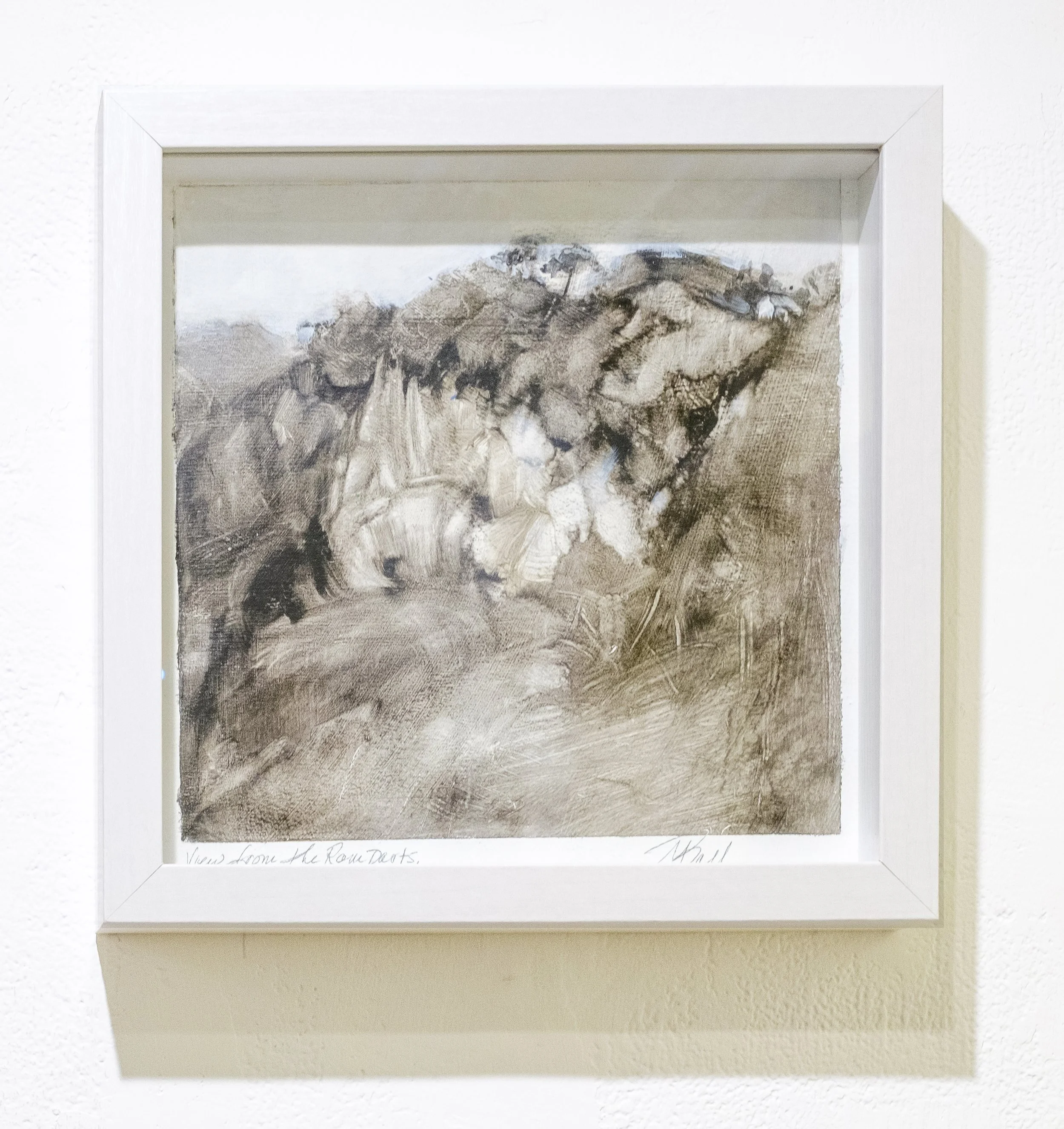
Marjorie Ball "View from the Ramparts" -
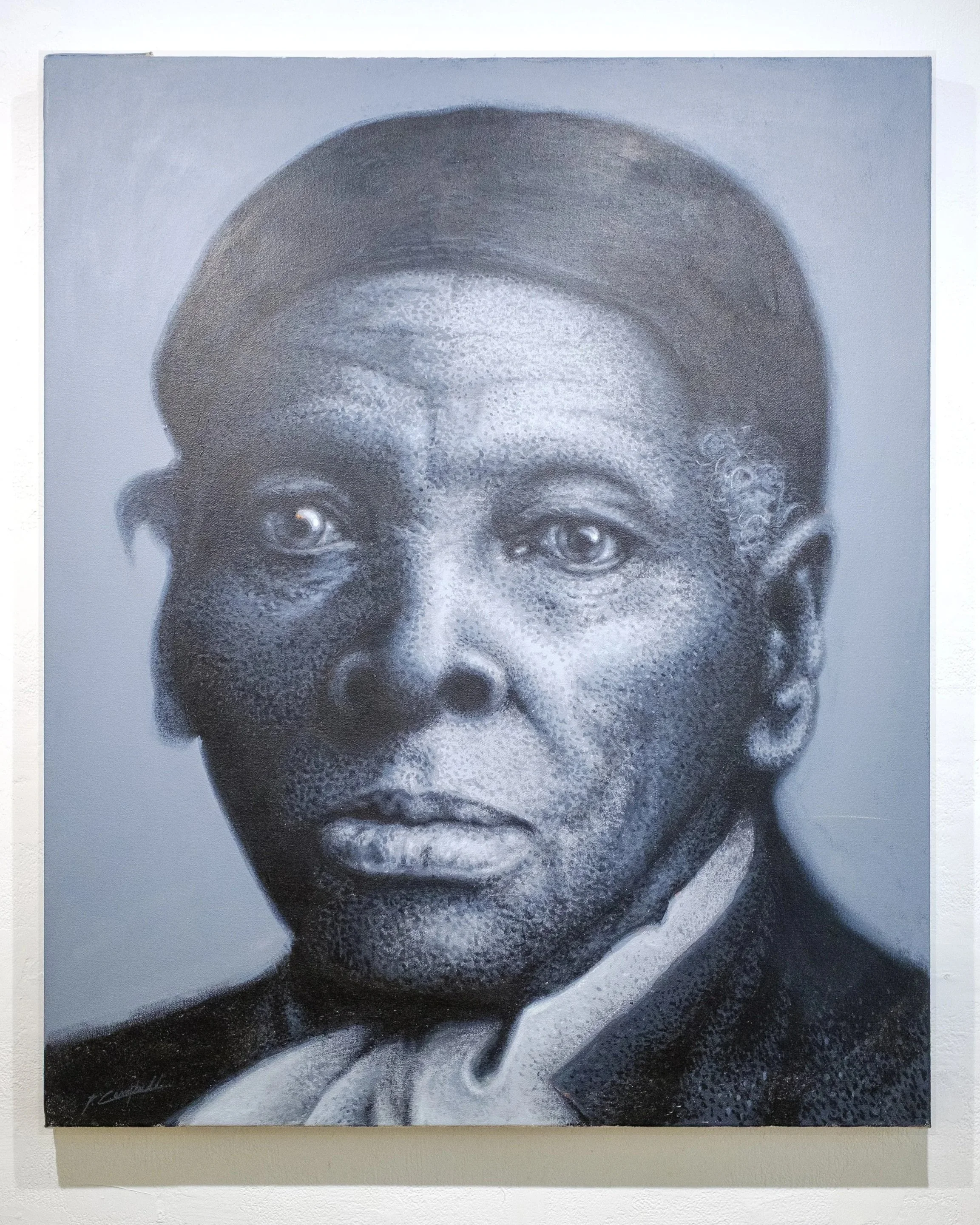
Peter Campbell "Portrait of Harriet Tubman"
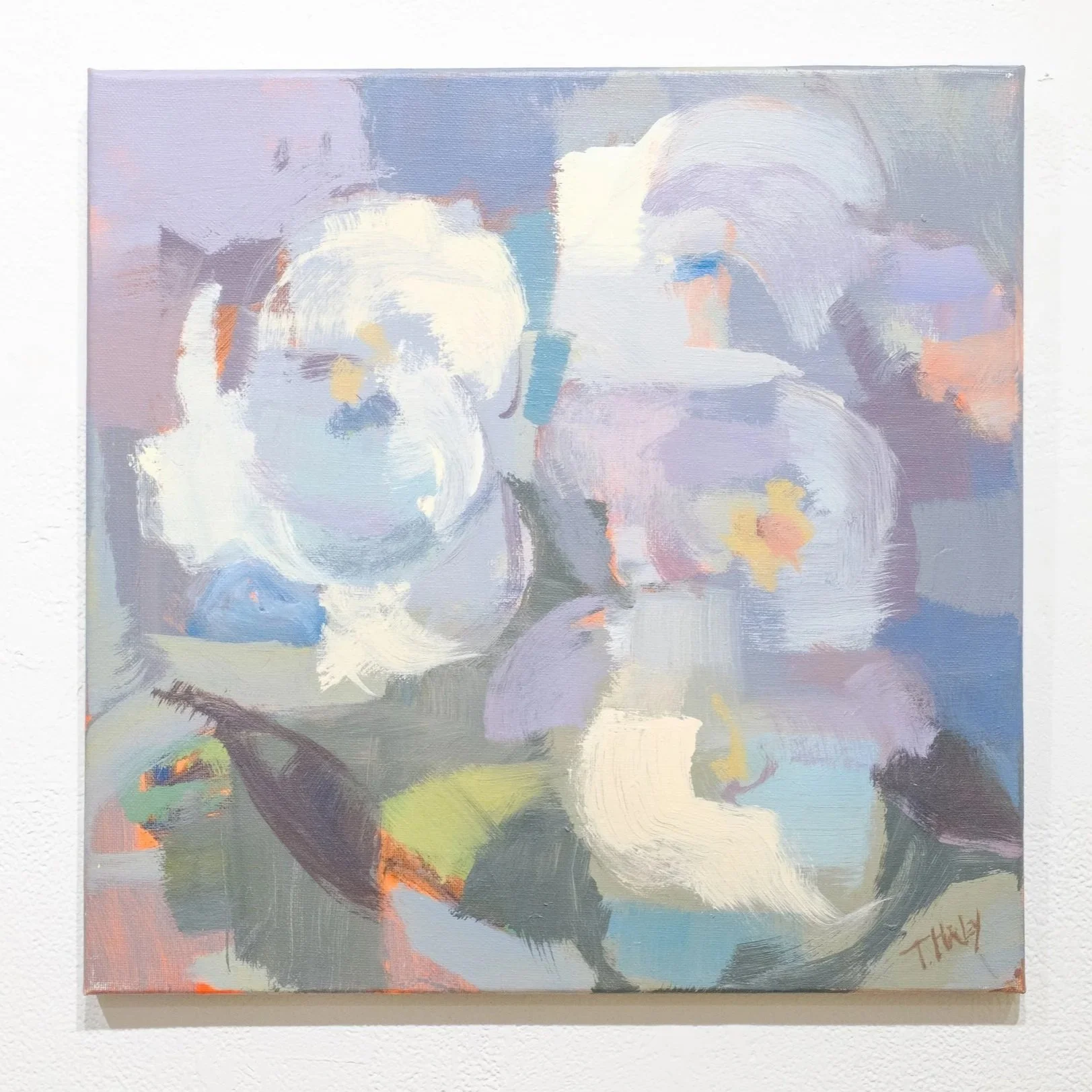
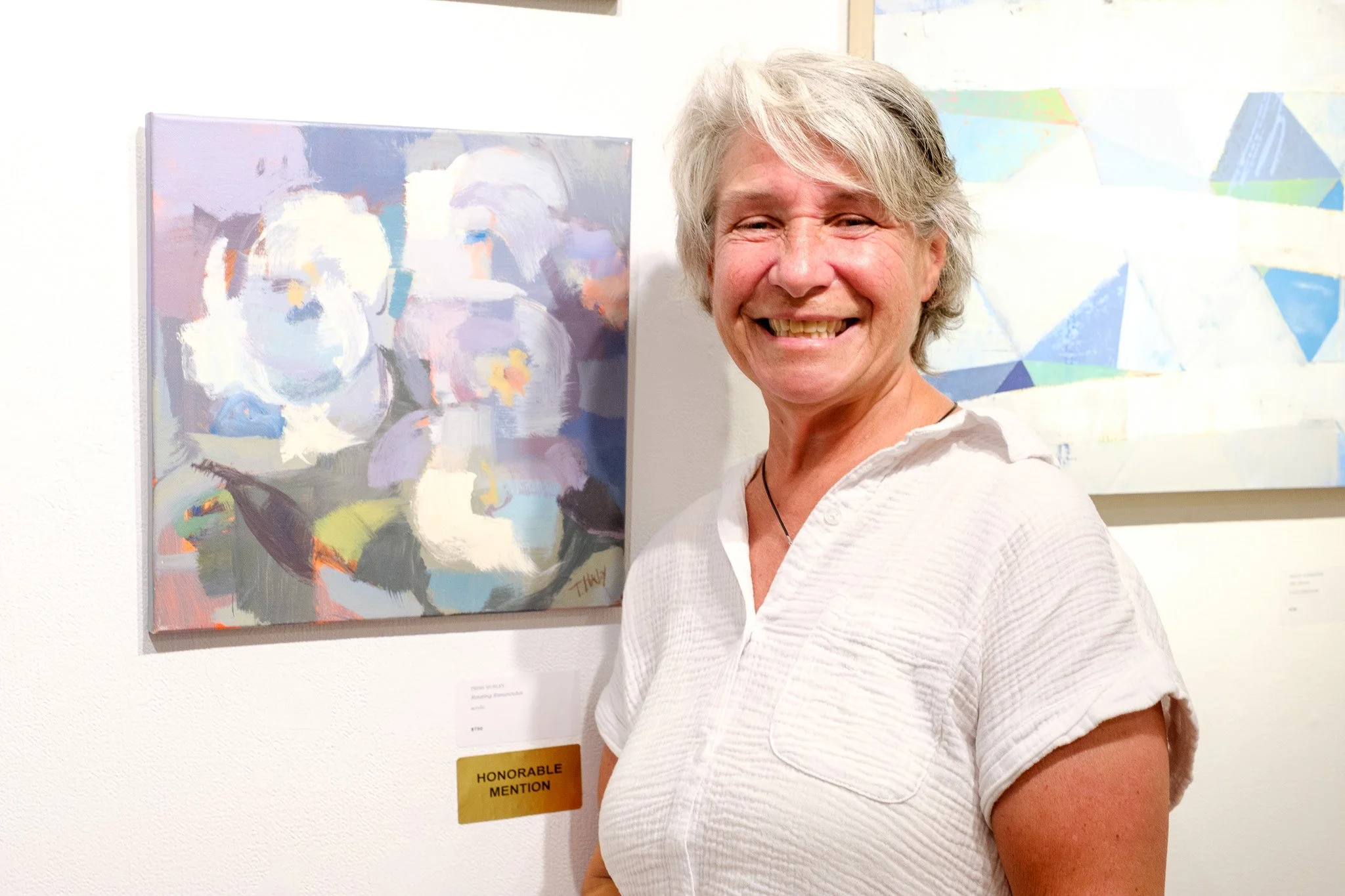
Trish Hurley "Rotating Ranunculus"
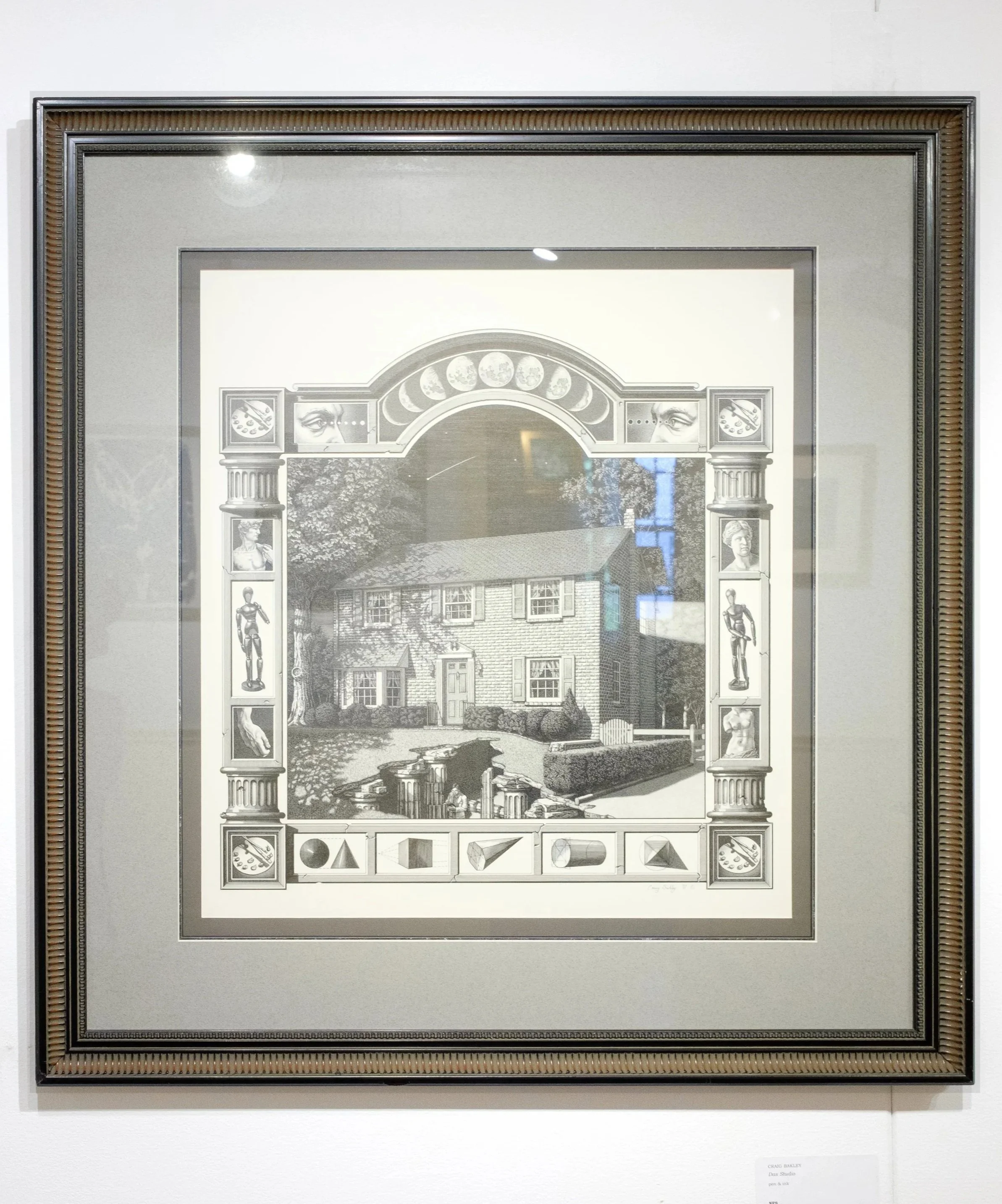
Craig Bakley "Das Studio"
-
Thank you to the SCAA community for the opportunity to jury this exciting exhibition. It was thrilling to witness the great abundance of effort, creativity and talent in the many excellent submitted works. I’d like to share the criteria I used when making my selections.
I first considered the theme - I simply rejected works that were not predominantly monochromatic, deeming them inappropriate for this show despite their merits. After this initial culling, my choices became a balancing act of weighing each work's strengths and weaknesses.
I doubled down on the theme and searched out works in which the limited palette significantly added to the impact of the piece - either to the mood, the meaning, or the interpretation of the work.
I valued an artist’s deep understanding of their chosen medium. Is the artist demonstrating skill and experience? A willingness to experiment and push boundaries?
I valued effective composition. Has the artist created an engaging visual experience?
If appropriate, I considered content and subject matter. Is the subject matter thoughtfully chosen? Is it original? Am I learning something new? Is there insight? Humor?
I valued human creativity. Am I surprised? Have I seen this before? How influenced is this work by a computer or machine process?
Lastly, I valued diversity and wanted to build a show that demonstrated the full range of media and subject matter represented in the submissions.
Not all of the work that I selected fully met all of my criteria, but each work has at least one, and often several, special qualities that caused that particular piece to stand out for me. Congratulations to all the artists!
Thank you for collectively illuminating “life in monochrome” and the potential of a limited color palette.
- Susie Matthews
-
![Kurt Van Dexter]()
First Place
Kurt Van Dexter
Now You Don't -
![Kurt Van Dexter]()
Kurt Van Dexter
Kurt Van Dexter
Now You Don't -
![Brian McDonald]()
Second Place
Brian McDonald
Spring 2026 -
![Brian McDonald]()
Brian McDonald
Brian McDonald
Spring 2026 -
![Marjorie Ball]()
Third Place
Marjorie Ball
View from the Ramparts -
![Craig Bakley]()
Honorable Mention
Craig Bakley
Das Studio -
![Peter Campbell]()
Honorable Mention
Peter Campbell
Portrait of Harriet Tubman -
![Trish Hurley]()
Honorable Mention
Trish Hurley
Rotating Ranunculus -
![Trish Hurley]()
Trish Hurley
Description goes here
scroll to view our photo gallery
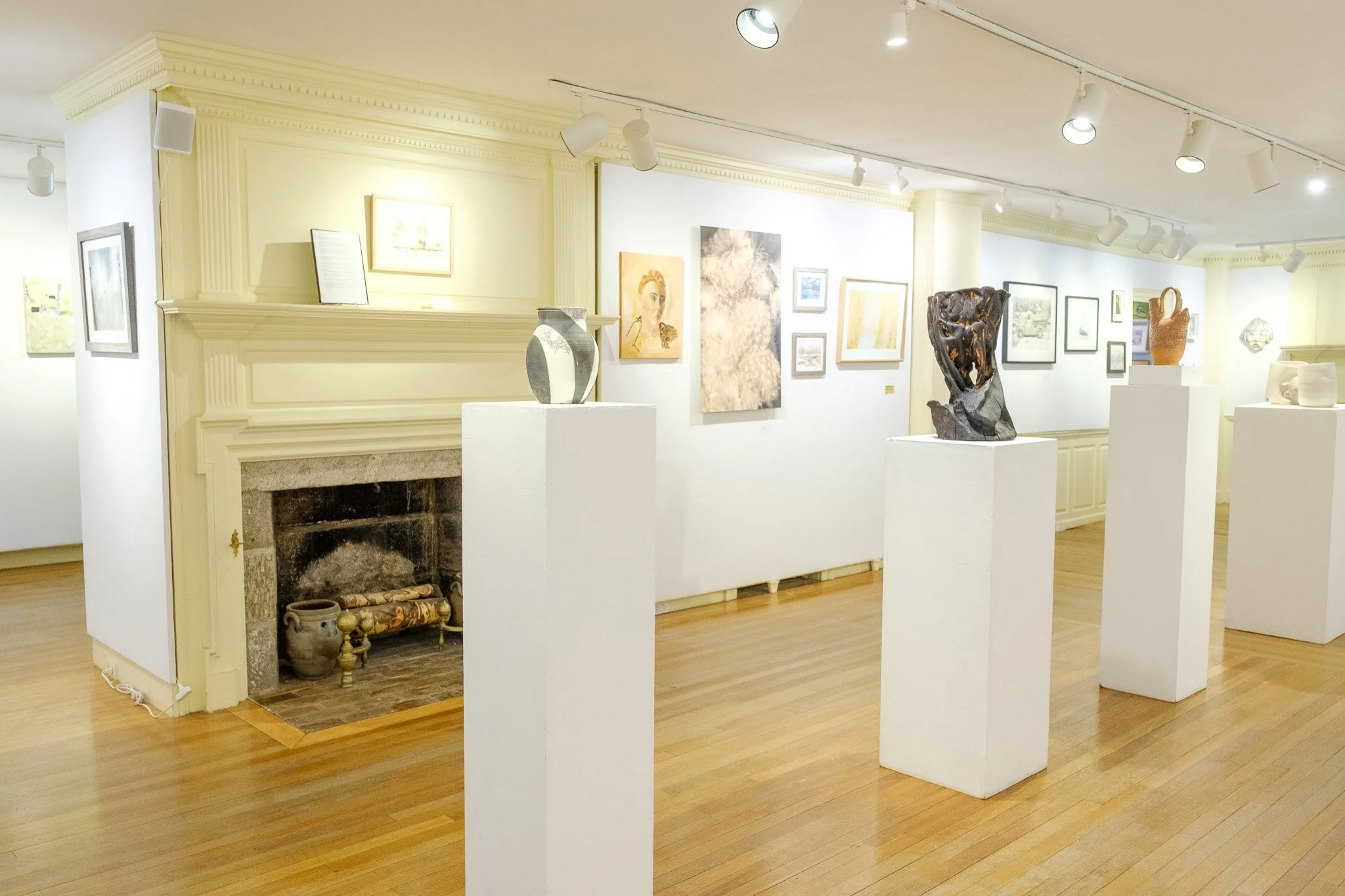
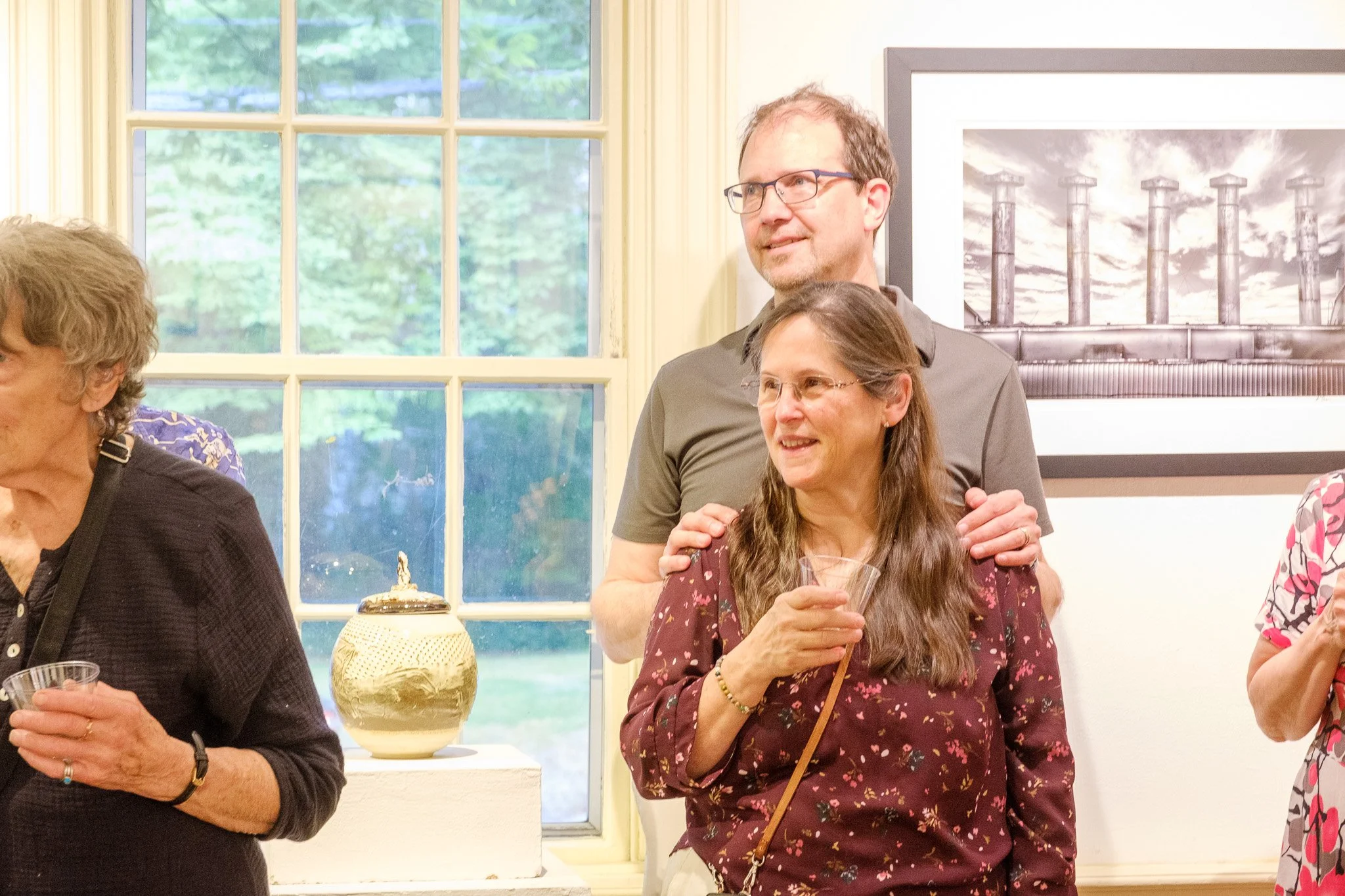
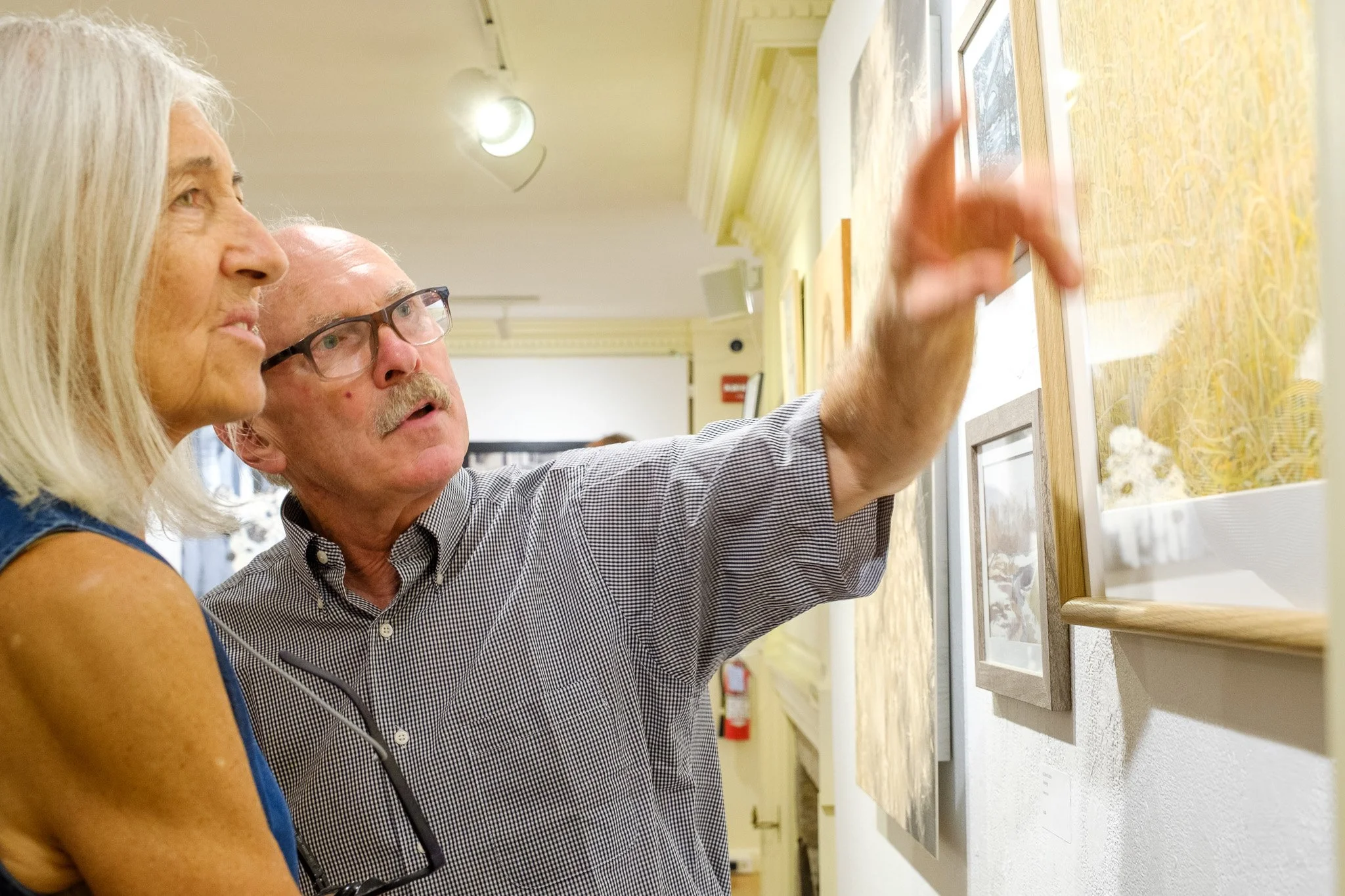
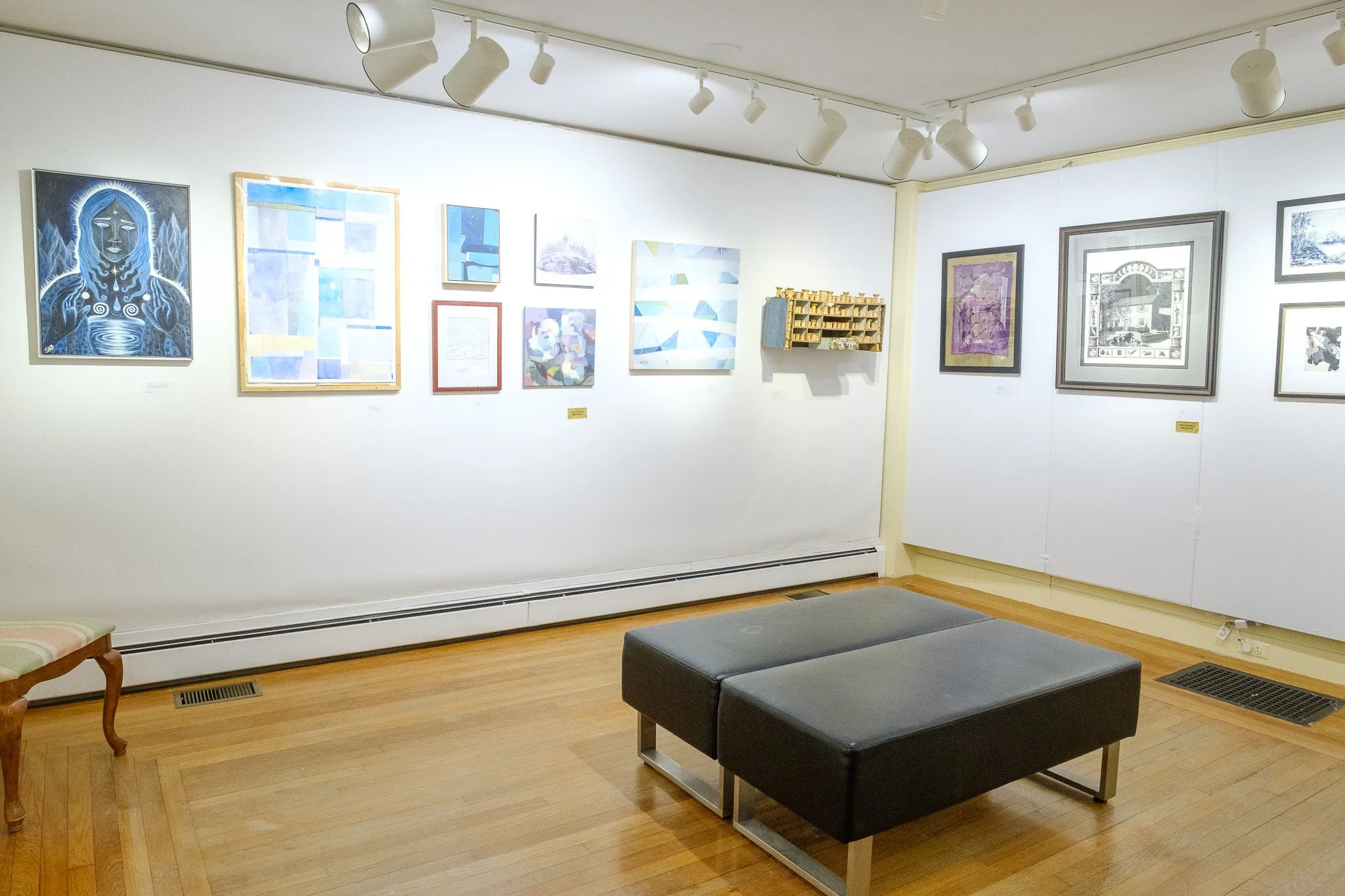
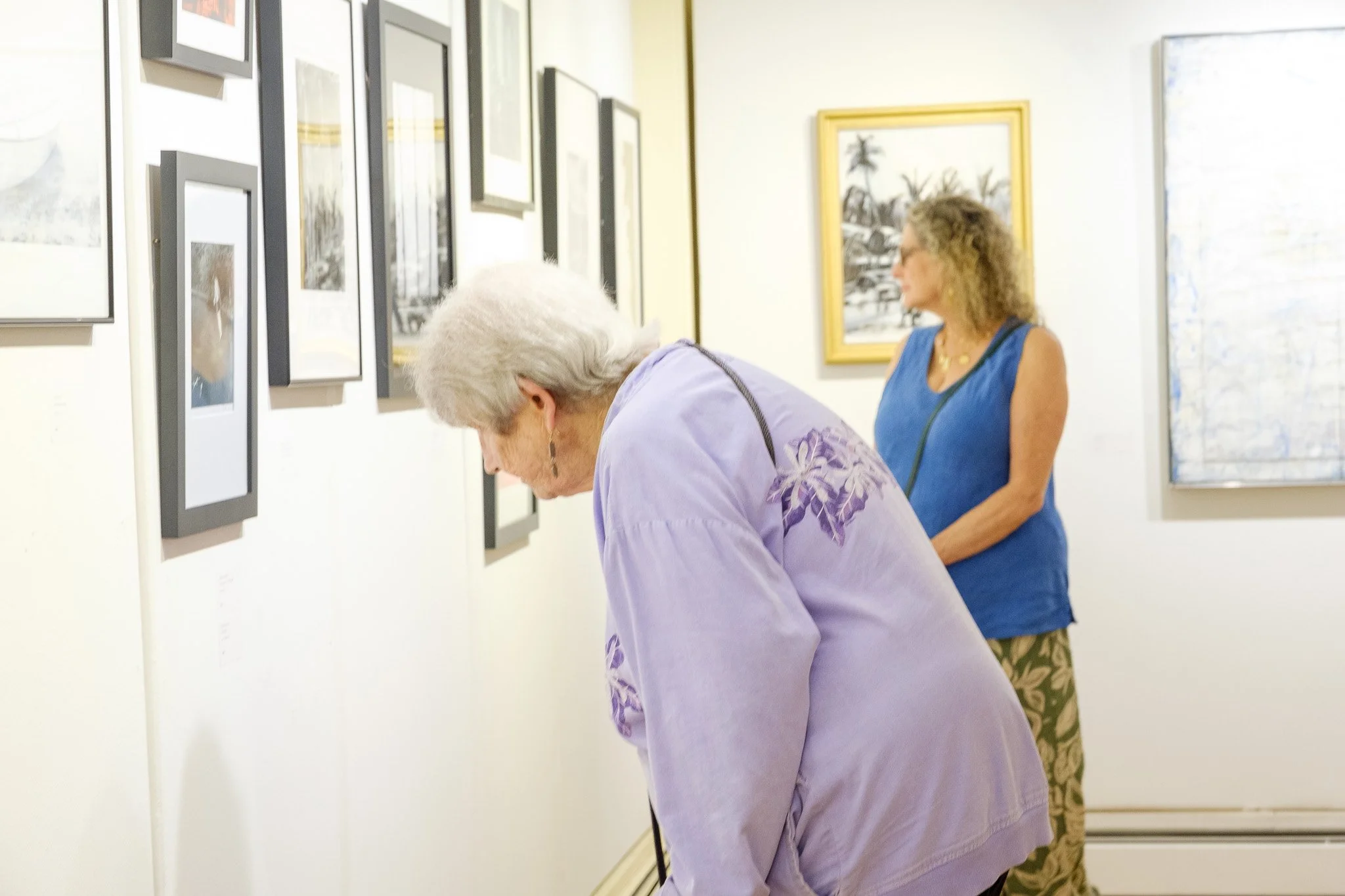
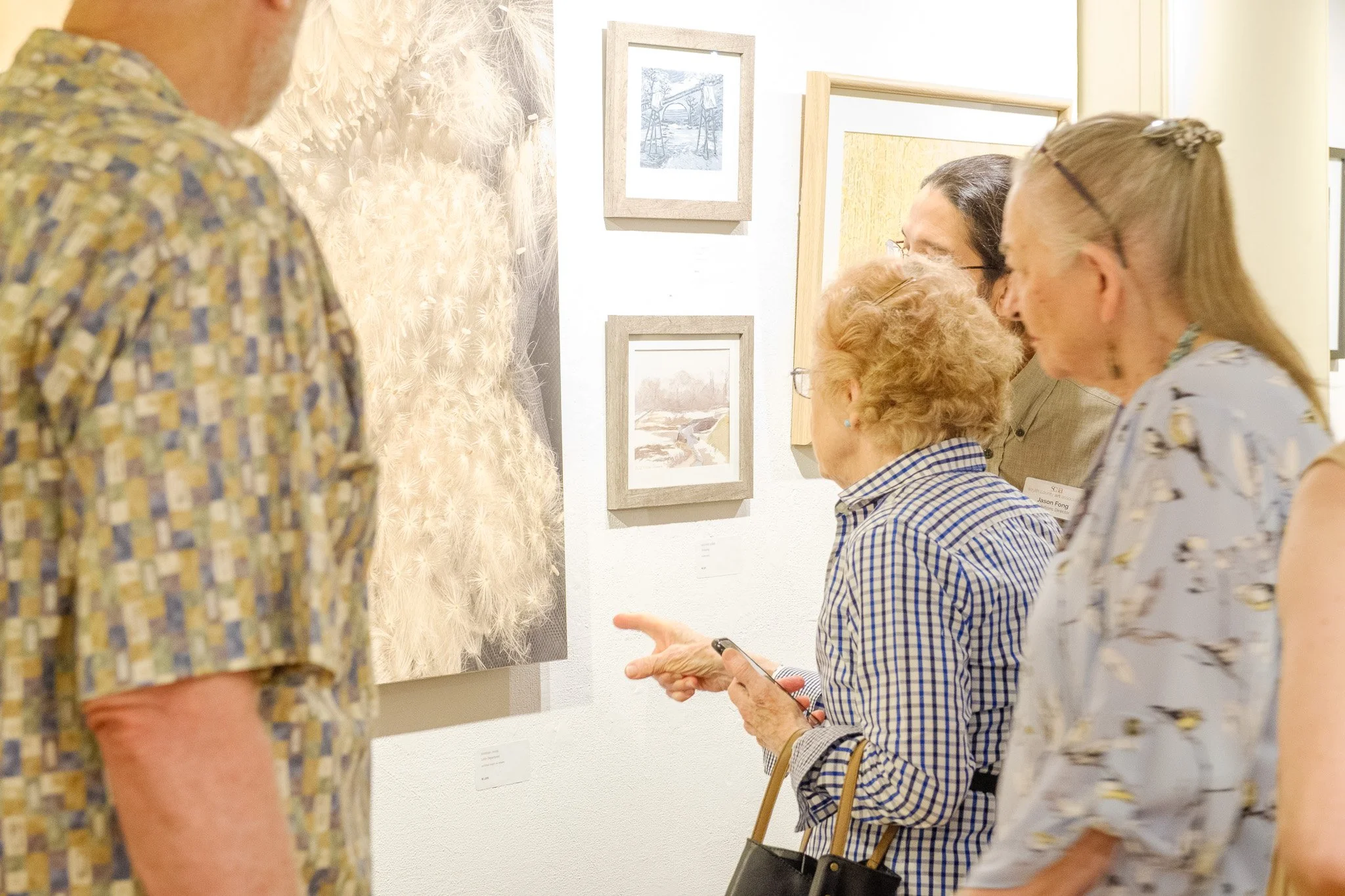
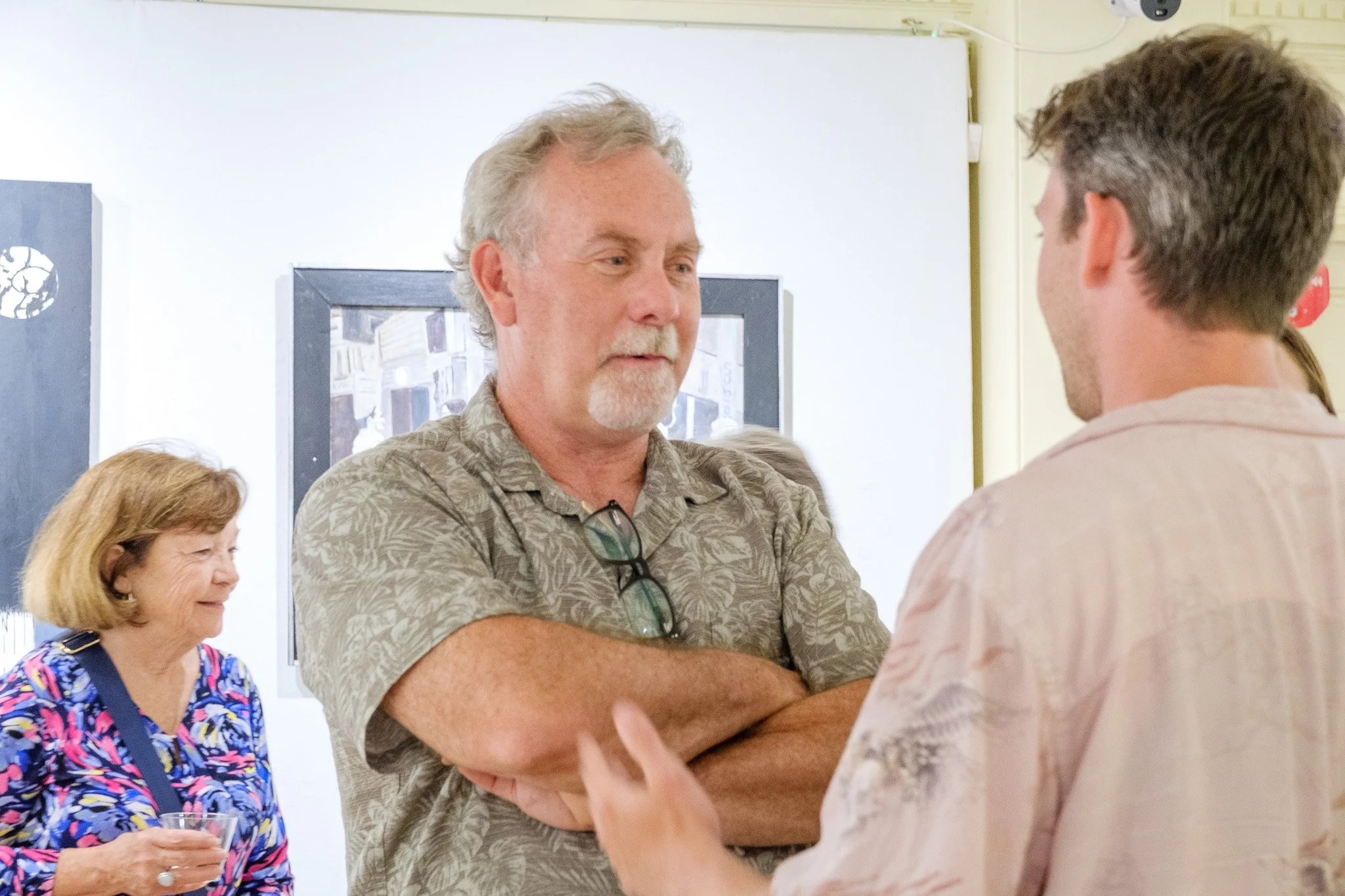
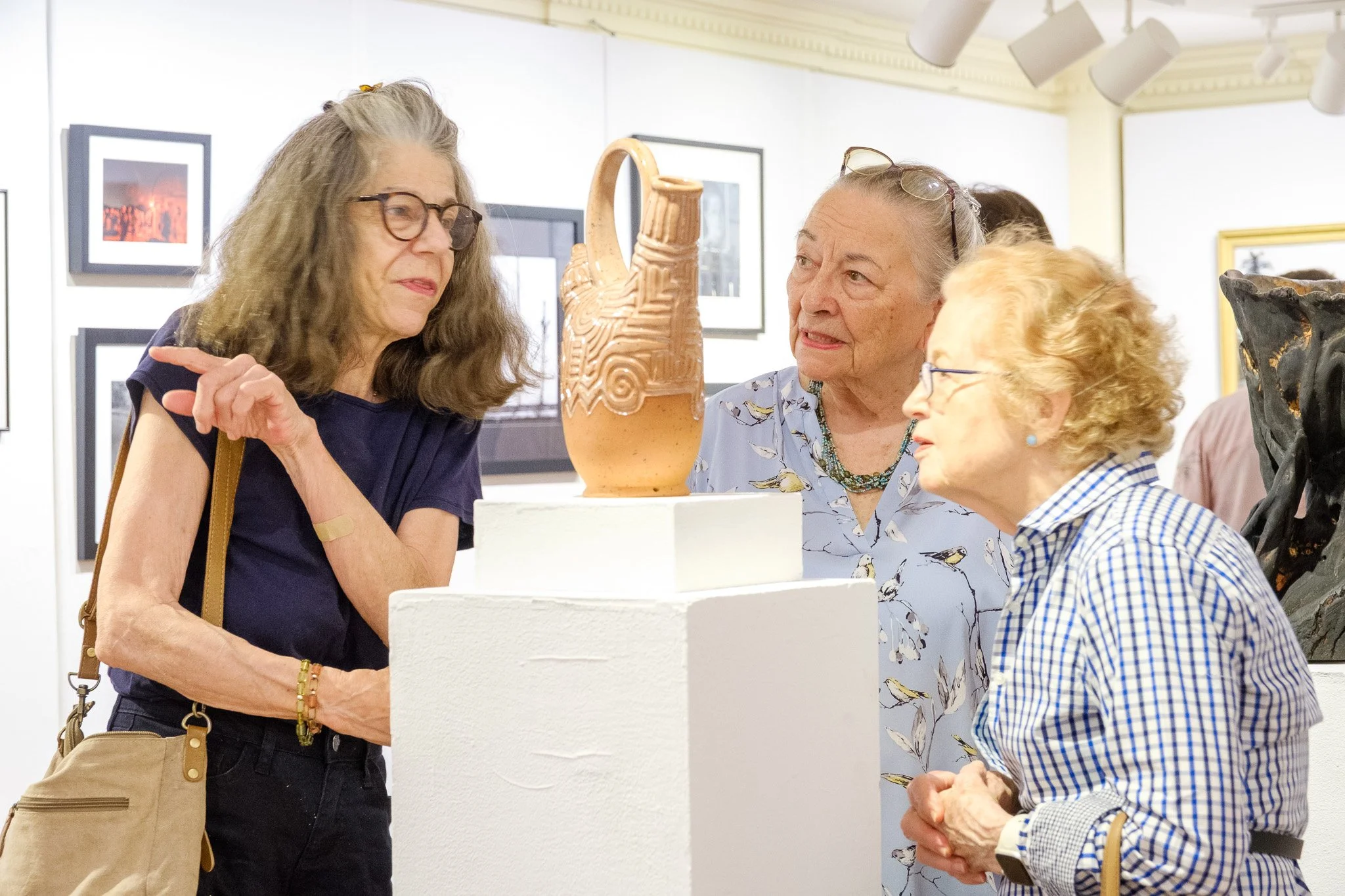
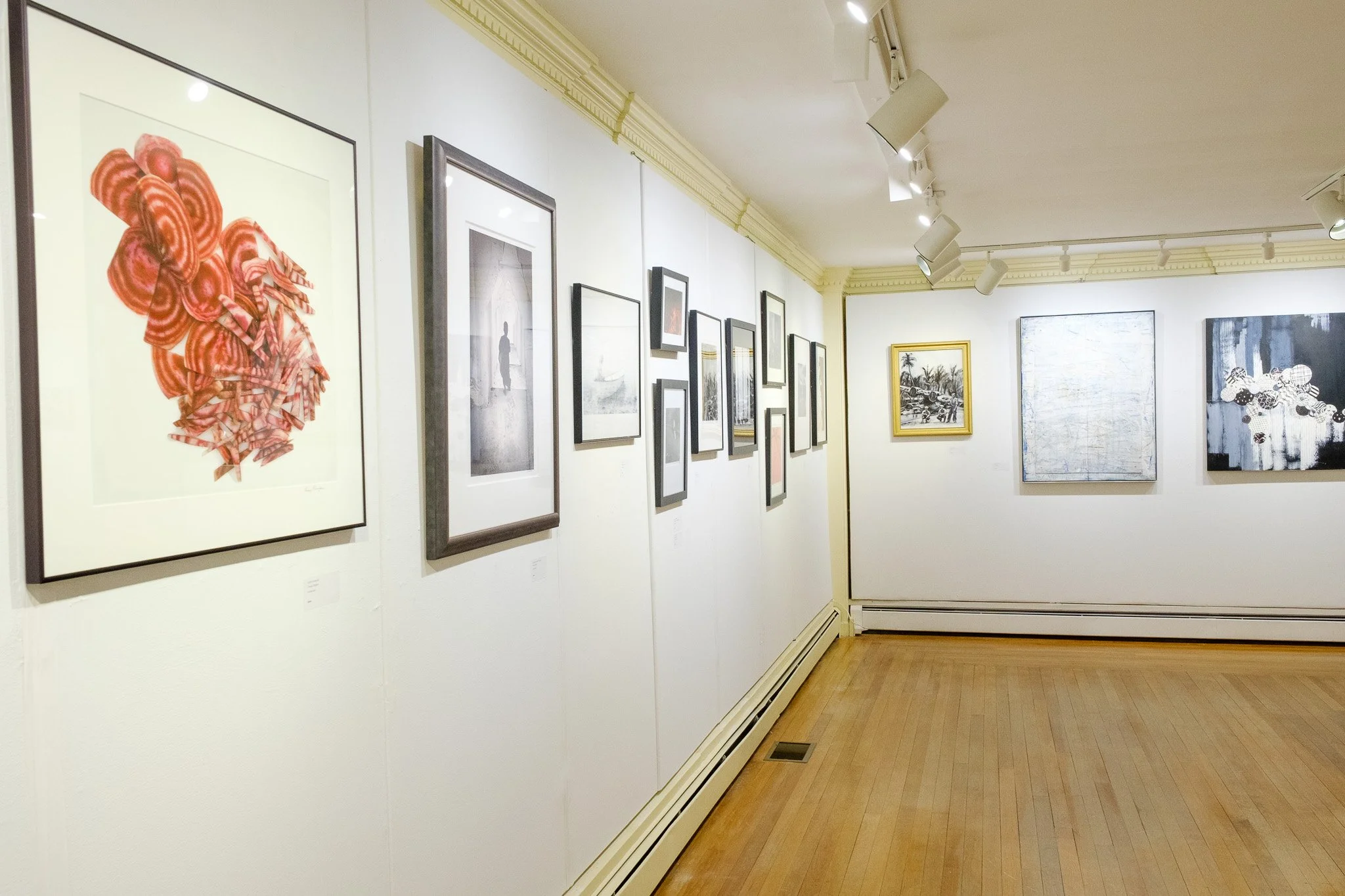
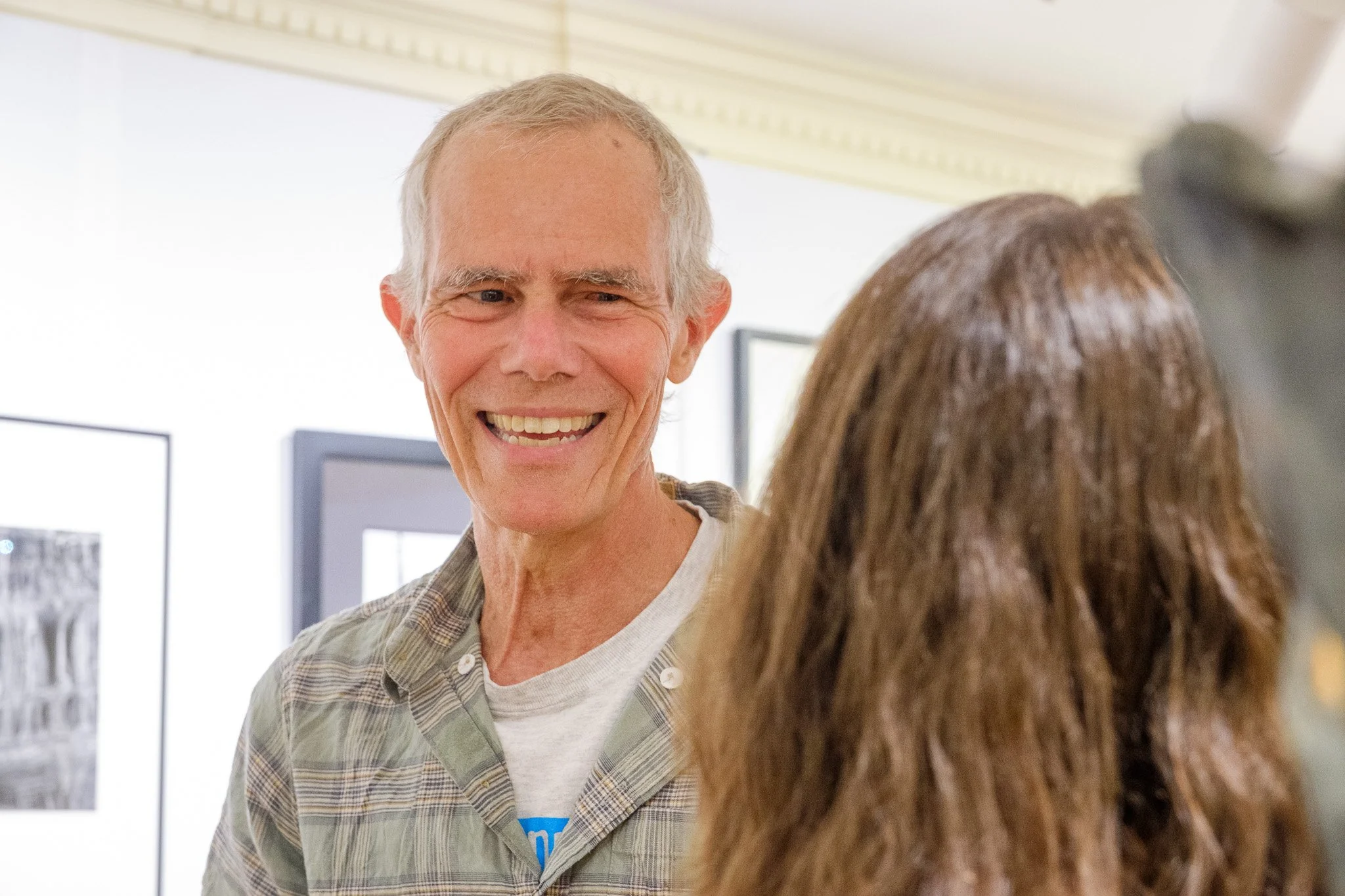
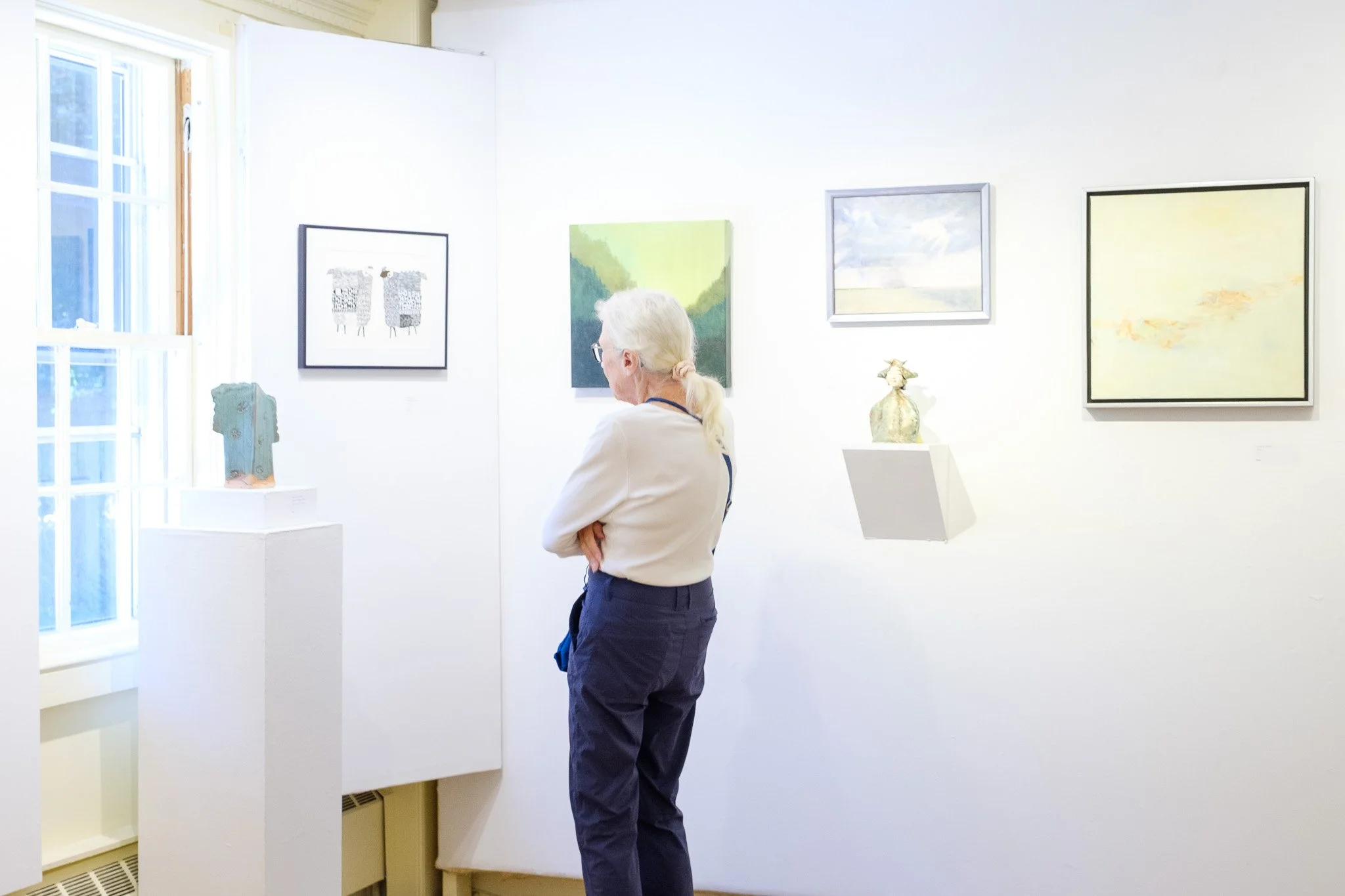
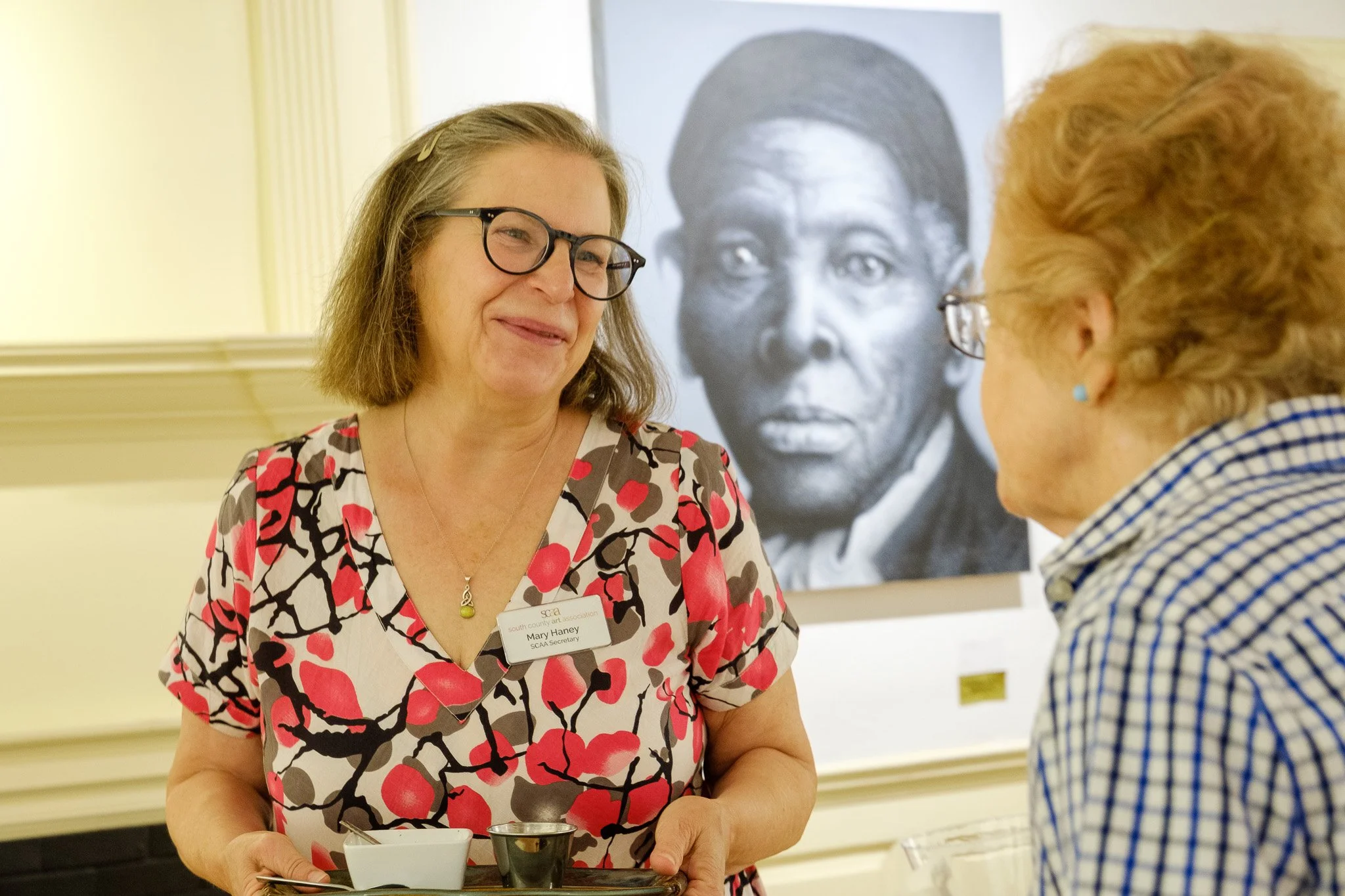
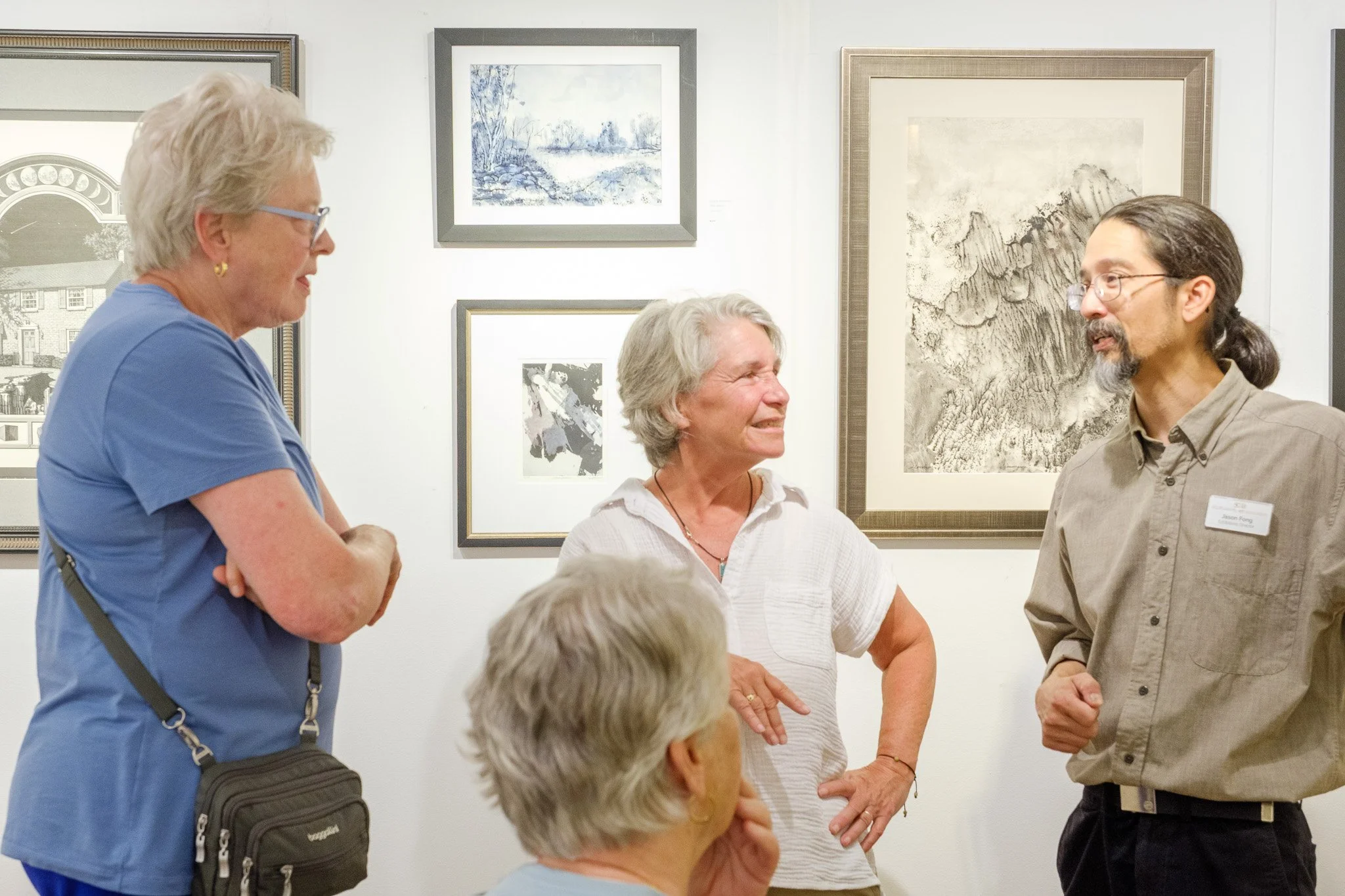
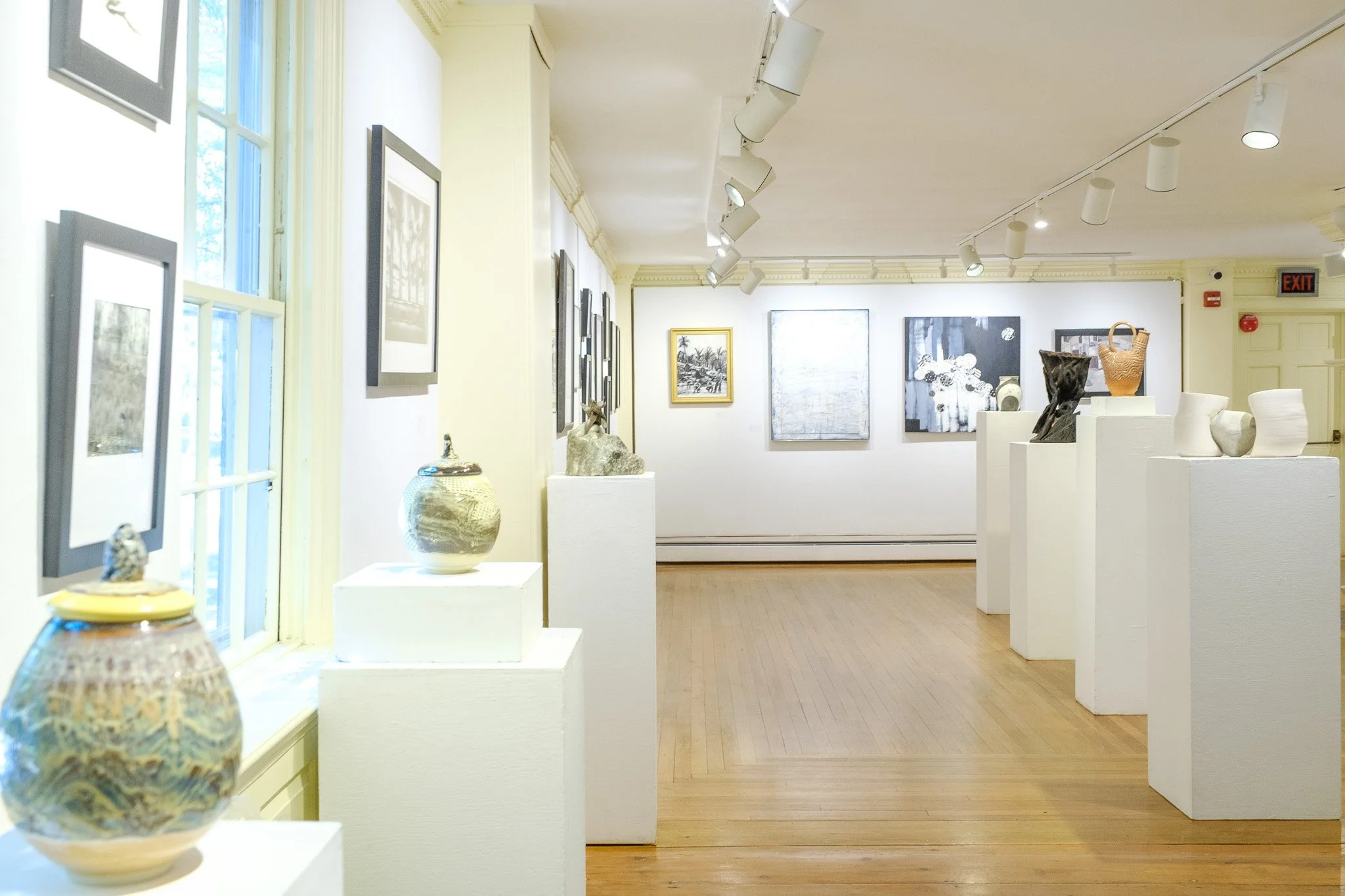
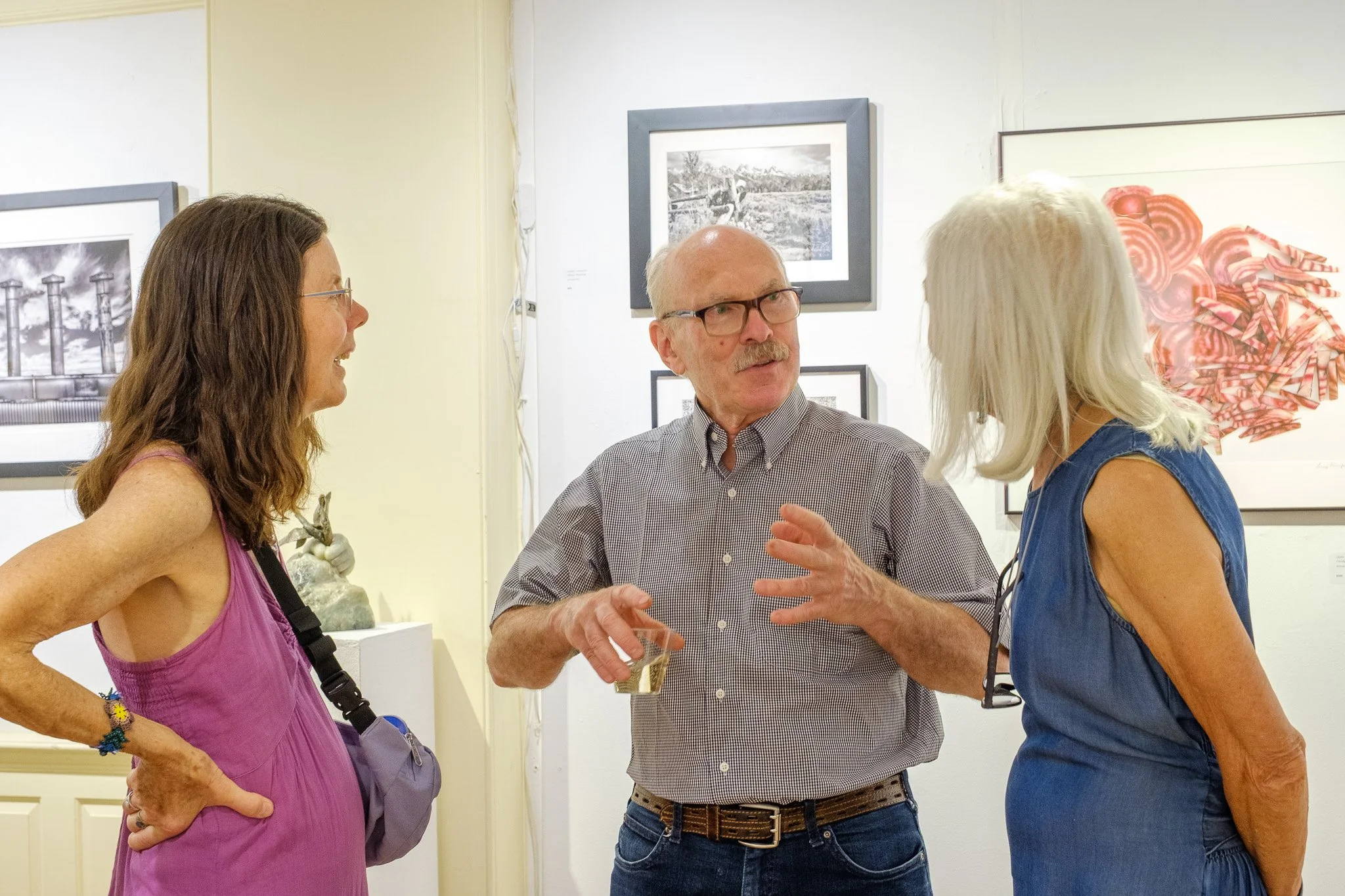
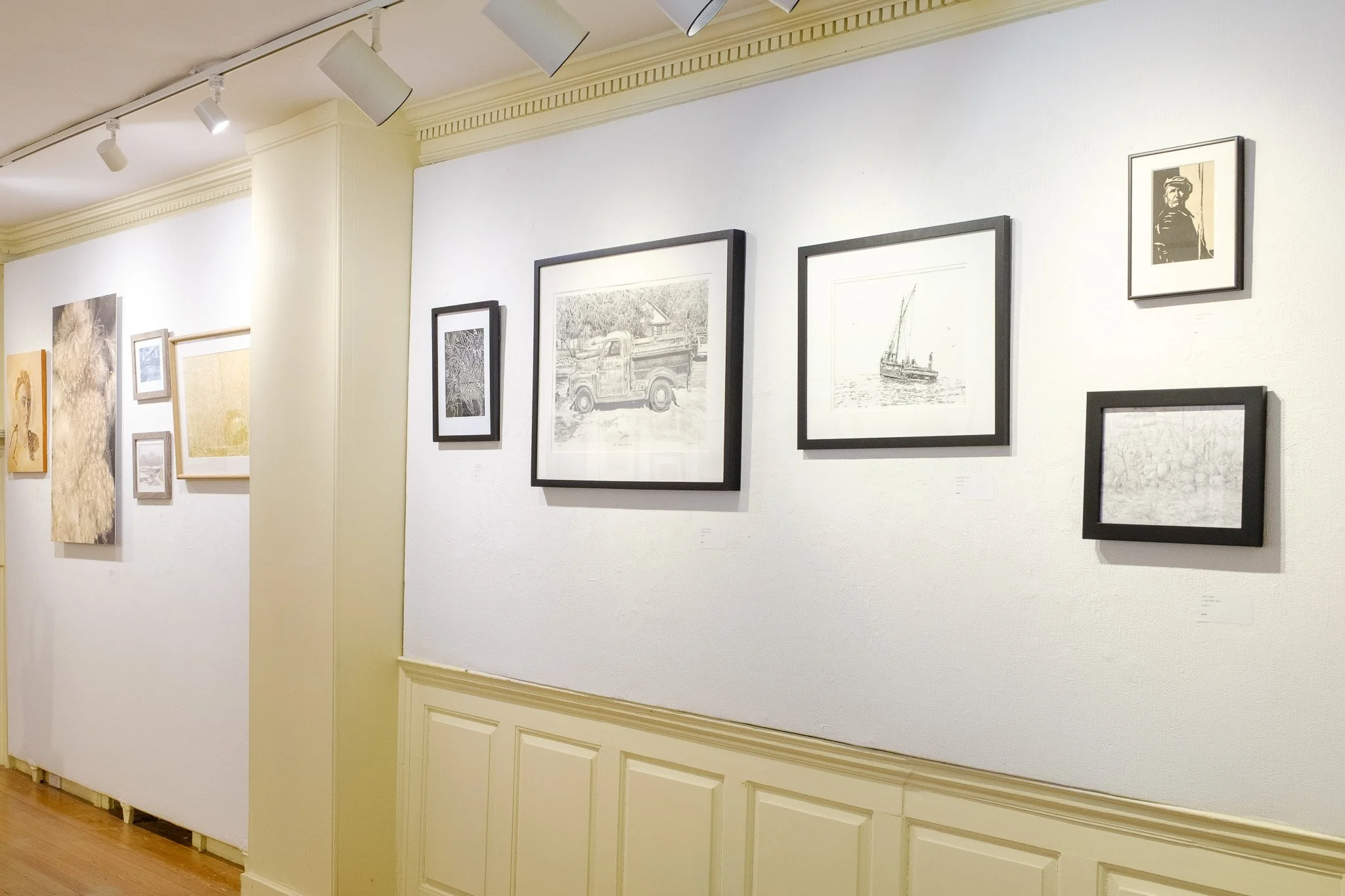
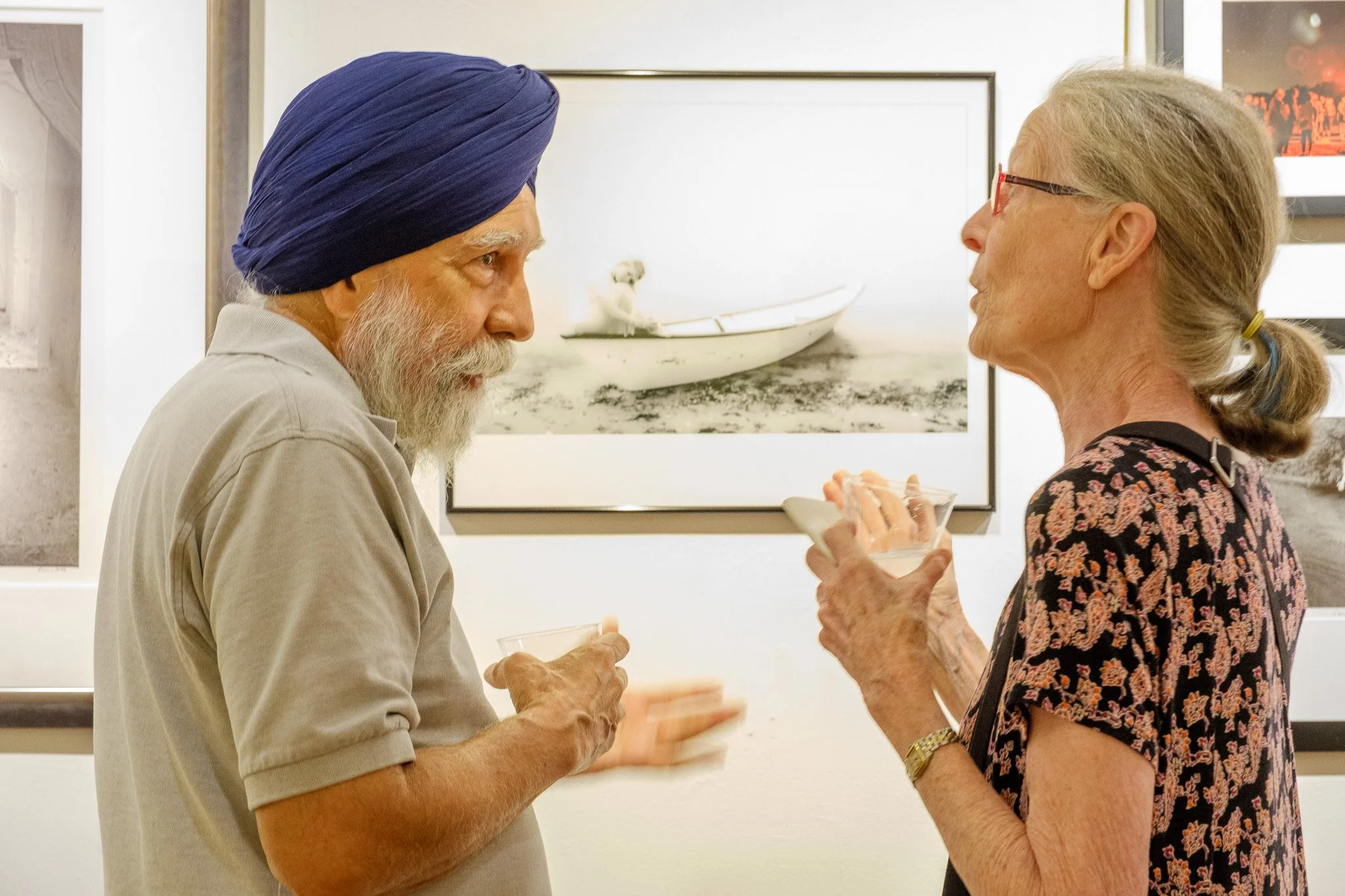
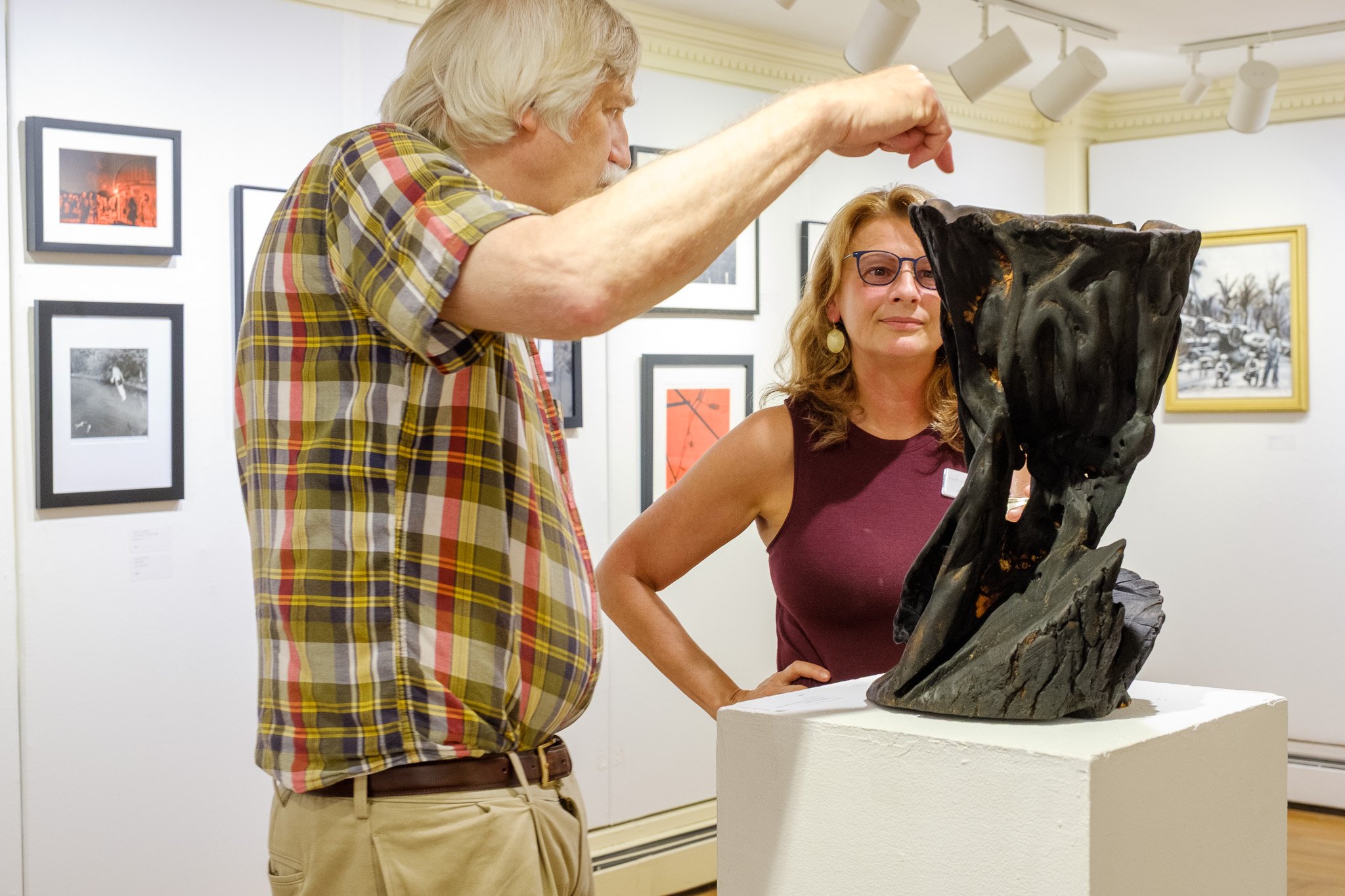
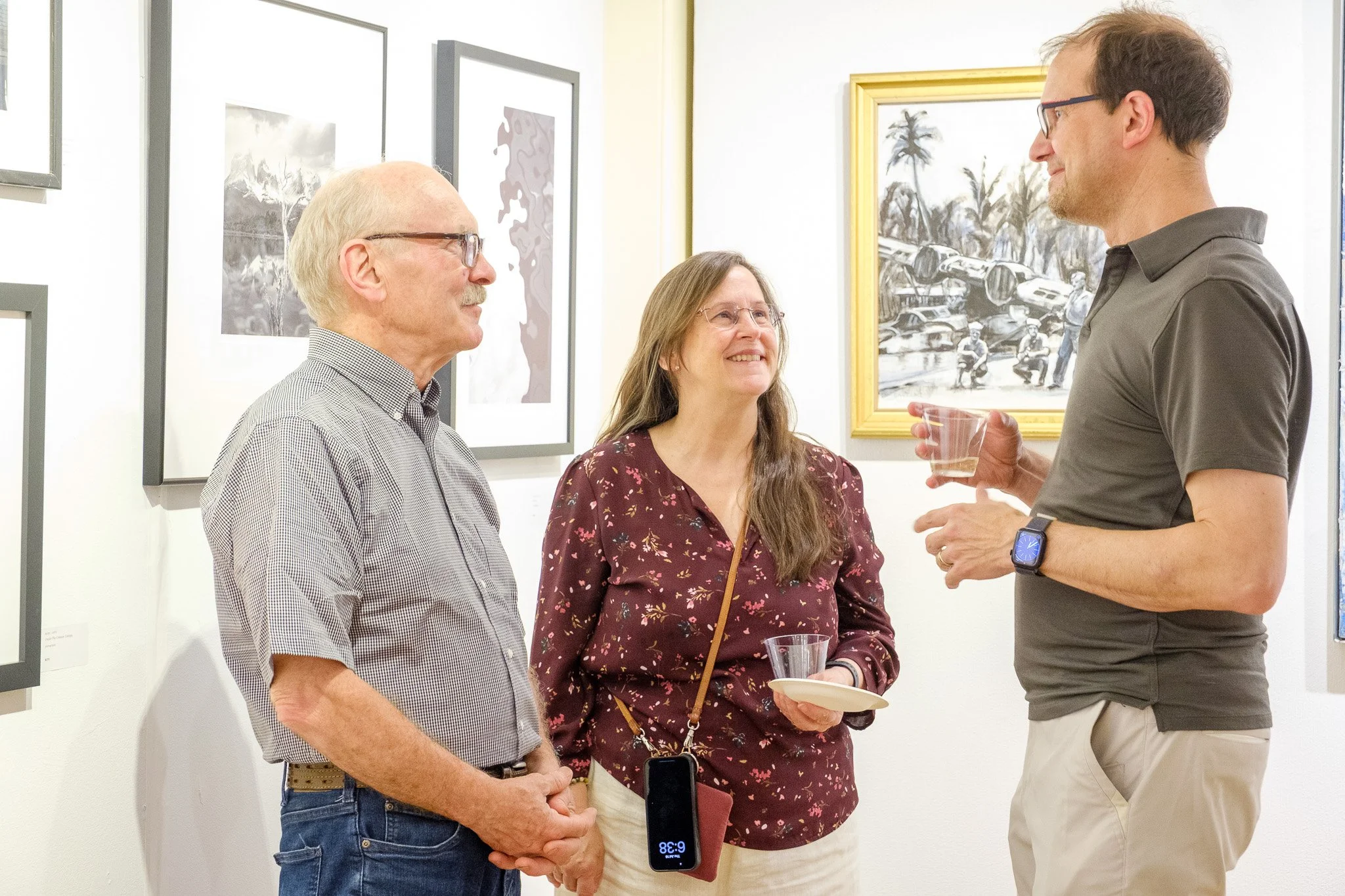
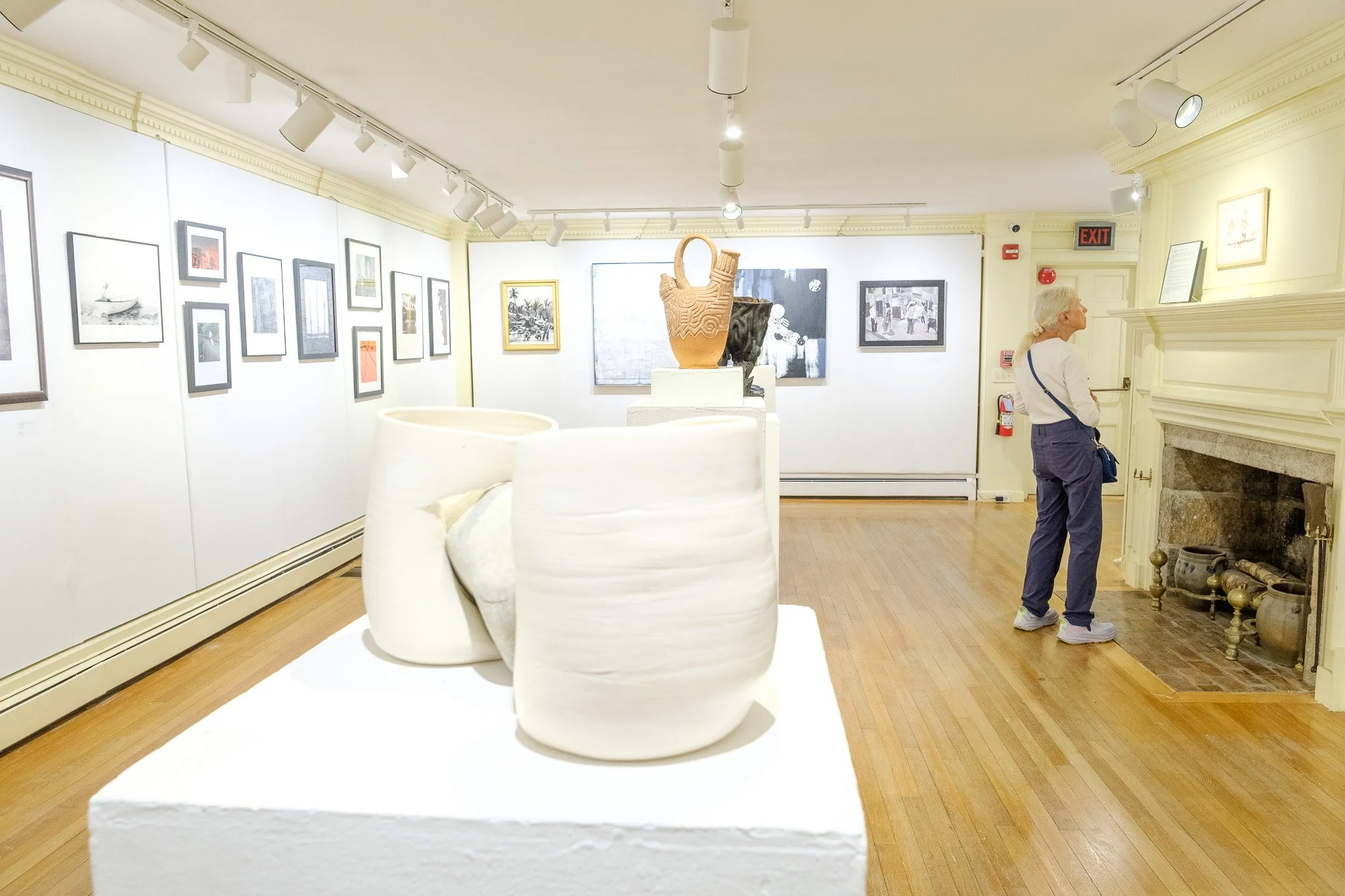
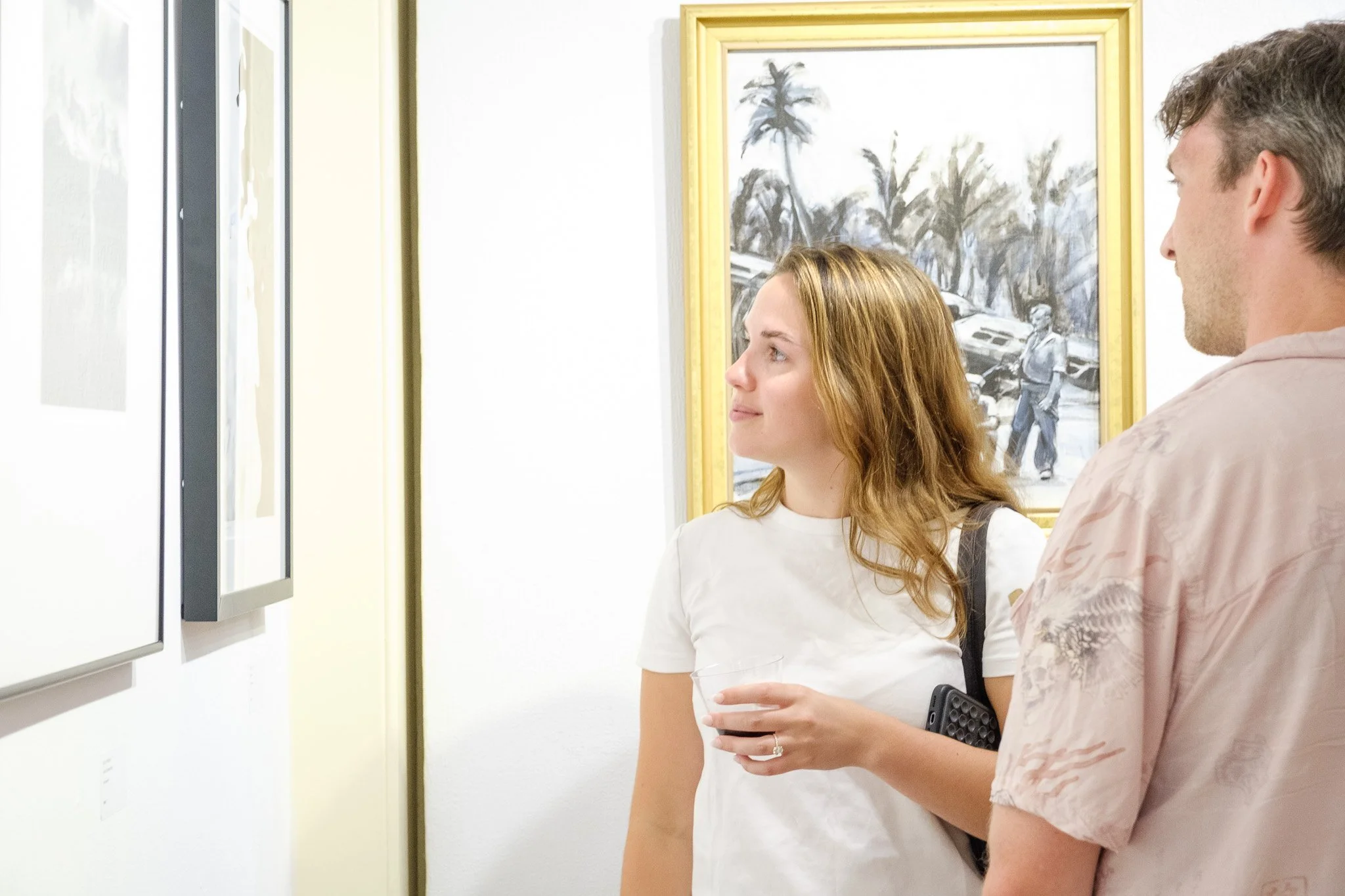
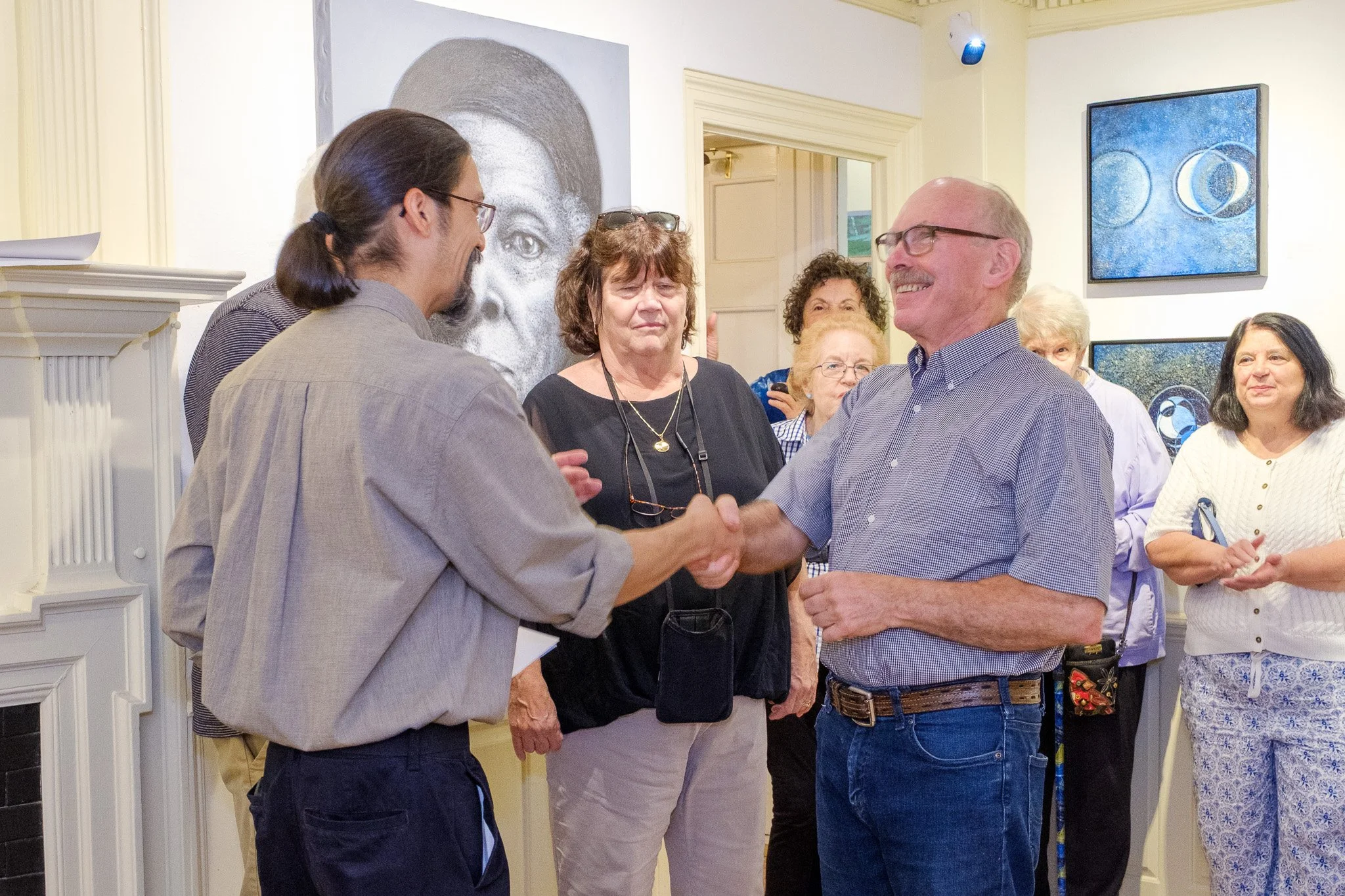
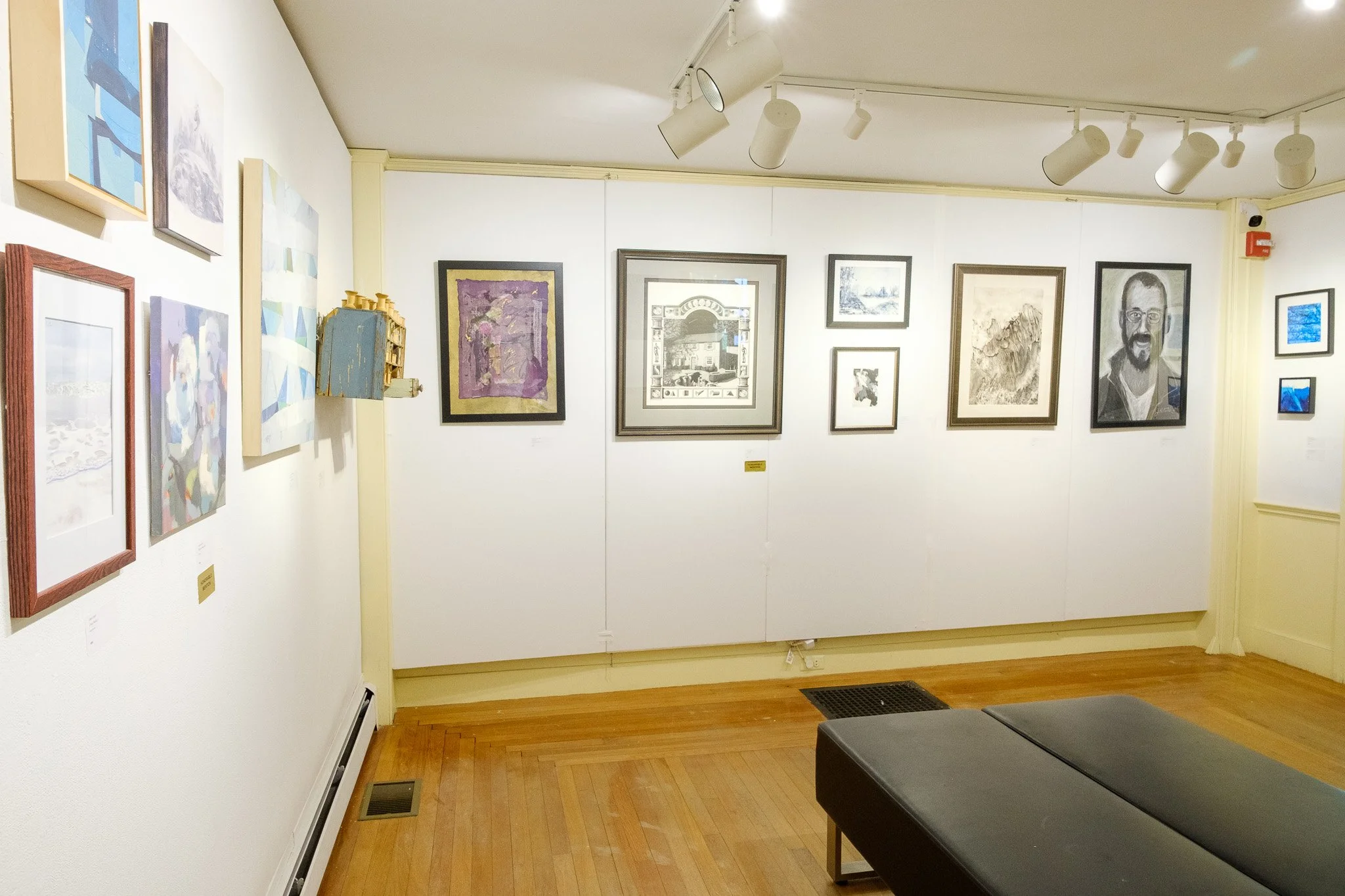
99th Members Annual Exhibition
June 20 – July 11
An exhibition of member artwork, celebrating our creative community.
Helme House gallery hours
Wednesday - Sunday 1-5pm
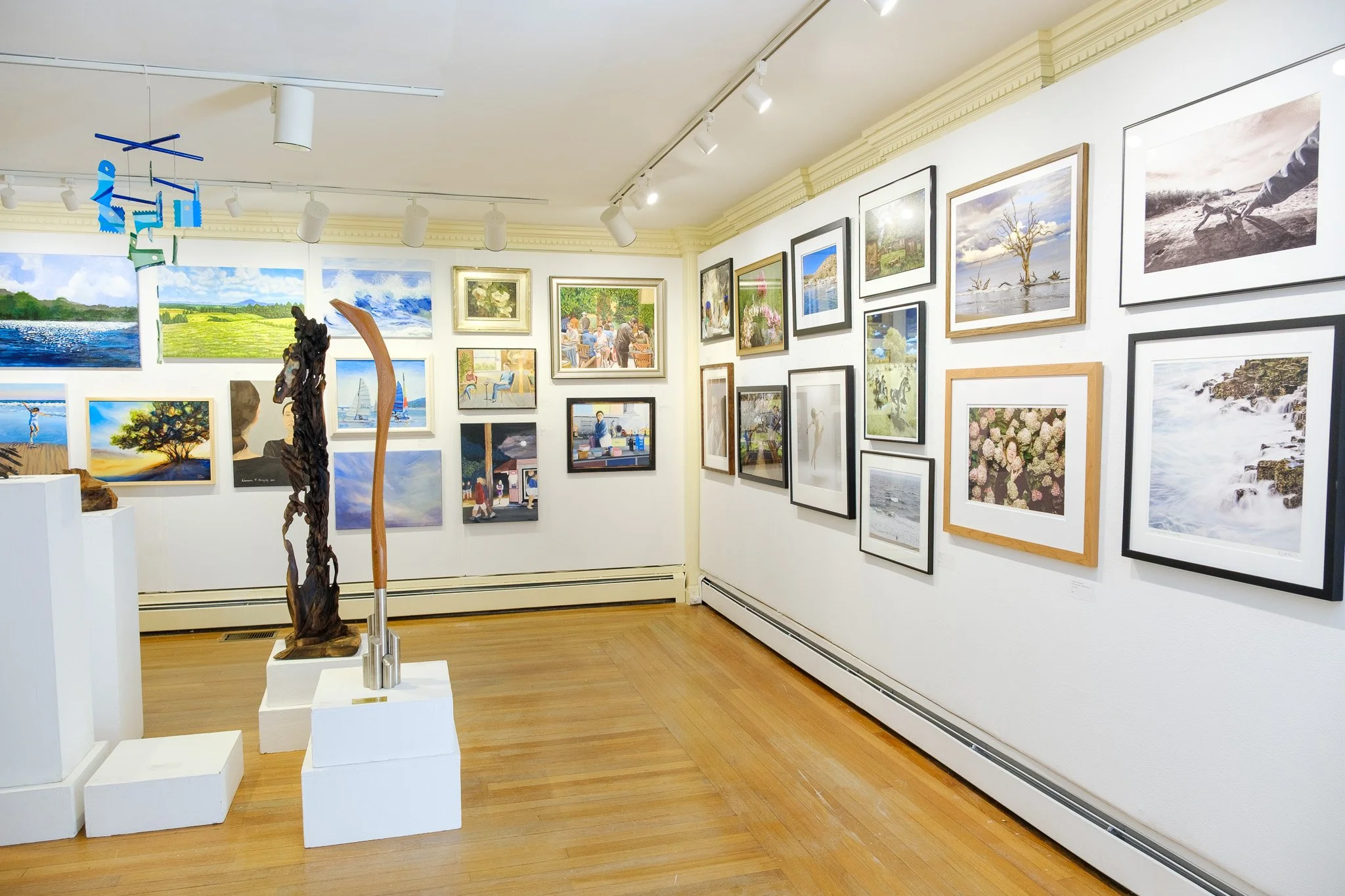
live with the art that inspires you
all works are available for purchase
awards
-
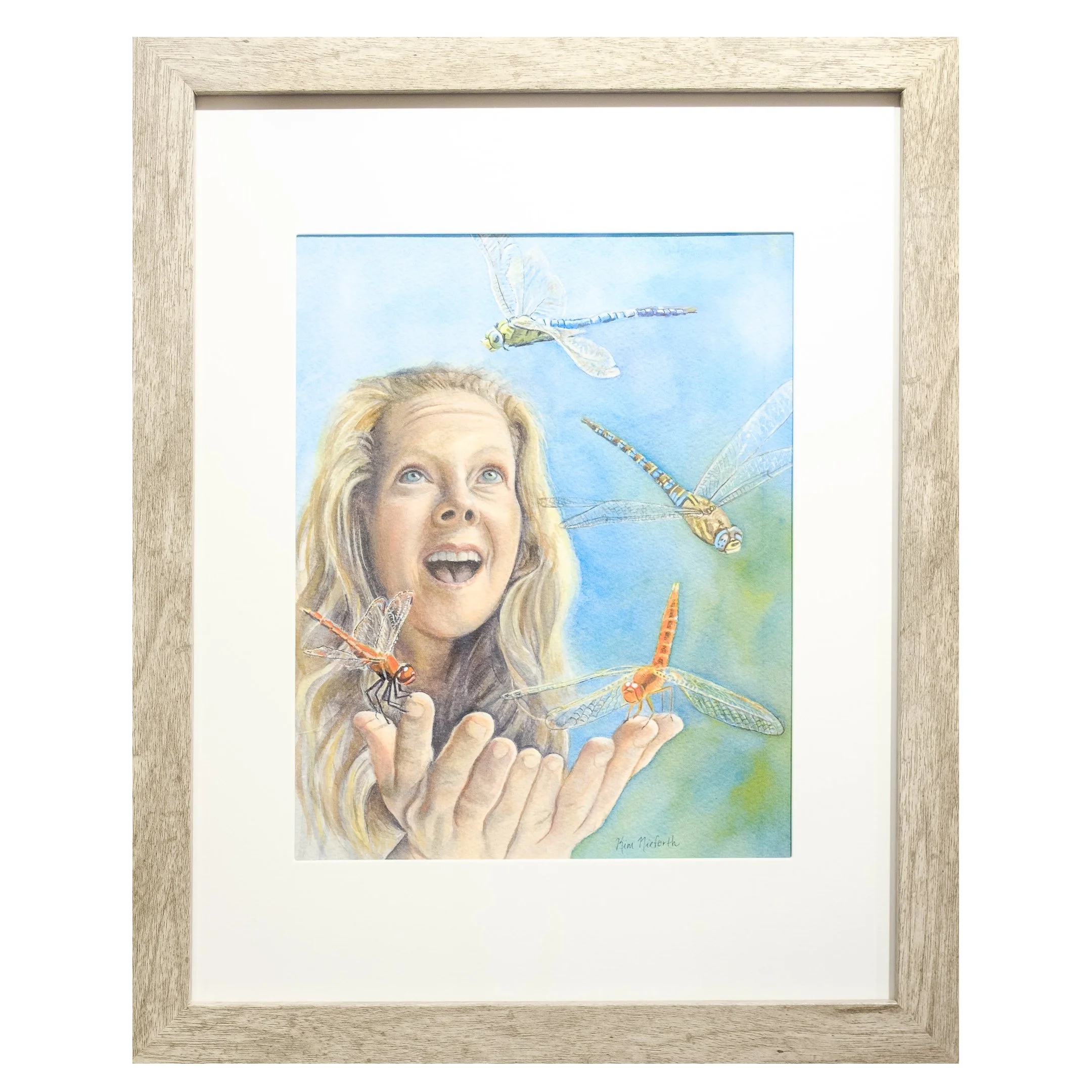
Best Water Media
Kim Nieforth
In My Wonderment -
Best Functional Pottery
Lee Segal
Lidded Jar -
Best Floral
Madeline Beaudry
Descending Angel -
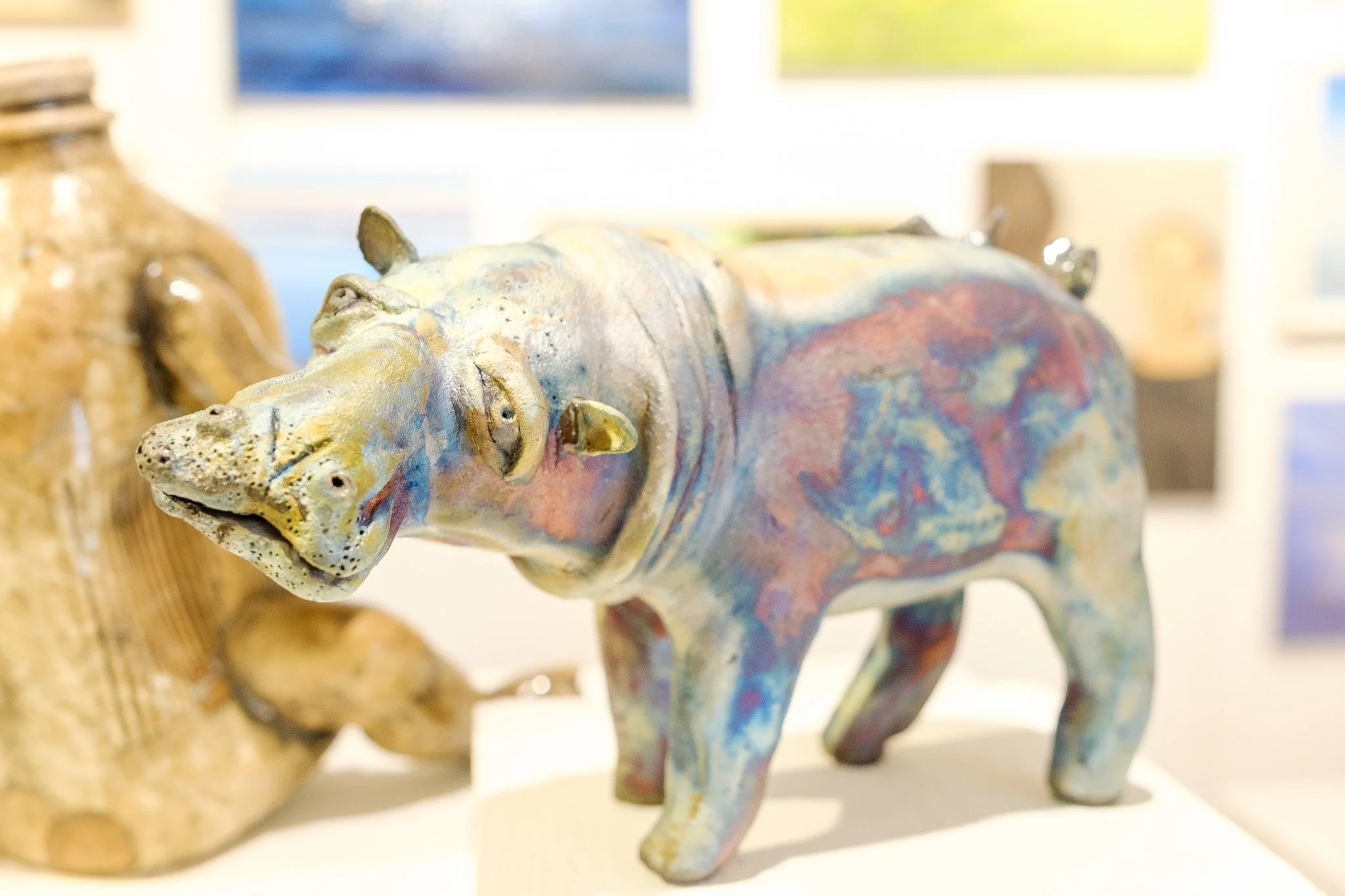
For Pottery
Dea Haupt
Happy Hippo -
Best Sculpture
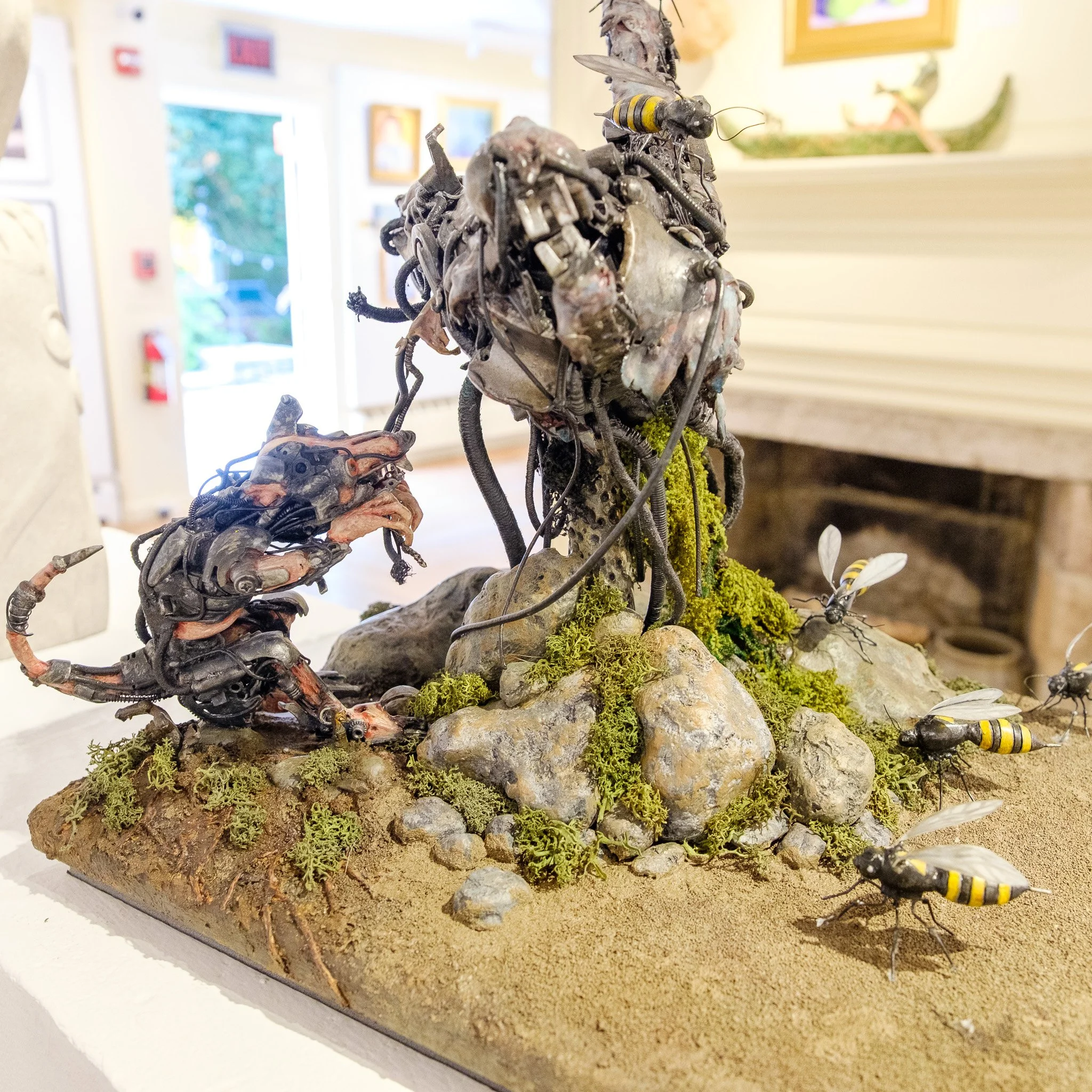
Scott Keeley
Wave that Flag
-
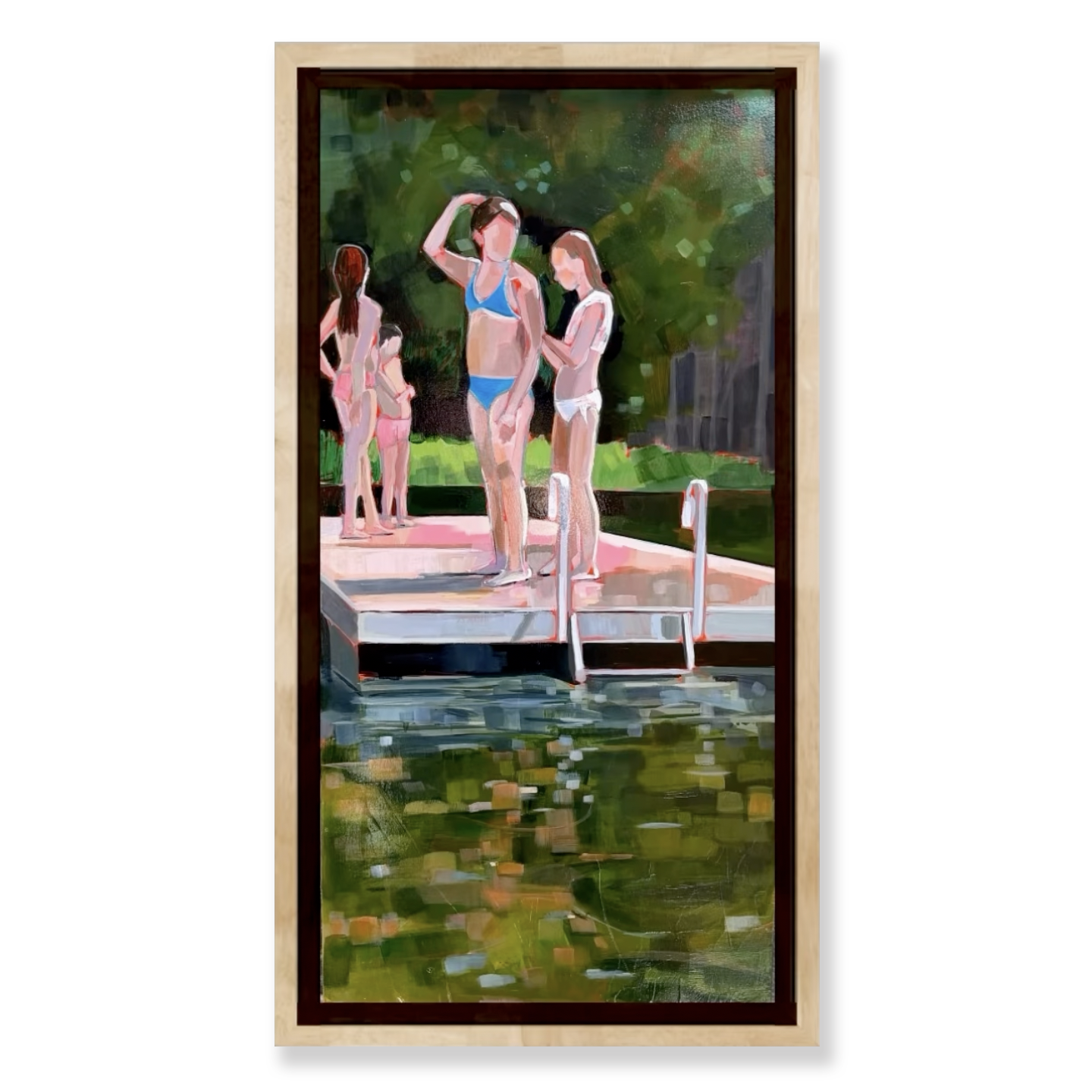
Jodi Manca
Summer at the Lake -
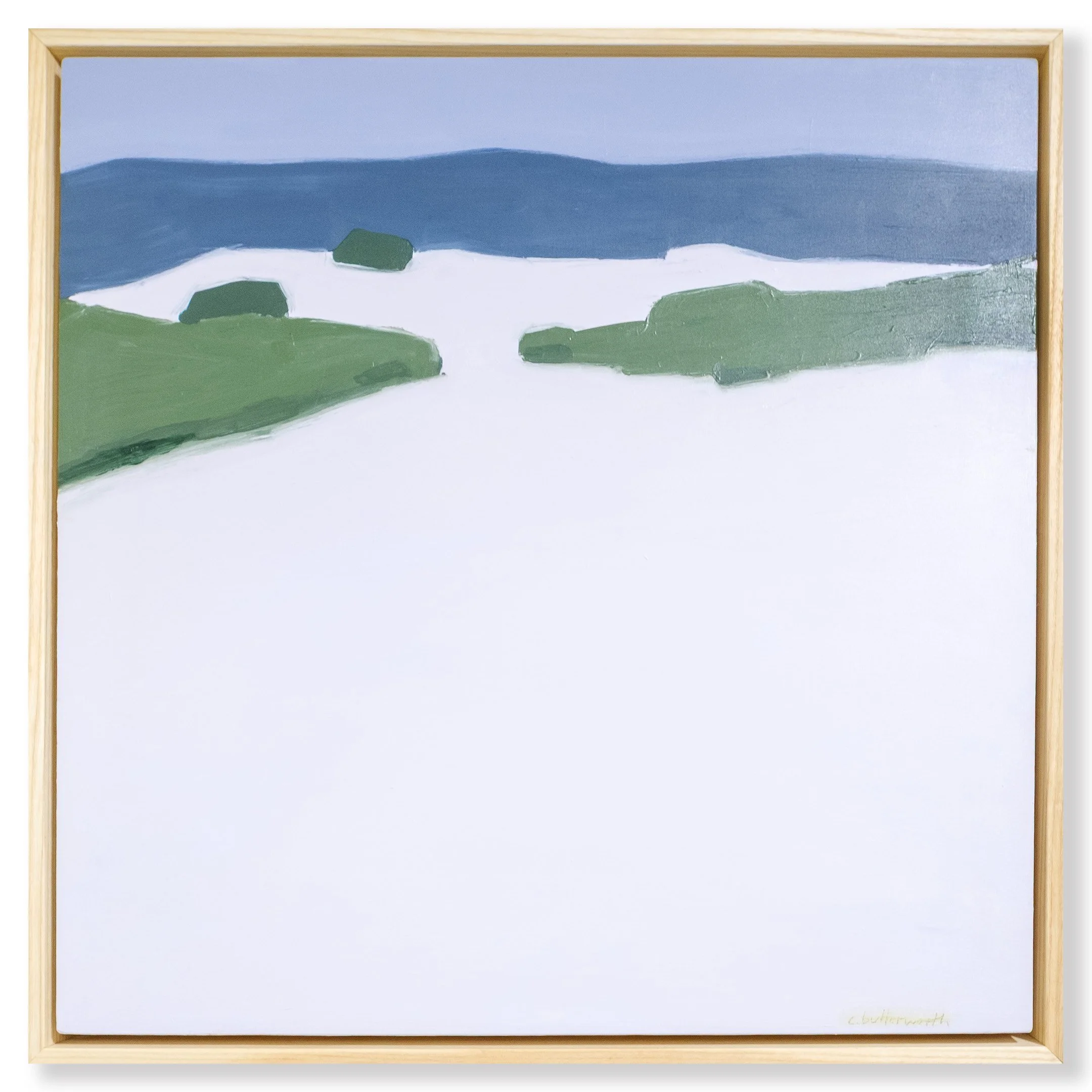
Corwin Butterworth
Boundary Waters #3 -
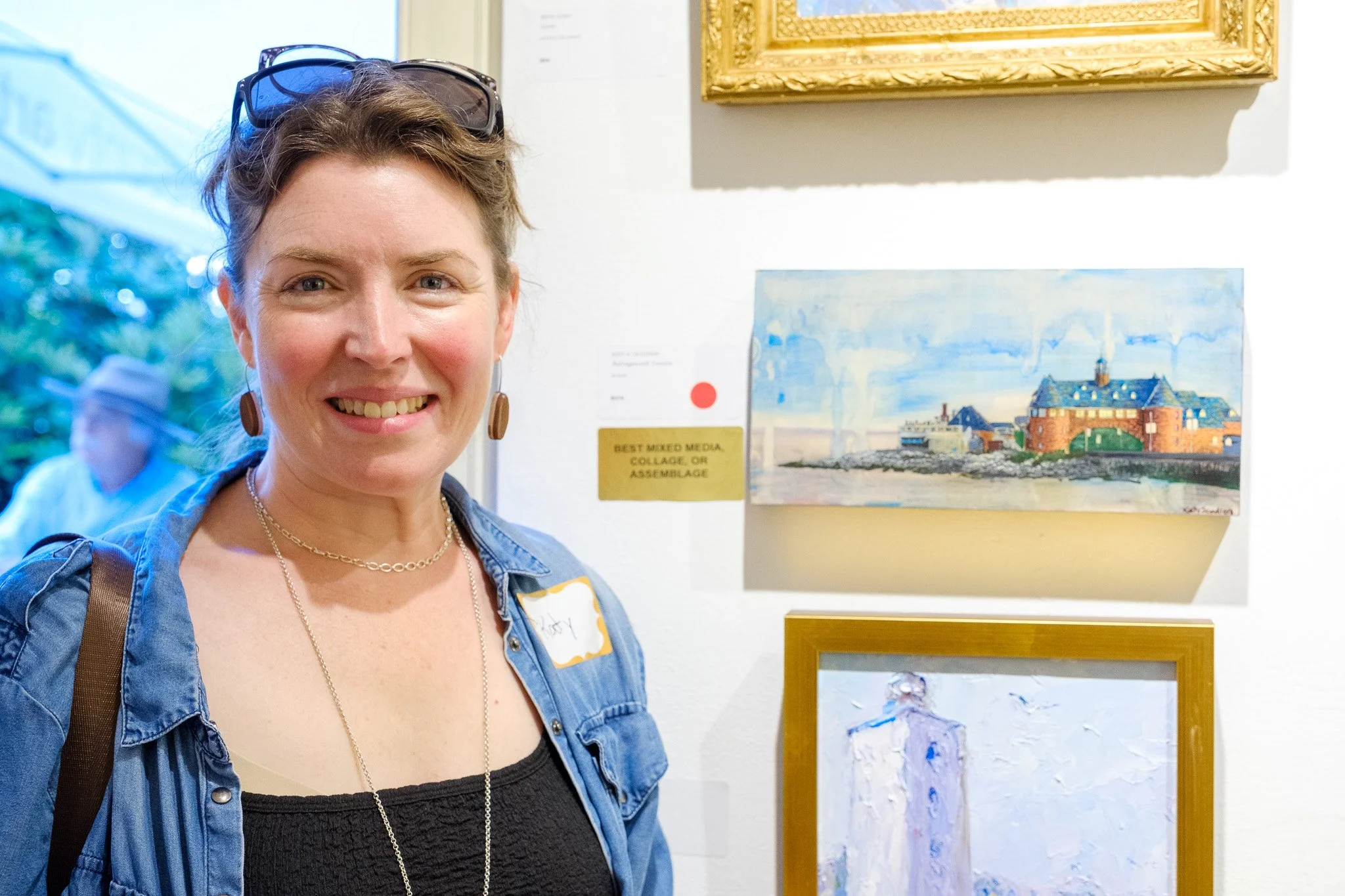
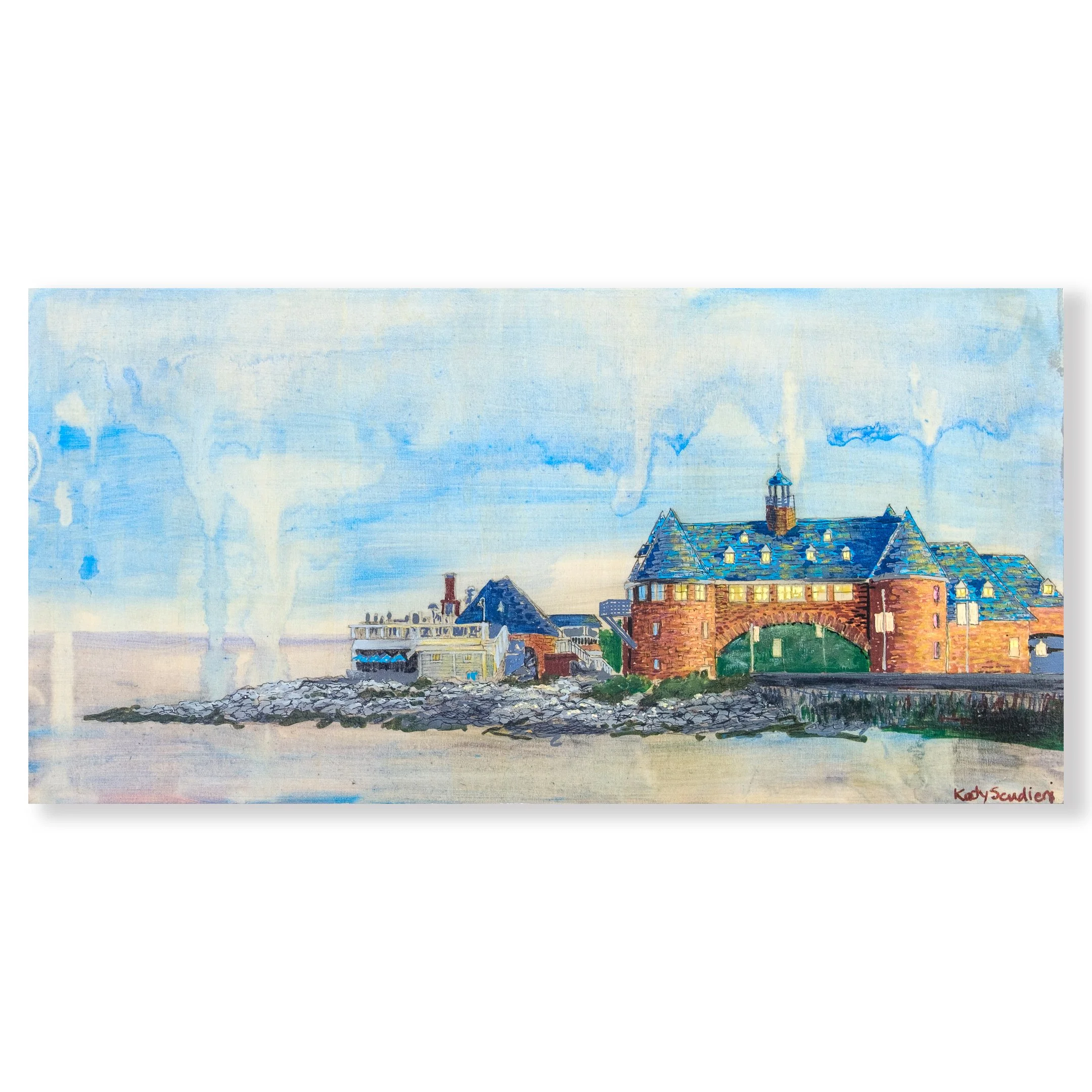
Katy H. Scudieri
Narragansett Towers -
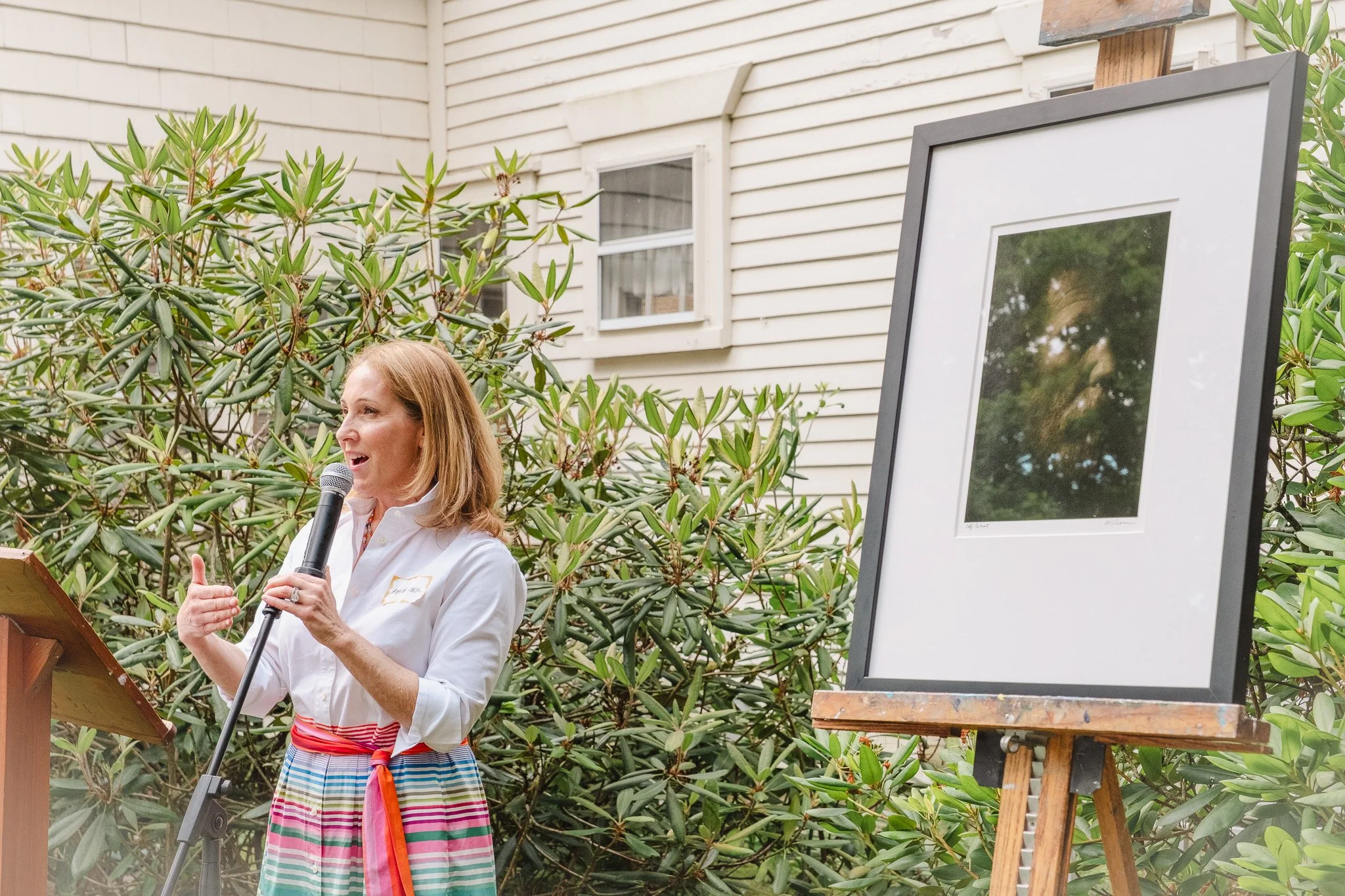
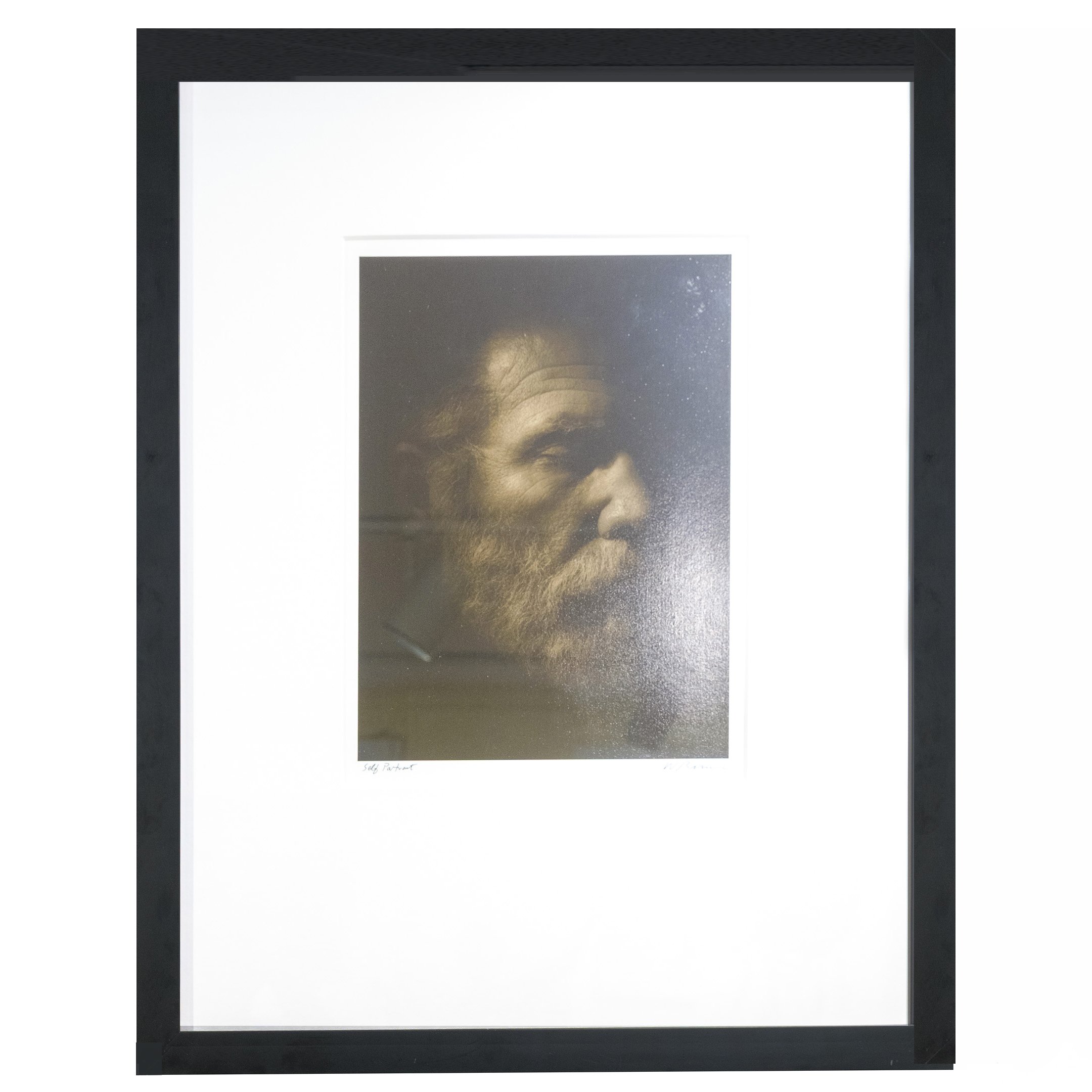
William Brennan
Self Portrait -
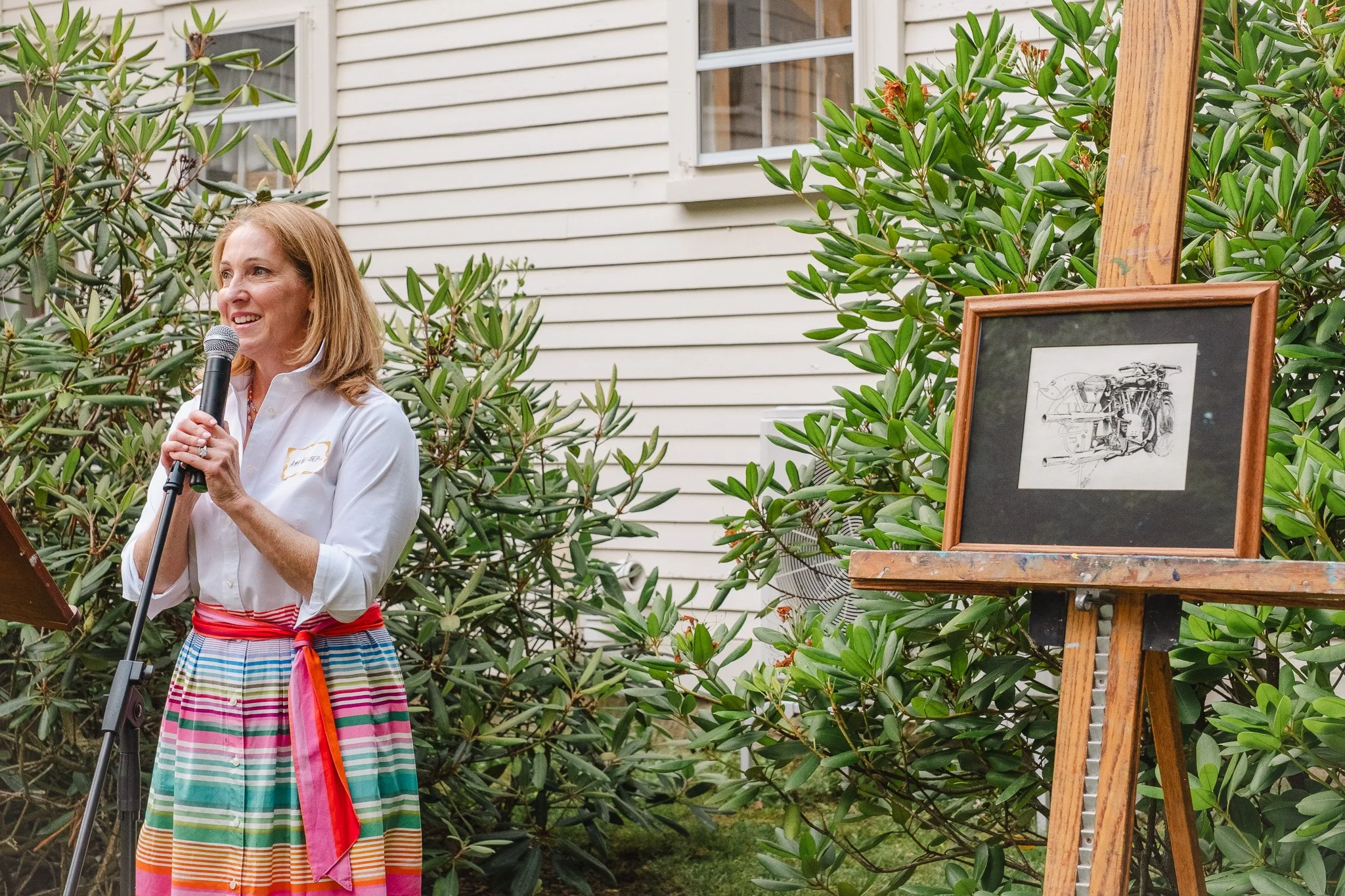
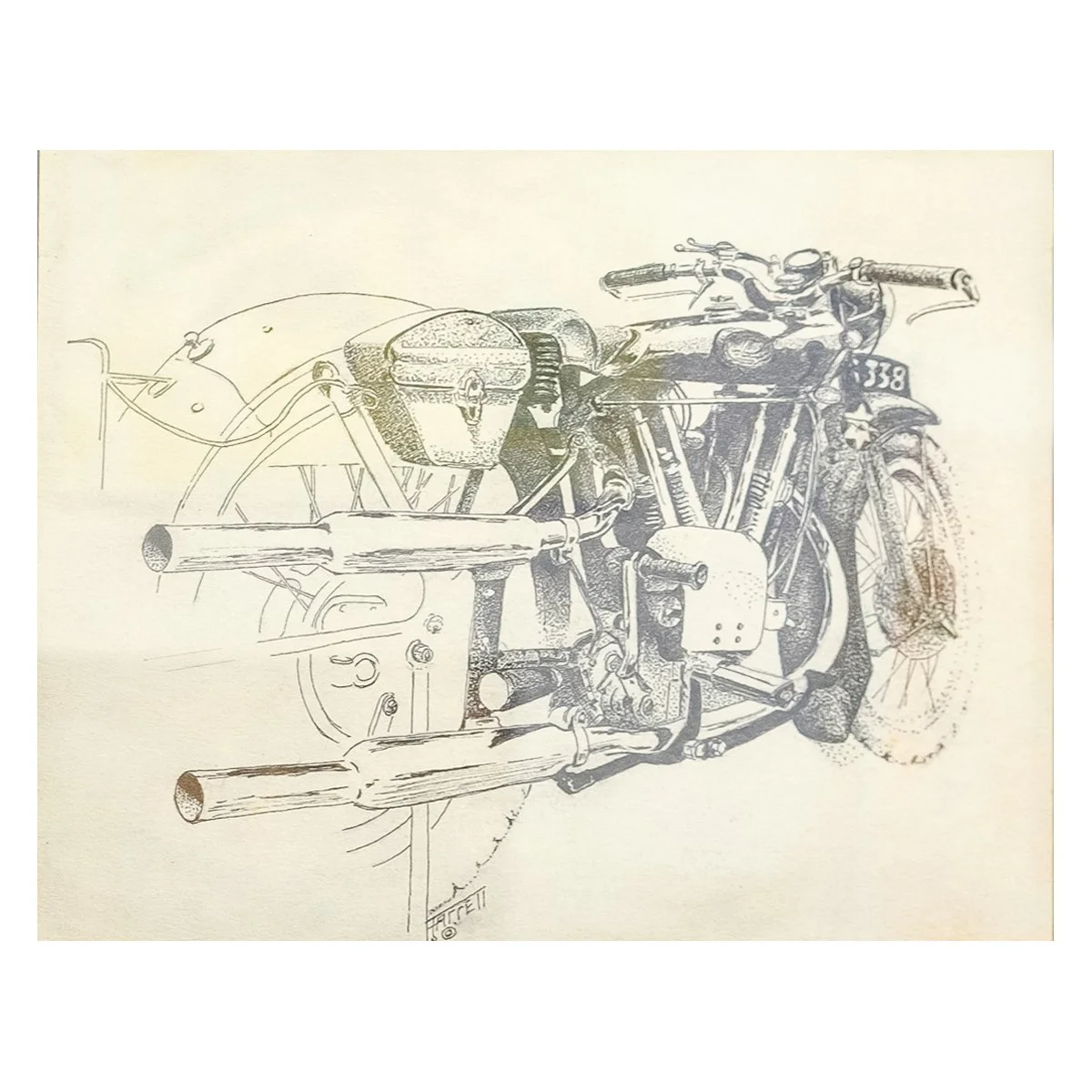
Robert Farrell
‘28 Brough Superior -
Krzysztof Mathews
Dinner PartyAshley Edes
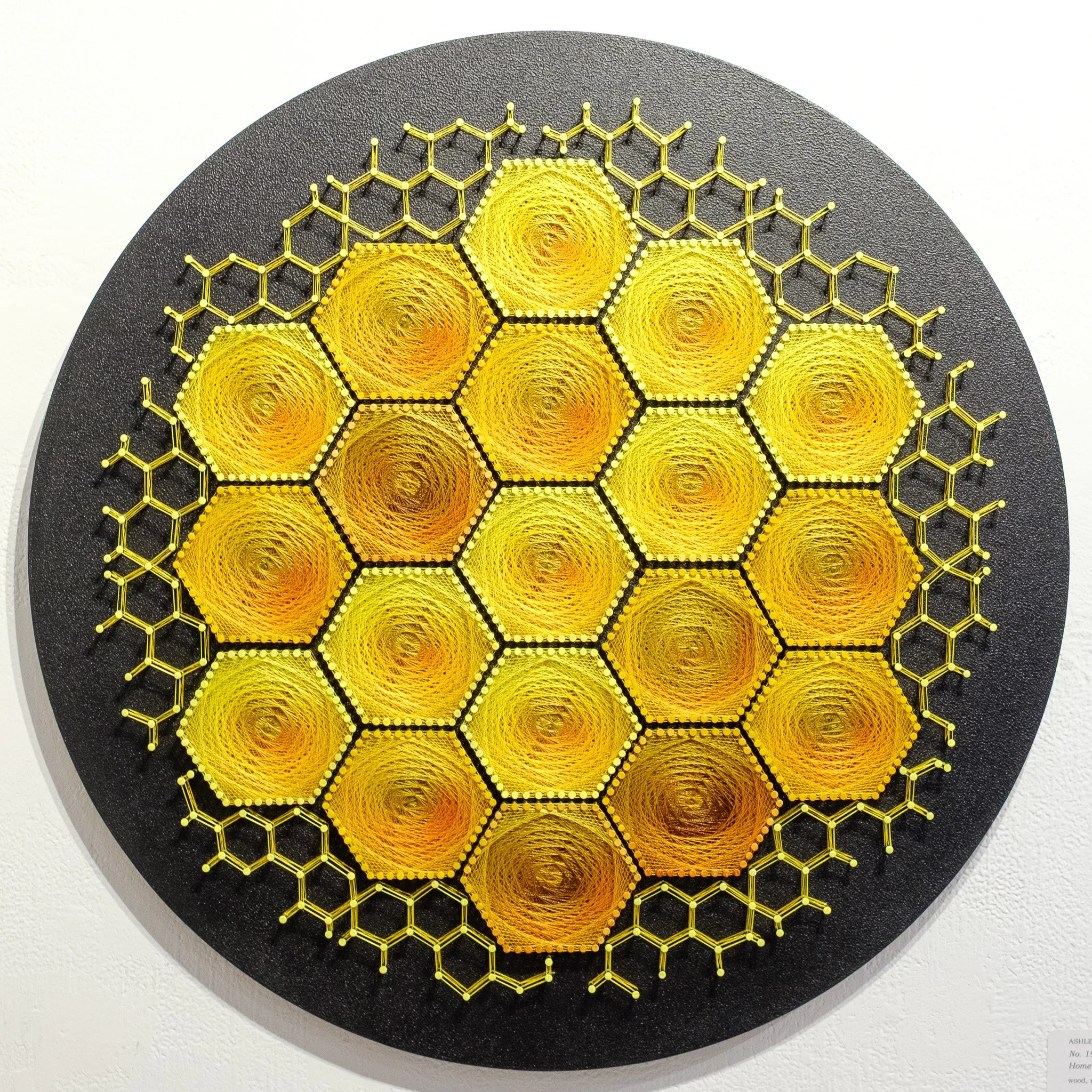
No. 193 Golden Gooey Honeycomb HomeKaren Houston
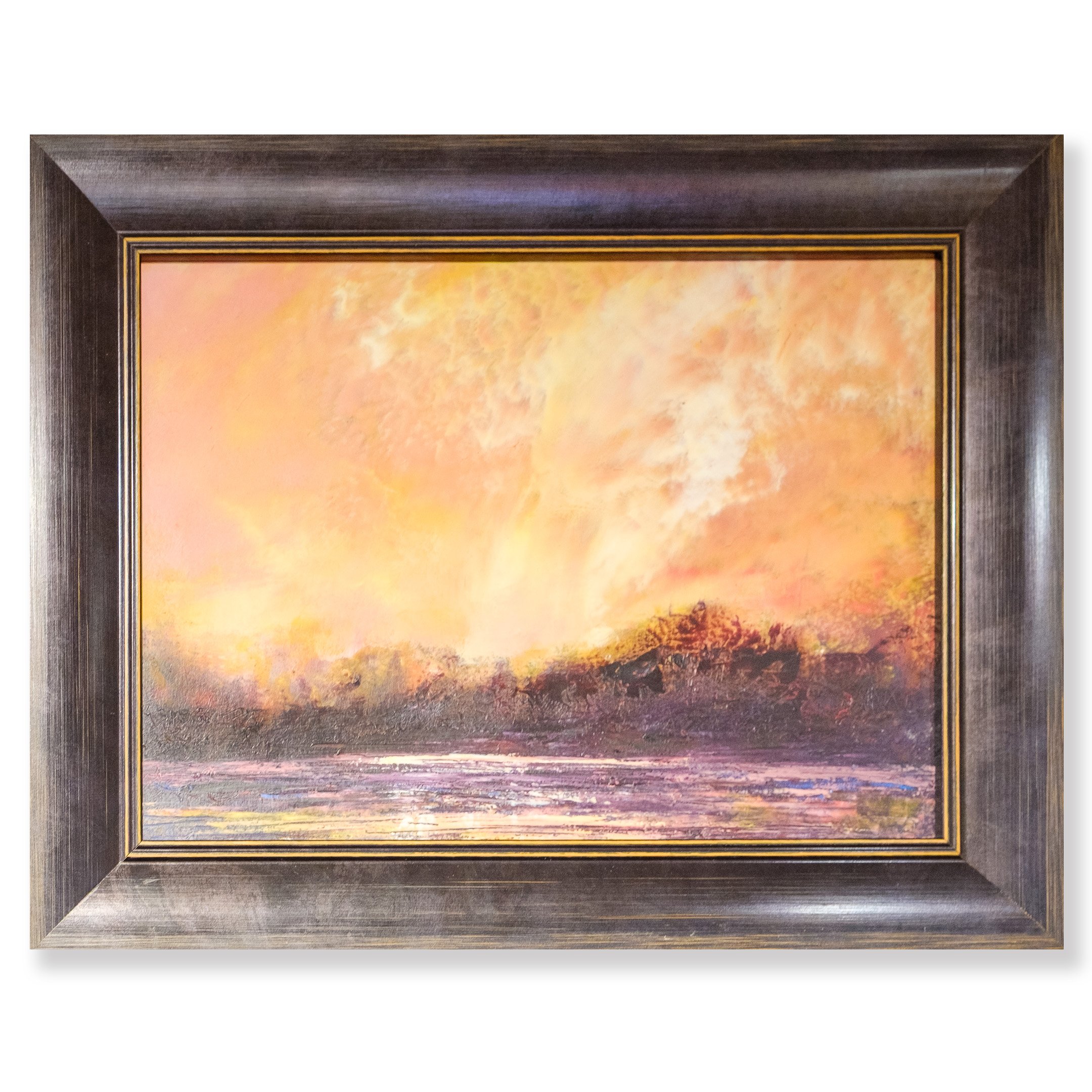
Orange Glow
awards
-
![]()
Kim Nieforth
Ann Lewis Parker Award Best Water Media
Kim Nieforth
In My Wonderment -
![Kim Nieforth]()
Kim Nieforth
Ann Lewis Parker Award Best Water Media
Kim Nieforth
In My Wonderment -
![Madeline Beaudry]()
Madeline Beaudry
Lorenzo & Elizabeth Kinney Award Best Floral
Madeline Beaudry
Descending Angel -
![Madeline Beaudry]()
Madeline Beaudry
Lorenzo & Elizabeth Kinney Award Best Floral
Madeline Beaudry
Descending Angel -
![Lee Segal]()
Lee Segal
Dorcas Toney Award Best Functional Pottery
Lee Segal
Lidded Jar -
![Lee Segal]()
Lee Segal
Dorcas Toney Award Best Functional Pottery
Lee Segal
Lidded Jar -
![Scott Keeley]()
Scott Keeley
Visconti Sculpture Award Best Sculpture
Scott Keeley
Wave that Flag -
![Scott Keeley]()
Scott Keeley
Visconti Sculpture Award Best Sculpture
Scott Keeley
Wave that Flag -
![Jodi Manca]()
Jodi Manca
Best Oil or Acrylic
Jodi Manca
Summer at the Lake -
![Jodi Manca]()
Jodi Manca
Best Oil or Acrylic
Jodi Manca
Summer at the Lake -
![Corwin Butterworth]()
Corwin Butterworth
Best Abstract
Corwin Butterworth
Boundary Waters #3 -
![Corwin Butterworth]()
Corwin Butterworth
Best Abstract
Corwin Butterworth
Boundary Waters #3 -
![]()
Karen Houston
Honorable Mention
Karen Houston
Orange Glow -
![Karen Houston]()
Karen Houston
Honorable Mention
Karen Houston
Orange Glow -
![Robert Farrell]()
Robert Farrell
Best Drawing, Print or Pastel
Robert Farrell
28 Brough Superior -
![Robert Farrell]()
Robert Farrell
Best Drawing, Print or Pastel
Robert Farrell
28 Brough Superior (shown here unframed) -
![Katy H. Scudieri]()
Katy H. Scudieri
Best Mixed Media Collage or Assemblage
Katy H. Scudieri
Narragansett Towers -
![Katy H. Scudieri]()
Katy H. Scudieri
Best Mixed Media Collage or Assemblage
Katy H. Scudieri
Narragansett Towers -
![Ashley Edes]()
Ashley Edes
Honorable Mention
Ashley Edes
No. 193 Golden Gooey Honeycomb Home -
![Ashley Edes]()
Ashley Edes
Honorable Mention
Ashley Edes
No. 193 Golden Gooey Honeycomb Home -
![Krzysztof Mathews]()
Krzysztof Mathews
Honorable Mention
Krzysztof Mathews
Dinner Party -
![Krzysztof Mathews]()
Krzysztof Mathews
Honorable Mention
Krzysztof Mathews
Dinner Party -
![William Brennan]()
William Brennan
Best Photograph
William Brennan
Self Portrait -
![]()
William Brennan
Best Photograph
William Brennan
Self Portrait -
![Dea Haupt]()
Dea Haupt
MARY ANN CARNEY AWARD
FOR POTTERY
Mary Ann Carney Award For Pottery
Dea Haupt
Happy Hippo
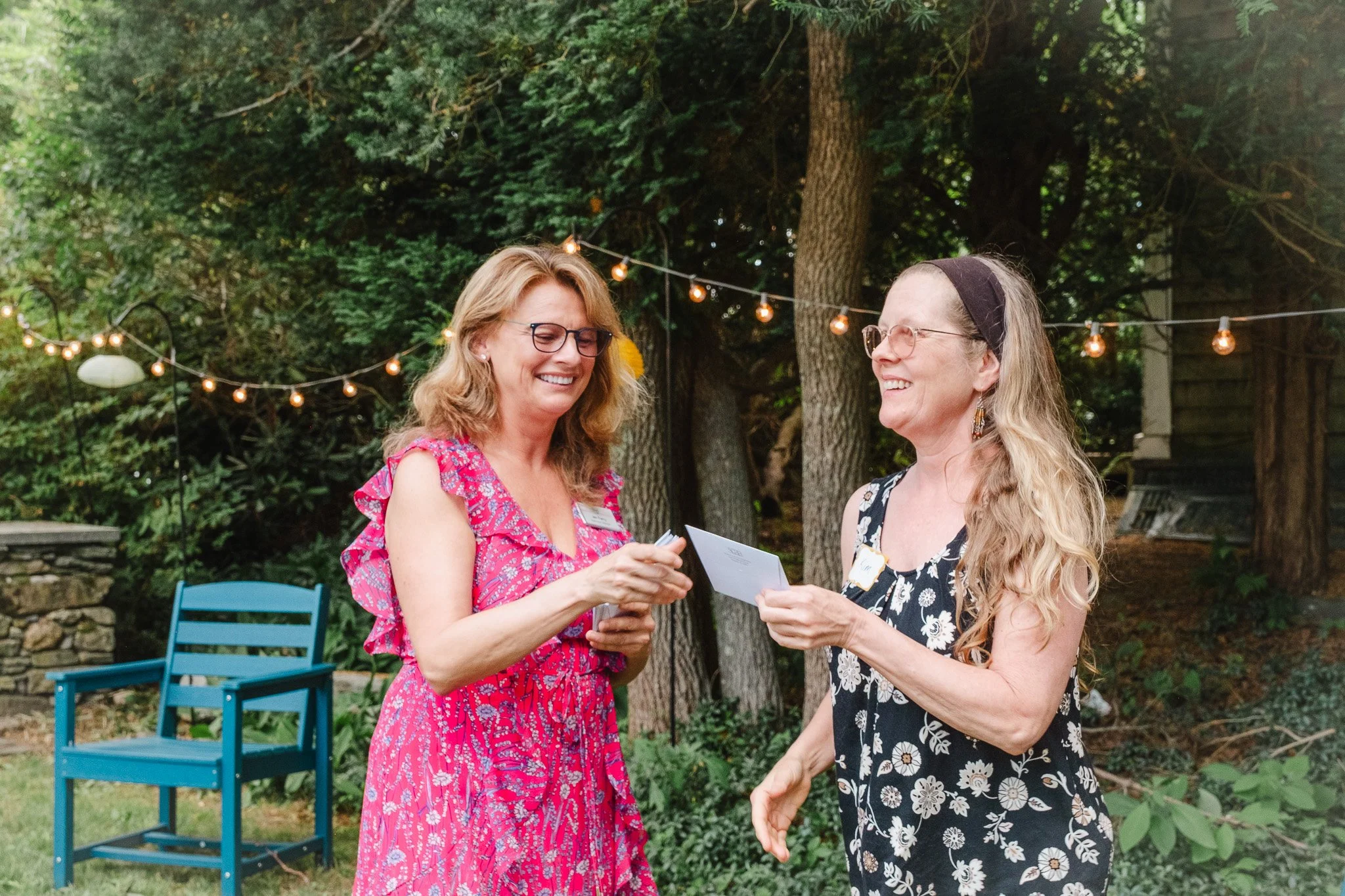
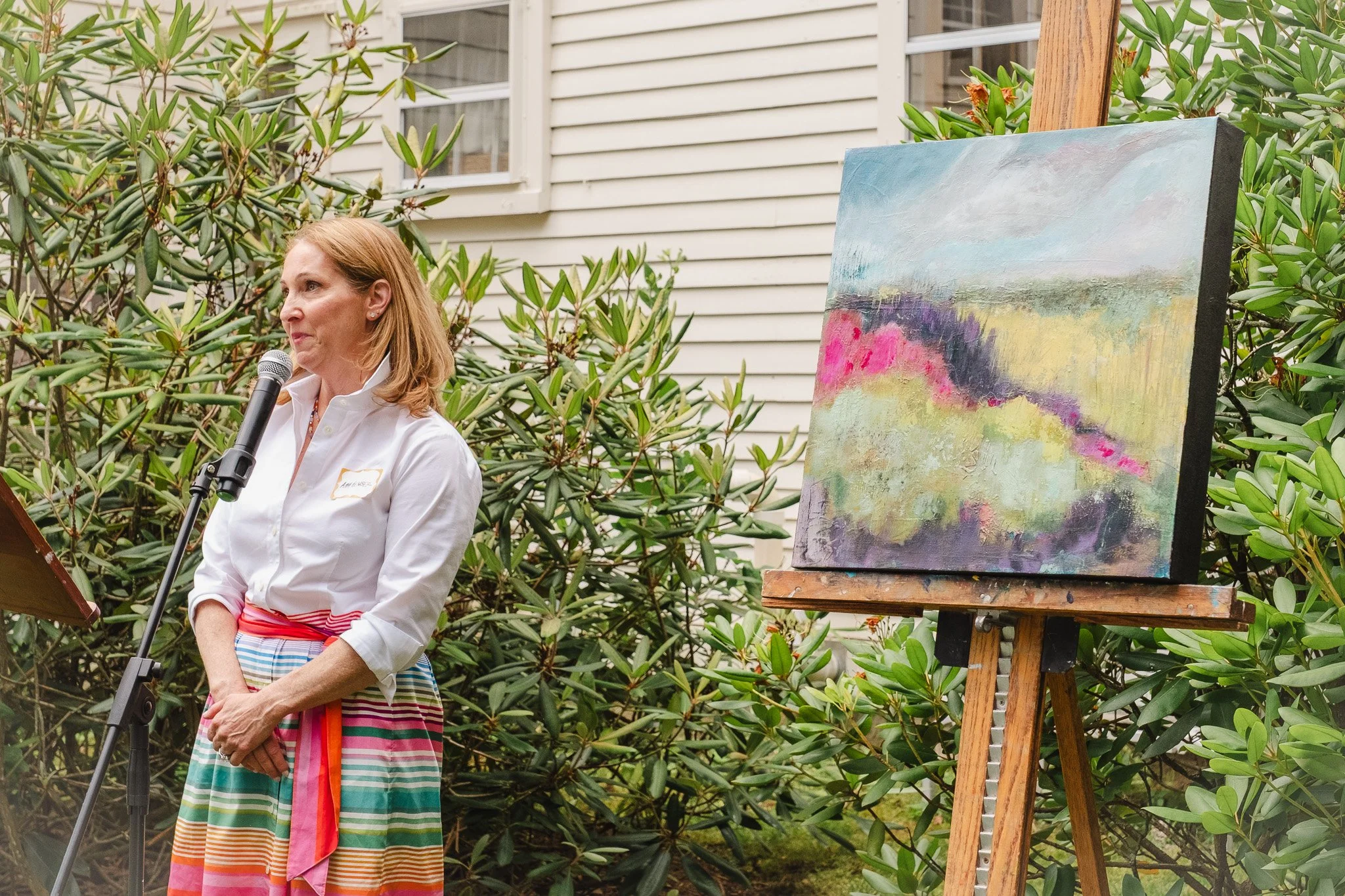
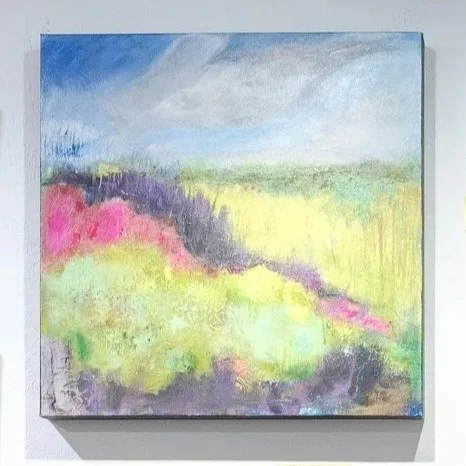
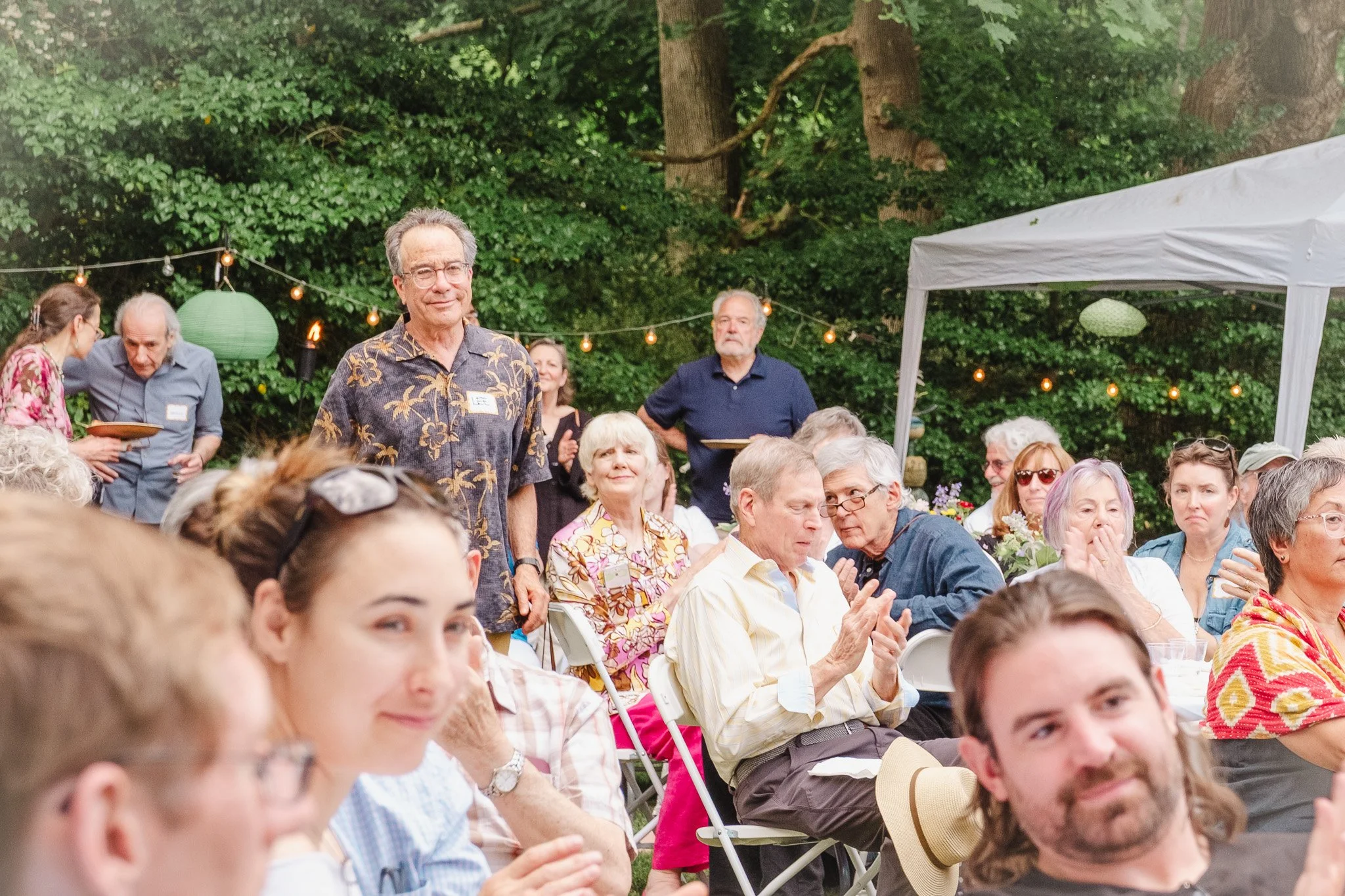
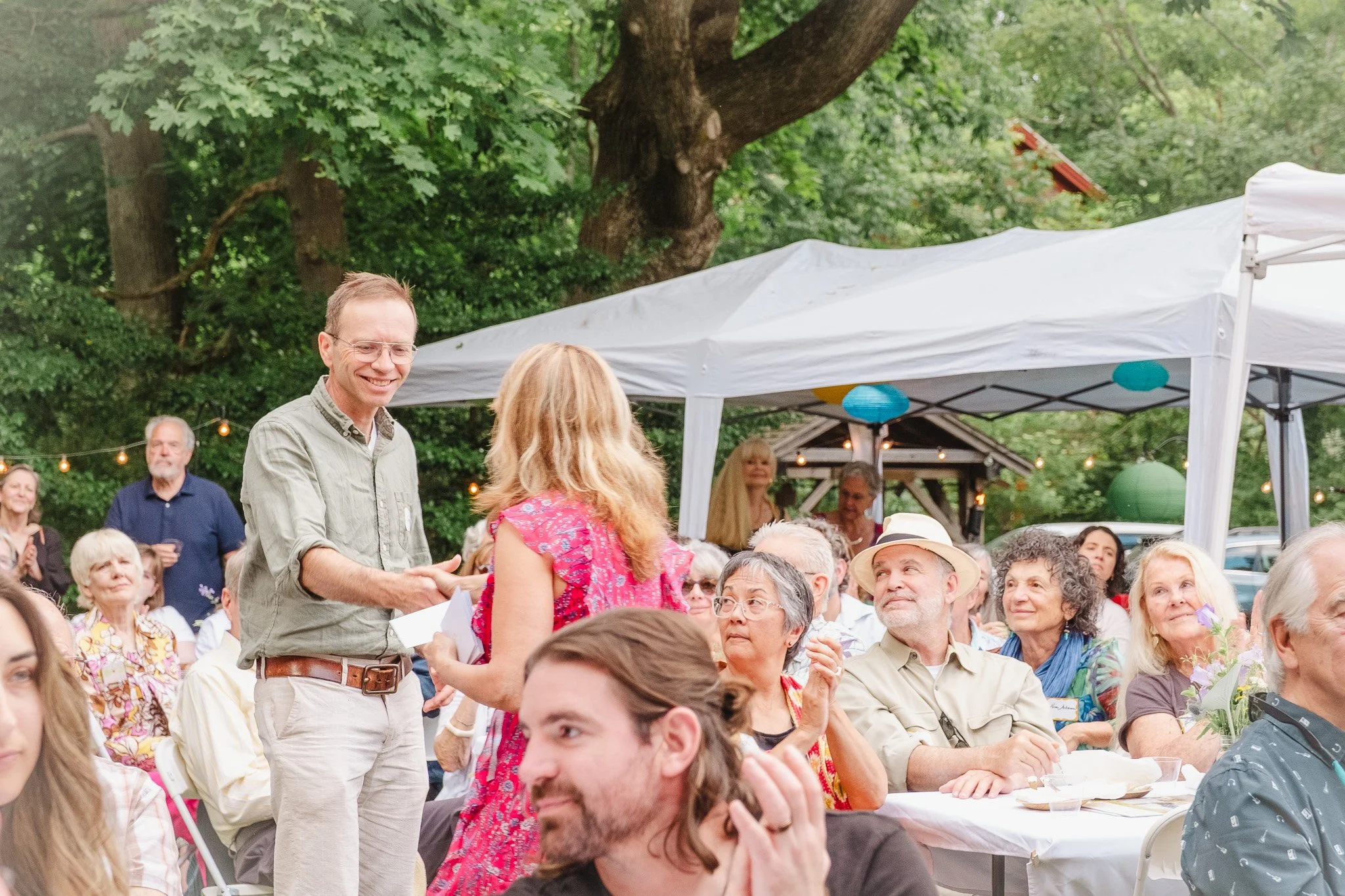
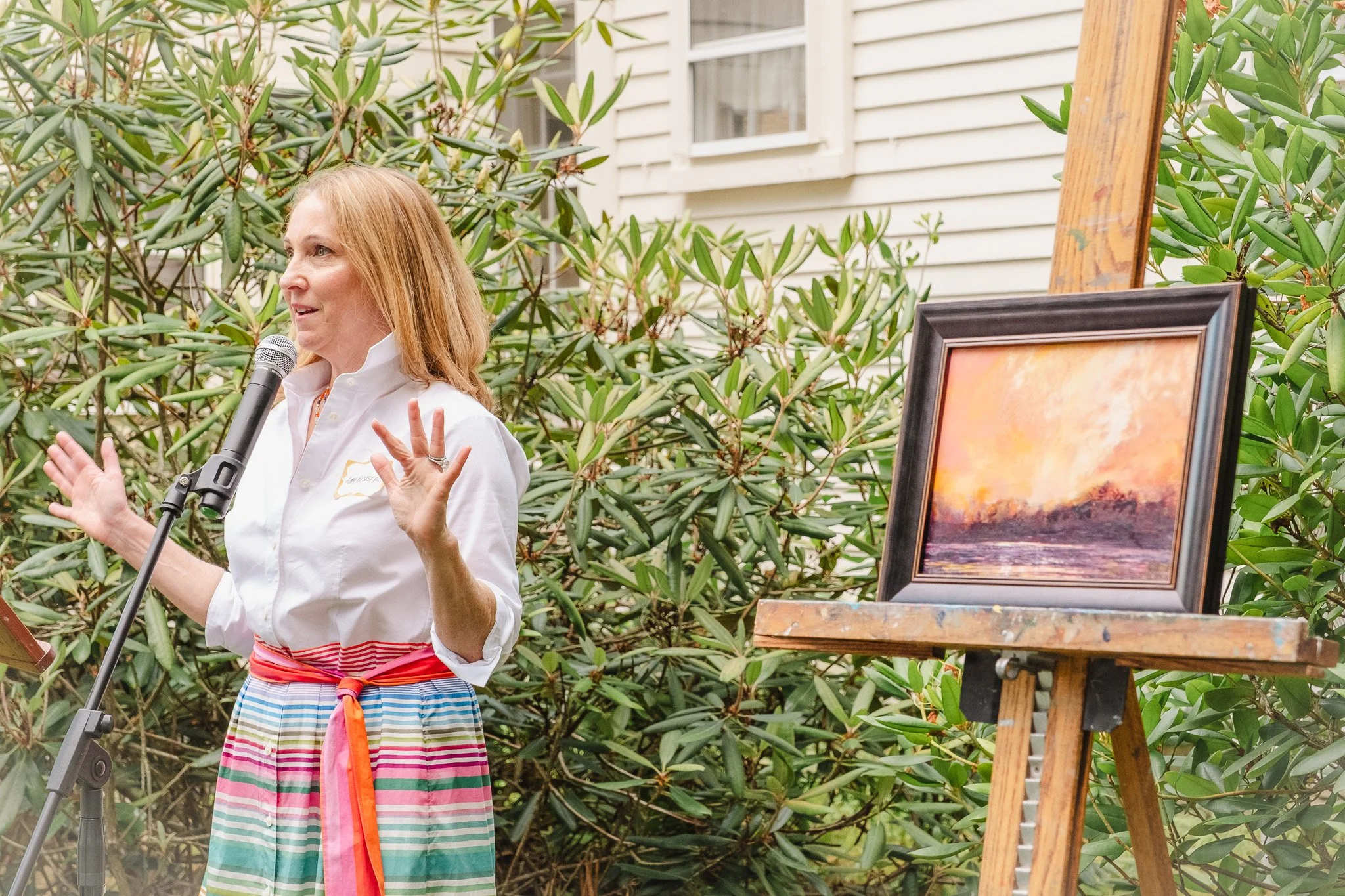
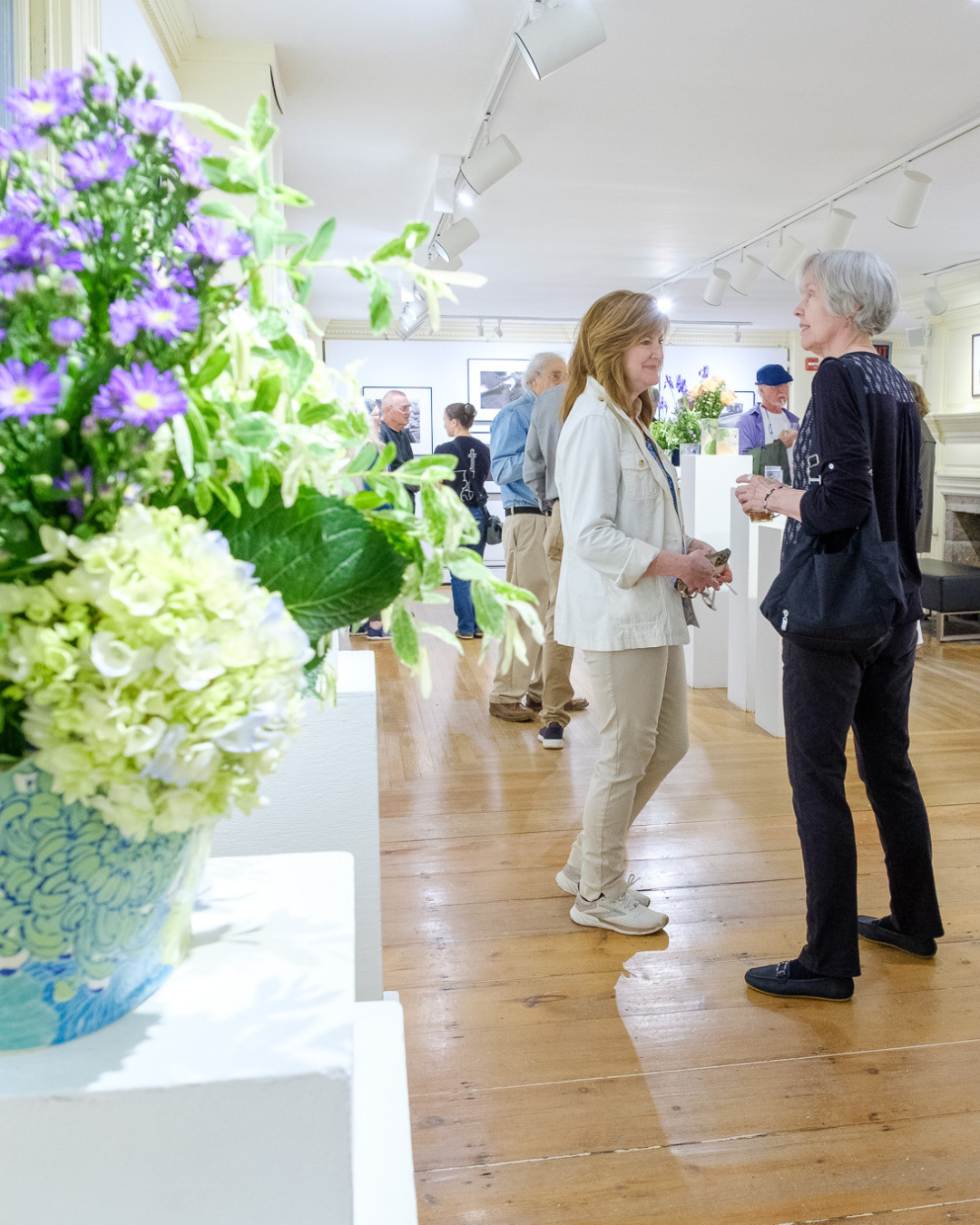
Members Invitational Exhibition
May 21 - June 13
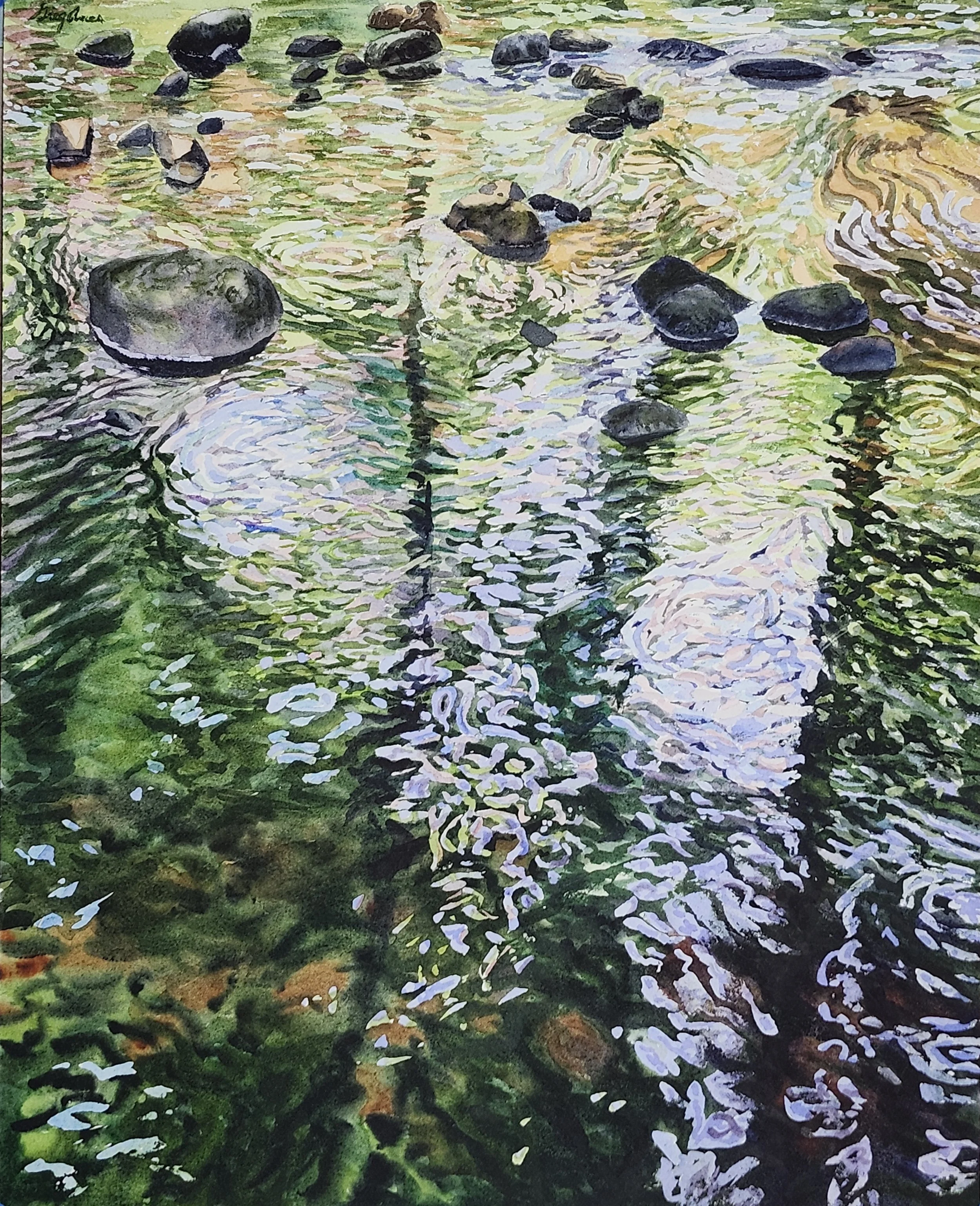
This special exhibition features the work of member artists Lisa Sledzik, Christine Herron, JR Lynch, Greg Ames, Jan Ames, and Richard Black, showcasing a diverse range of creative voices and artistic practices.
Alongside the member exhibition work by SCAA Staff & Board of Directors will be on display in the small gallery.
Opening reception
Thursday, April 23, 6-8pm
Helme House gallery hours
Wednesday - Sunday 1-5pm
live with the art that inspires you
all works are available for purchase
-
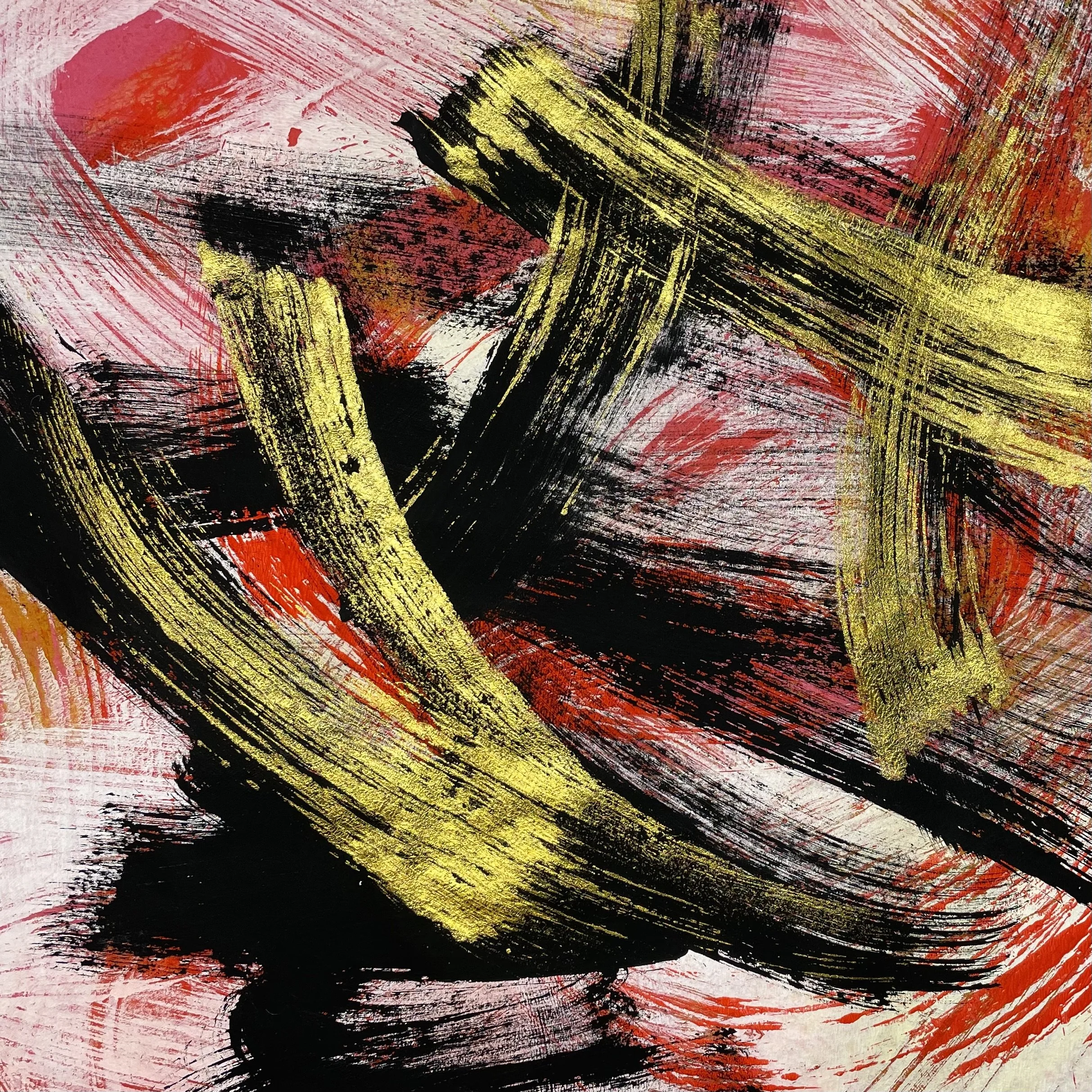
![Christine Herron]()
Christine Herron
-
![Christine Herron]()
Christine Herron
-
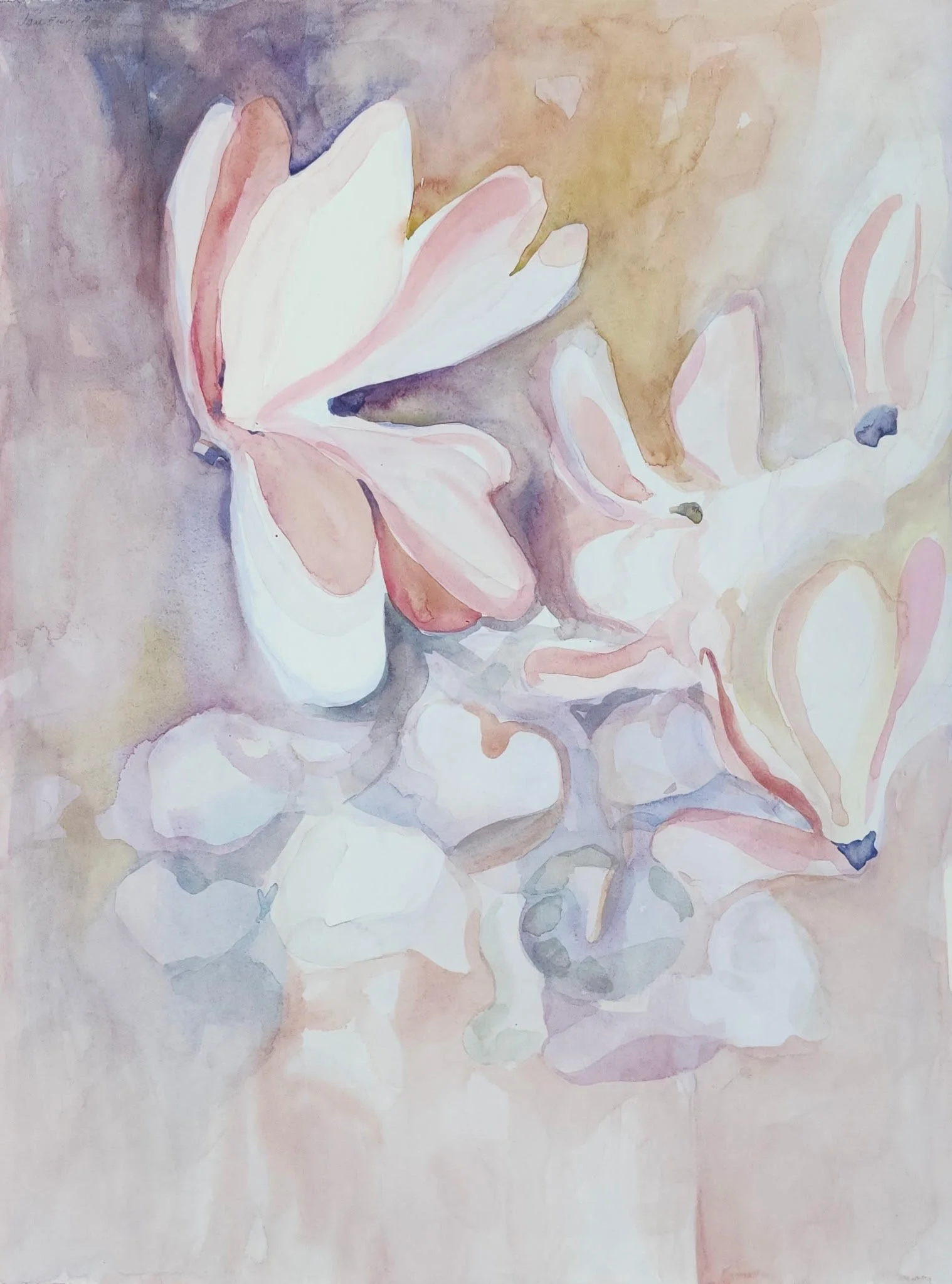
![Lisa Sledzik]()
Lisa Sledzik
-
![Lisa Sledzik]()
Lisa Sledzik
-
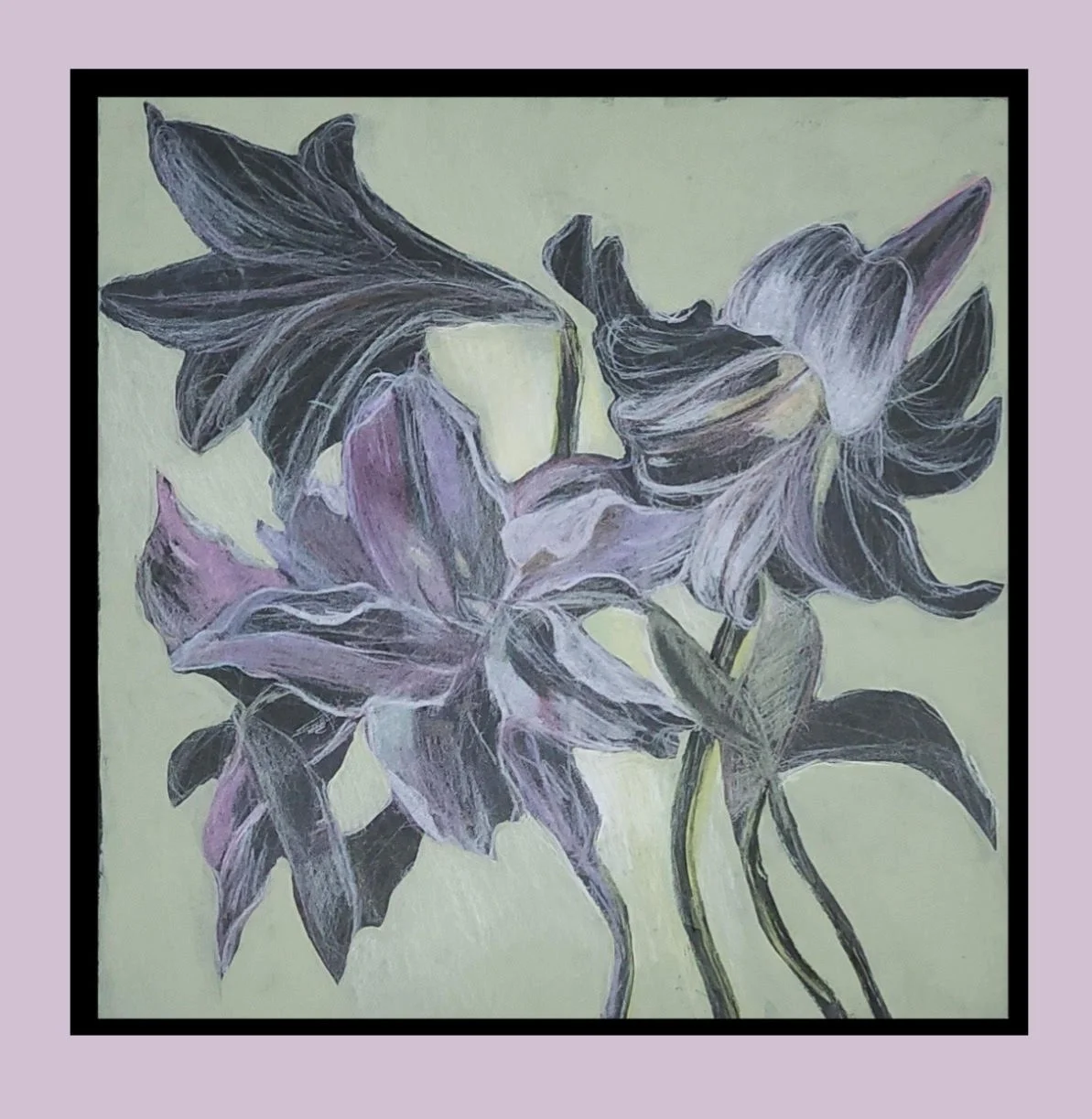
![Jan Ames]()
Jan Ames
-
![Jan Ames]()
Jan Ames
-
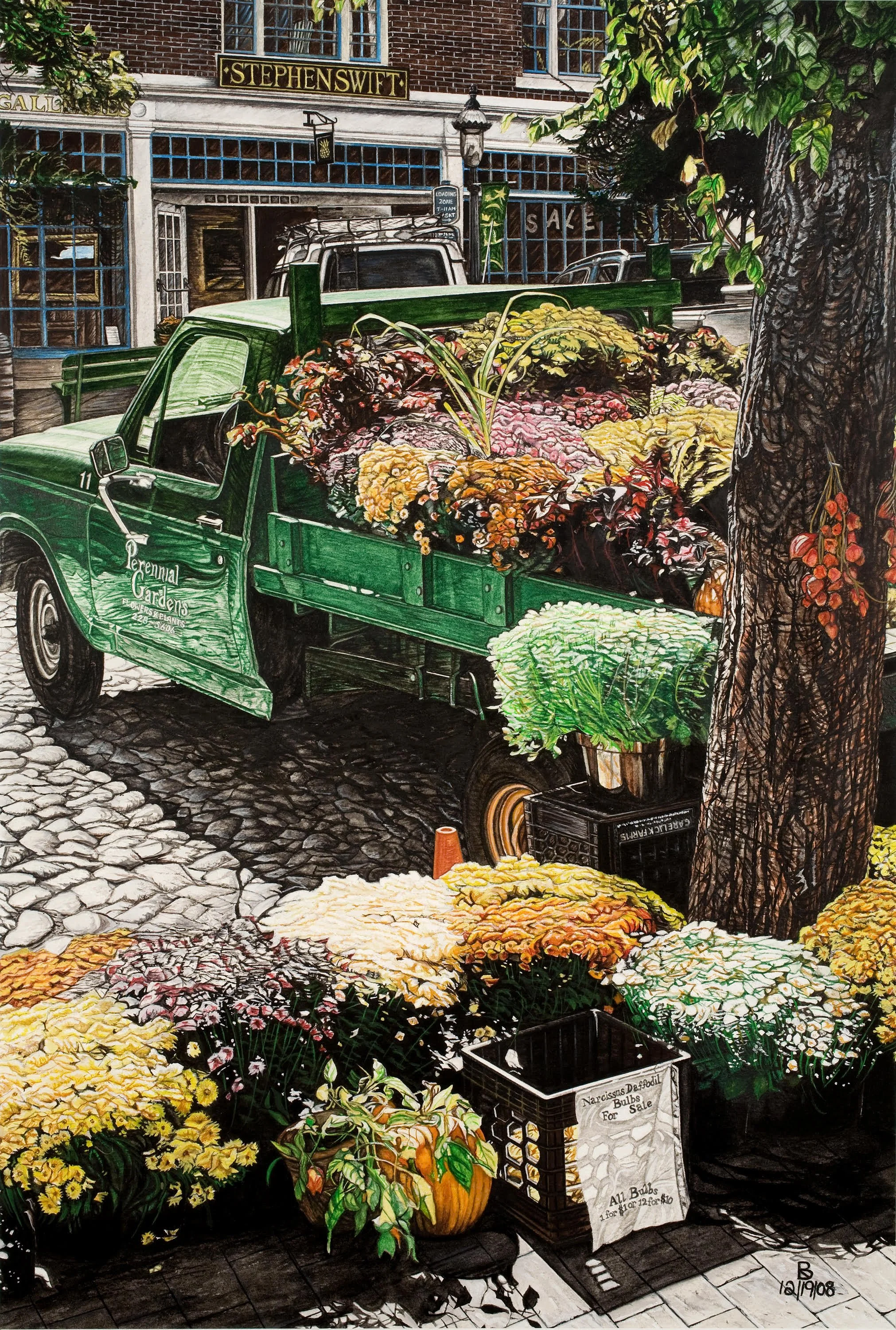
![Richard Black]()
Richard Black
-
![Richard Black]()
Richard Black
Gouache and Acrylics
-
![JR Lynch]()
JR Lynch
-
![JR Lynch]()
JR Lynch
-
![Greg Ames]()
Greg Ames
-
![Greg Ames]()
Greg Ames
53rd Earthworks
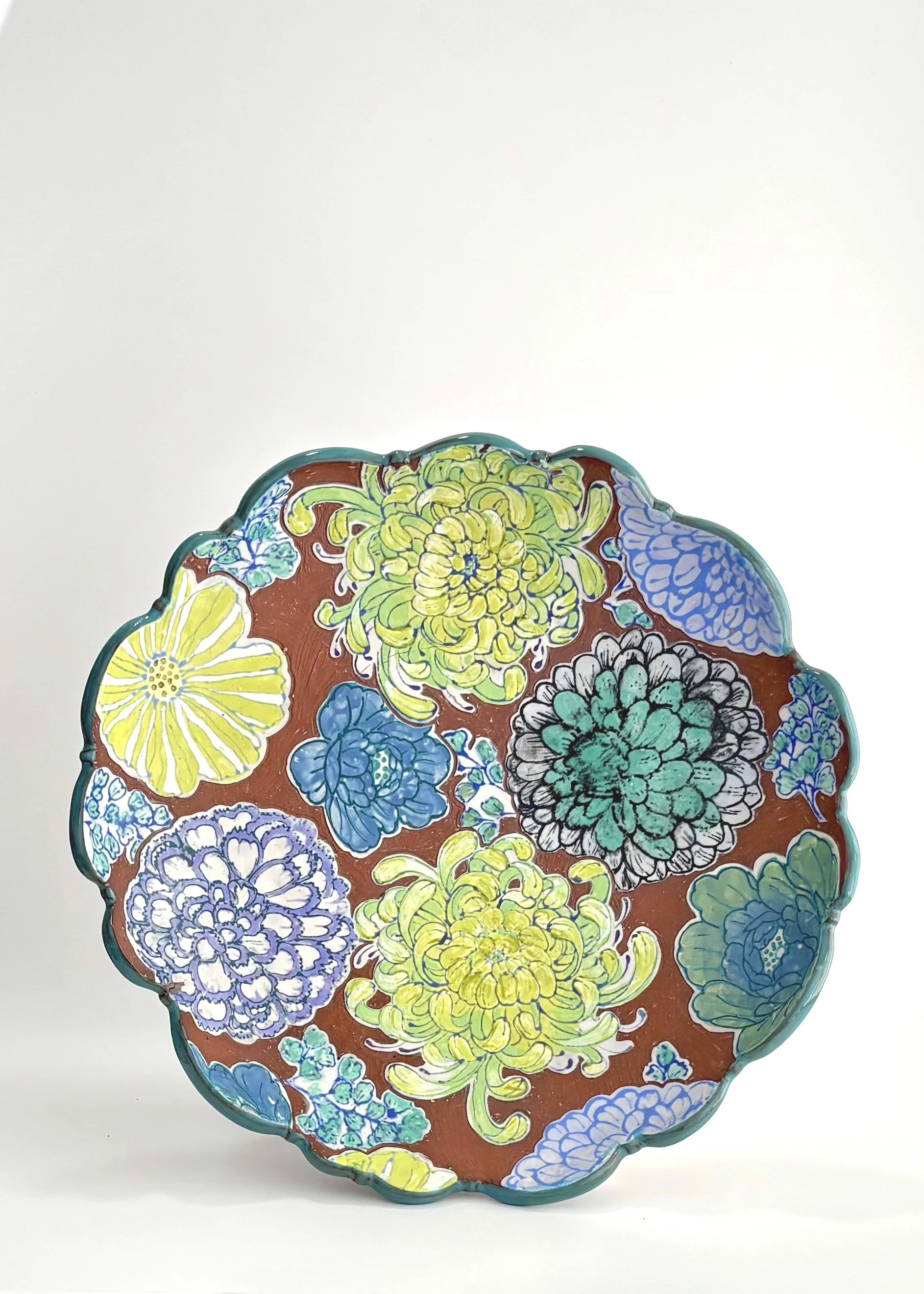
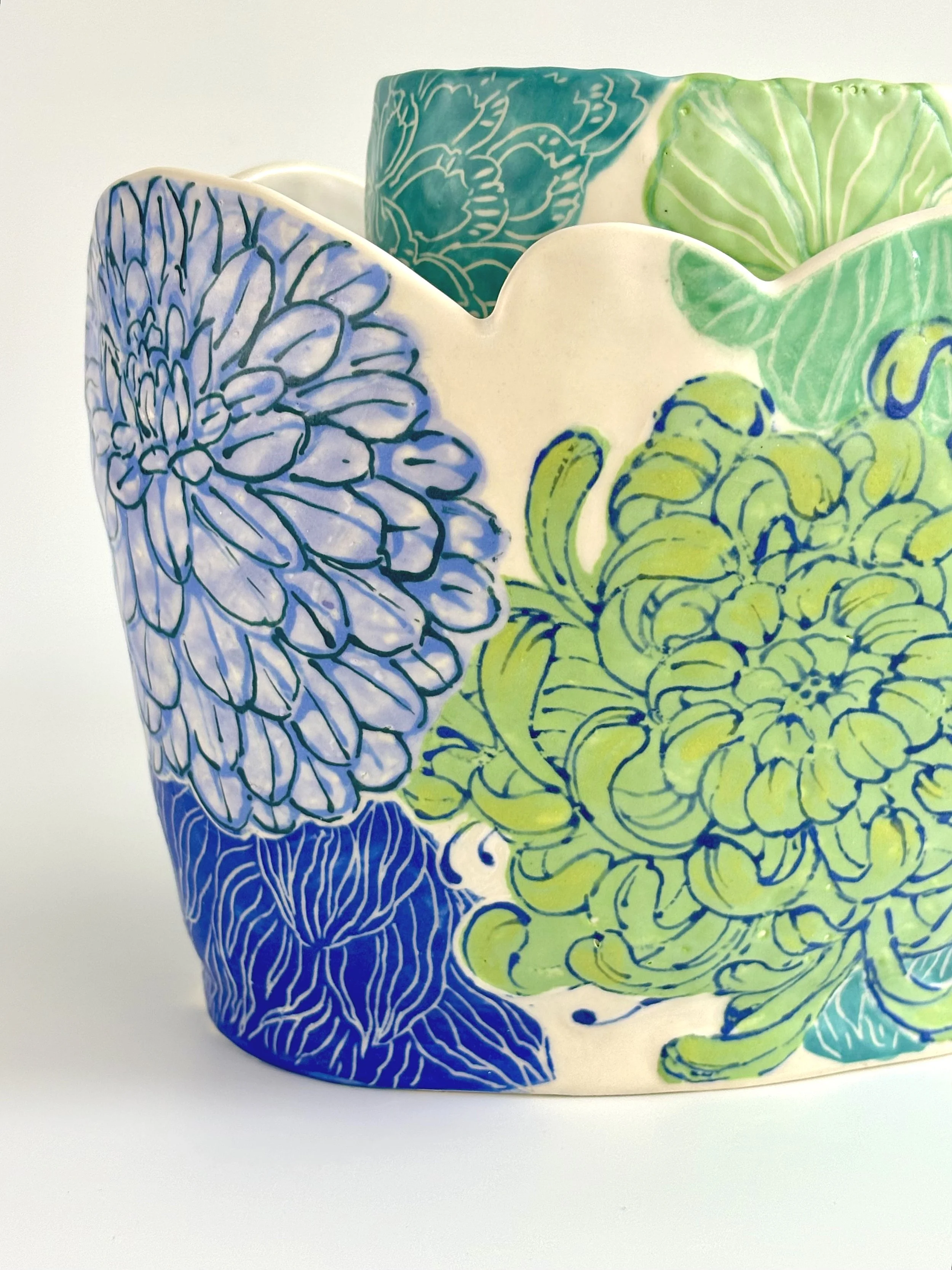
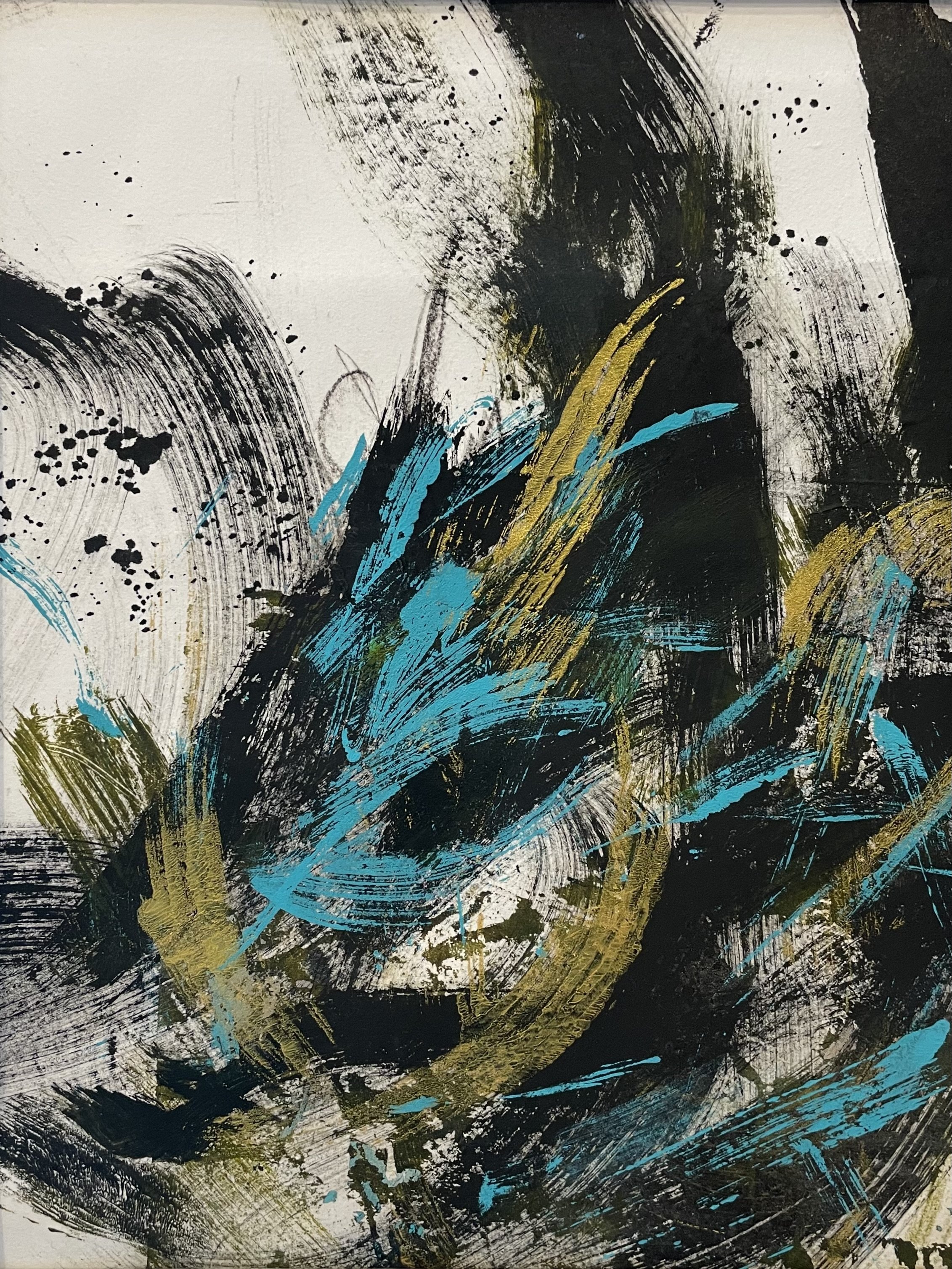
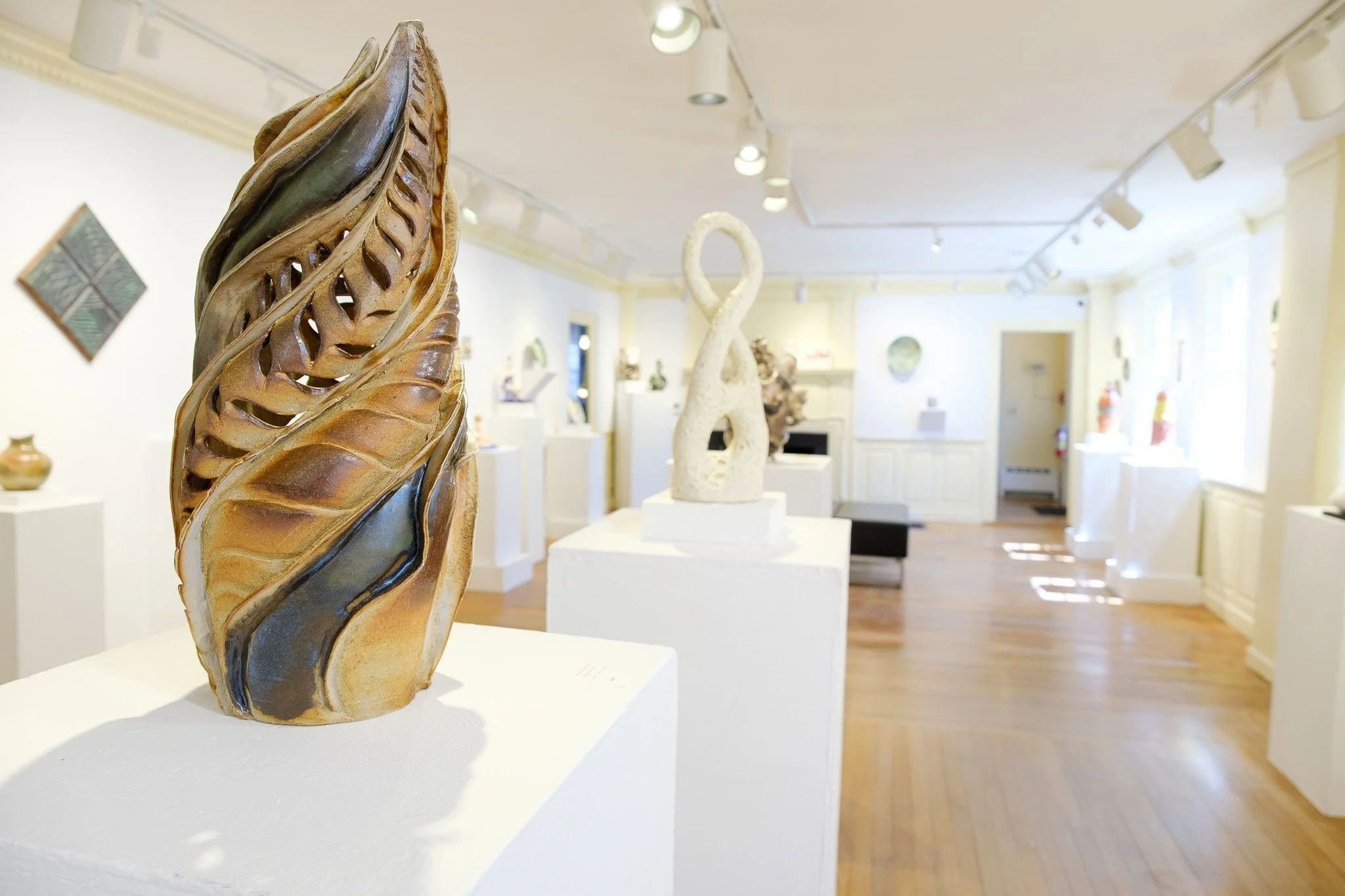
Open Juried Clay Annual Exhibit
April 23 - May 16
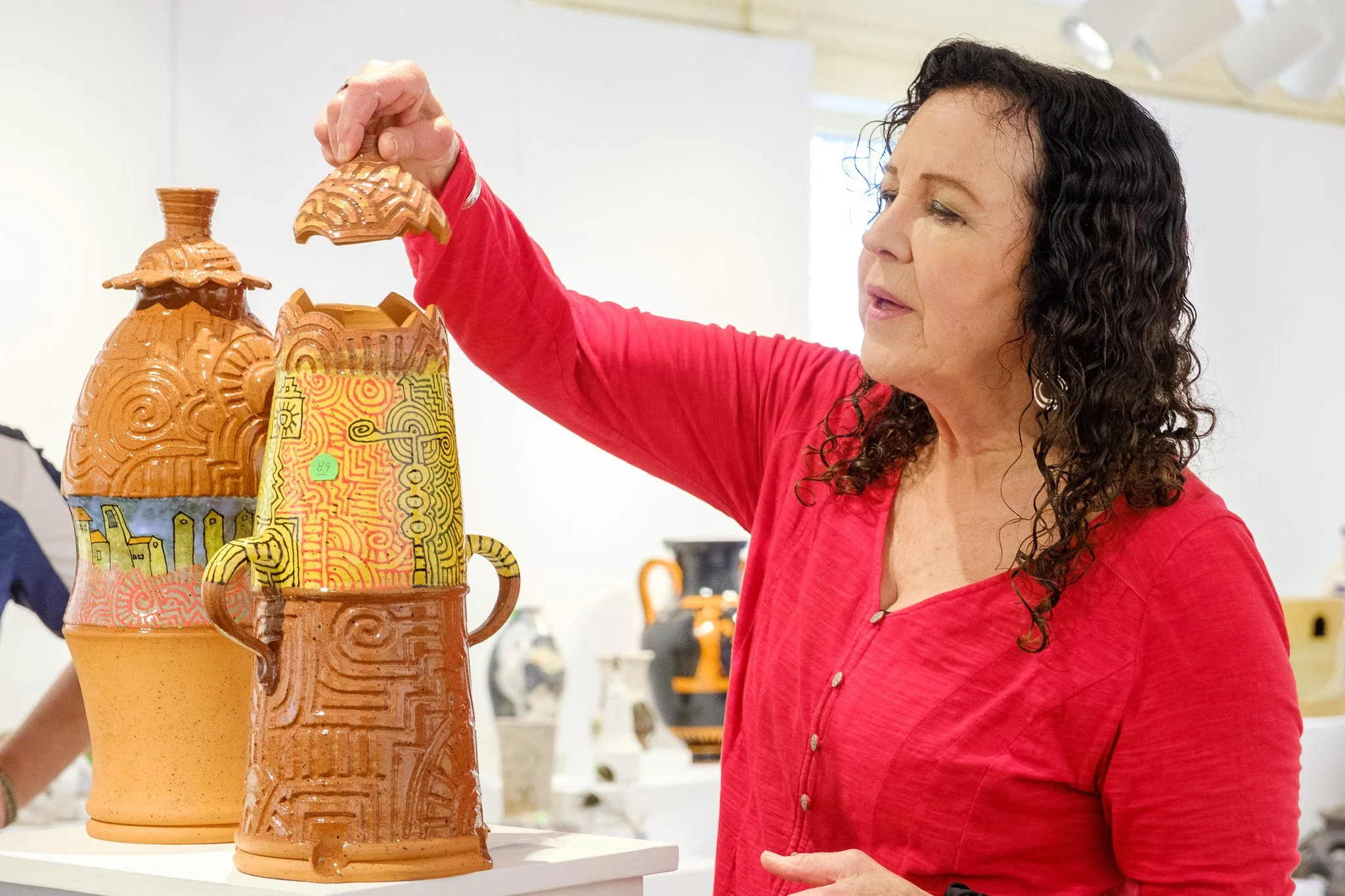
Featuring works selected by our juror Suzanne Hill. Join us at the opening reception for an evening of art, conversation and celebration.
Opening reception
Thursday, April 23, 6-8pm
Awards Presentation at 7pm
Helme House gallery hours
Wednesday - Sunday 1-5pm
live with the art that inspires you
all works are available for purchase
Congratulations to the award winners
-
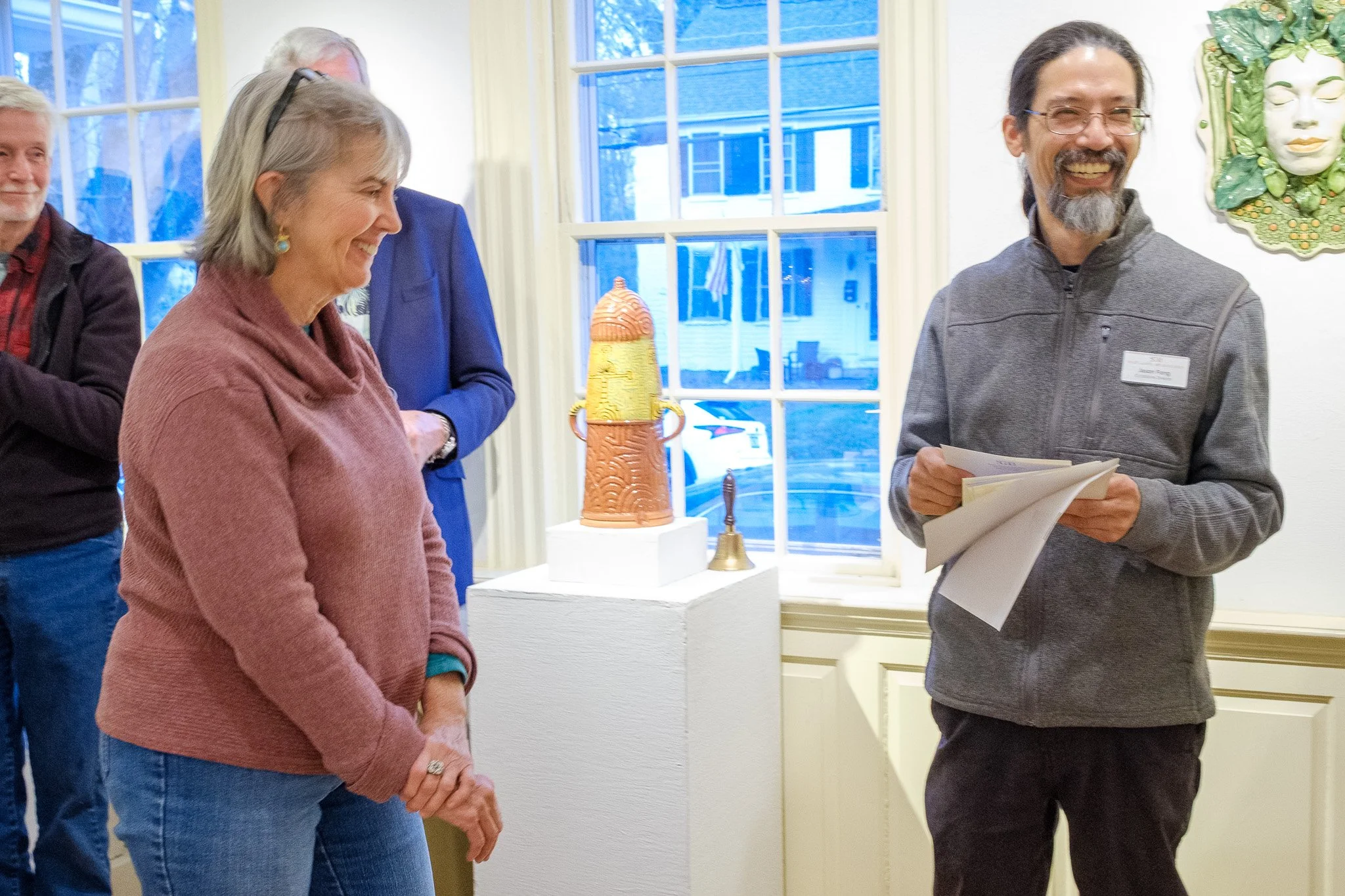
First Place
Laura Rotelli
"Edward"Second Place
Kit Grindeland
"Cloud Form 5"Third Place
Mary Ann Thorne
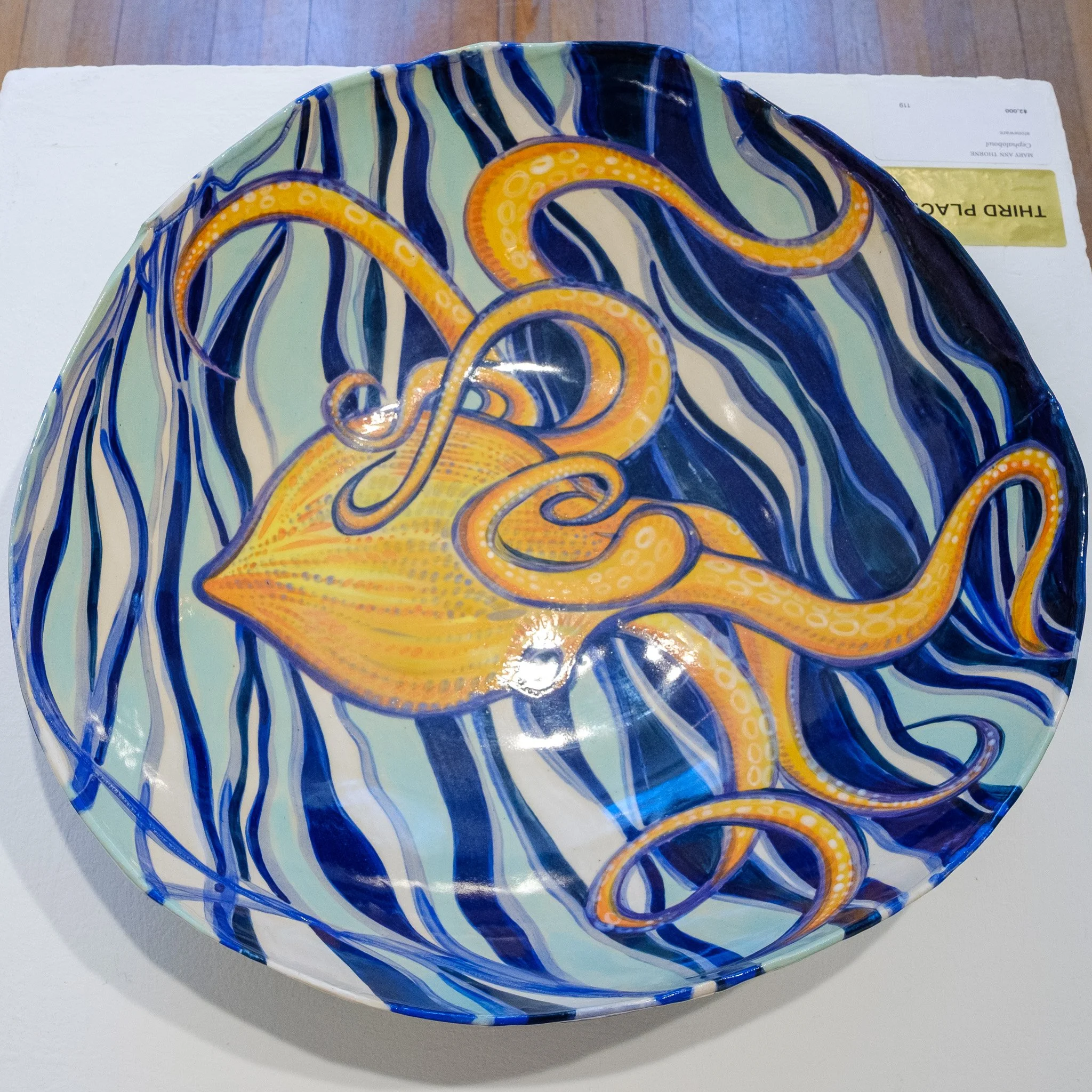
"Cephalobowl" -
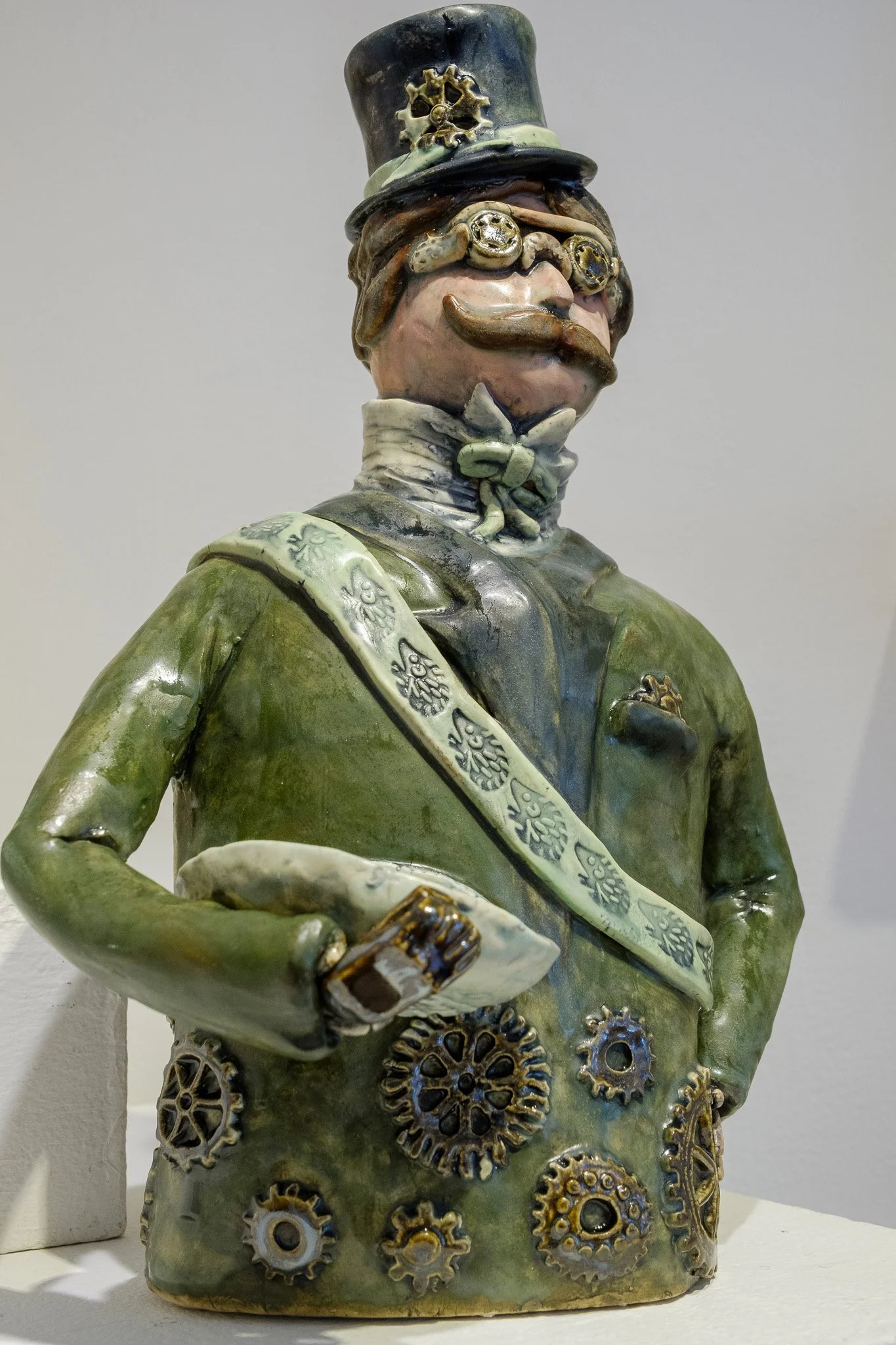
Dea Haupt
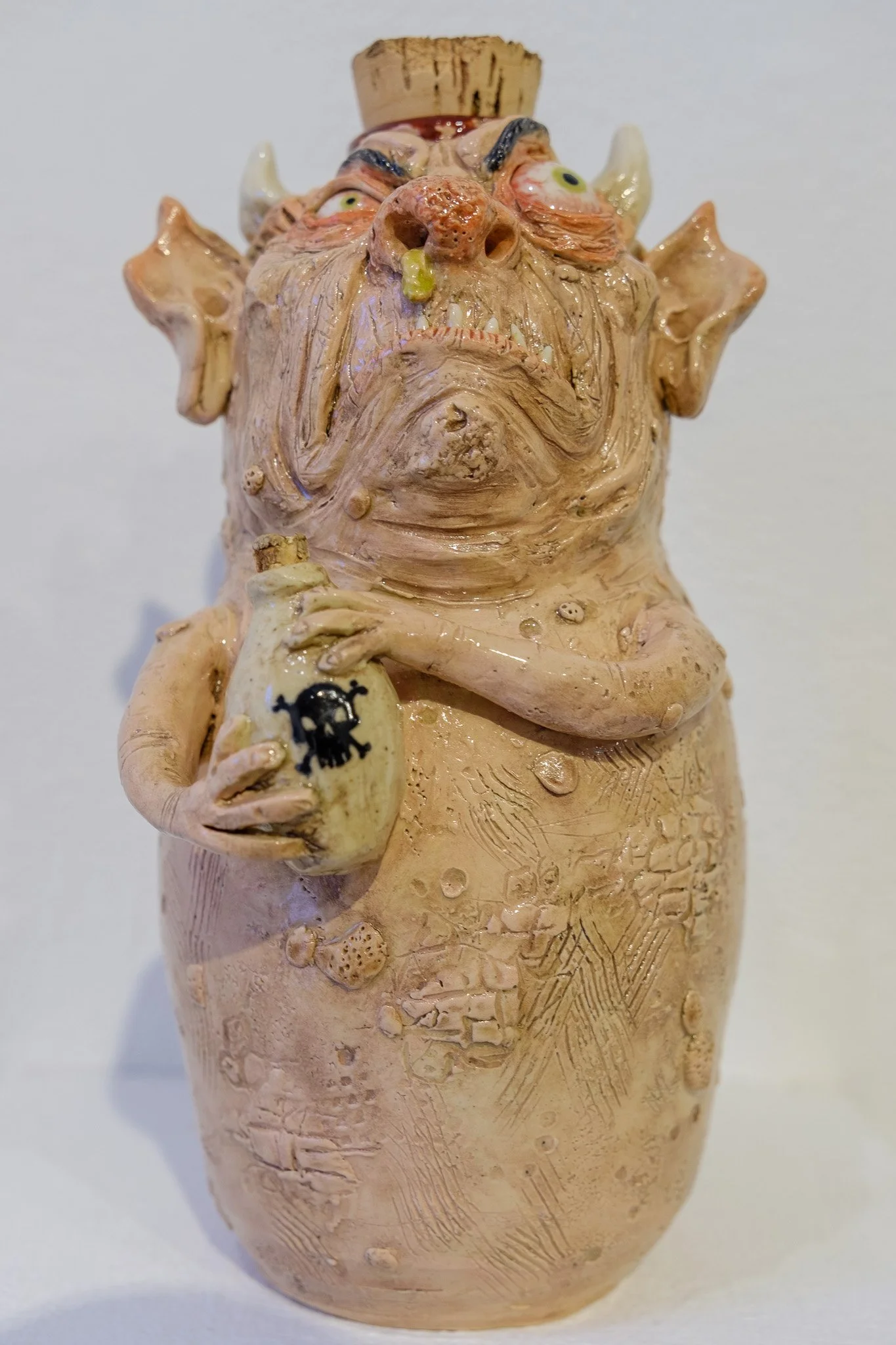
"Lord of the Gears"Jean Cotton
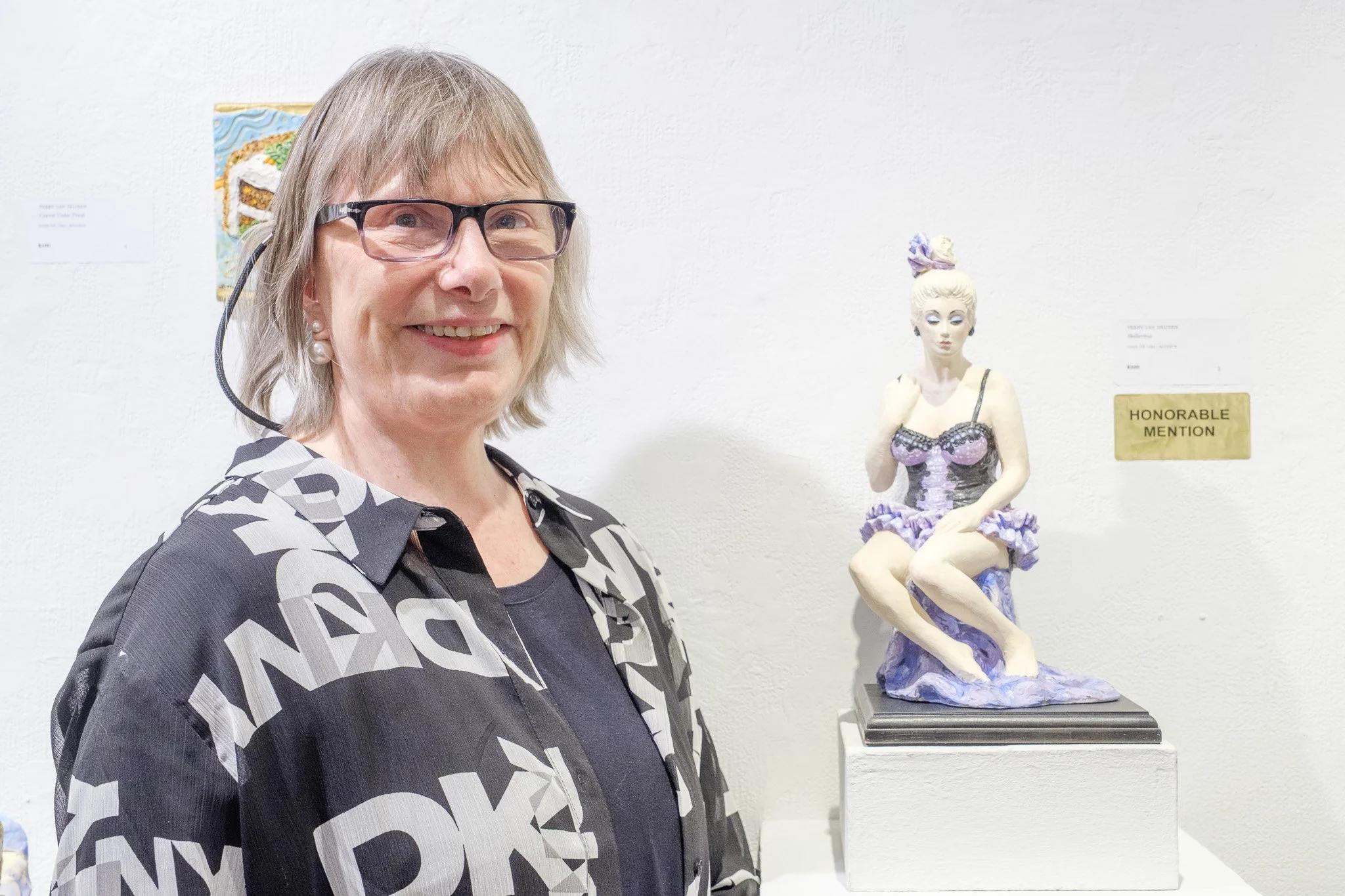
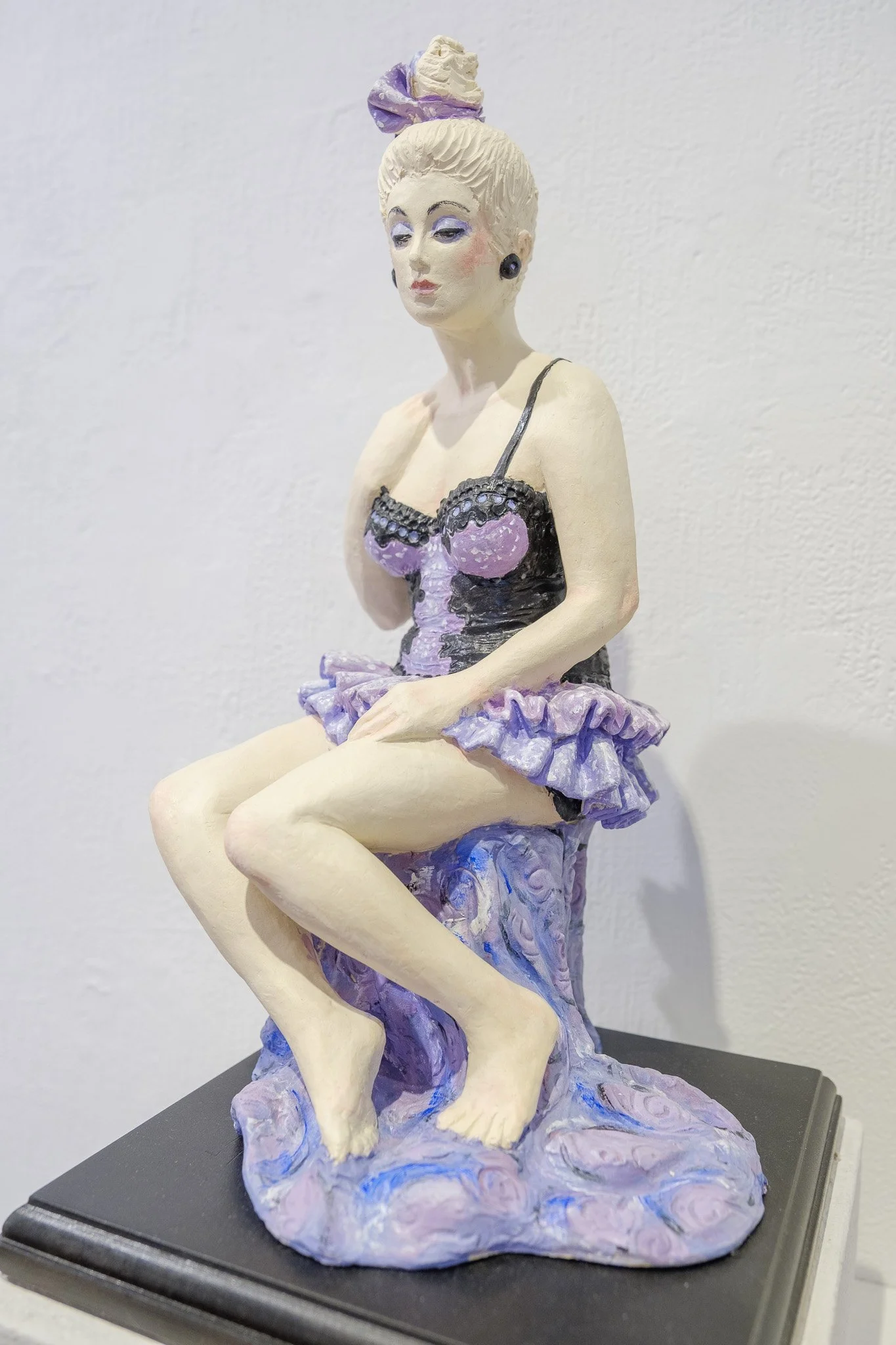
"Pick Your Poison"Terry Van Heusen
"Ballerina"
-
I’d like to share a few thoughts about the jurying process. Each juror brings their own artistic perspective and inherent biases—this is simply part of participating in a juried exhibition. Having been on both sides of the process, I encourage artists not to take decisions personally. A piece that may not resonate with one juror could be highly valued by another in a different context.
It’s also important to recognize that every exhibition develops its own character. In selecting work, I consider not only the strength of individual pieces, but also how they come together to form a cohesive and engaging show.
-
Read the juror’s comments on submitted works from our live jurying event.
-
![2026 Earthworks Exhibit]()
2026 Earthworks Exhibit
-
![Ted Green 1st Place]()
First Place, Laura Rotelli
"Edward"
-
![]()
1st Place, Laura Rotelli
Edward
SOLD -
![]()
Second Place, Kit Grindeland
"Cloud Form 5"
-
![2nd place winner]()
Second Place, Kit Grindeland
Cloud Form 5
-
![]()
Third Place, Mary Ann Thorne
Cephalobowl
-
![Mary Ann Thorne 3rd Place]()
Third Place, Mary Ann Thorne
Cephalobowl
-
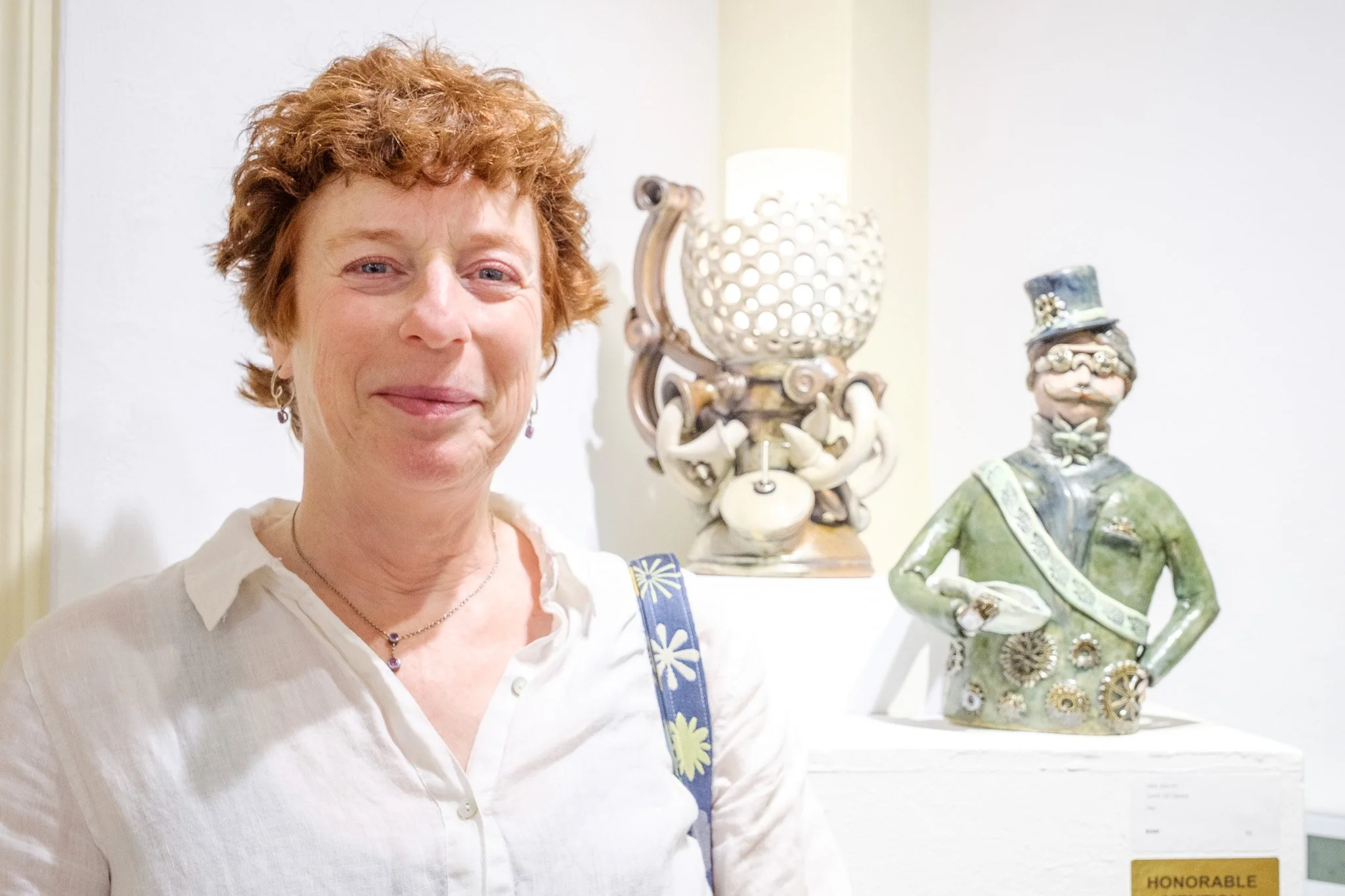
![Dea Haupt Honorable Mention]()
Dea Haupt, Honorable Mention
Lord of the Gears
-
![Honorable Mention Dea Haupt]()
Honorable Mention Dea Haupt
Lord of the Gears
-
![Jean Cotton, Honorable Mention]()
Jean Cotton Honorable Mention
Pick Your Poison
-
![Jean Cotton, Honorable Mention]()
Jean Cotton, Honorable Mention
Pick your Poison
-
![Terry Van Heusen,, Honorable Mention]()
Terry Van Heusen, Honorable Mention
Ballerina
-
![Terry Van Heusen, Honorable Mention]()
Terry Van Heusen, Honorable Mention
Ballerina
-
![]()
Juror Suzanne Hill
-
![2026 Earthworks Exhibit]()
2026 Earthworks Exhibit
-
![2026 Earthworks Exhibit]()
2026 Earthworks Exhibit
-
![2026 Earthworks Exhibit]()
2026 Earthworks Exhibit
-
![2026 Earthworks Exhibit]()
2026 Earthworks Exhibit
-
![2026 Earthworks Exhibit]()
2026 Earthworks Exhibit
-
![2026 Earthworks Exhibit]()
2026 Earthworks Exhibit
-
![2026 Earthworks Exhibit]()
2026 Earthworks Exhibit
-
![2026 Earthworks Exhibit]()
2026 Earthworks Exhibit
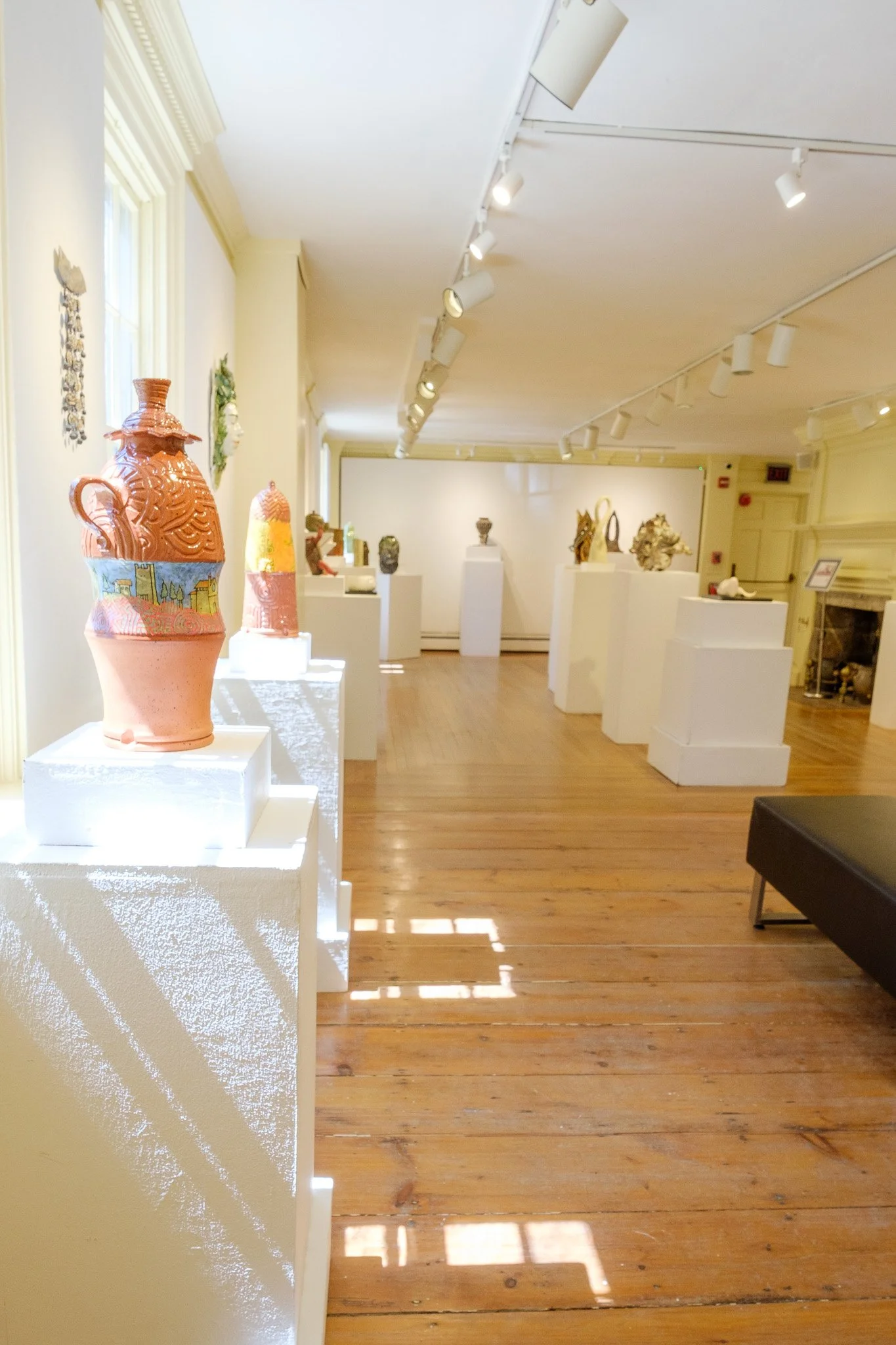
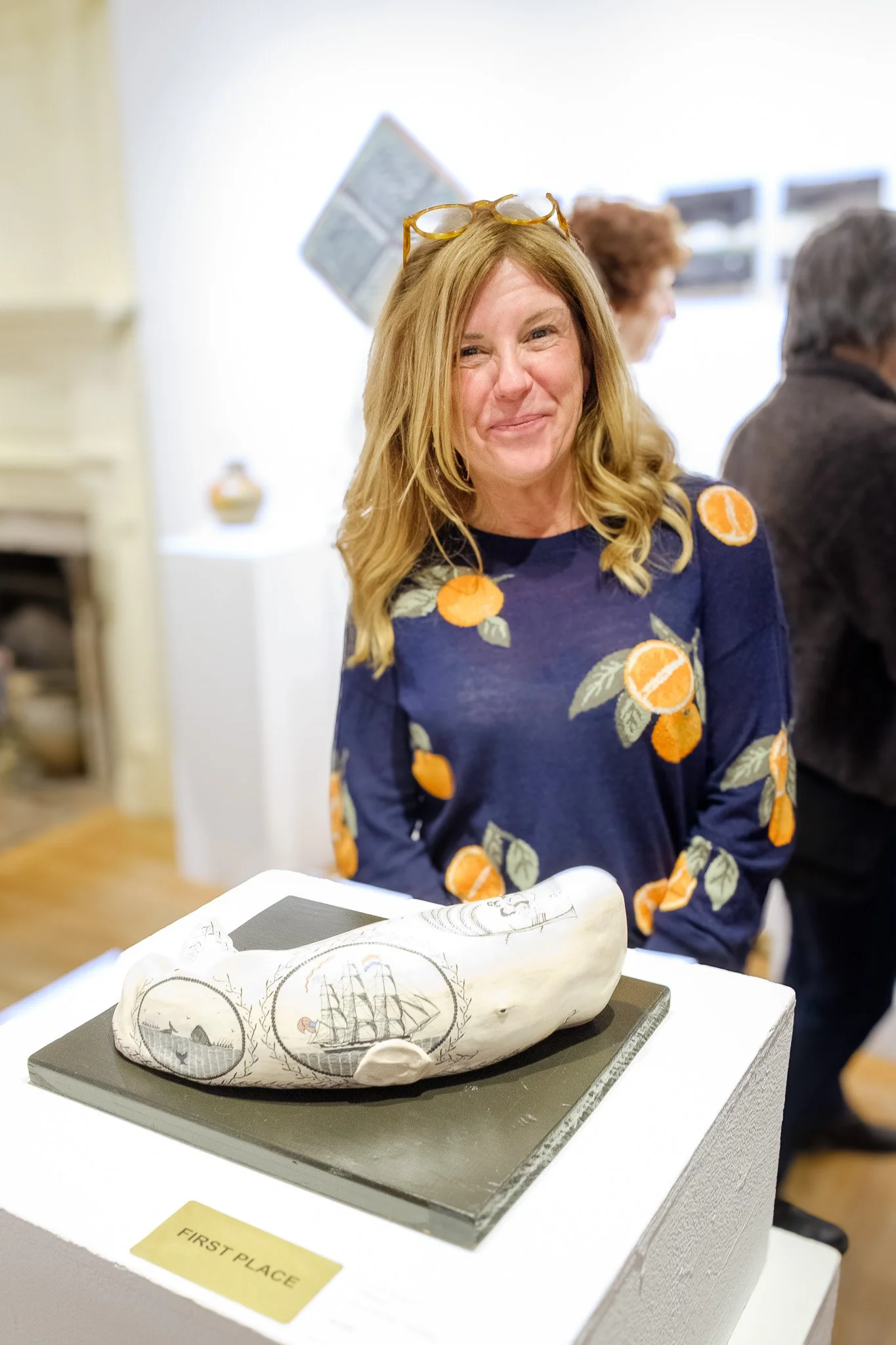
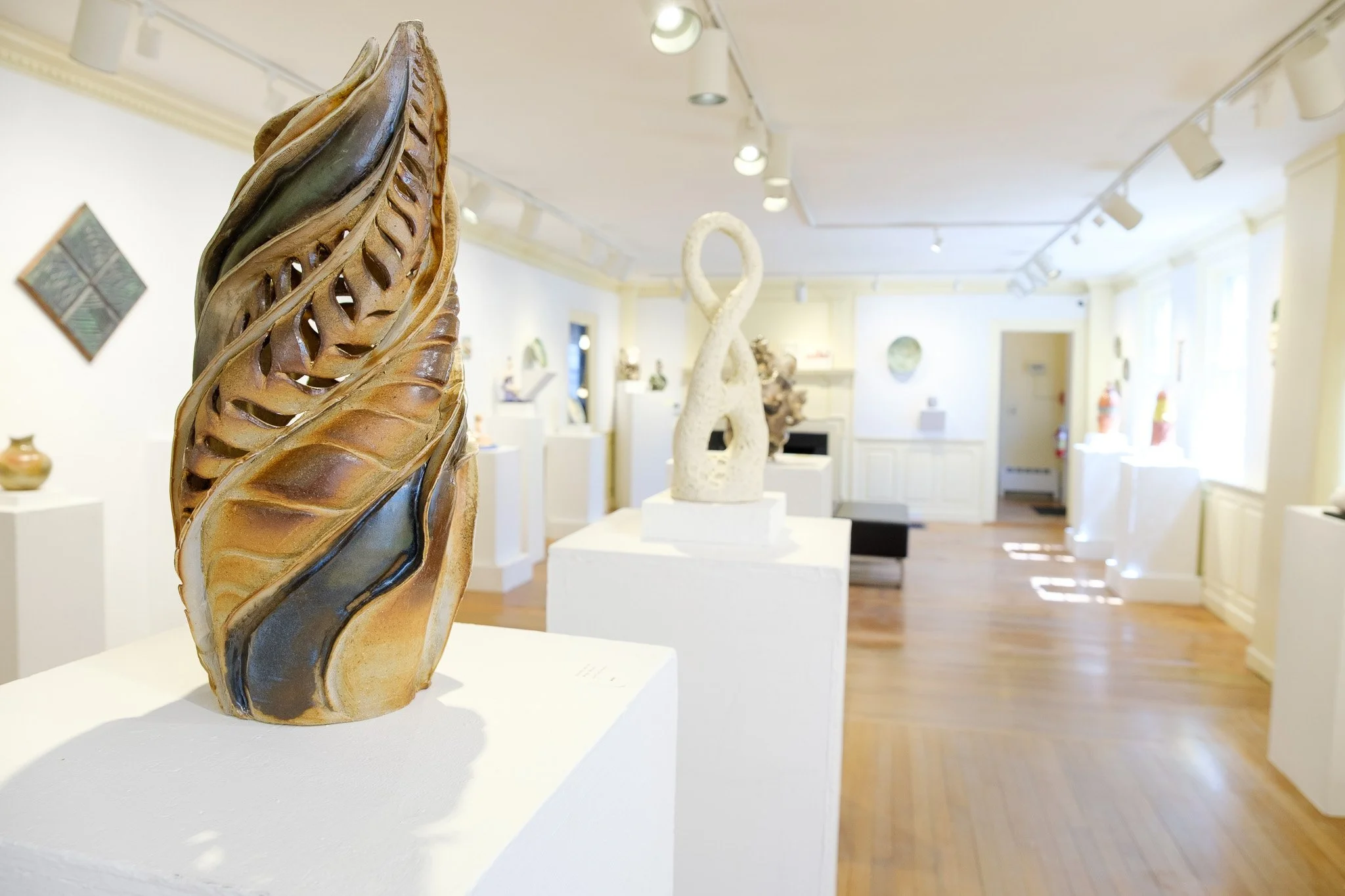
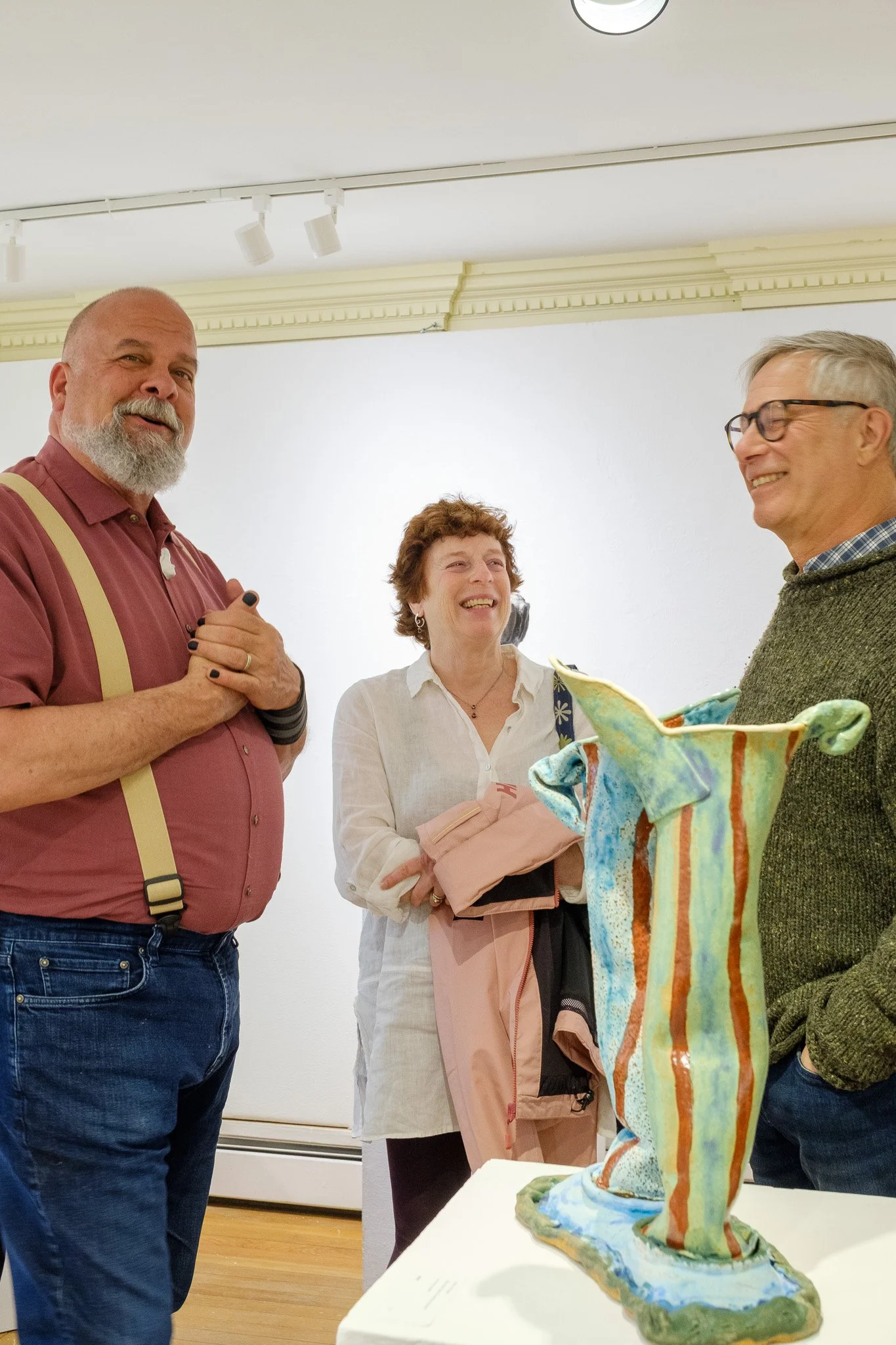
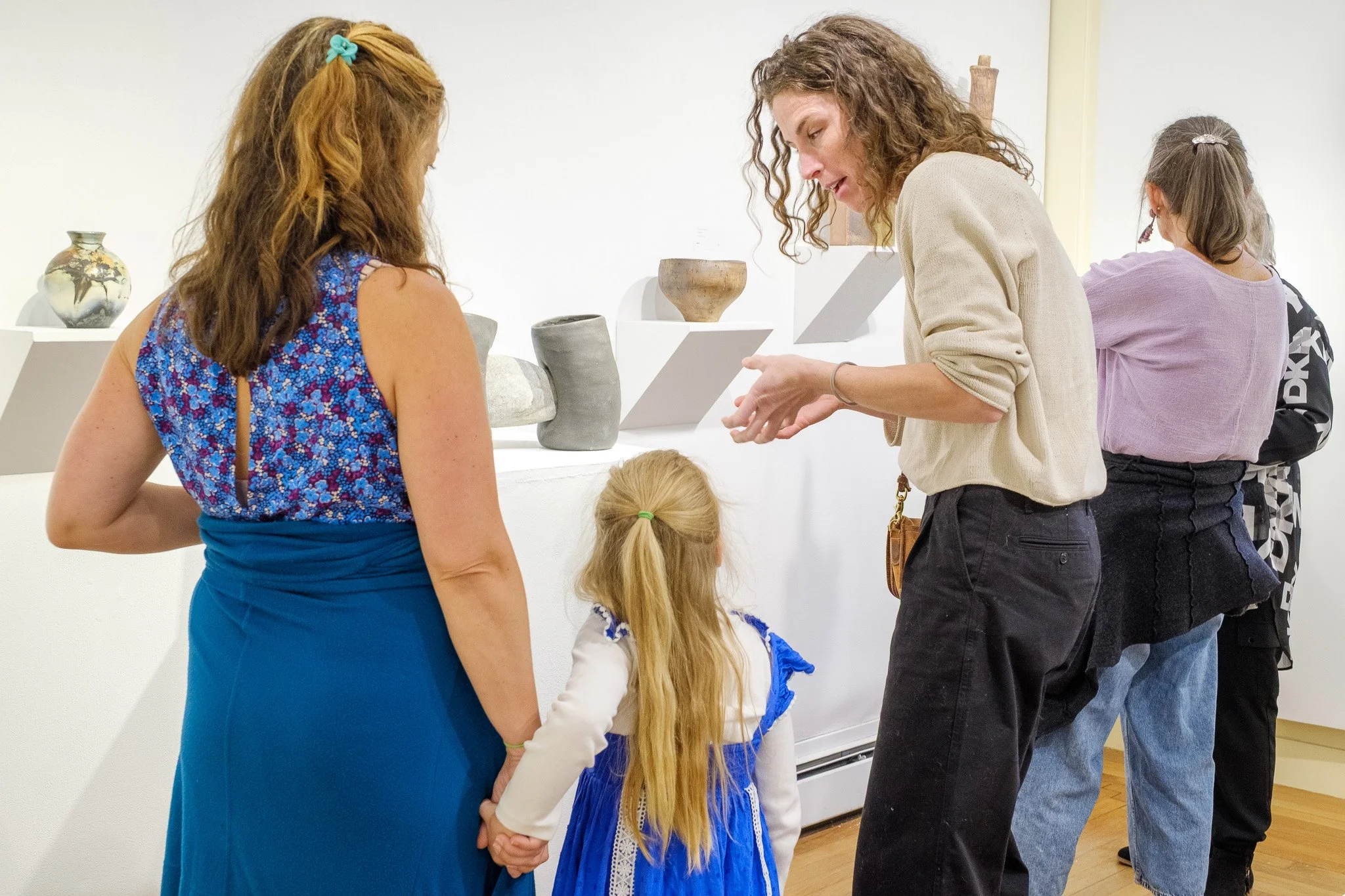
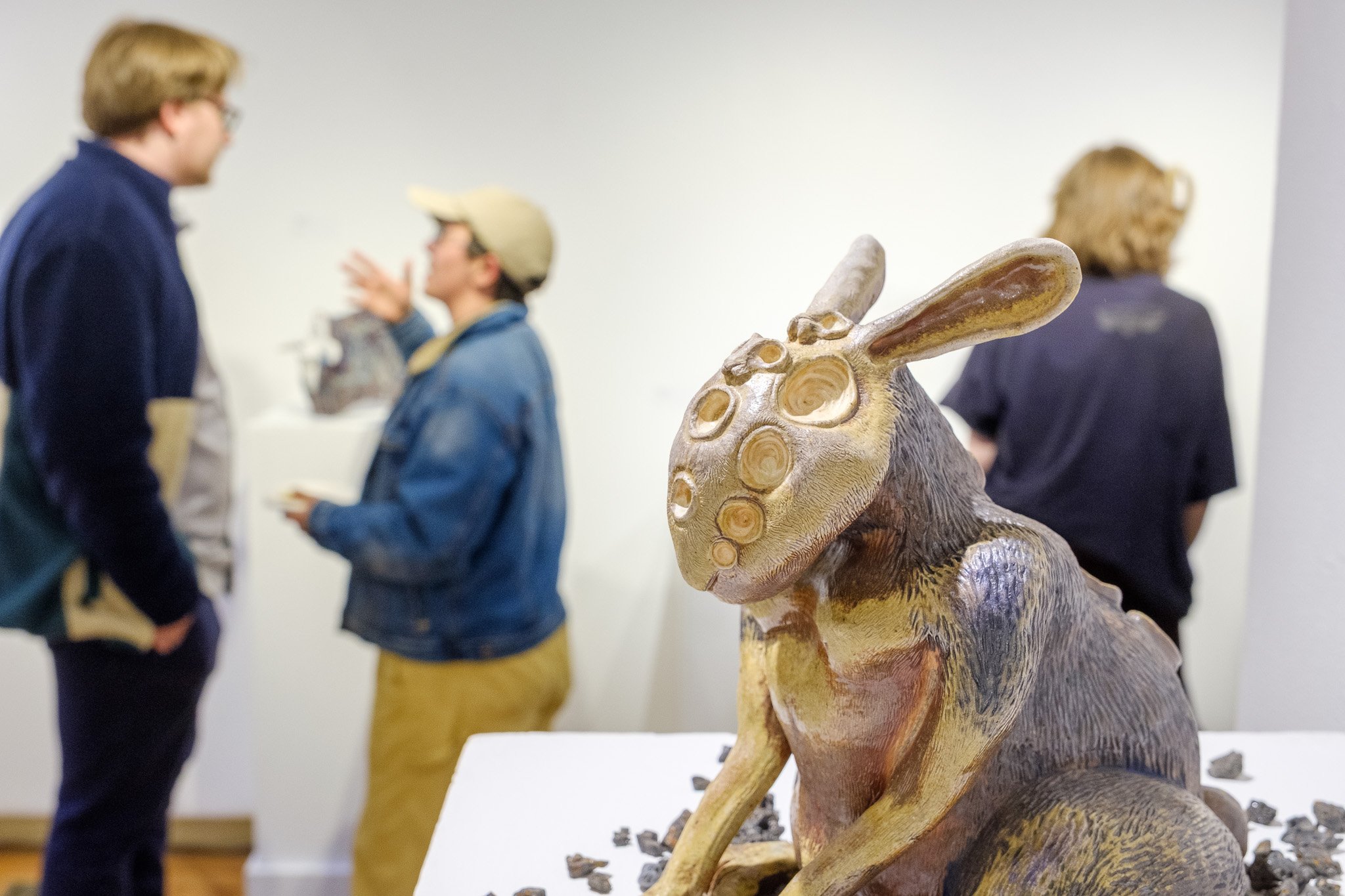
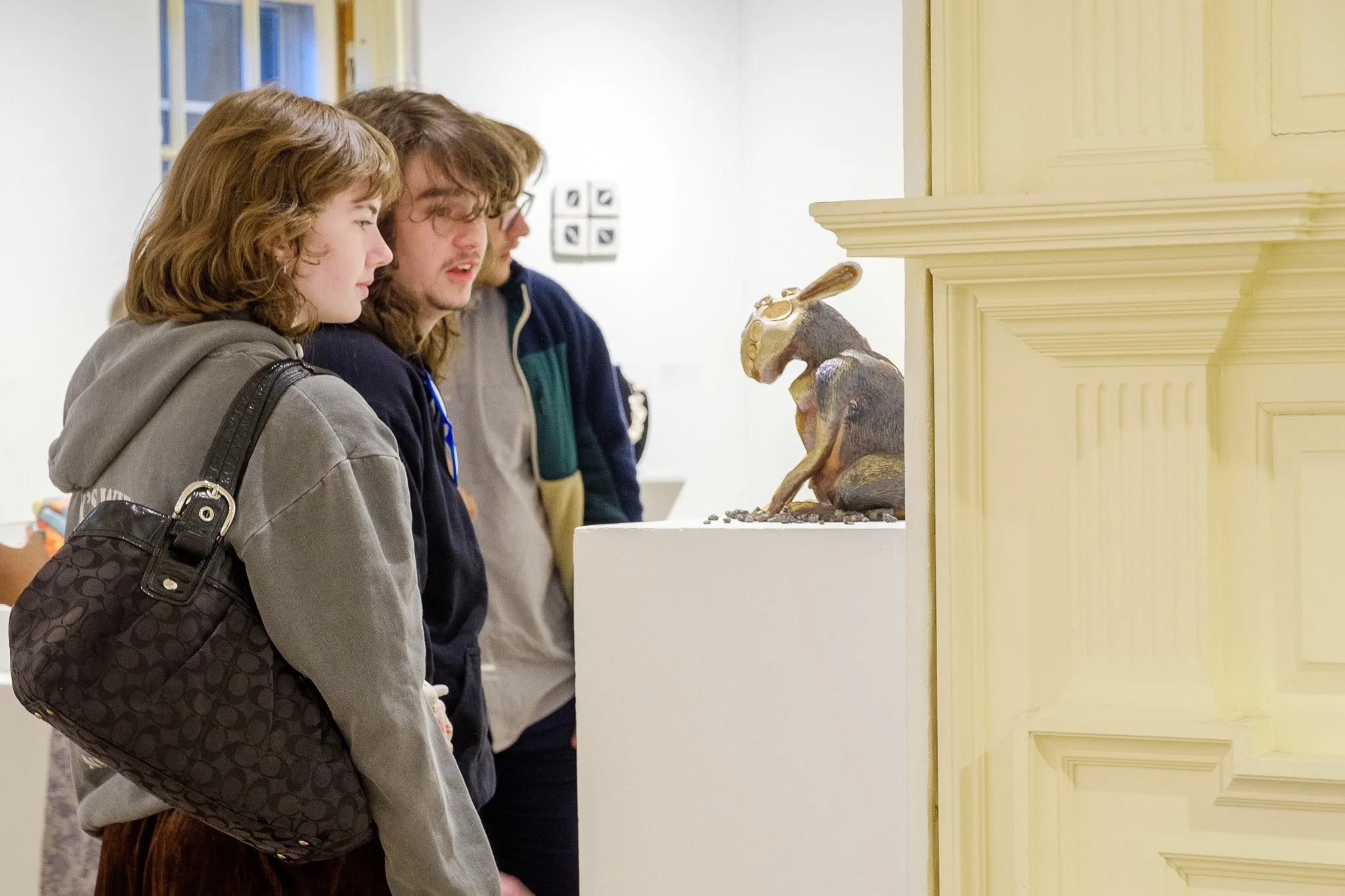
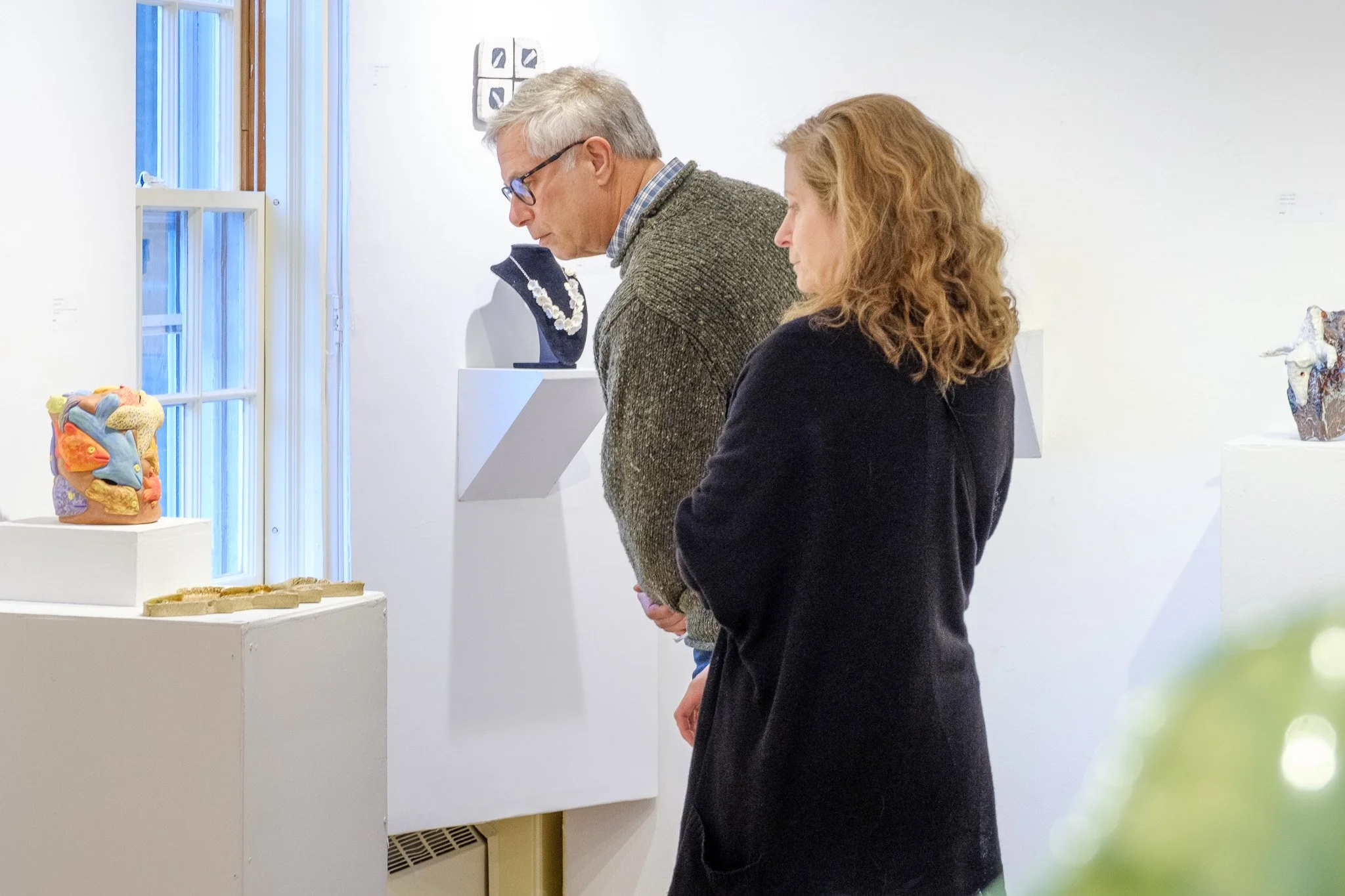
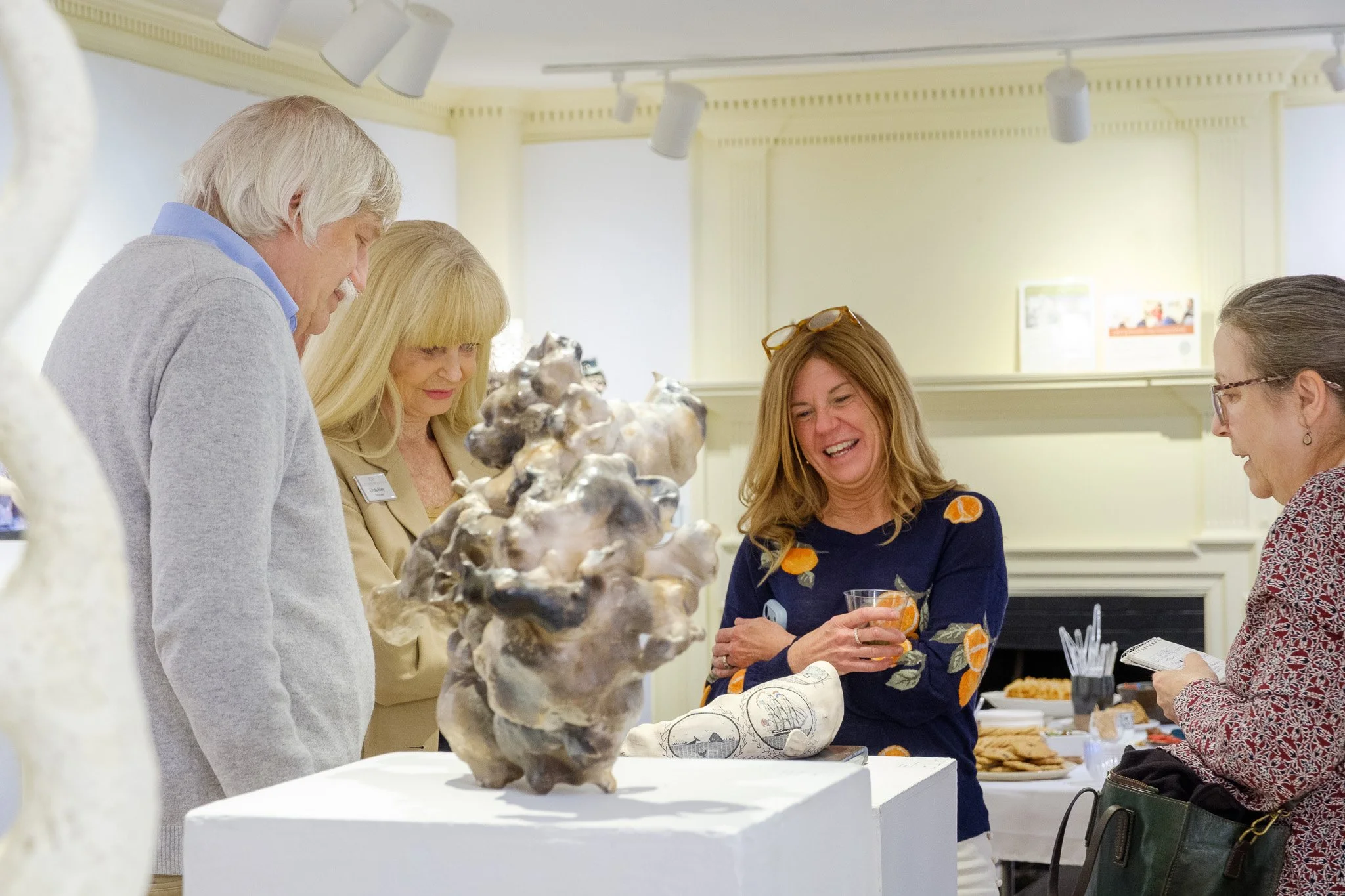
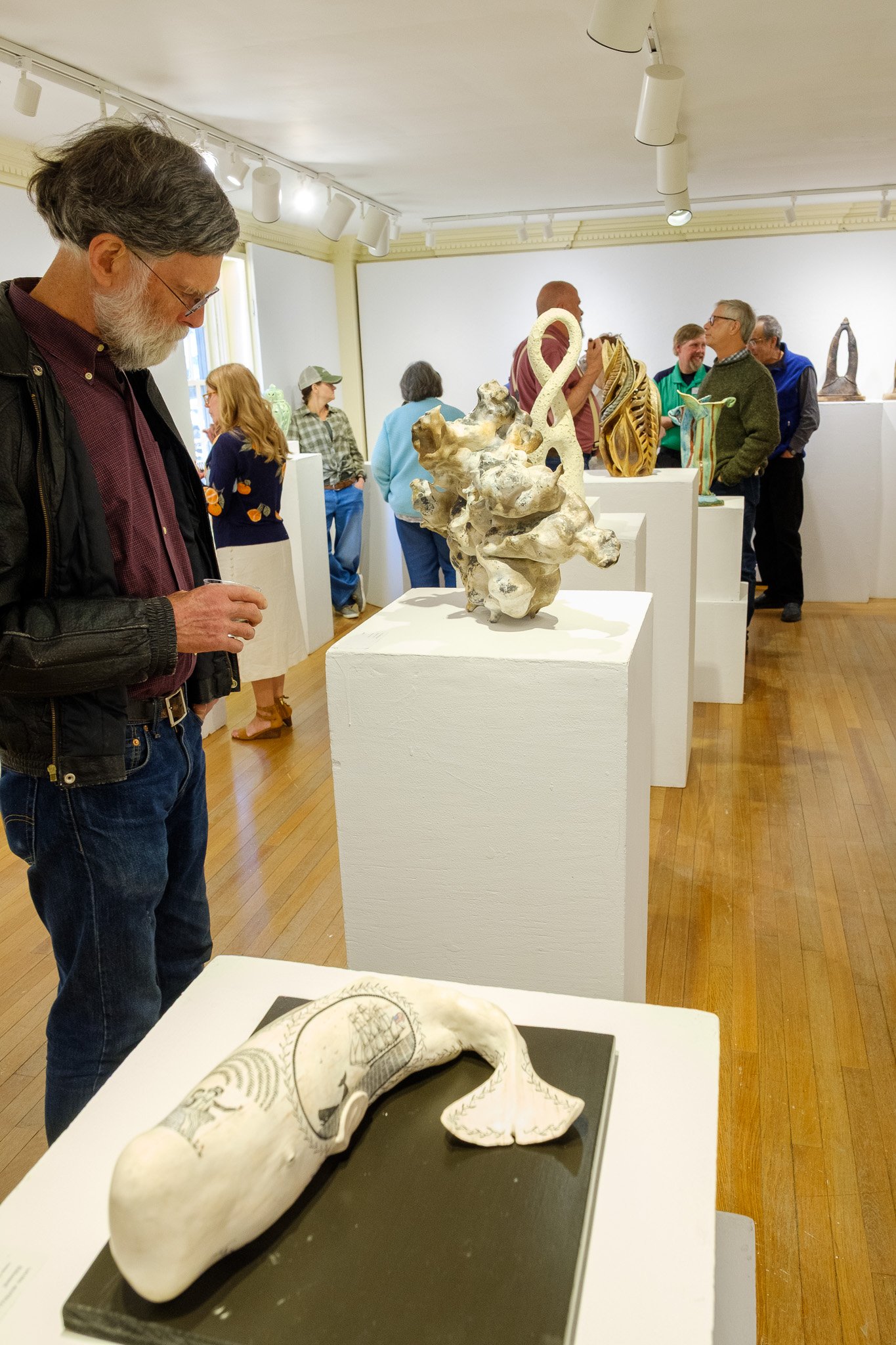
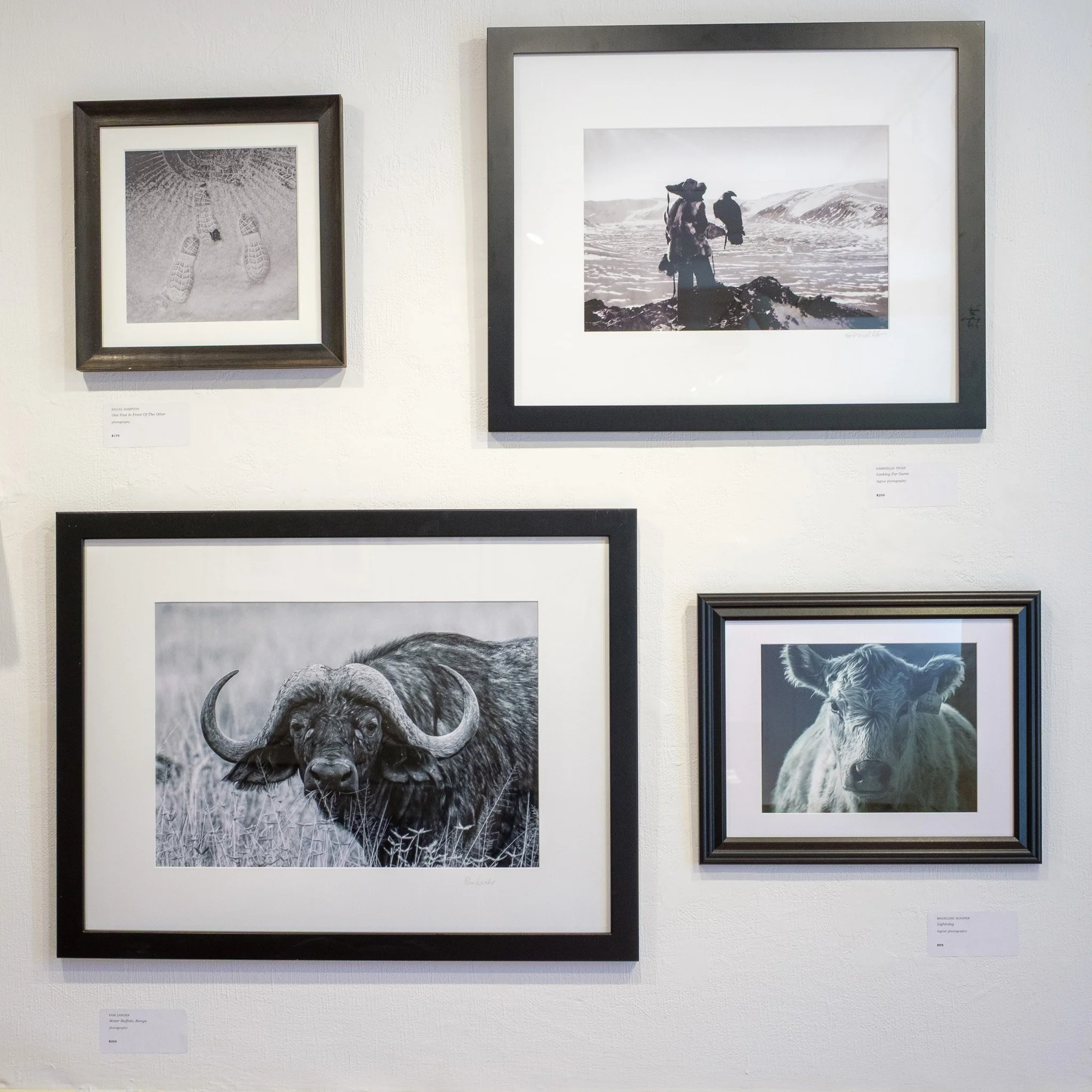
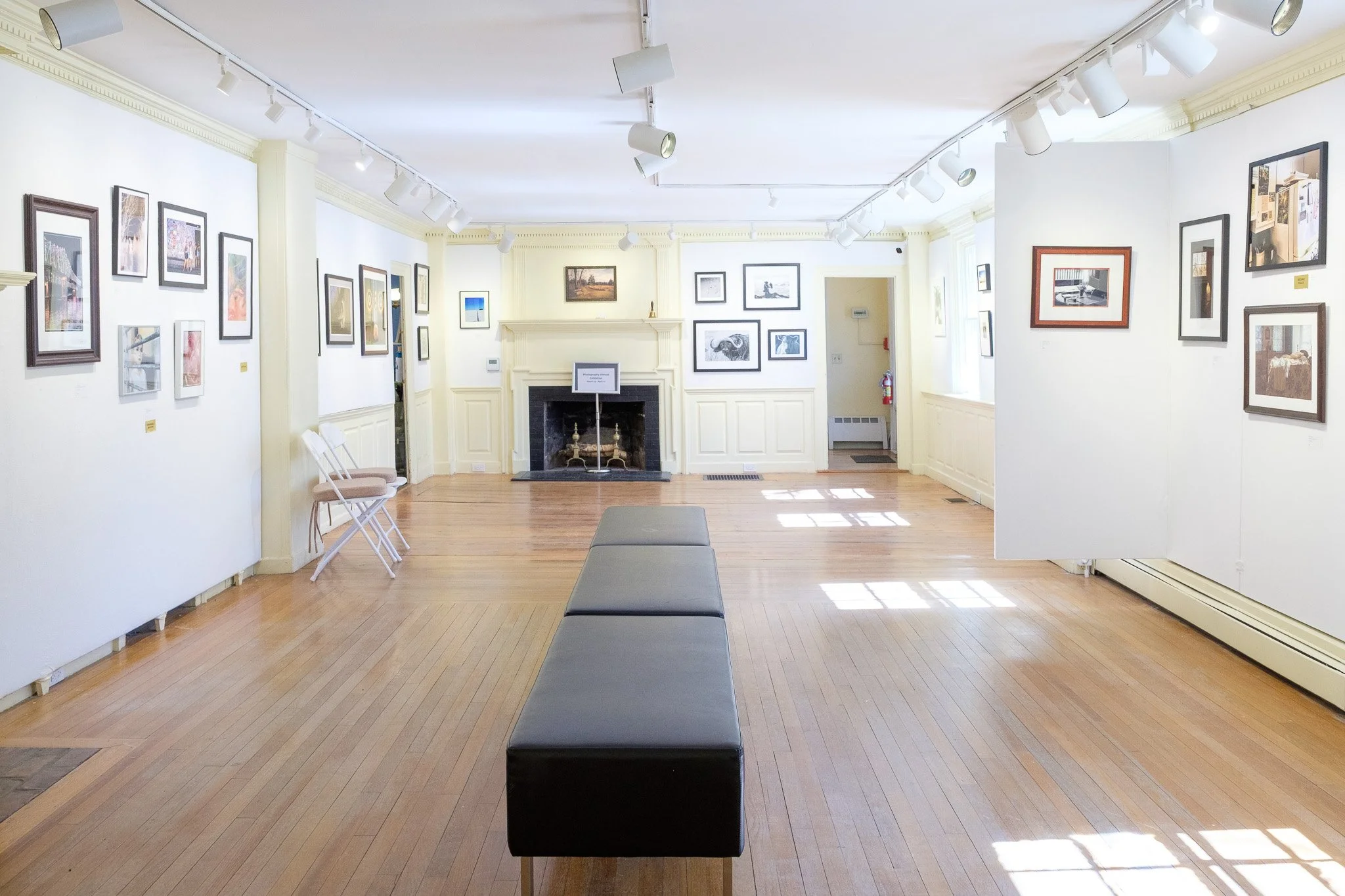
Photography Open Juried Annual Exhibit
March 19 - April 11
Featuring works selected by our juror Carrie Usmar. Join us at the opening reception for an evening of art, conversation and celebration.
Opening reception
Thursday, March 19, 6-8pm
Awards Presentation at 7pm
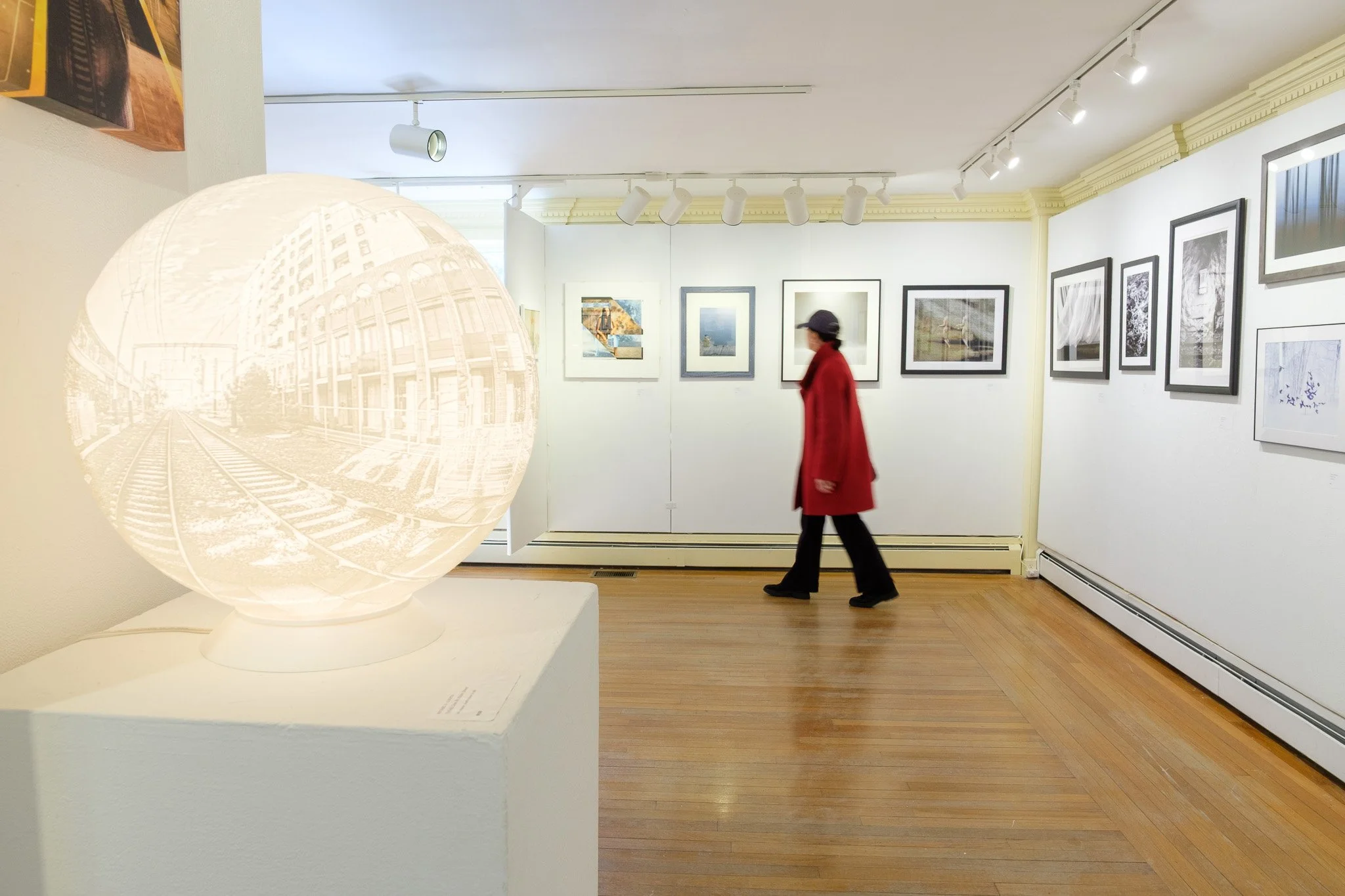
live with the art that inspires you
all works are available for purchase
Congratulations to the award winners
-
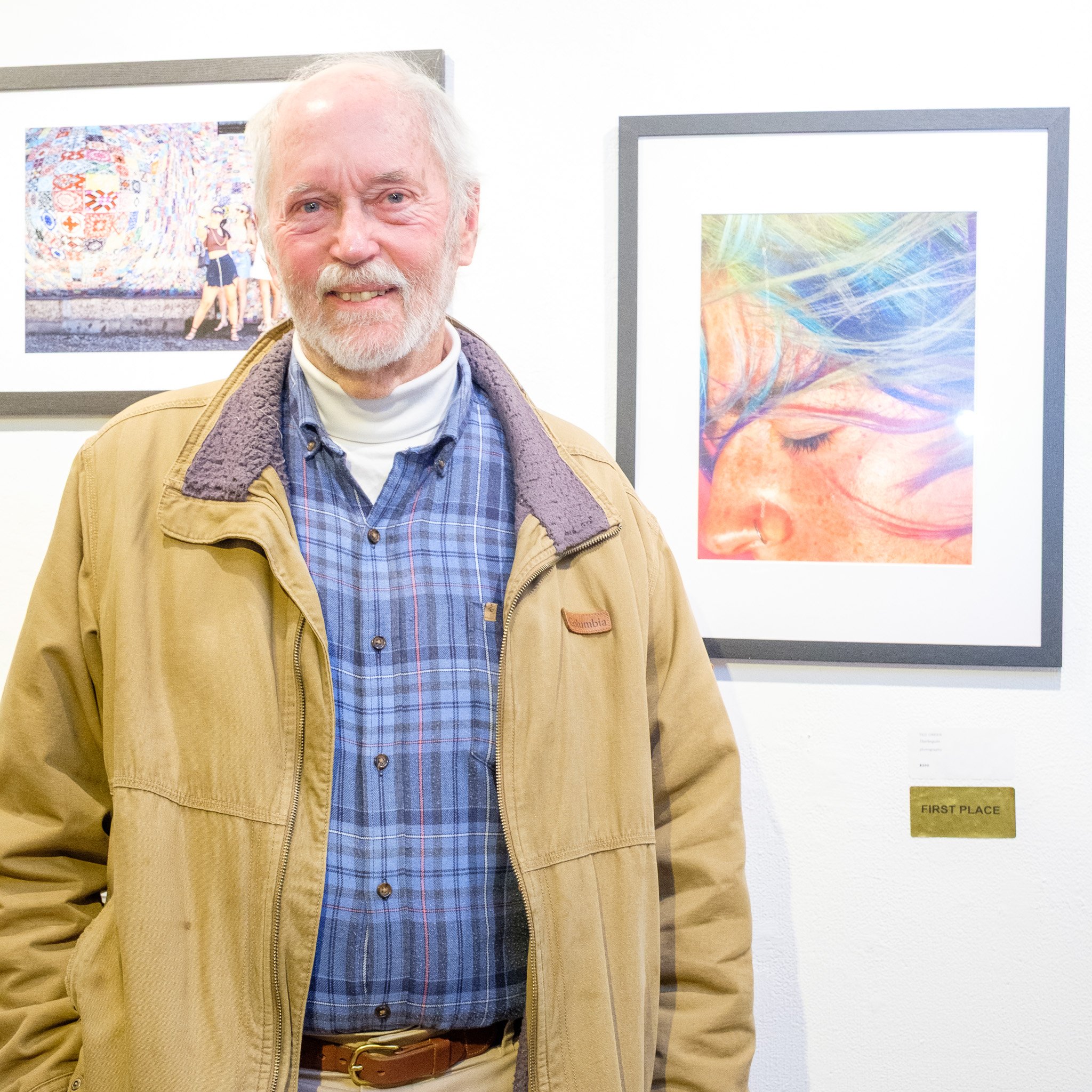
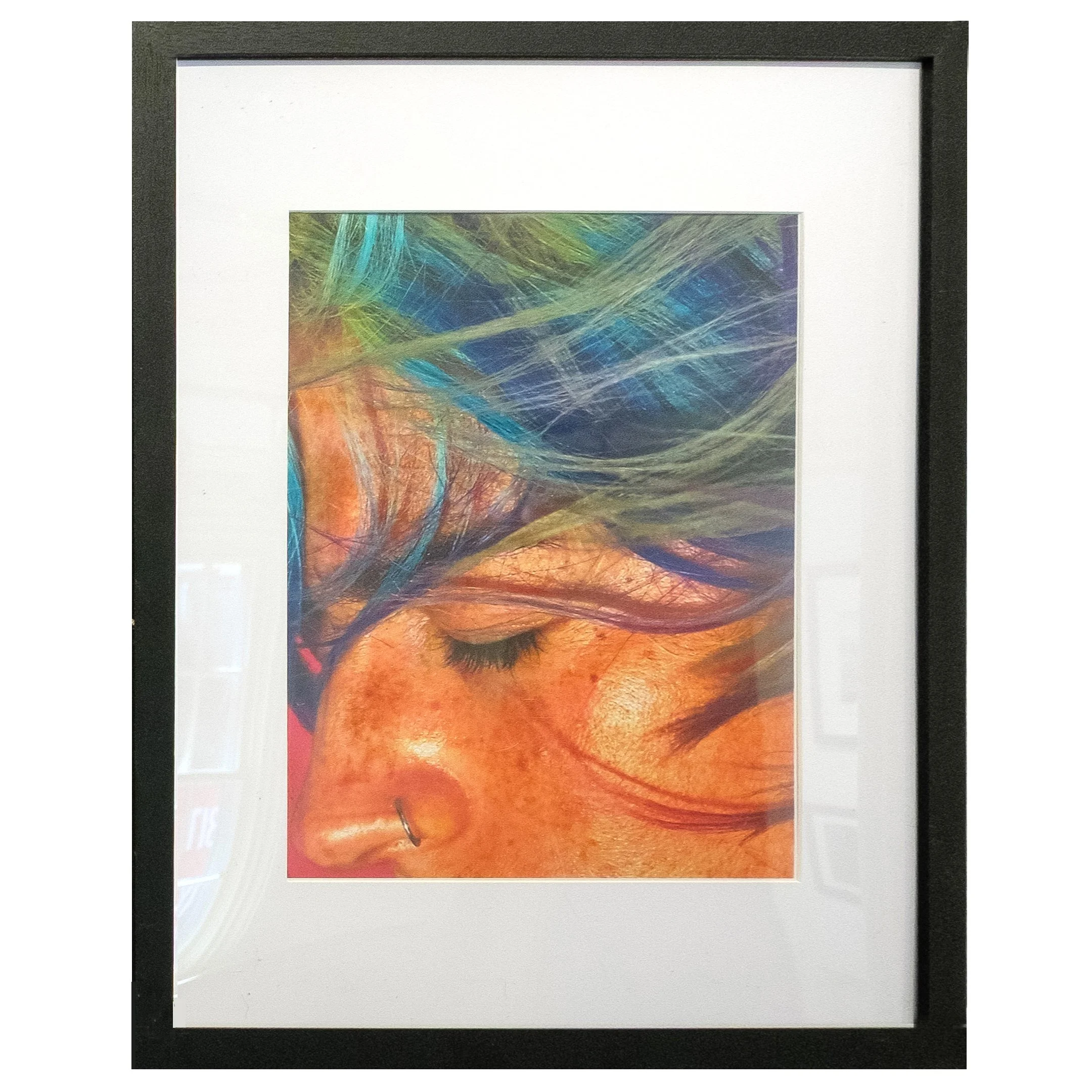
First Place
Ted Green
Harlequin
PhotographySecond Place
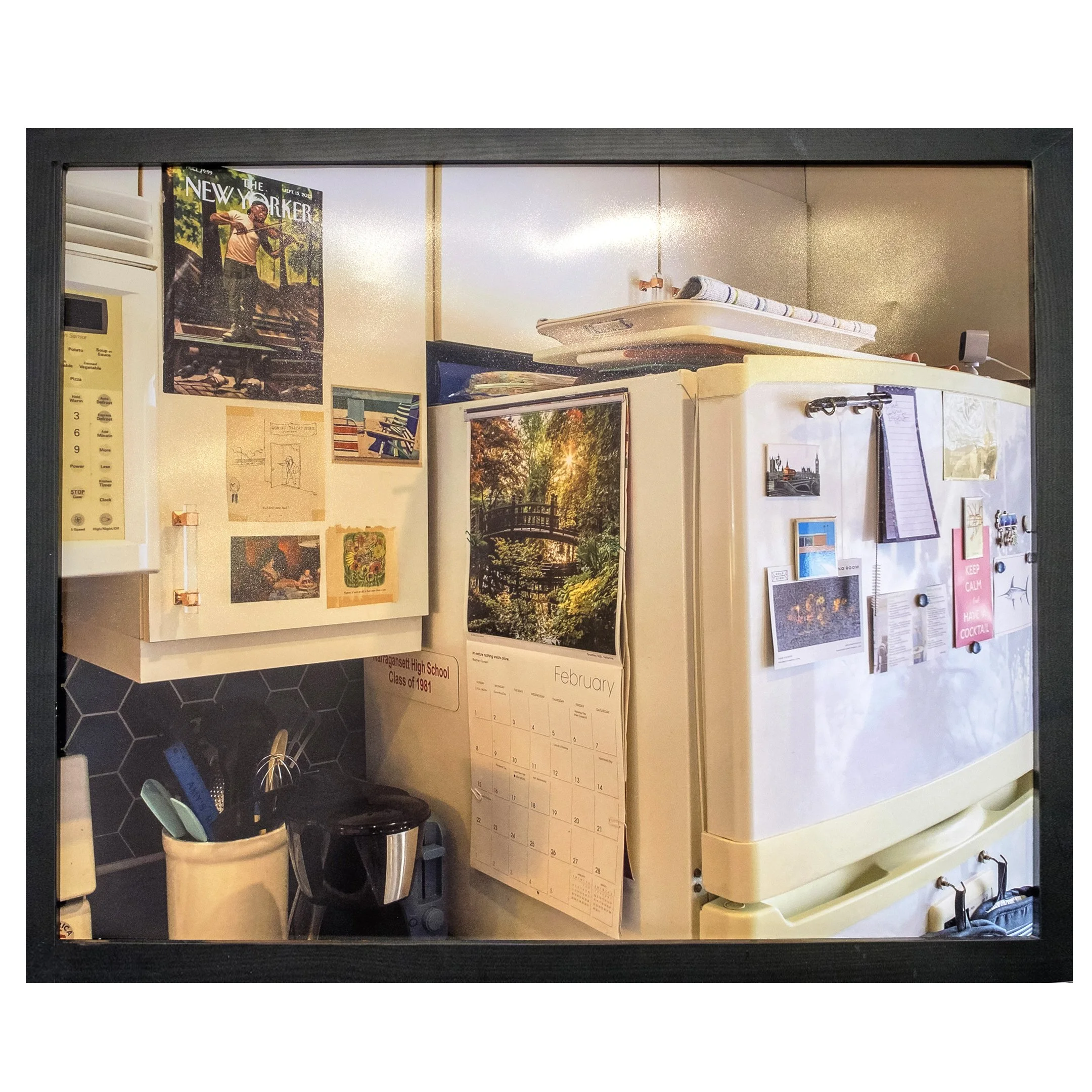
Amy White
My Kitchen (2026)
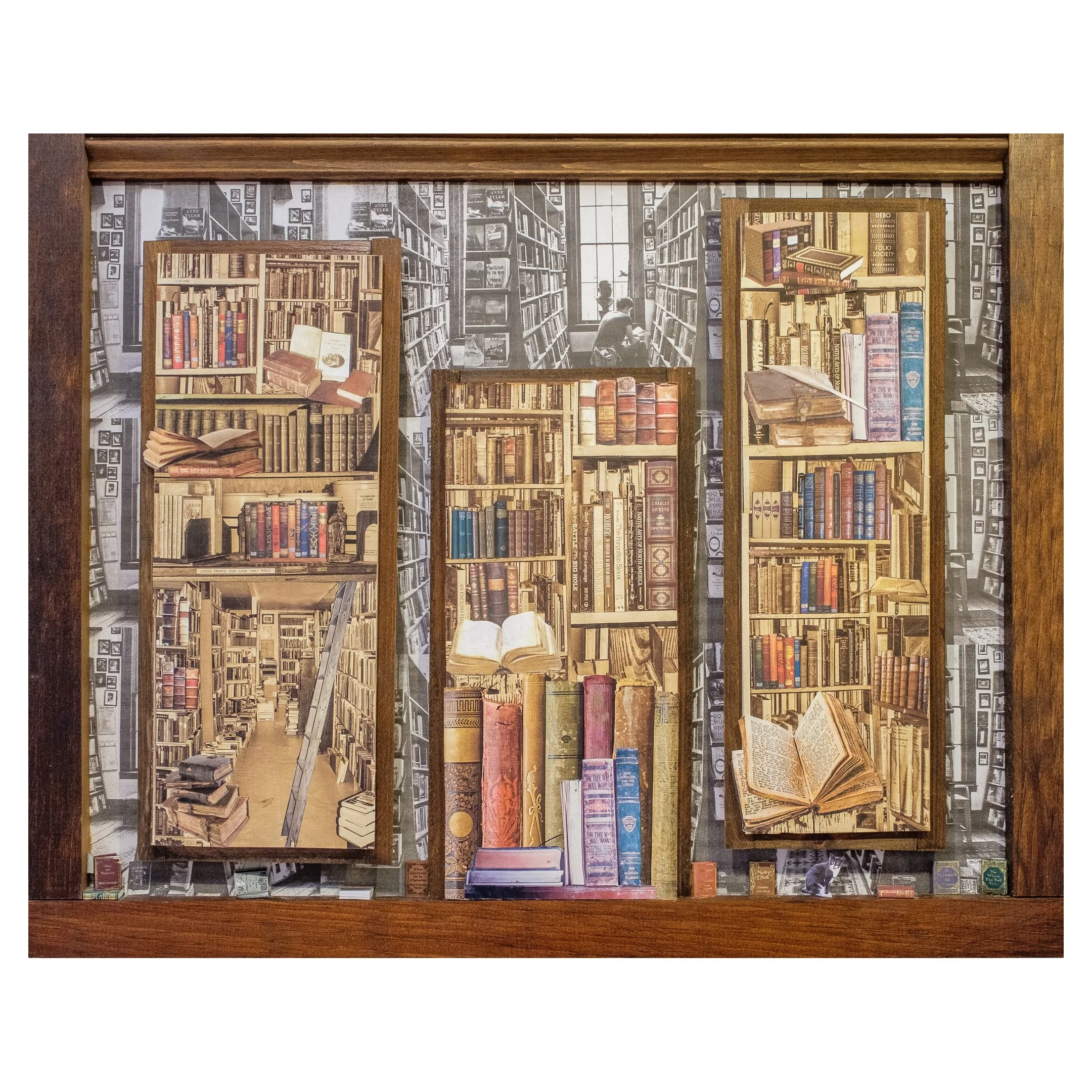
PhotographyThird Place
Greta Cohen
Old Time BookStore – Kingston
Photography -
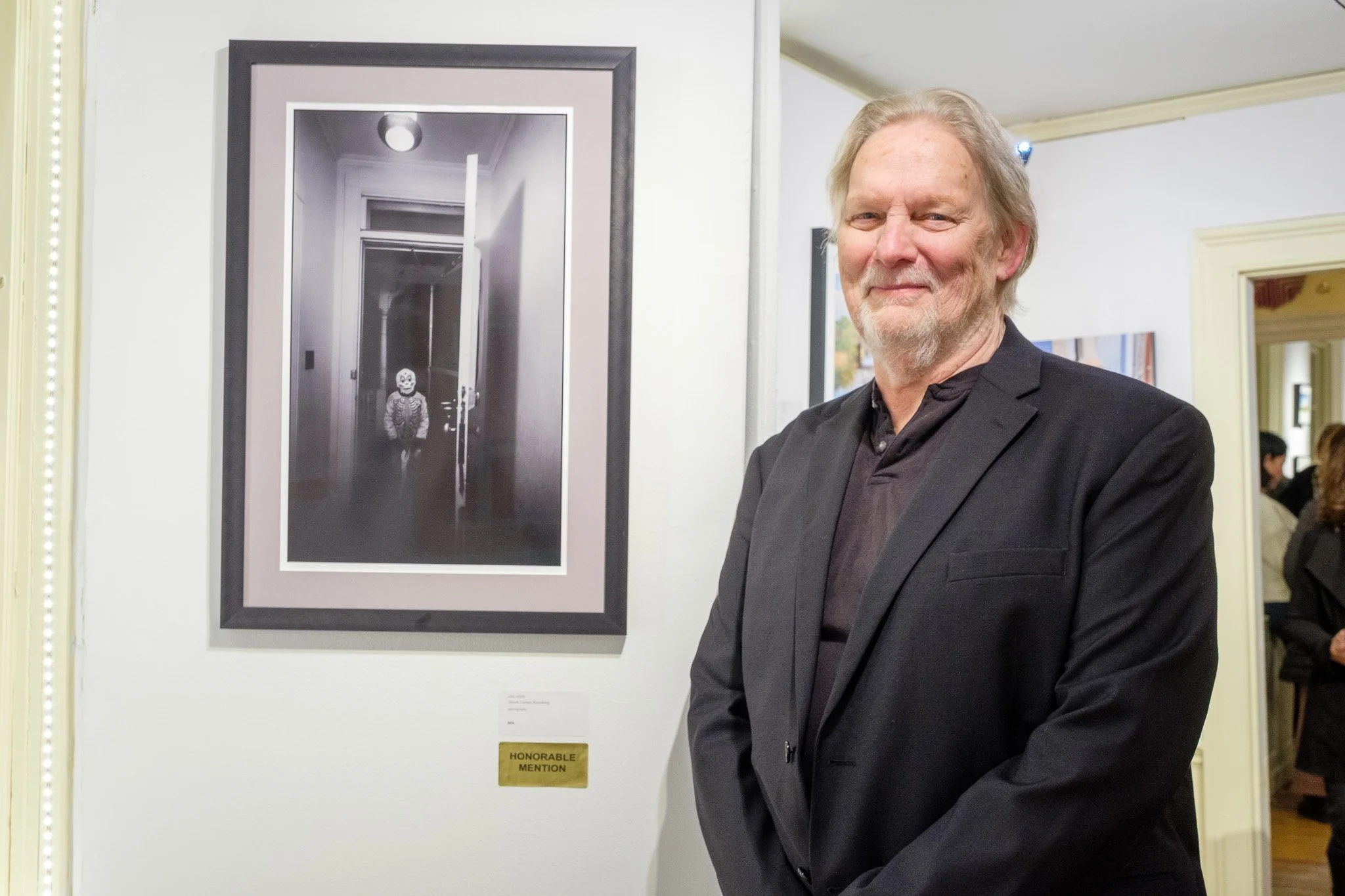
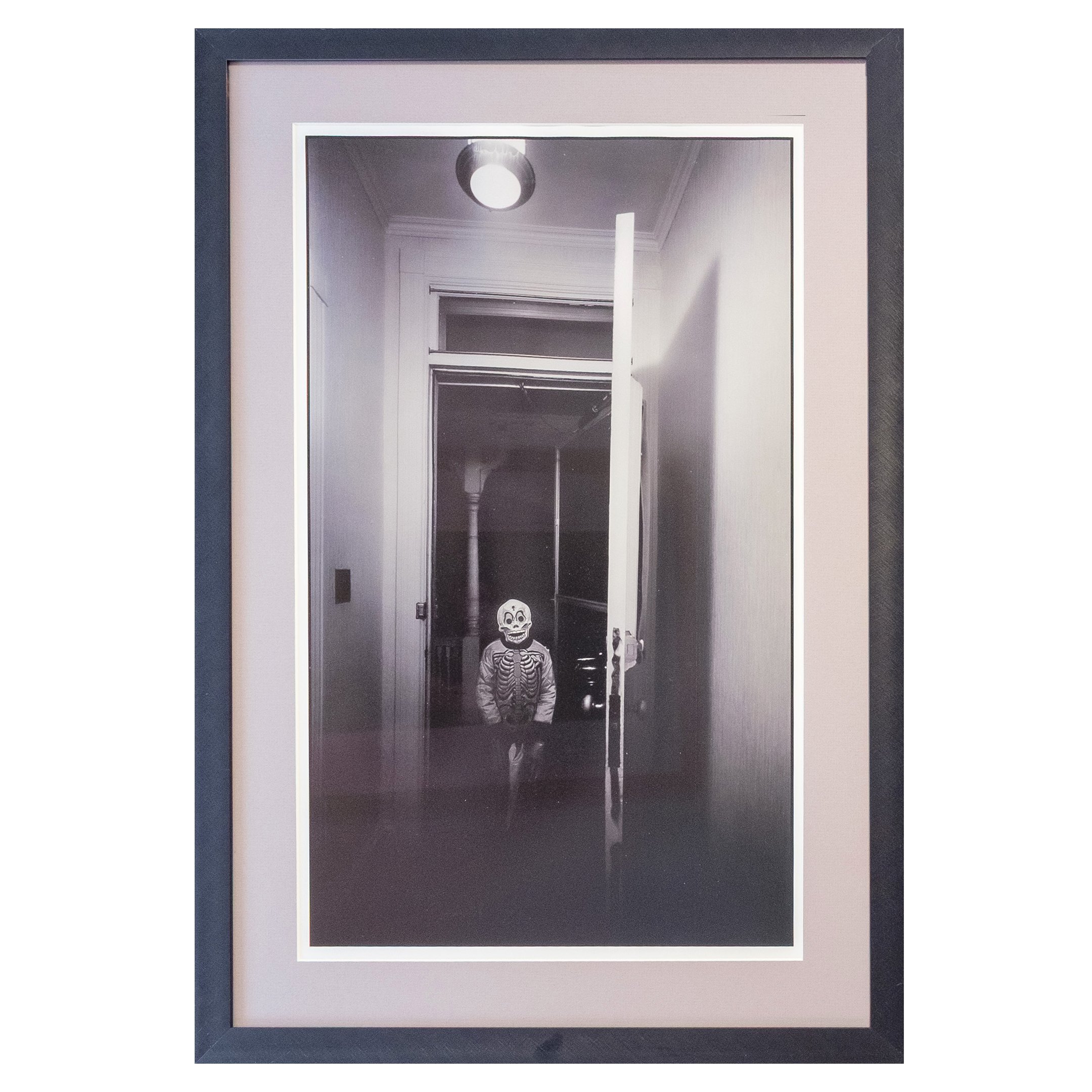
Joe Hyde
Death Comes Knocking
PhotographyShirley Aguilar
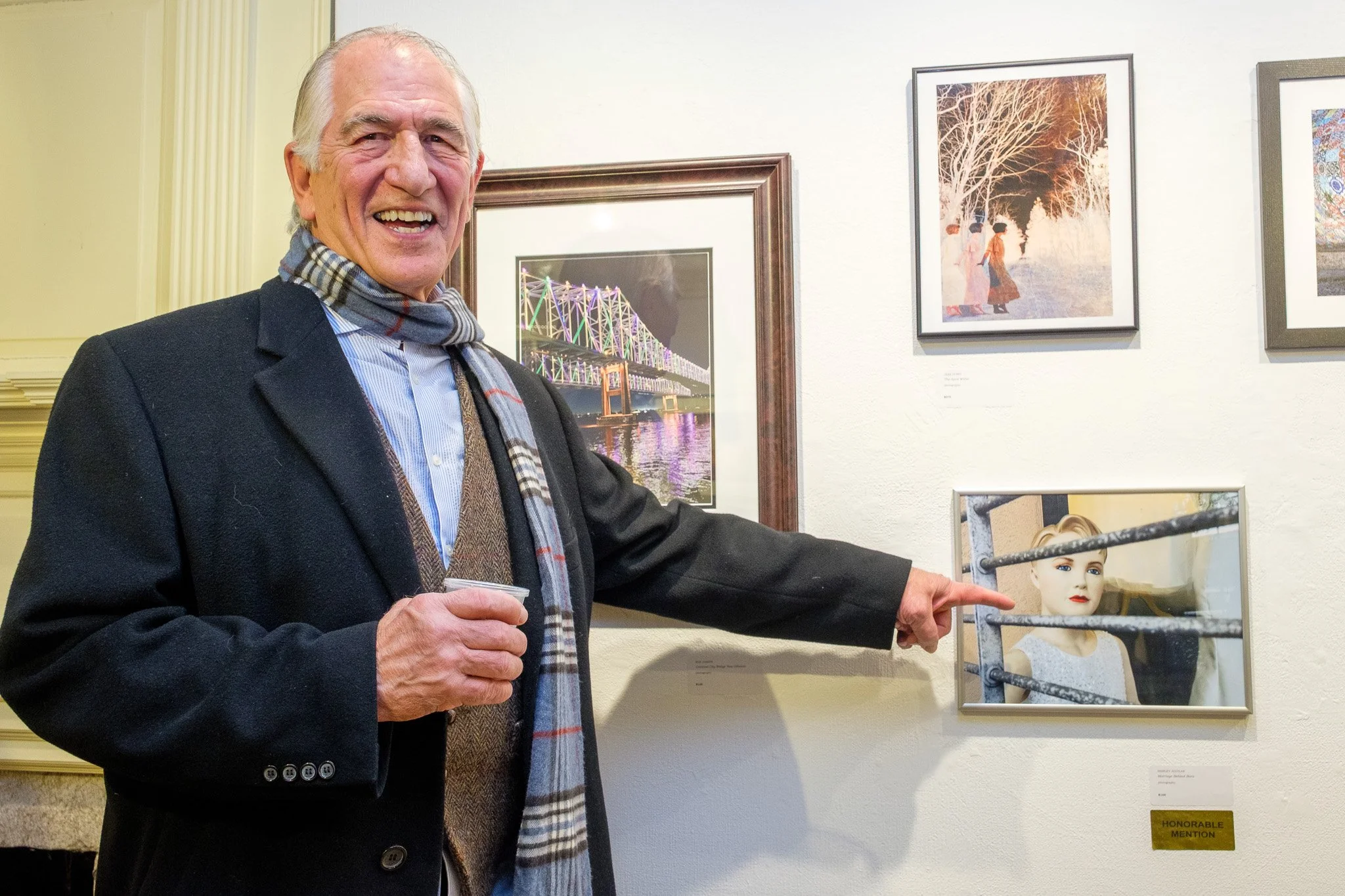
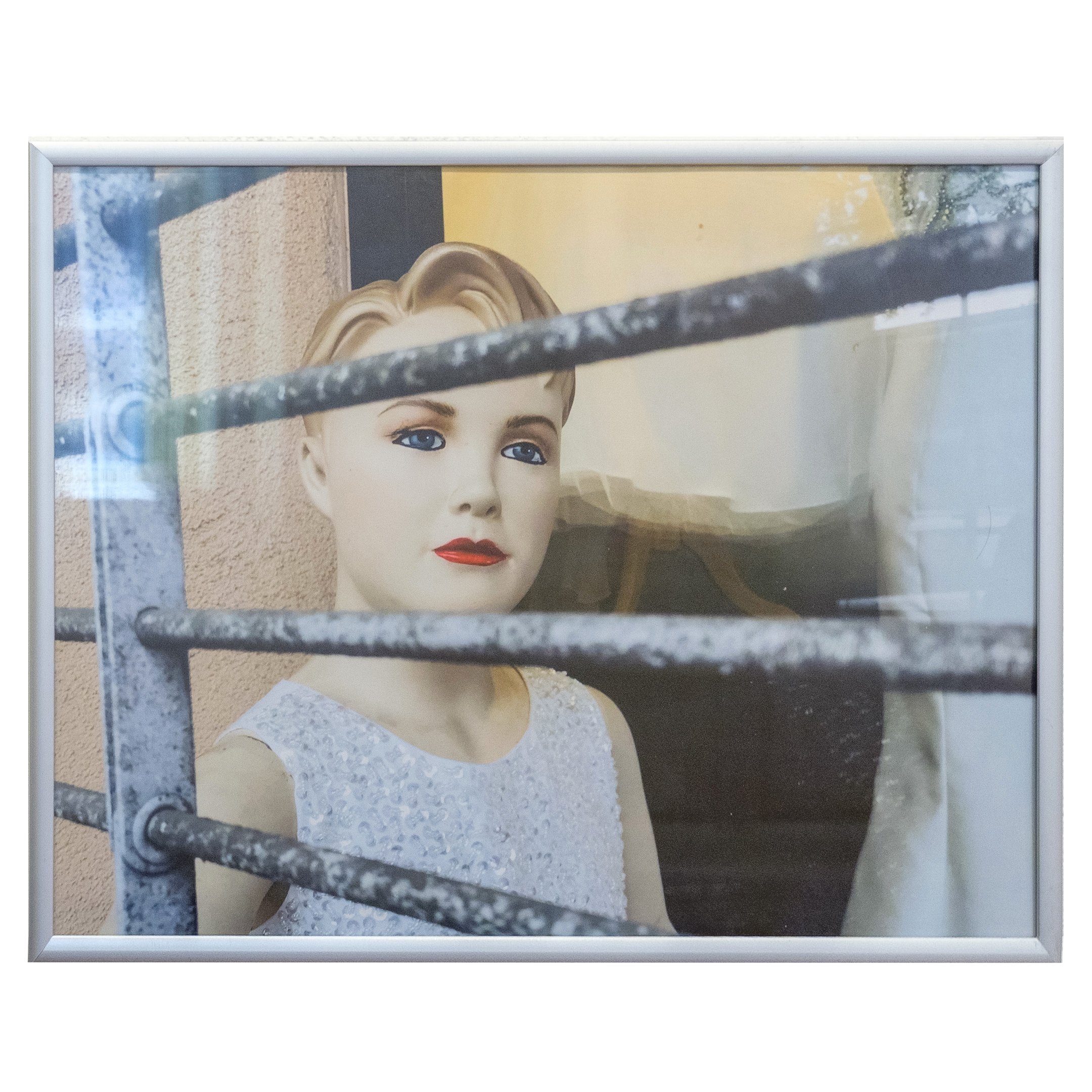
Marriage Behind Bars
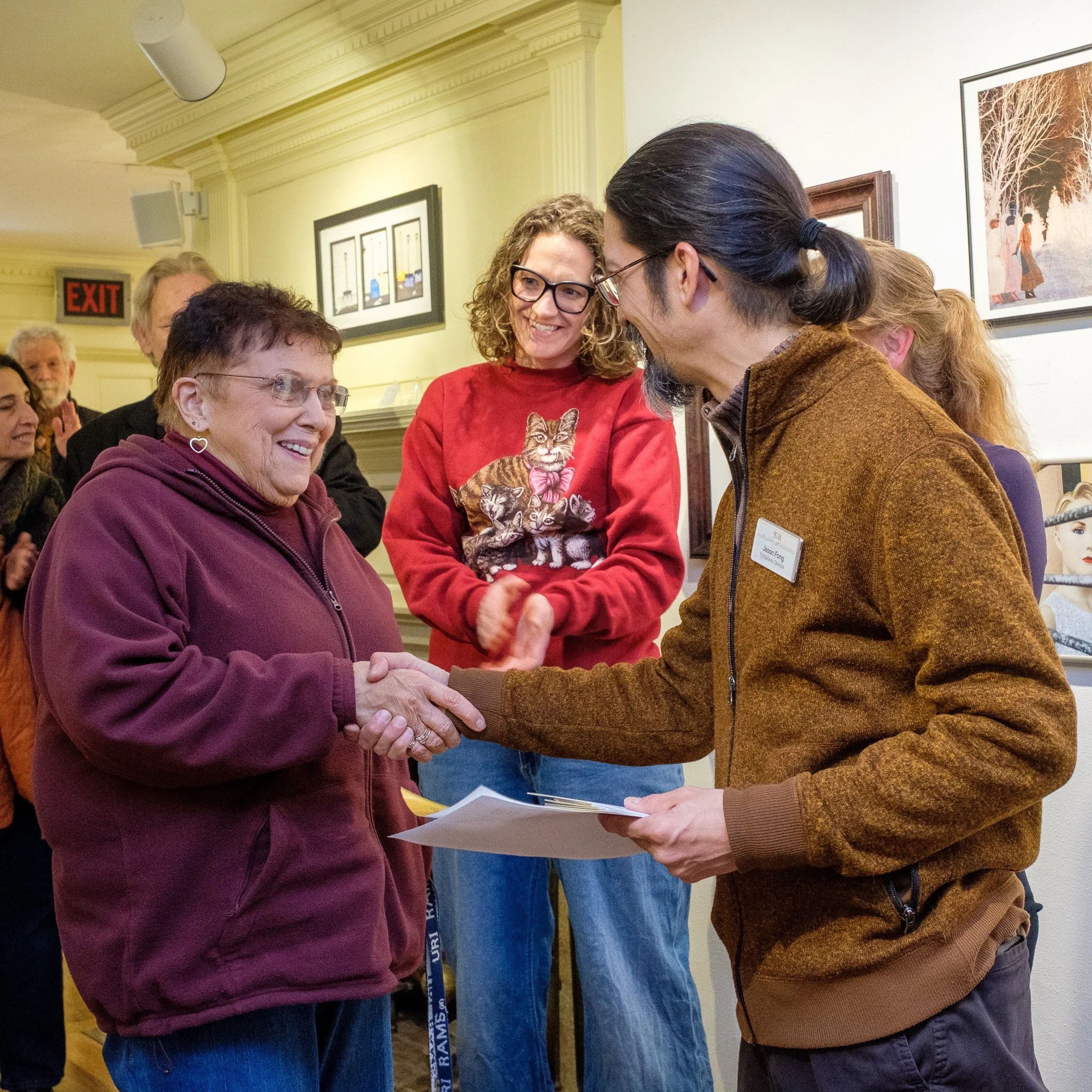
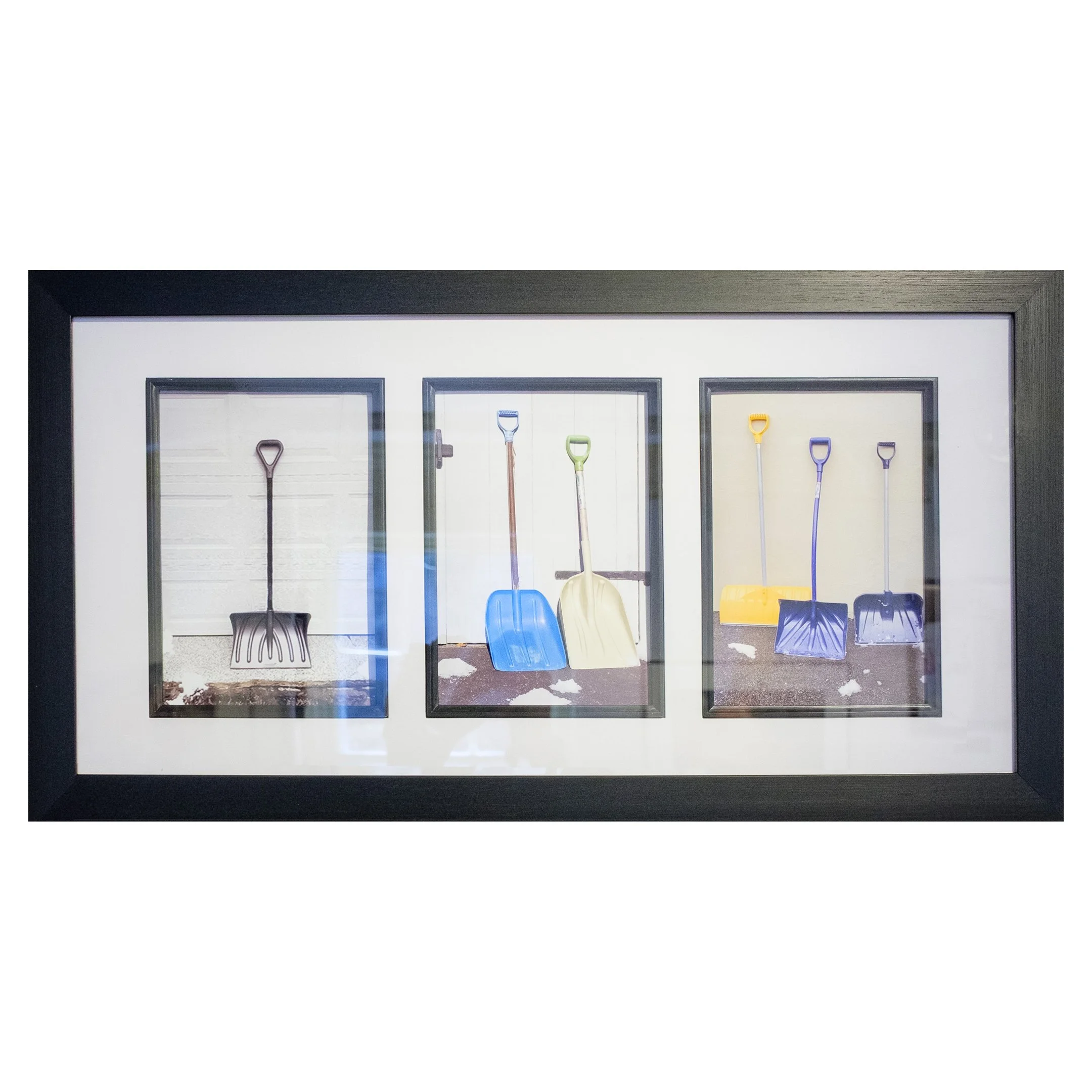
PhotographyLinda Lupo-Adams
Snowstorm After Snowstorm!
Photography
-
Open Juried Photography Annual Exhibition 2026
As a photographer and visual artist, I spend a great deal of time capturing and processing images, and over the years I’ve photographed a wide range of subjects. My own practice has shifted with time, but what has remained constant is an understanding of how challenging, time-consuming, and vulnerable it can be to make and share your work. Because of that, I felt a genuine connection to the images submitted to this exhibition and narrowing them down to a final selection was no easy task.
The privilege of looking closely at so many thoughtfully crafted works is not a small one. The photographs selected are those I found myself returning to again and again during the jurying process, images that stayed with me. They go beyond simply pointing and shooting; they are carefully composed, edited, and presented in ways that actively engage the viewer. These artists didn’t merely take photographs—they made them.
Again and again, I was drawn to photographs that invited me to slow down—to linger, to question, and to discover something just beneath the surface. Many transform ordinary moments into something compelling through their use of light, framing, and timing. They ask the viewer to look closer, then step back, revealing layers that unfold over time. These are the kinds of images that continue to reveal themselves long after the first glance—images we need in an age of constant visual bombardment.
Ultimately, this exhibition speaks to the power of attentive seeing. It demonstrates how photographs can raise awareness, spark laughter, foster empathy, and open space for dialogue—something we are deeply in need of right now. Thank you to South County Art Association for the honor of jurying this exhibition.
-Carrie Usmar
-
![2026 Photography Exhibit]()
2026 Photography Exhibit
-
![Ted Green 1st Place]()
1st Place Ted Green
Harlequin
Photography -
![]()
1st Place Ted Green
Harlequin
Photography
$250 -
![]()
2nd Place Amy White
My Kitchen
Photography -
![2nd place winner]()
2nd Place Amy White
My Kitchen (2026)
Photography
$150 -
![]()
3rd Place Greta Cohen
Old Time BookStore – Kingston
Photography -
![Greta Cohen 3rd Place]()
3rd Place Greta Cohen
Old Time BookStore – Kingston
Photography
NFS -
![Joe Hyde Honorable Mention]()
Joe Hyde Honorable Mention
Death Comes Knocking
Photography -
![Honorable Mention Joe Hyde]()
Honorable Mention Joe Hyde
Death Comes Knocking
Photography
NFS -
![Linda Lupo-Adams, Honorable Mention]()
Linda Lupo-Adams Honorable Mention
Linda Lupo-Adams
Snowstorm After Snowstorm!
Photography -
![Linda Lupo-Adams, Honorable Mention]()
Linda Lupo-Adams, Honorable Mention
Snowstorm After Snowstorm!
Photography
$75 -
![Shirley Aguilar Honorable Mention]()
Shirley Aguilar Honorable Mention
Marriage Behind Bars
PhotographyHusband accepted on her behalf
-
![Shirley Aguilar Honorable Mention]()
Shirley Aguilar Honorable Mention
Marriage Behind Bars
Photography
$150 -
![]()
Juror Carrie Usmar
-
![2026 Photography Exhibit]()
2026 Photography Exhibit
-
![2026 Photography Exhibit]()
2026 Photography Exhibit
-
![2026 Photography Exhibit]()
2026 Photography Exhibit
-
![]()
2026 Photography Exhibit
-
![]()
2026 Photography Exhibit
Description goes here -
![2026 Photography Exhibit]()
2026 Photography Exhibit
-
![2026 Photography Exhibit]()
2026 Photography Exhibit
-
![2026 Photography Exhibit]()
2026 Photography Exhibit
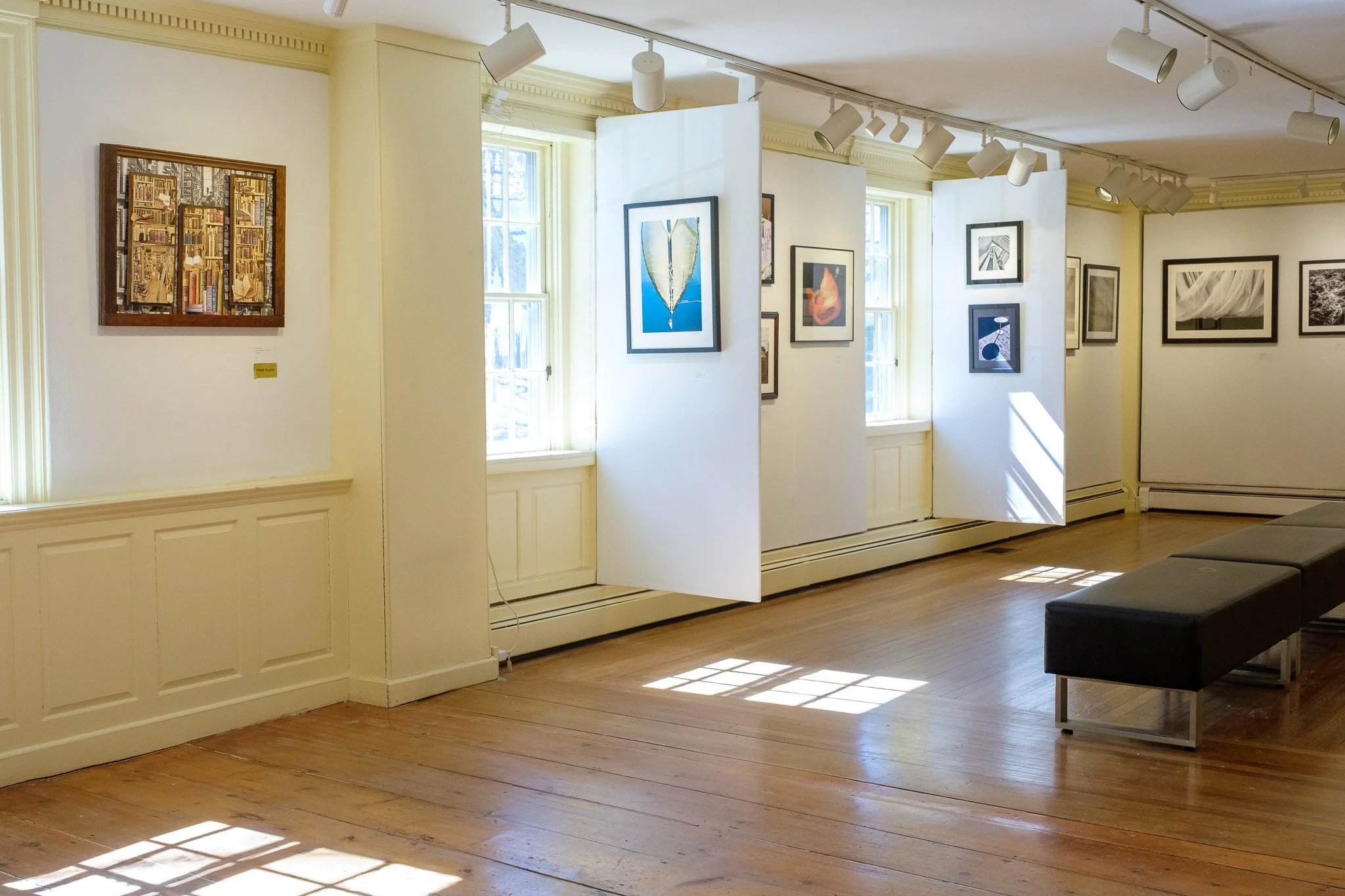
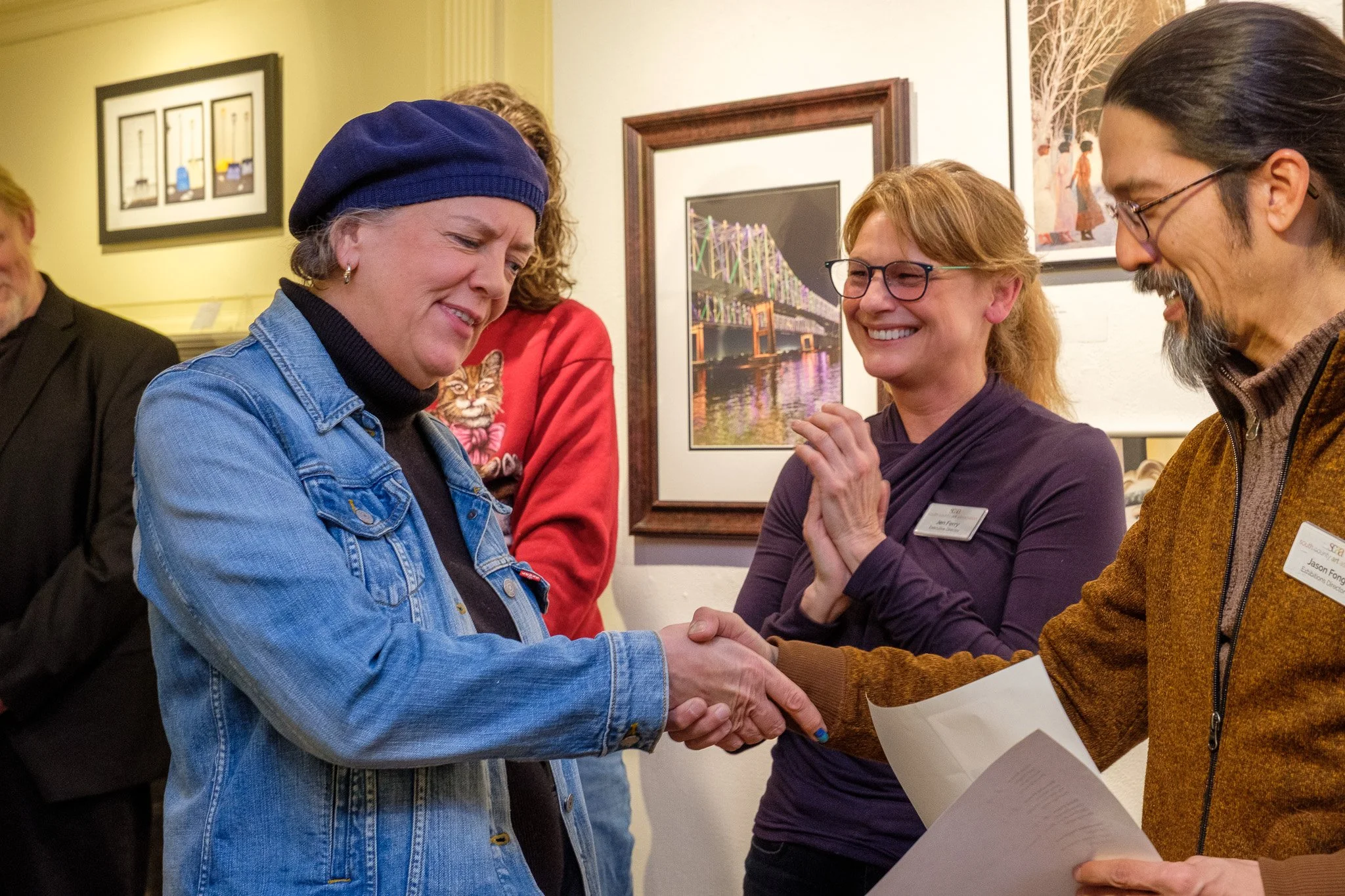
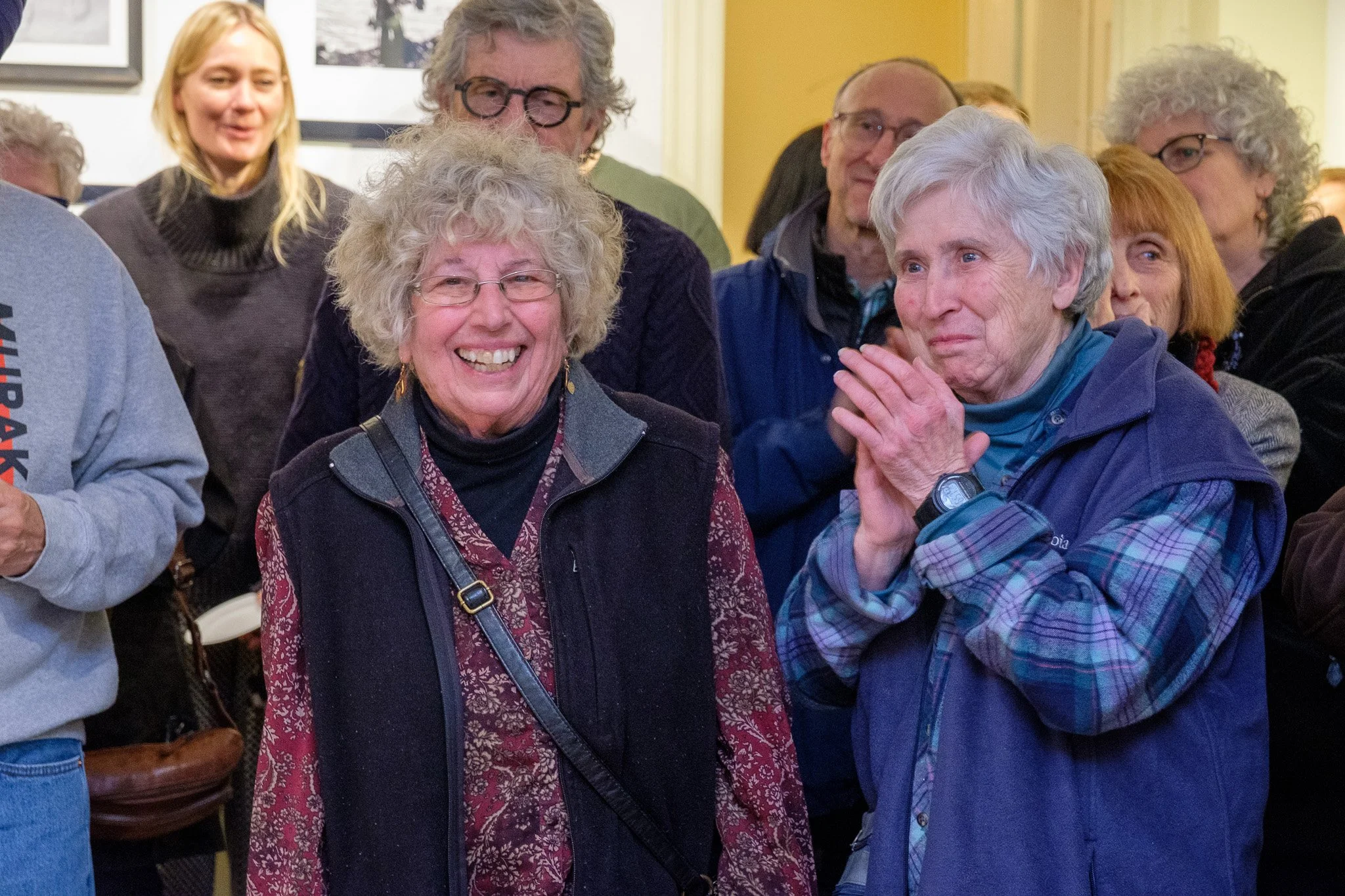
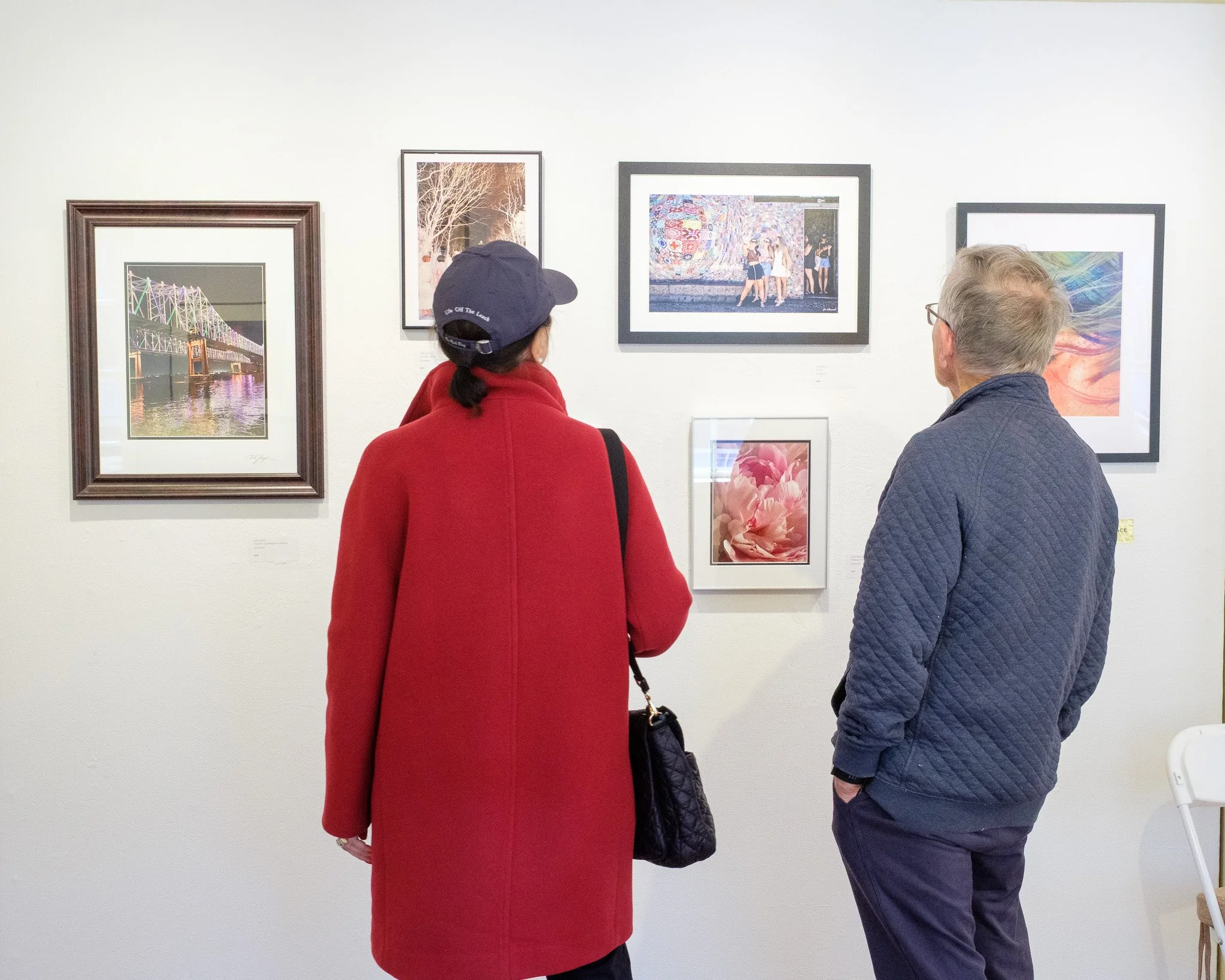
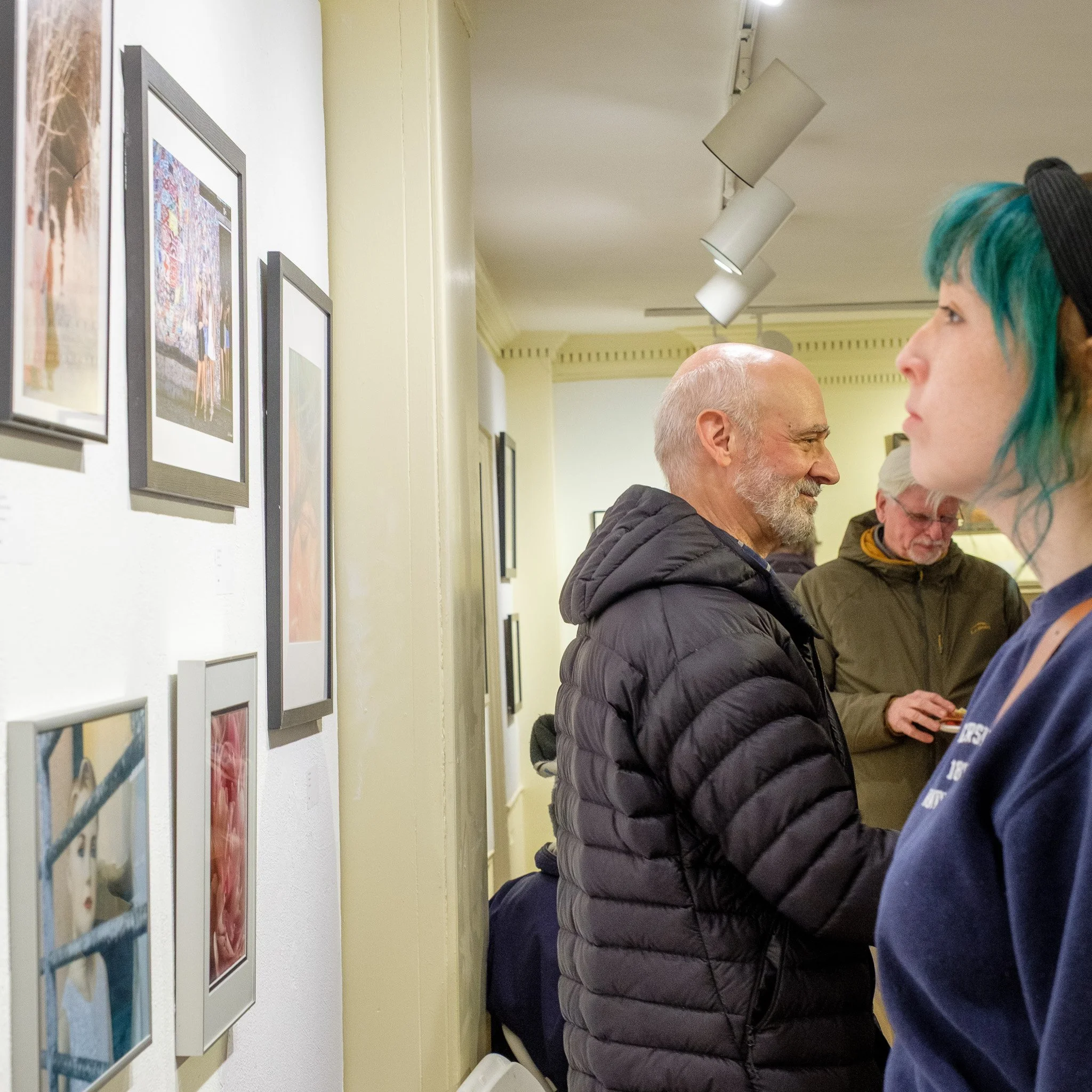
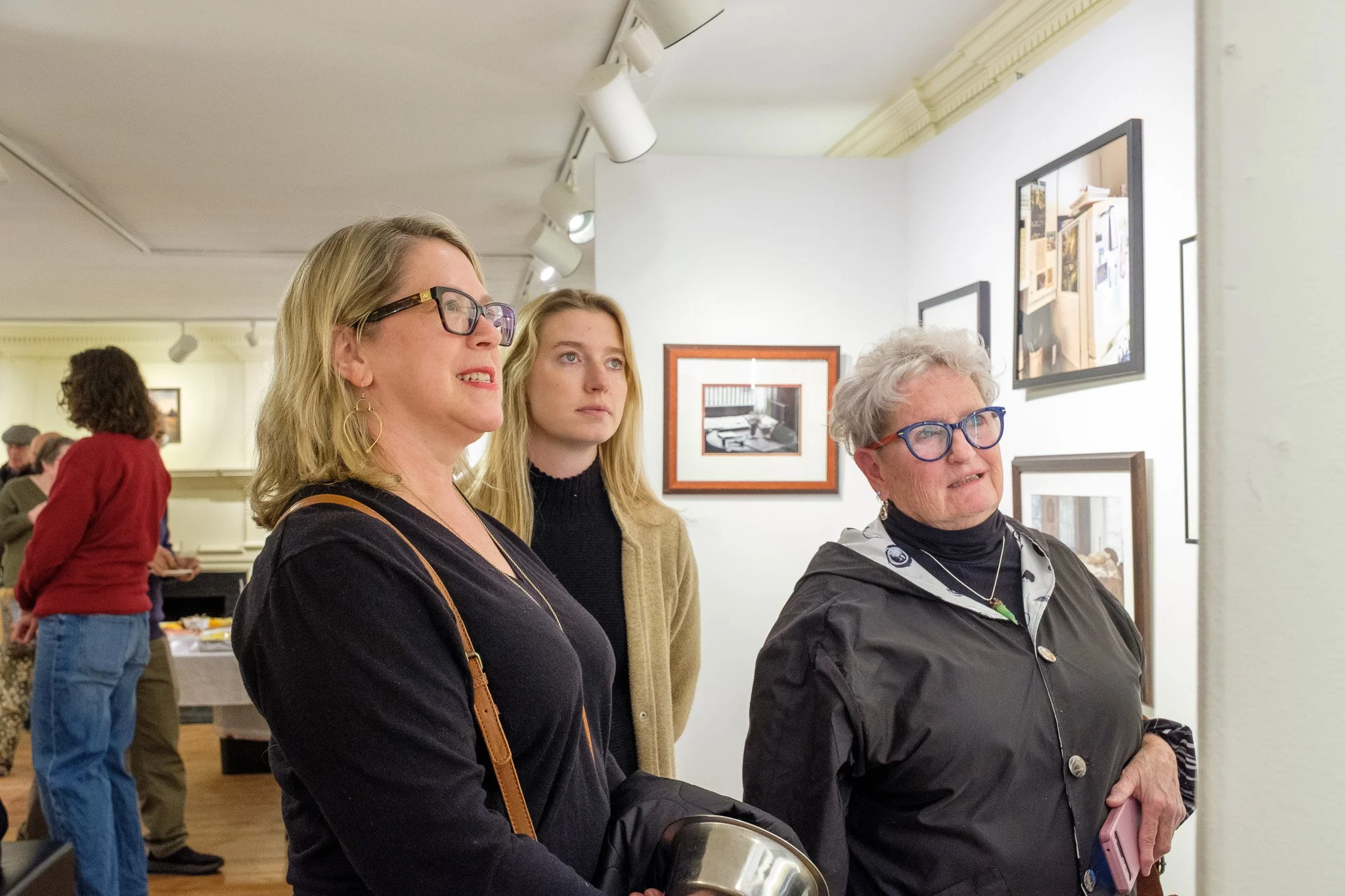
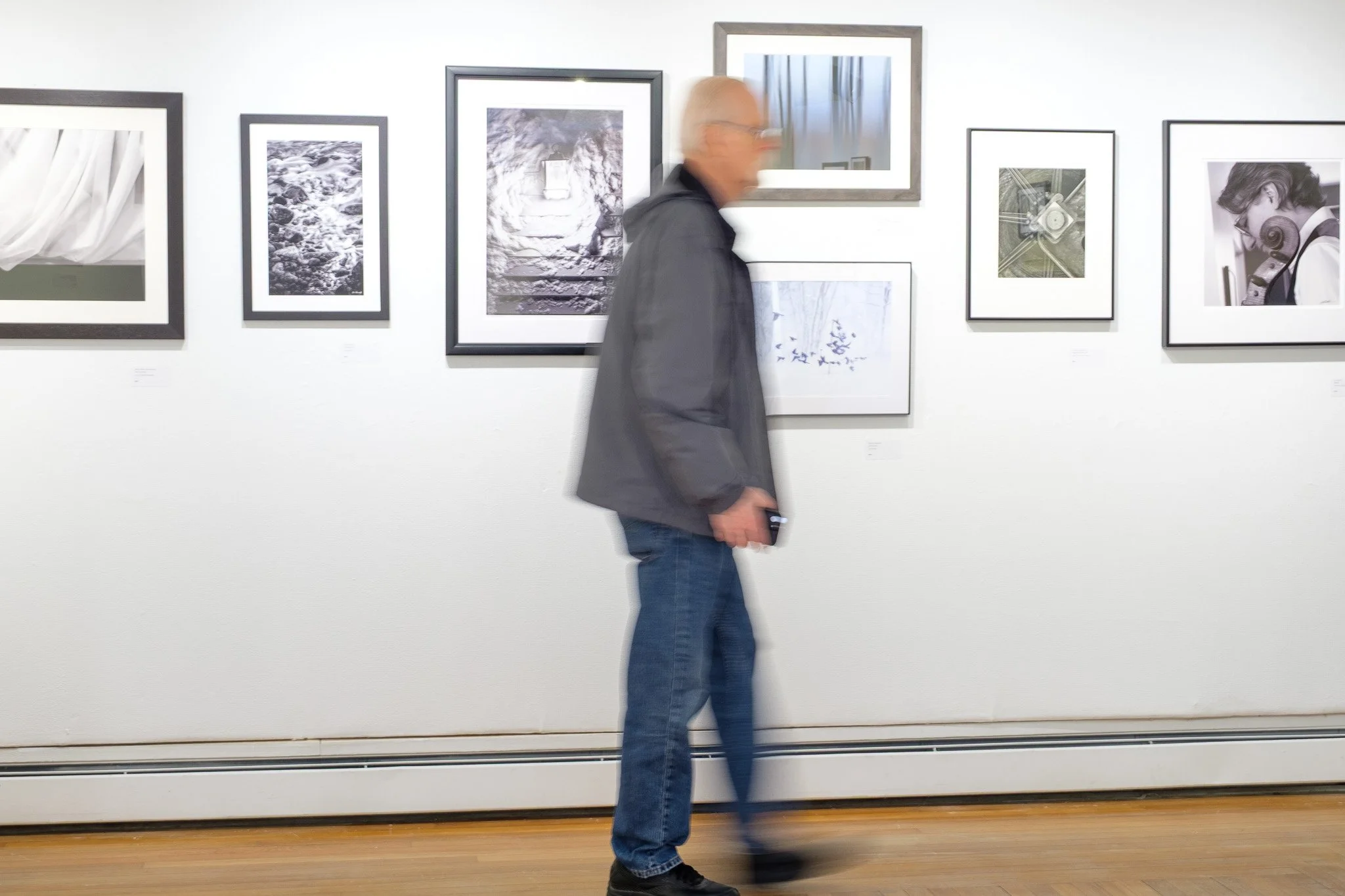
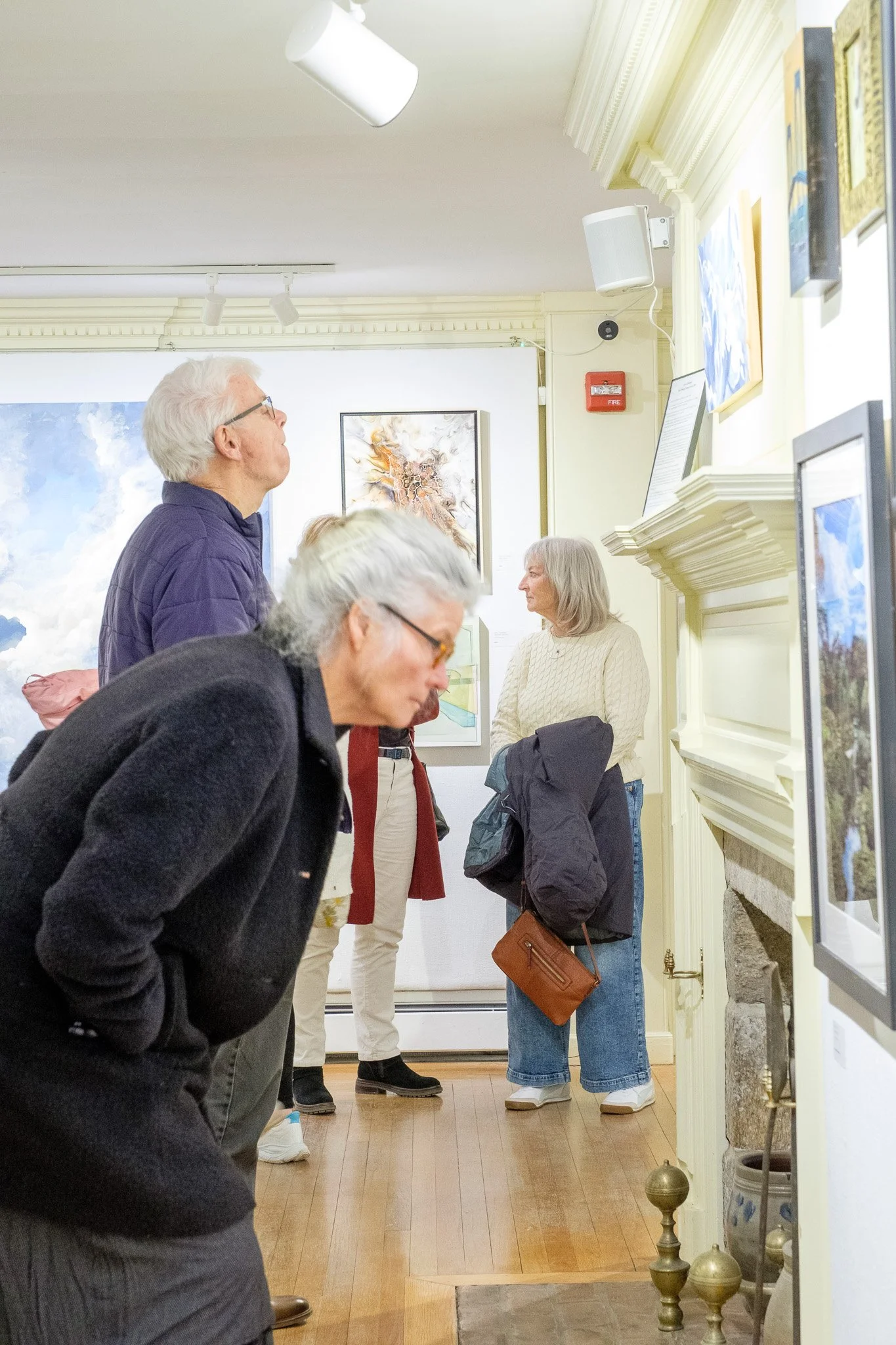
Paint, Print, Drawing Open Juried Exhibit
February 19 - March 14
Featuring works selected by our juror Shawn Kenney. Join us at the opening reception for an evening of art, conversation and celebration.
Opening Reception
Thursday, February 22, 6-8pm
Awards Presentation at 7pm
congratulations to our award winners!
Selected by juror Shawn Kenney from 176 submissions, these outstanding works represent the strength and diversity of this year’s exhibition.
-
Paint, Print and Drawing Annual 2026
A juried show is both rewarding and challenging, for all parties involved.
I’ve been on both sides of the coin numerous times - enough to know that this is a highly subjective, inexact process that inevitably brings both joy and disappointment.
For this show, the reward was the pleasure of seeing, being surprised by, and engaging in so much beautiful work by so many unfamiliar (to me, at least) artists.
The challenge, in this case: the large number submissions, coupled with limited gallery space, necessitated the elimination of nearly half the works. This was especially difficult because of the consistently high level of quality in execution and professionalism in presentation.
Some jurors, especially in the case of themed shows, approach the process with a very specific vision or agenda. Because of the open nature of this show, my goal was to get out of the way and let the work speak - to honor the gallery with a balance of all media, without prejudice toward subject matter or favor toward any individual. This was made easier by the great diversity of vision and approach.
If there was any method or defining criteria for selection, it was “Does this person have a distinct point of view? Is what moved them to make this, and share this, coming through loud and clear?”; So, in some cases, a stronger (or louder) personal vision with less technical expertise trumped a piece with flawless execution and less distinct (or quieter) voice. The problem with this approach is that those quiet works take longer to reveal themselves - much longer than the hours it takes to select works for a show - but their payoff can be much deeper - just like that movie or book you weren’t sure you liked, but is still with you months or years later, even as memories of a summer blockbuster or hit single have long faded. Again, this is a highly subjective, inexact process.
I hope the end result reflects the richness of our arts community in an engaging way.
Congratulations to the award winners. The idea of “BEST” in a field as personal, intimate, and subjective as the arts is dicey and almost always guaranteed to provoke - art is, if anything, NOT a race. The 6 pieces recognized each display the trifecta of distinctive personal, vision coupled with considered presentation and inspired command of materials. They will not be everyone’s cup of tea, and if they do not own the 3 traits above in the traditional sense, they share their passion, presence, and stopping power.
Congratulations to all who entered and put your work forward. It’s a time-tested way to get exposure and feedback. Regardless of the outcome, don’t stop entering, and - more importantly - don’t stop believing in your work. Thank you for sharing.
Finally, thank you to Exhibitions Director Jason Fong for the invitation to jury the show, and to the South County Art Association for supporting our rich, diverse, and welcoming arts communities.
-Shawn Kenney
-
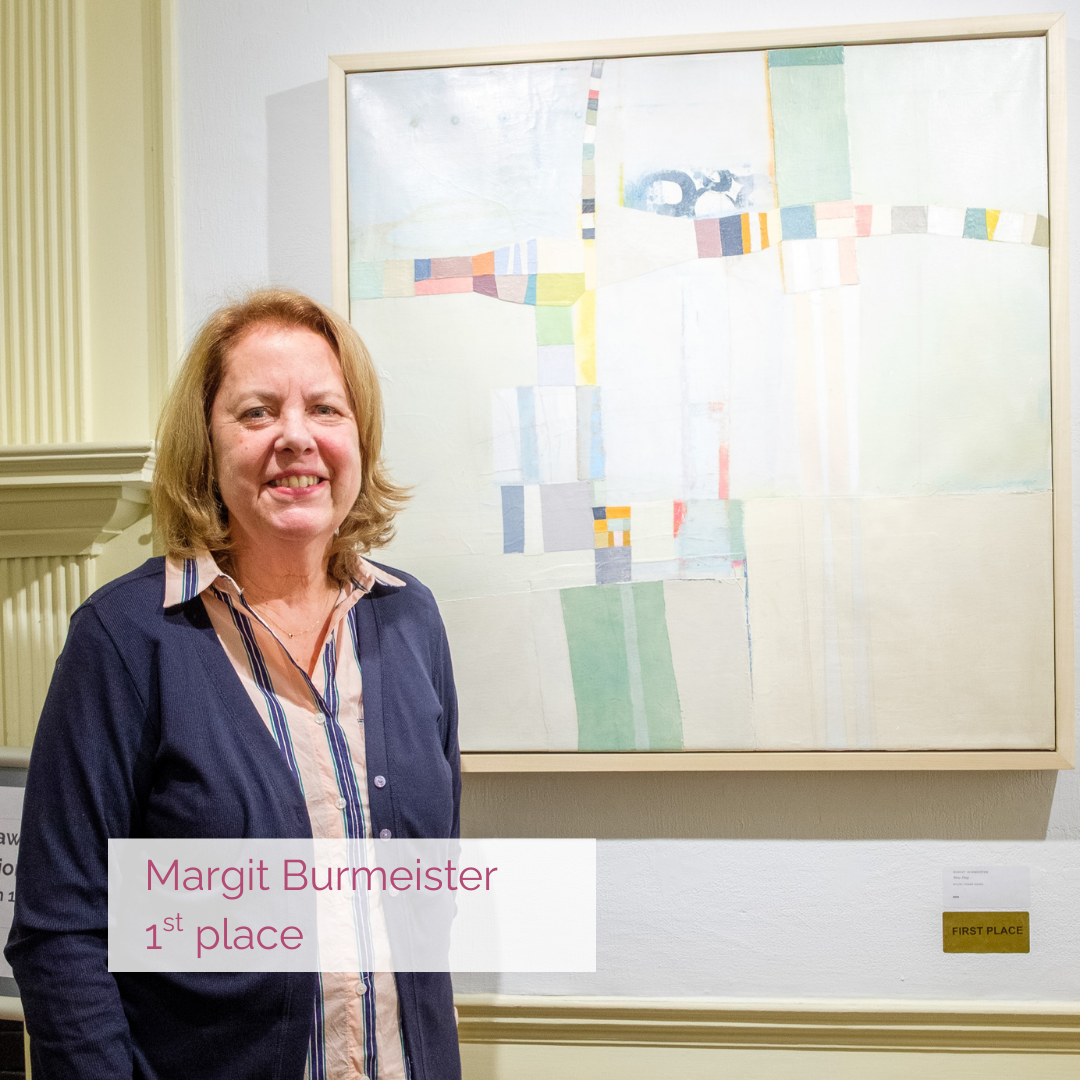
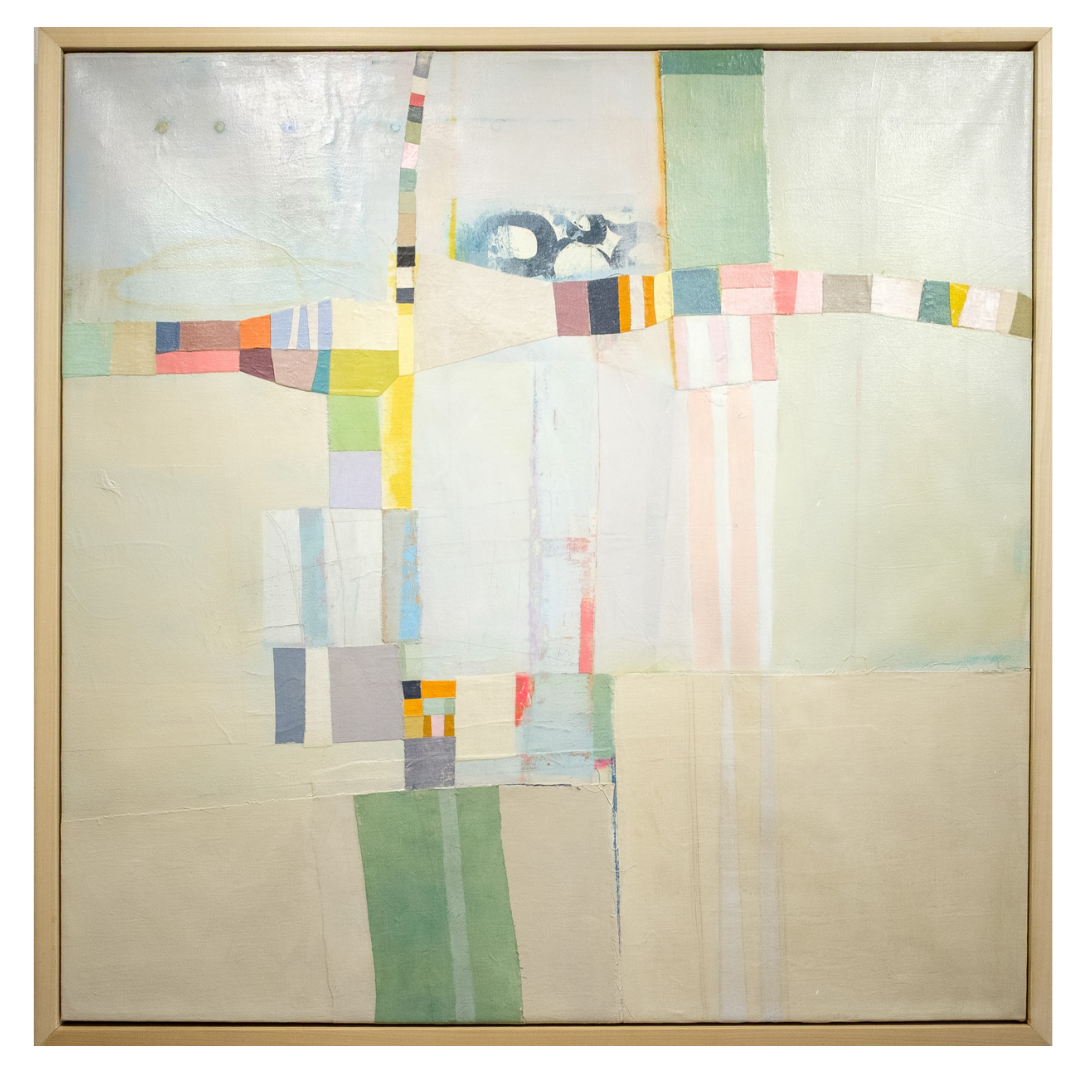
FIRST PLACE
Margit Burmeister
New Day
Acrylic, Mixed Media
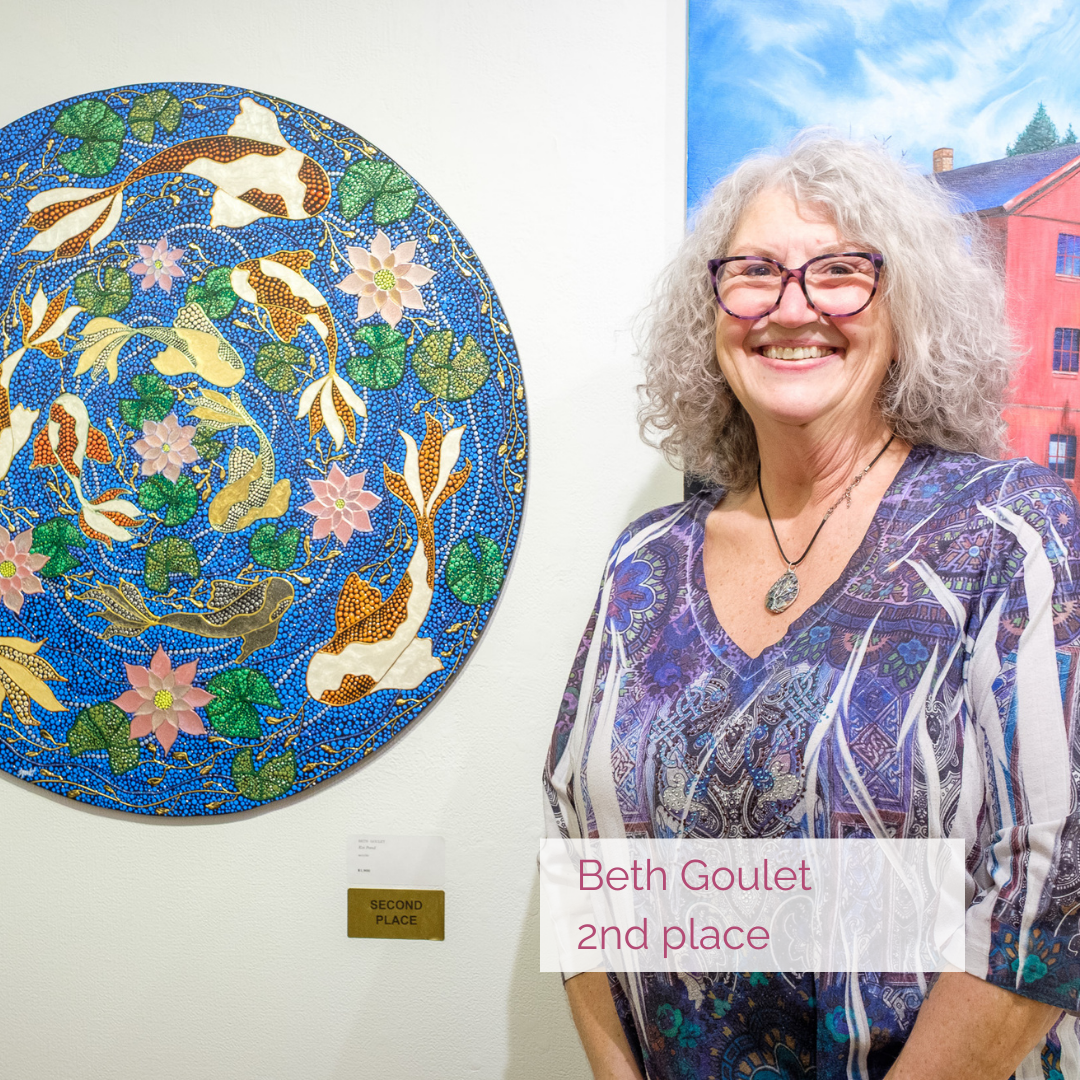
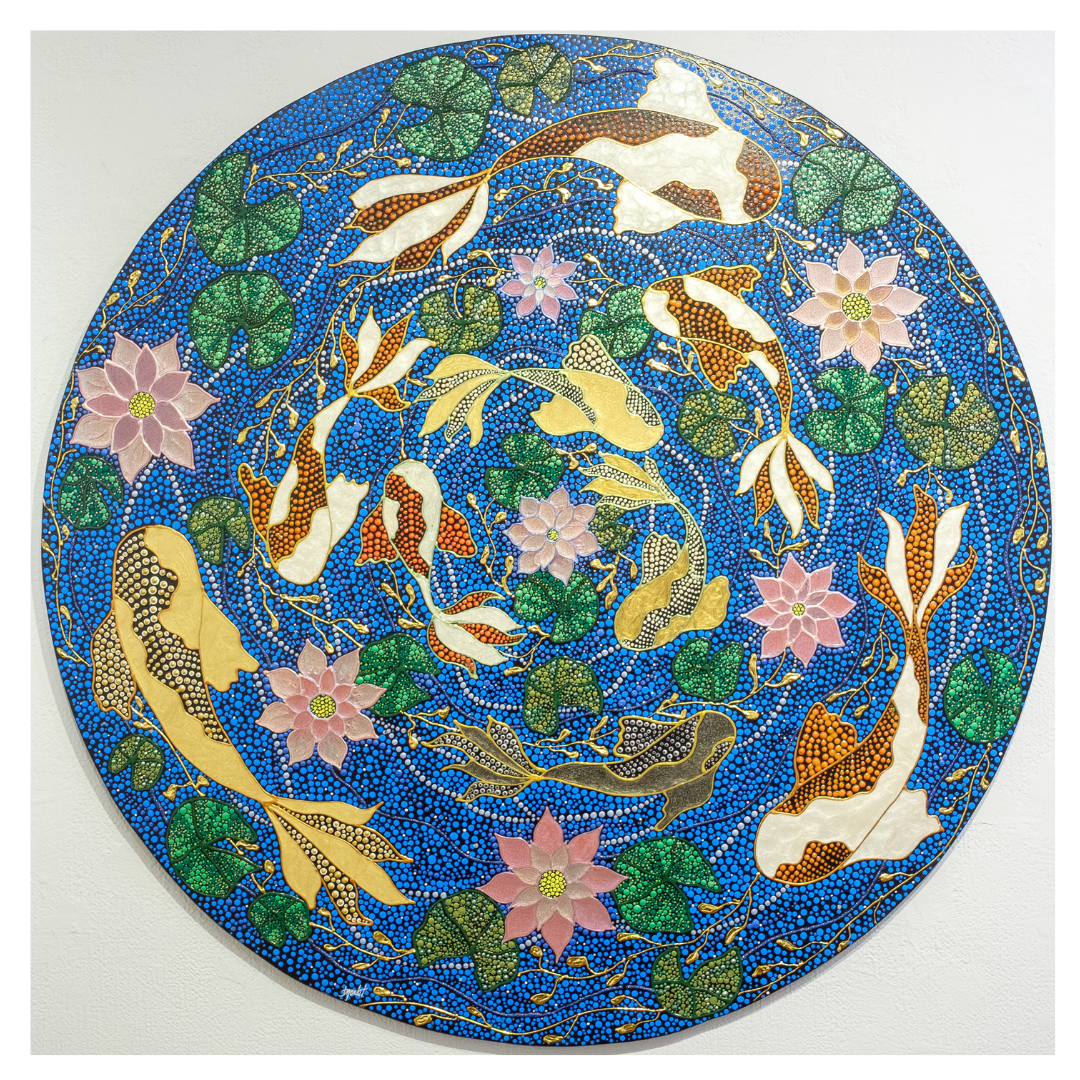
SECOND PLACE
Beth Goulet
Koi Pond
Acrylic
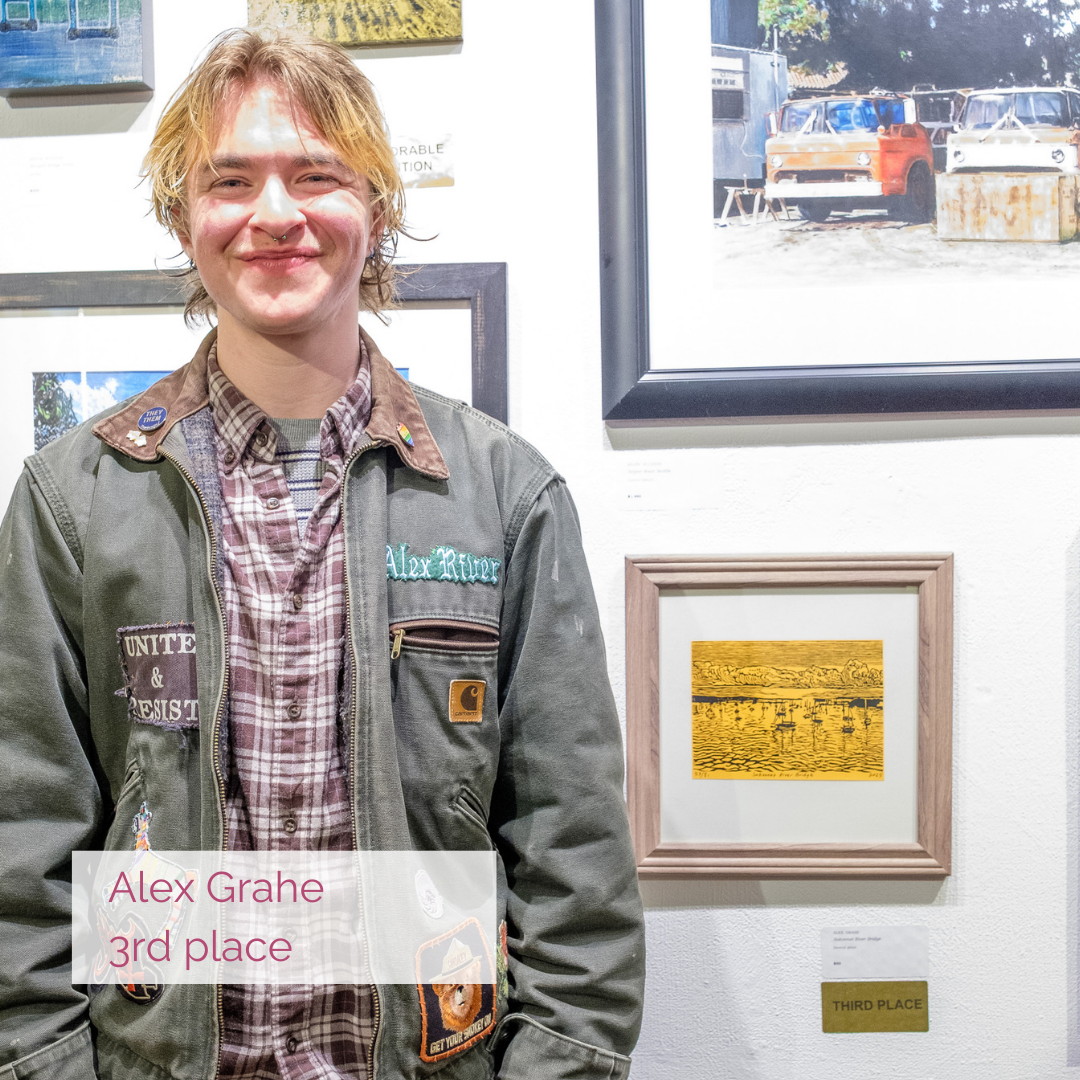
THIRD PLACE
Alex Grahe
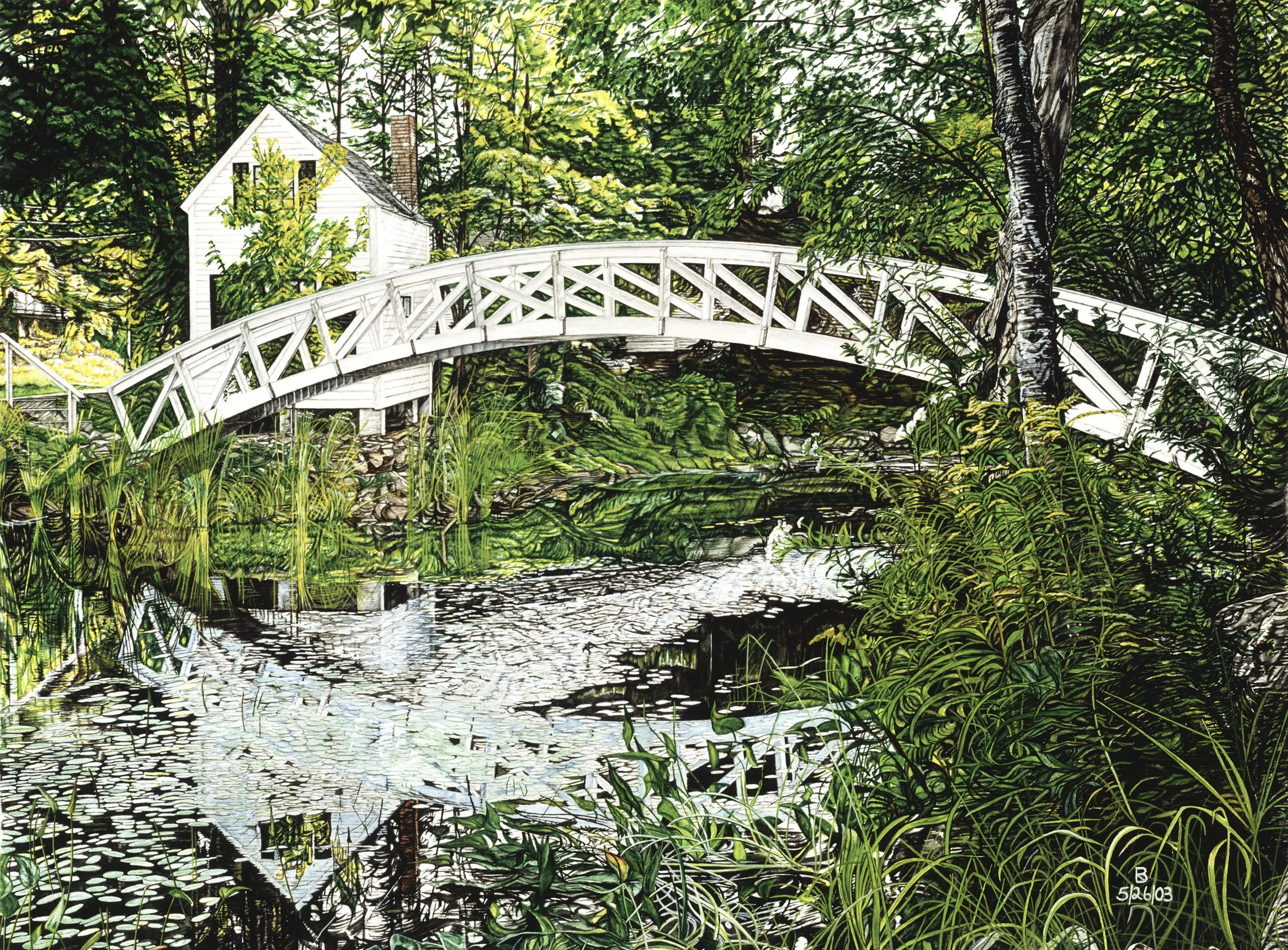
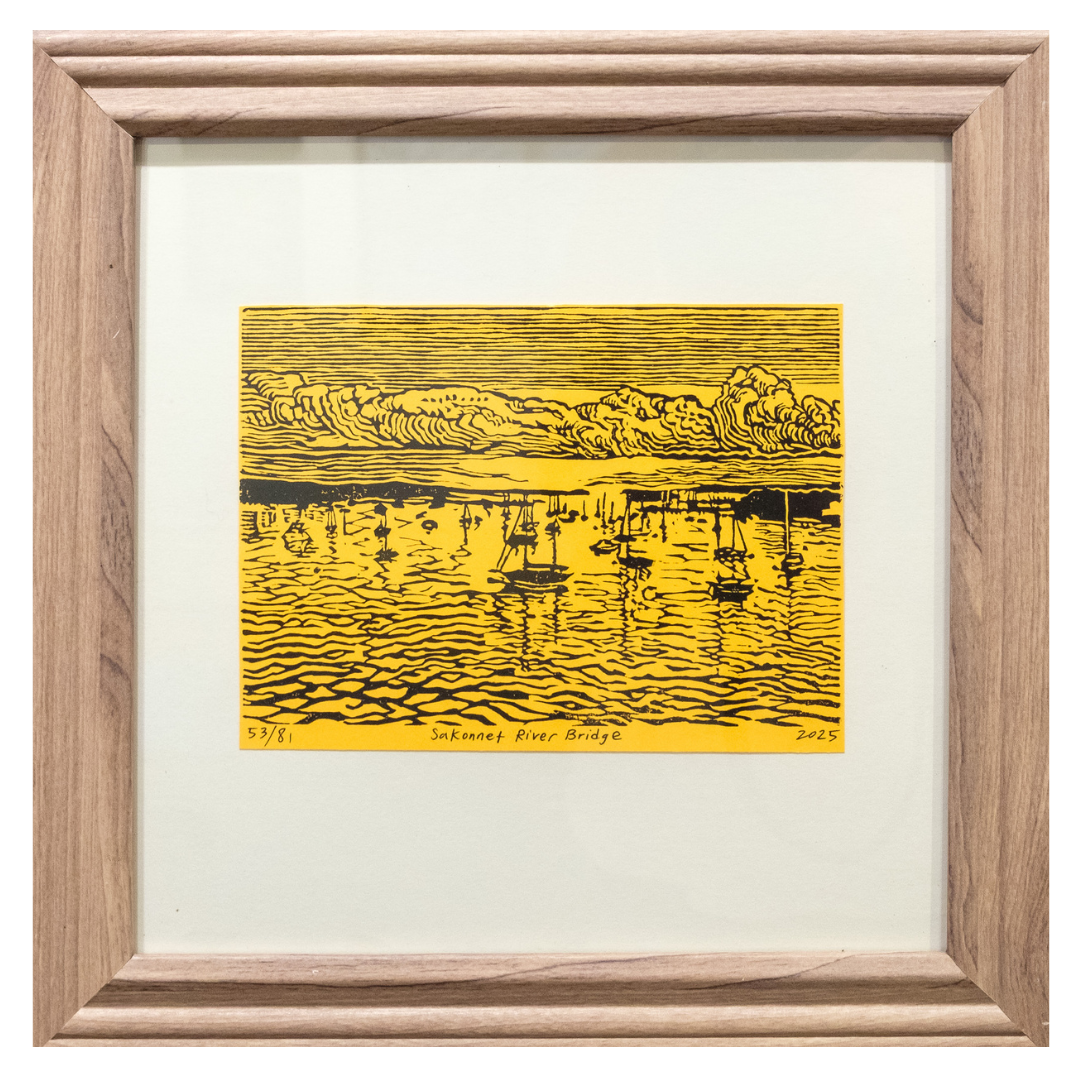
Sakonnet River Bridge
Linocut print -
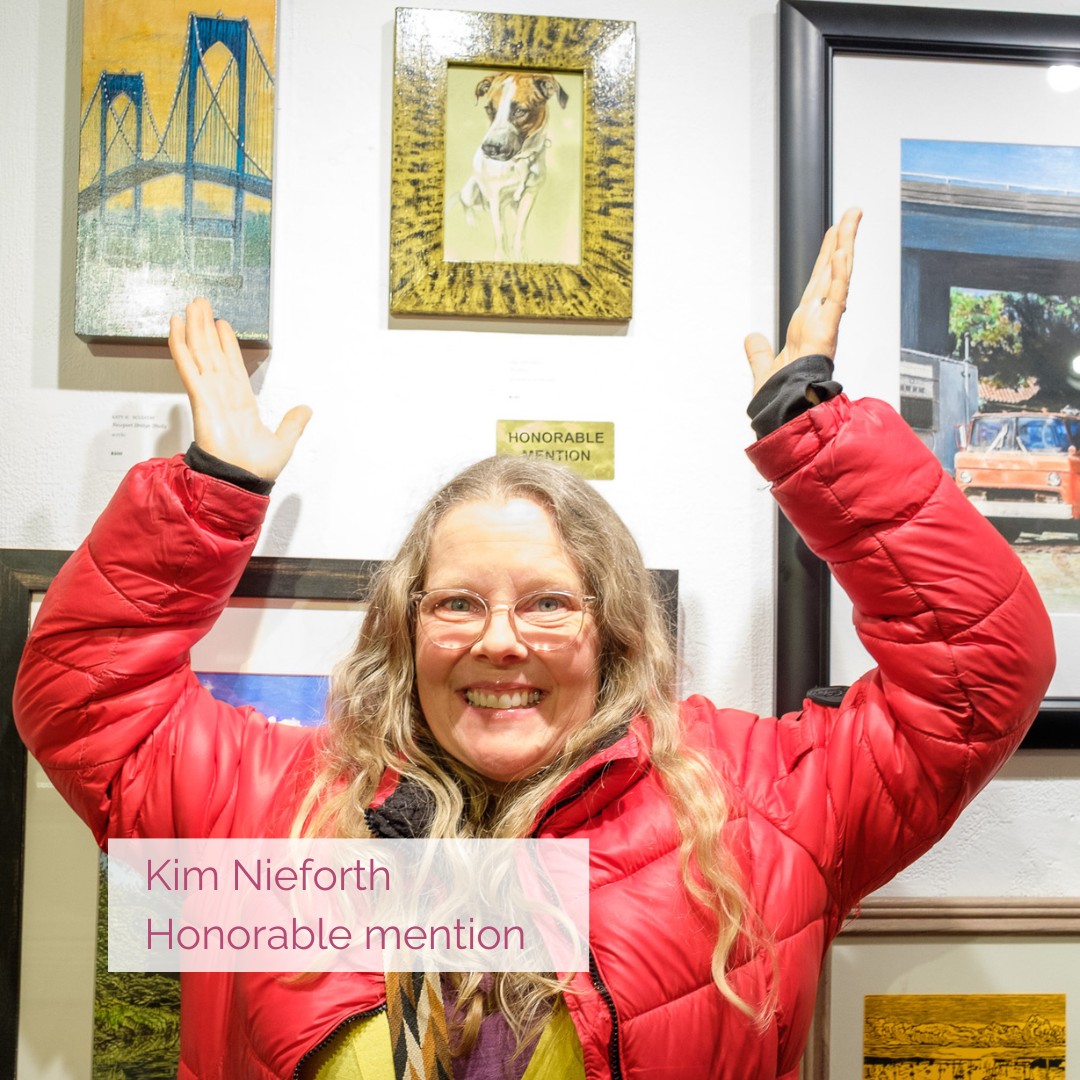
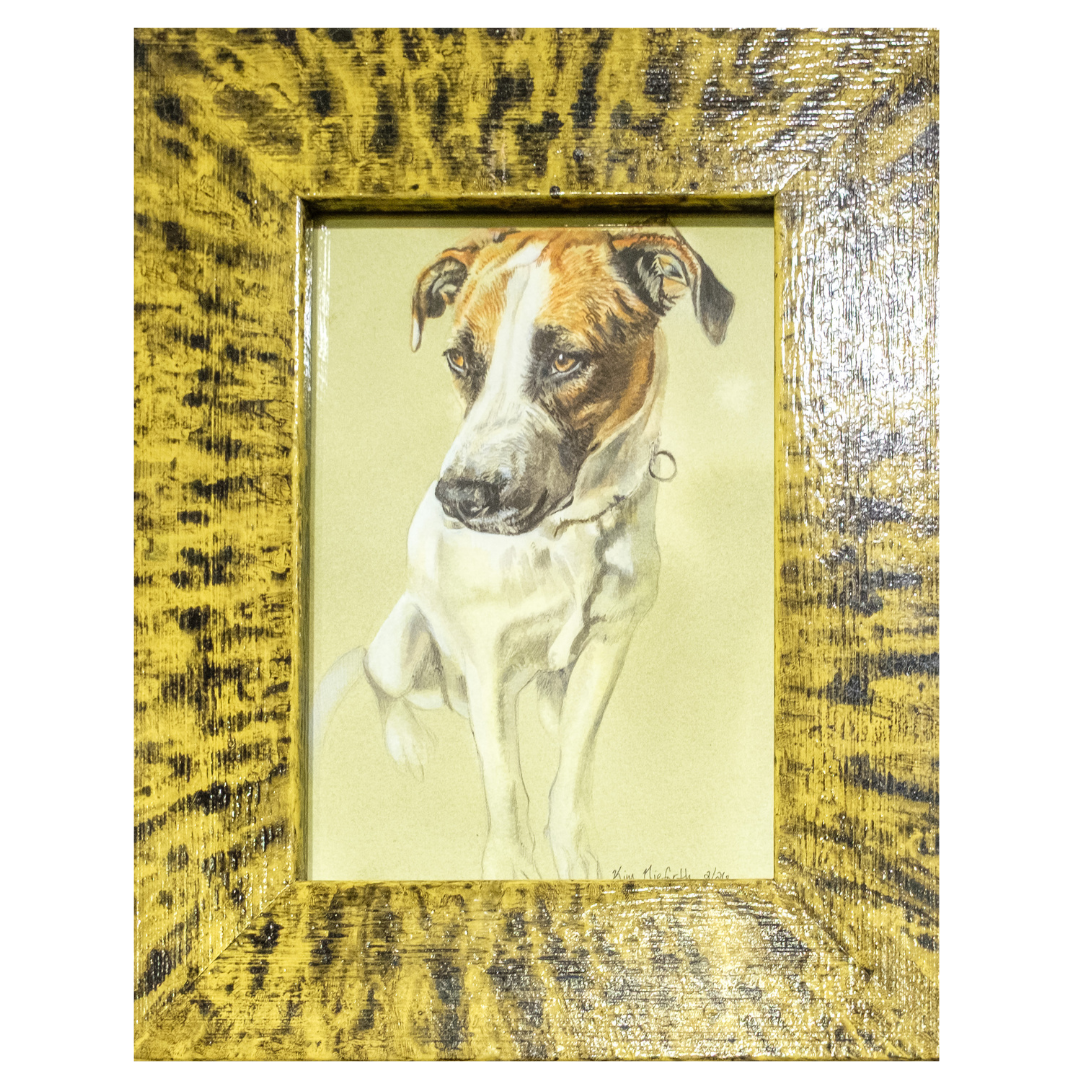
Kim Nieforth
Waiting
Gouache and Acrylics
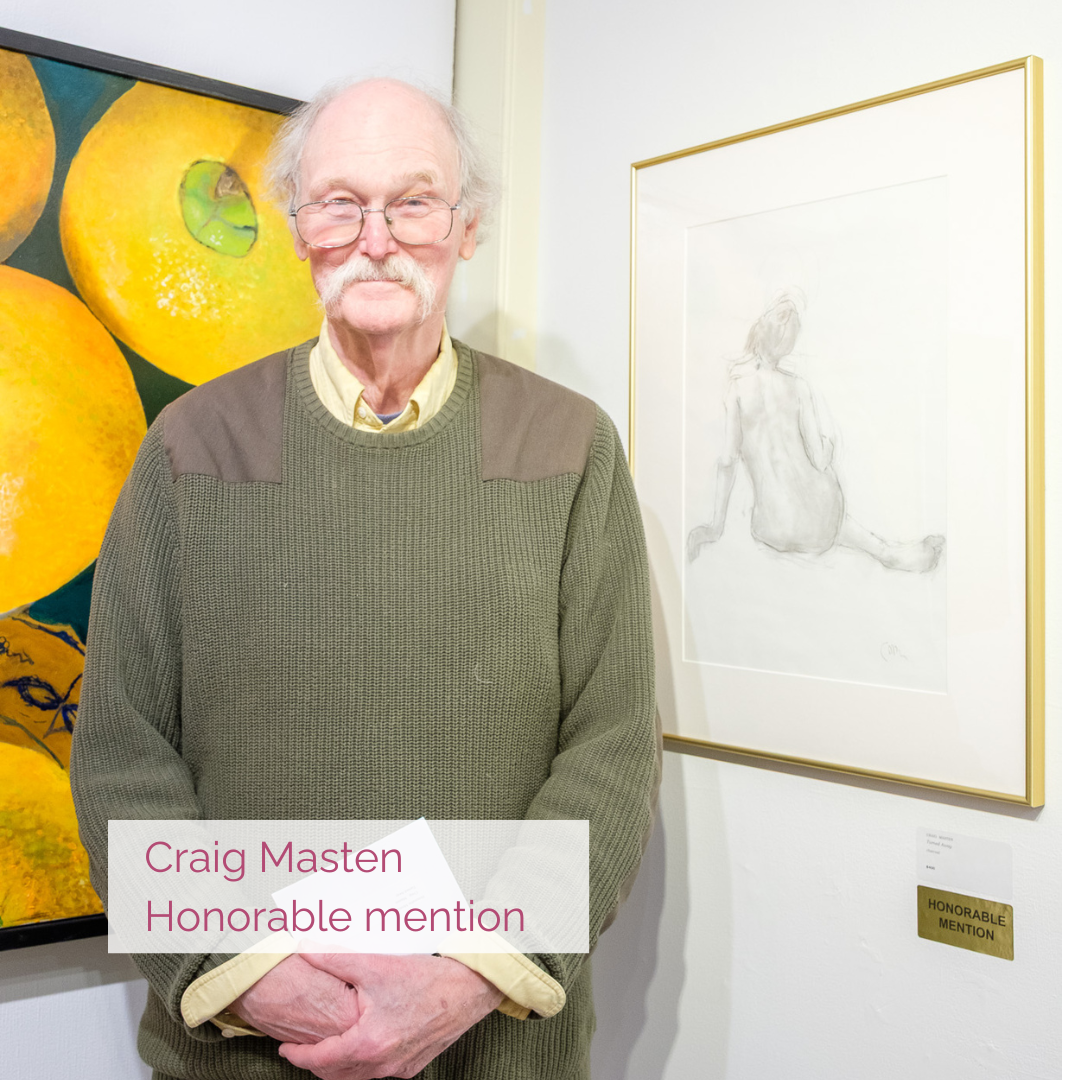
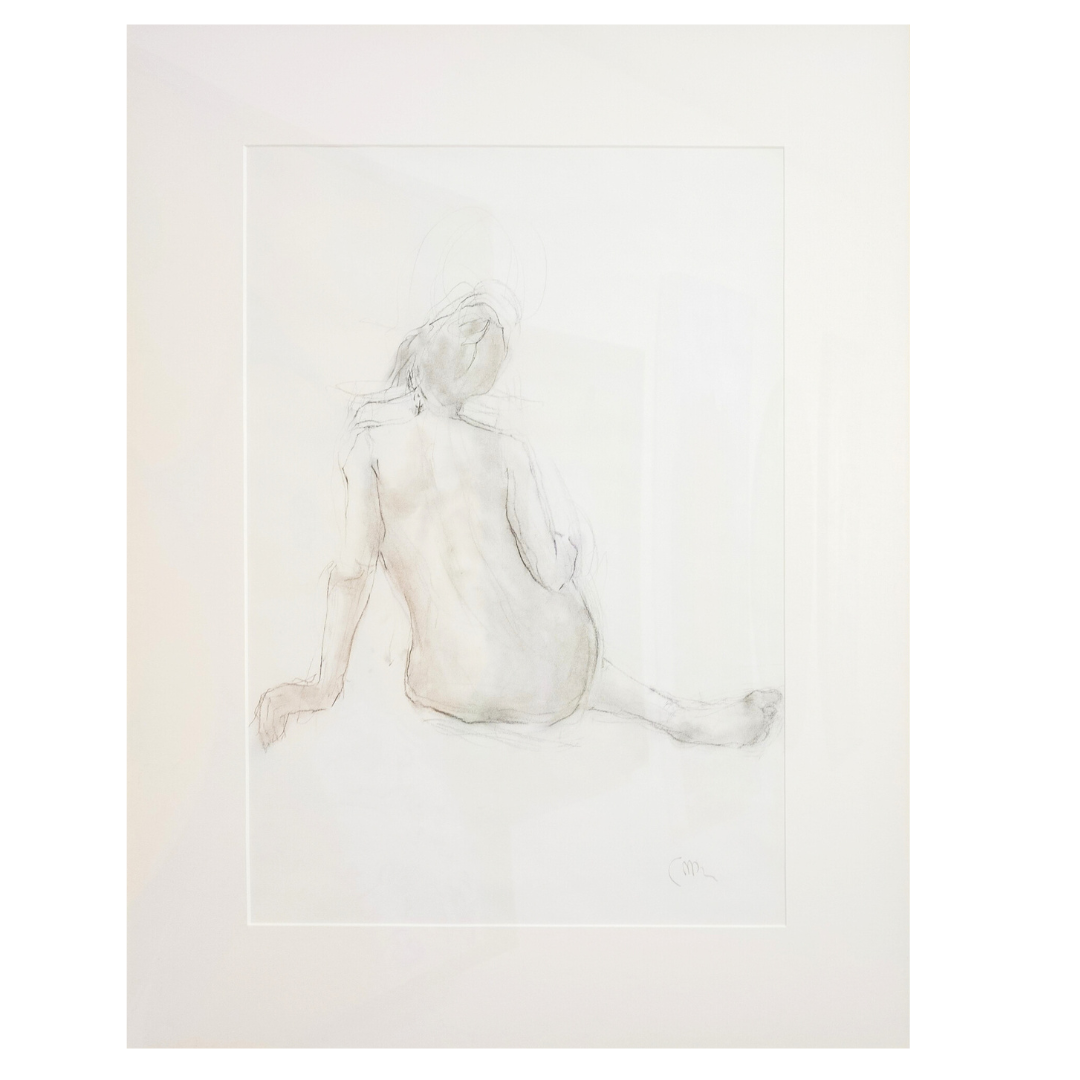
Craig Masten
Turned Away
Charcoal
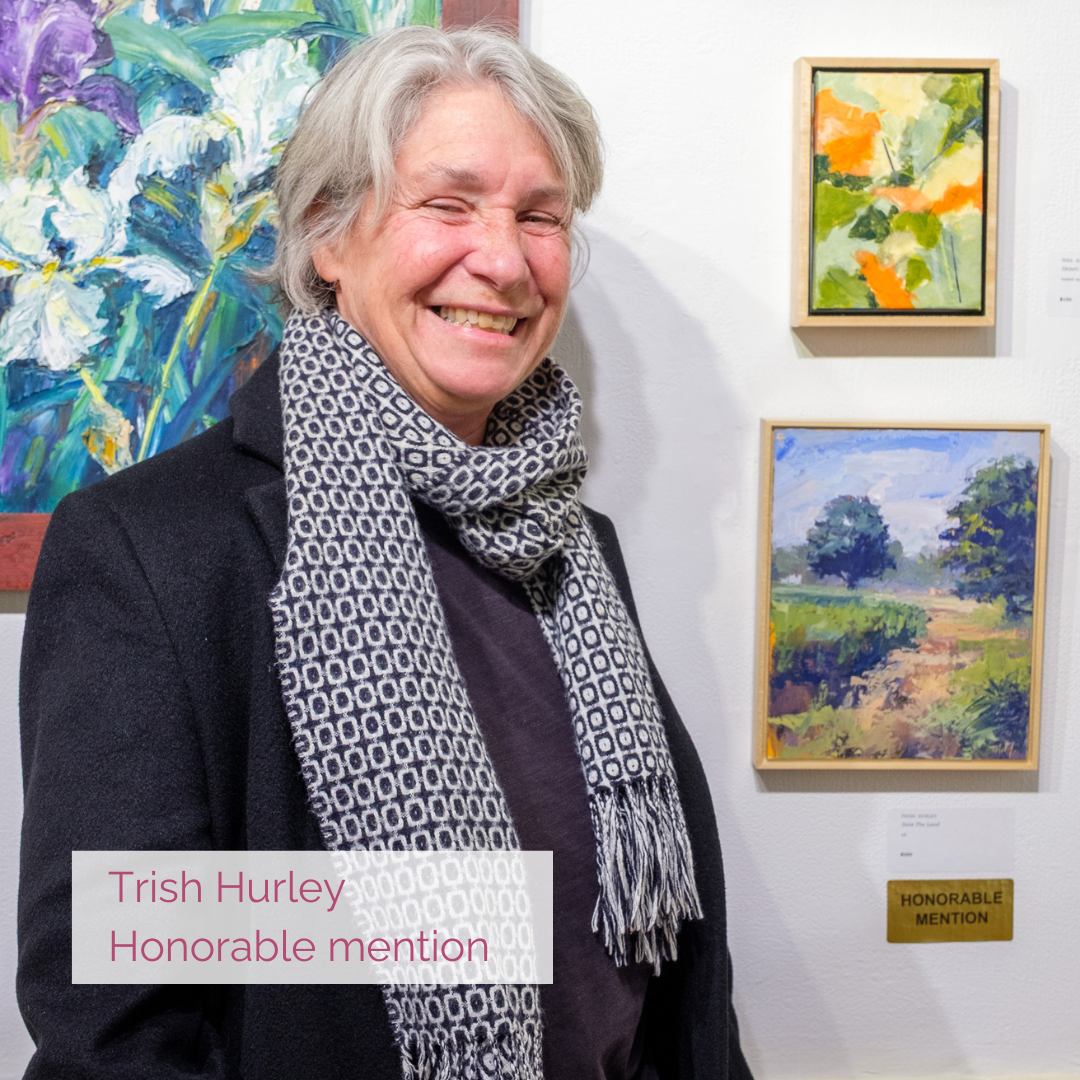
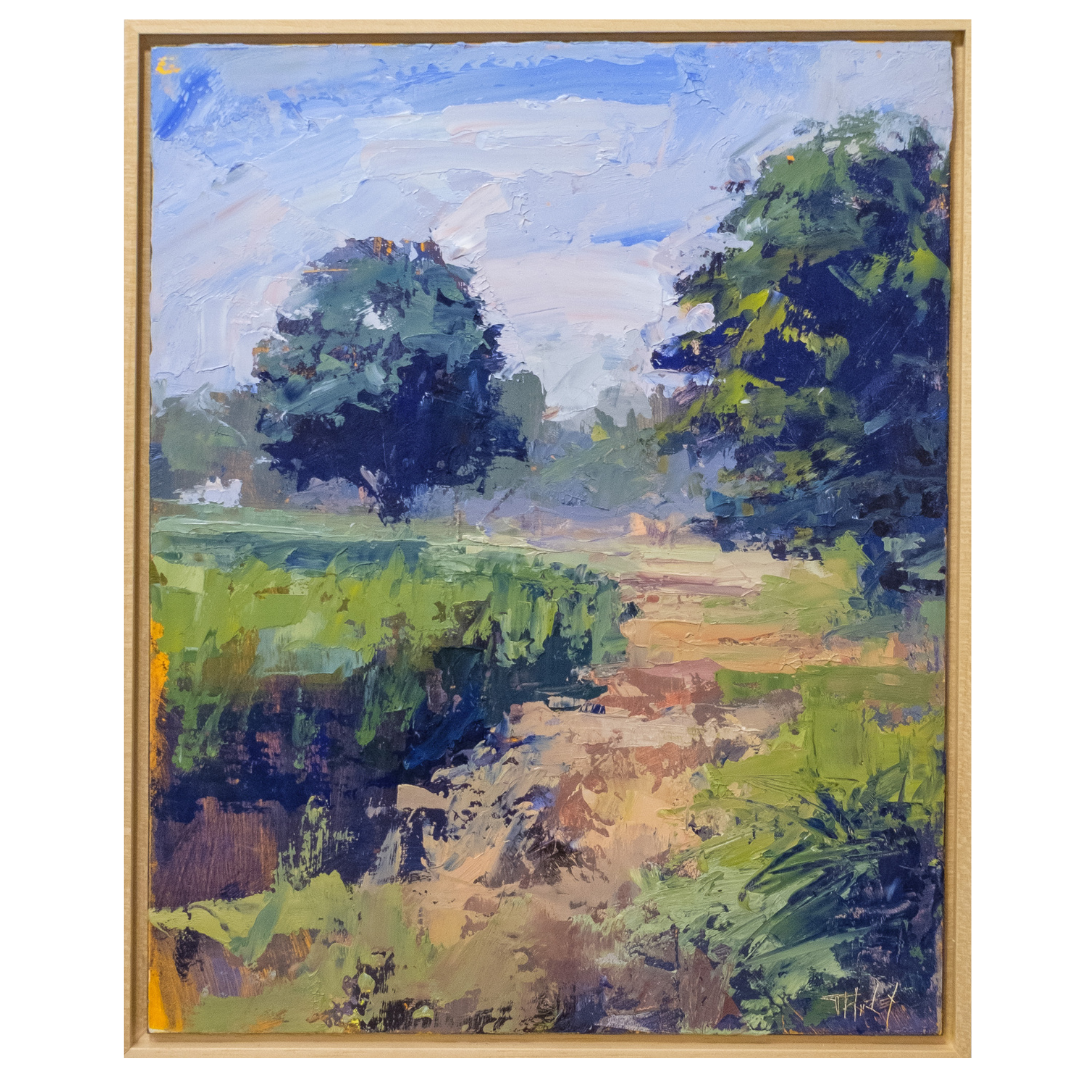
Trish Hurley
Save The Land
Oil
-
![Margit Burmeister 1st place winner]()
1st Place
Margit Burmeister
-
![Margit Burmeister Art 1st place winner]()
'New Day'
Acrylic, Mixed Media
-
![Beth Goulet 2nd place winner]()
2nd Place
Beth Goulet
-
![Beth Goulet art 2nd place winner]()
'Koi Pond'
Acrylic
-
![Alex Grahe 3rd place winner]()
3rd Place
Alex Grahe
-
![Alex Grahe art 3rd place winner]()
Sakonnet River Bridge
Linocut print
-
![Craig Masten Honorable Mention]()
Honorable Mention
Craig Masten
-
![Craig Masten art Honorable Mention]()
Turned Away
Charcoal
-
![Trish Hurley Honorable Mention]()
Honorable Mention
Trish Hurley
-
![Trish Hurley art Honorable Mention]()
Save The Land
Oil
-
![Kim Nieforth Honorable Mention]()
Honorable Mention
Kim Nieforth
-
![Kim Nieforth art Honorable Mention]()
Waiting
Gouache and Acrylics
All Media I Open Juried Exhibit
January 22 - February 17
Our All Media I Open Juried Exhibit is currently on view in the Helme house gallery. Featuring works selected by our juror Chris Long. Join us at the opening reception for an evening of art, conversation and celebration.
Opening Reception
Thursday, January 22, 6-8pm.
Awards Presentation at 7pm
congratulations to our award winners!
Selected by juror Chris Long, these outstanding works represent the strength and diversity of this year’s exhibition.
-
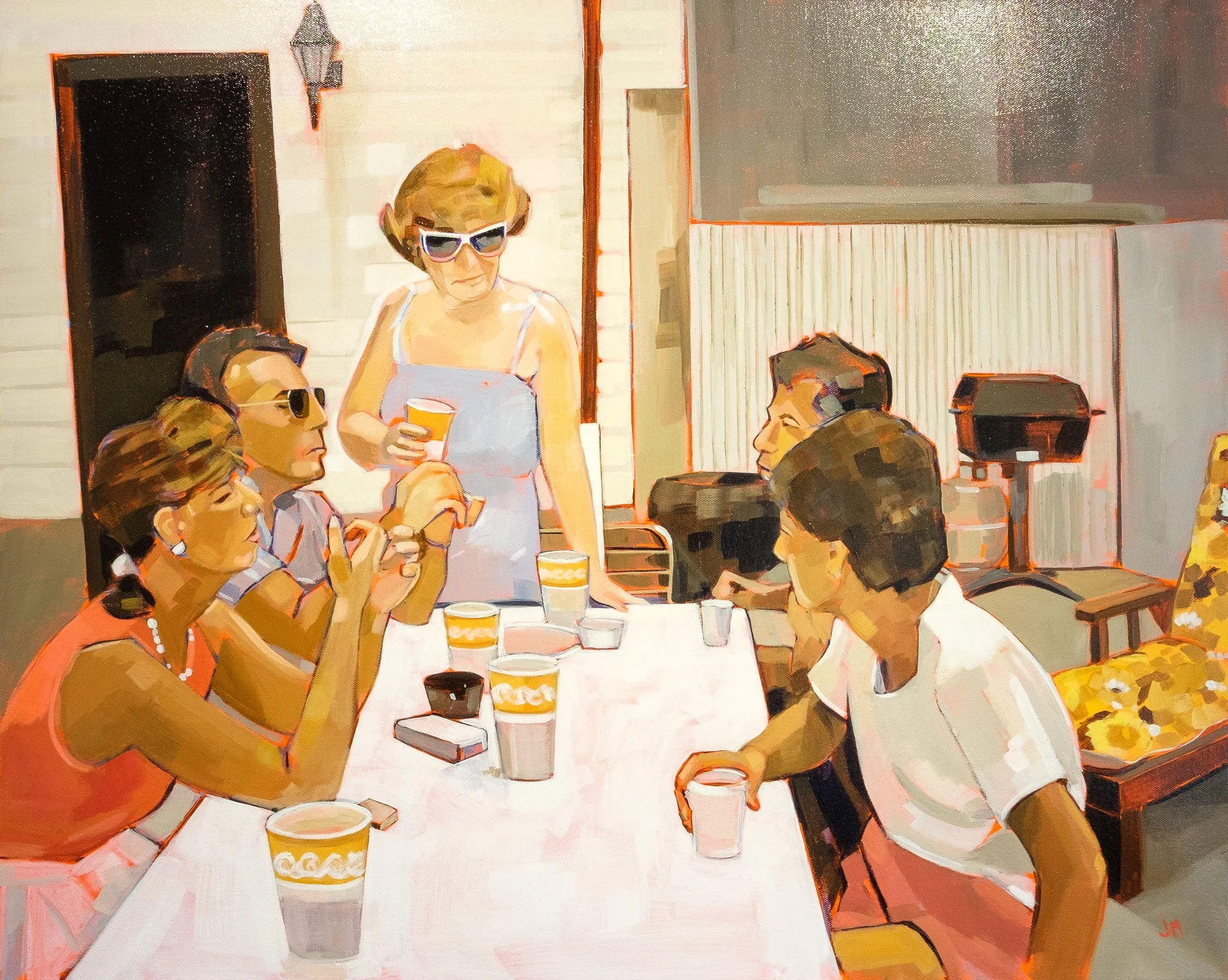
FIRST PLACE
1984
acrylic
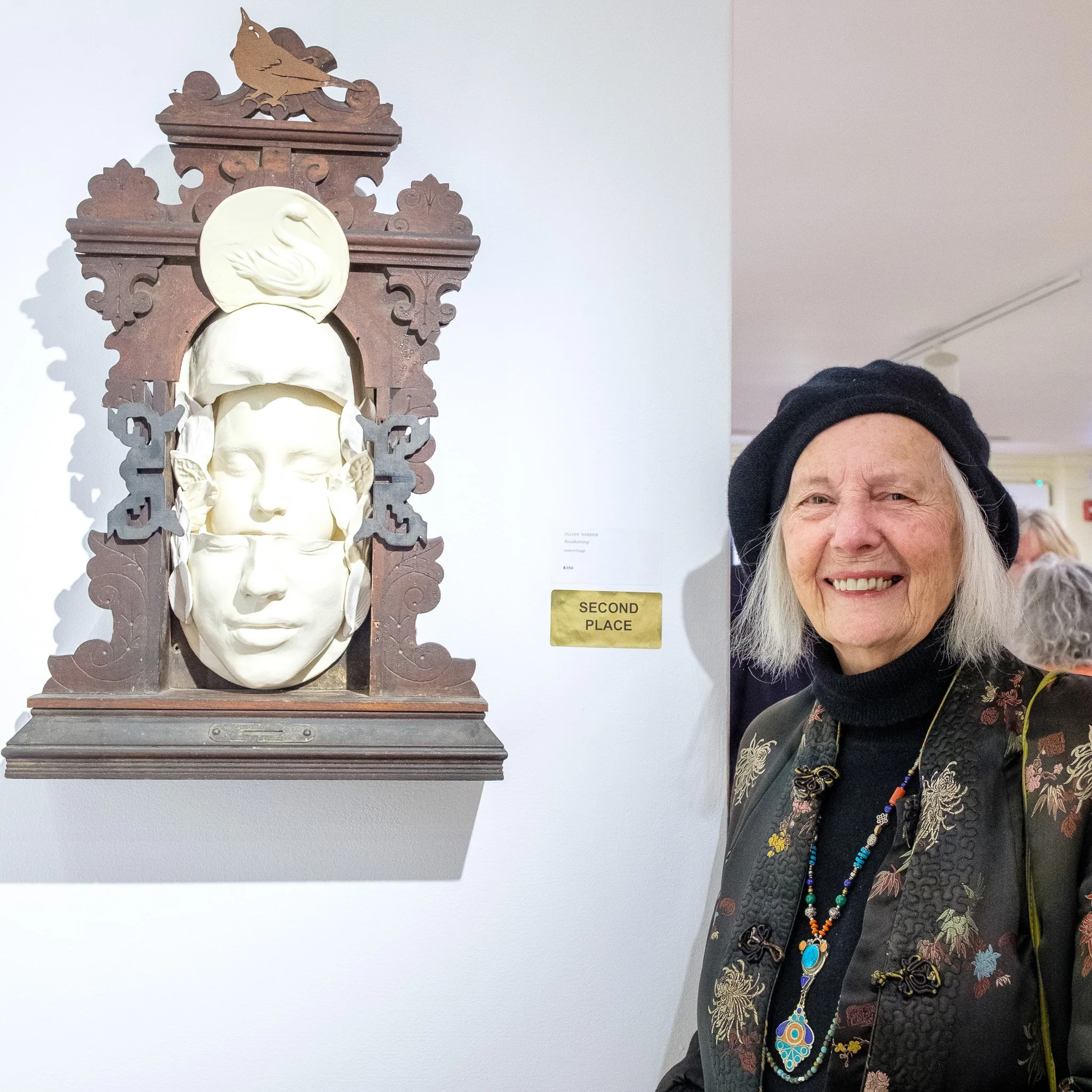
Jodi MancaSECOND PLACE
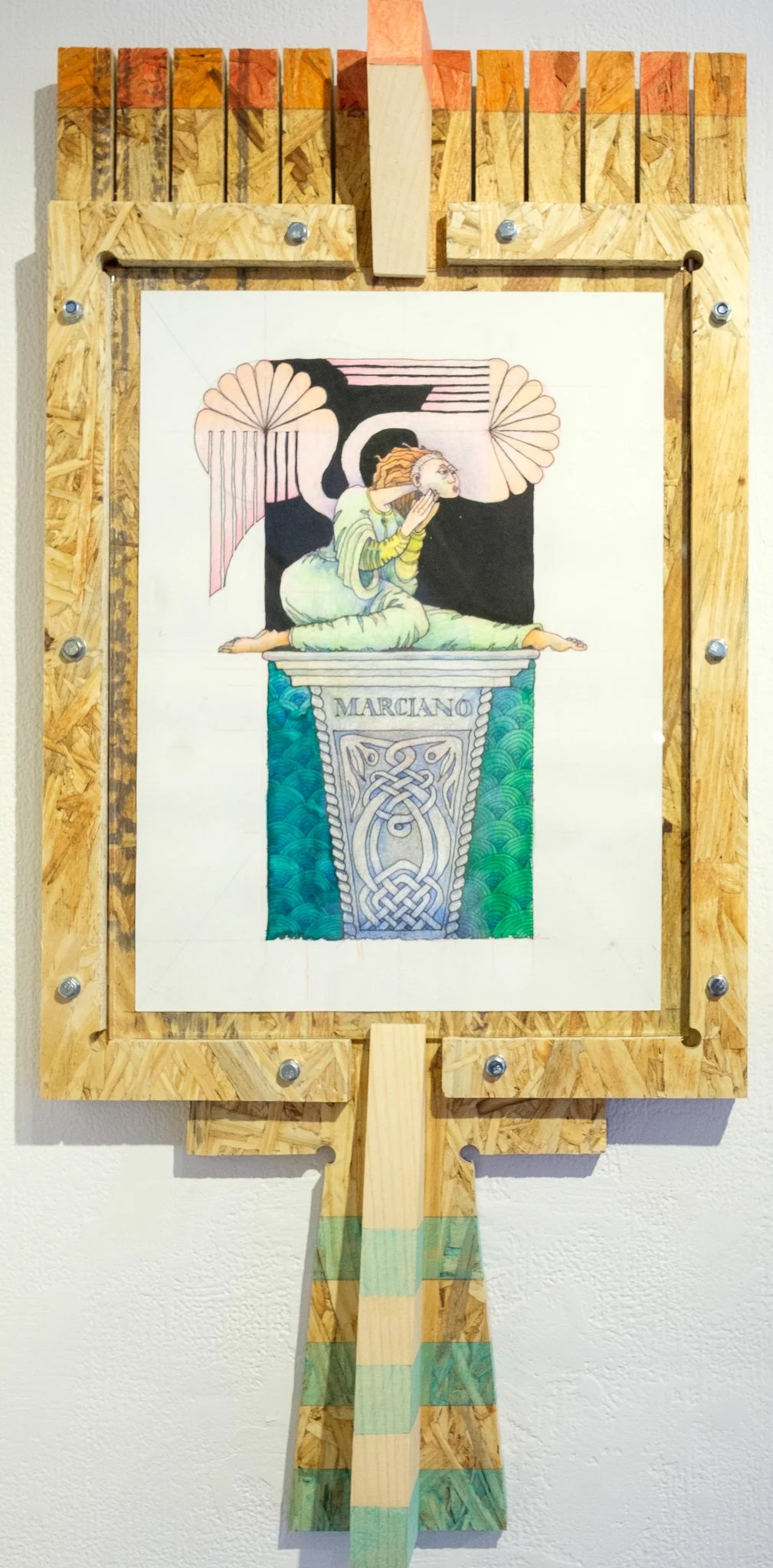
Awakening
assemblage
Jillian BarberTHIRD PLACE
Nature's Curtsy
photography
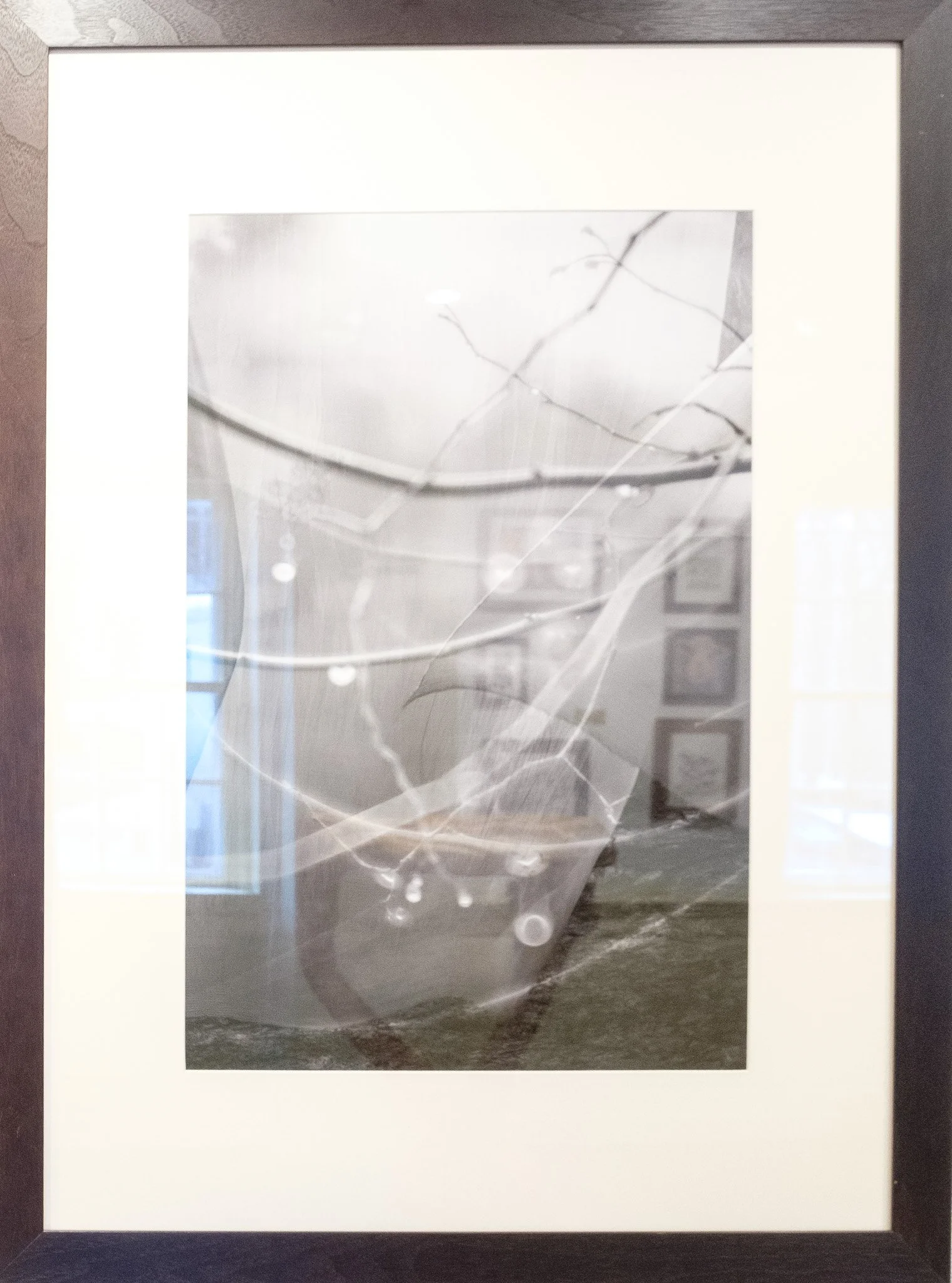
Karin Forde Whittemore -
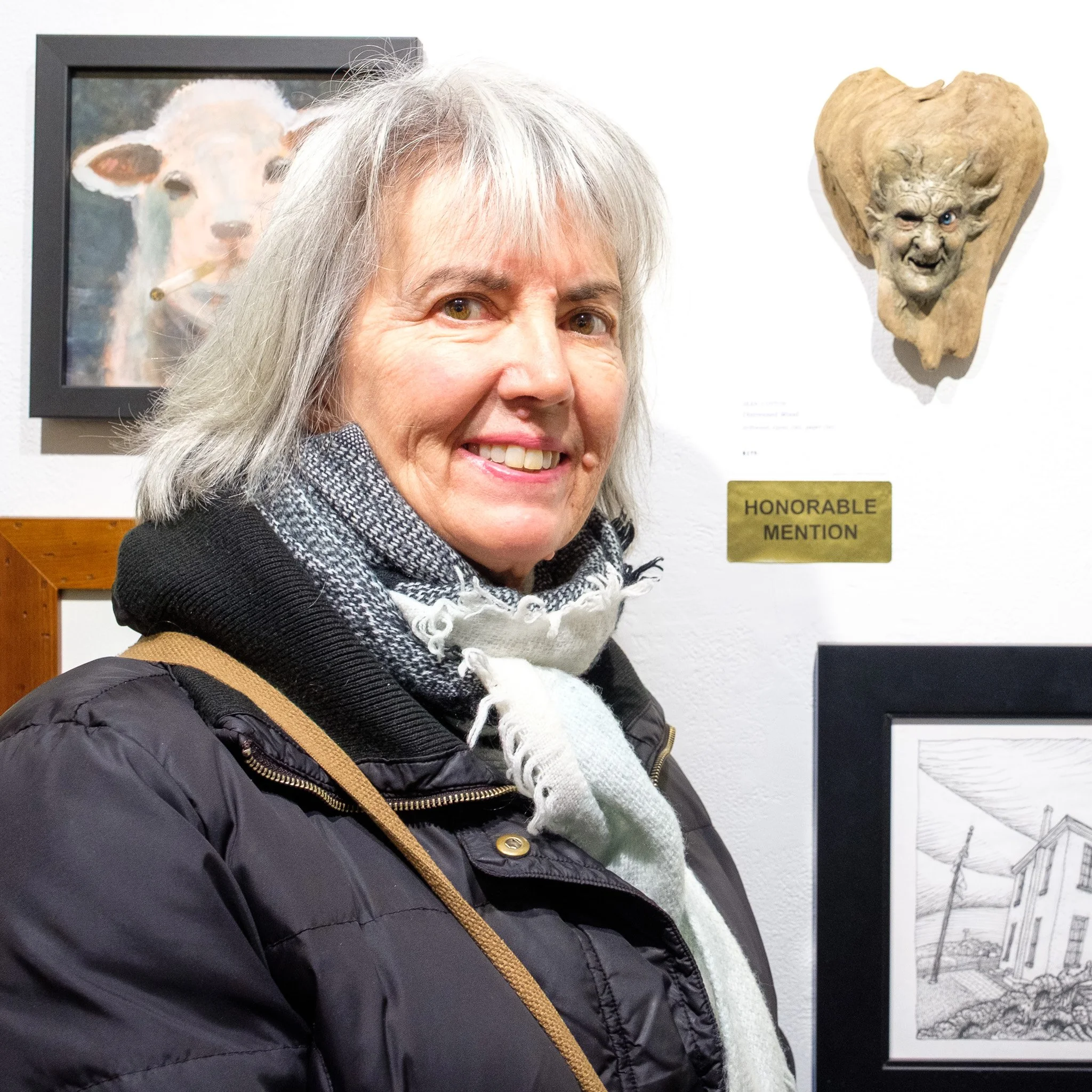
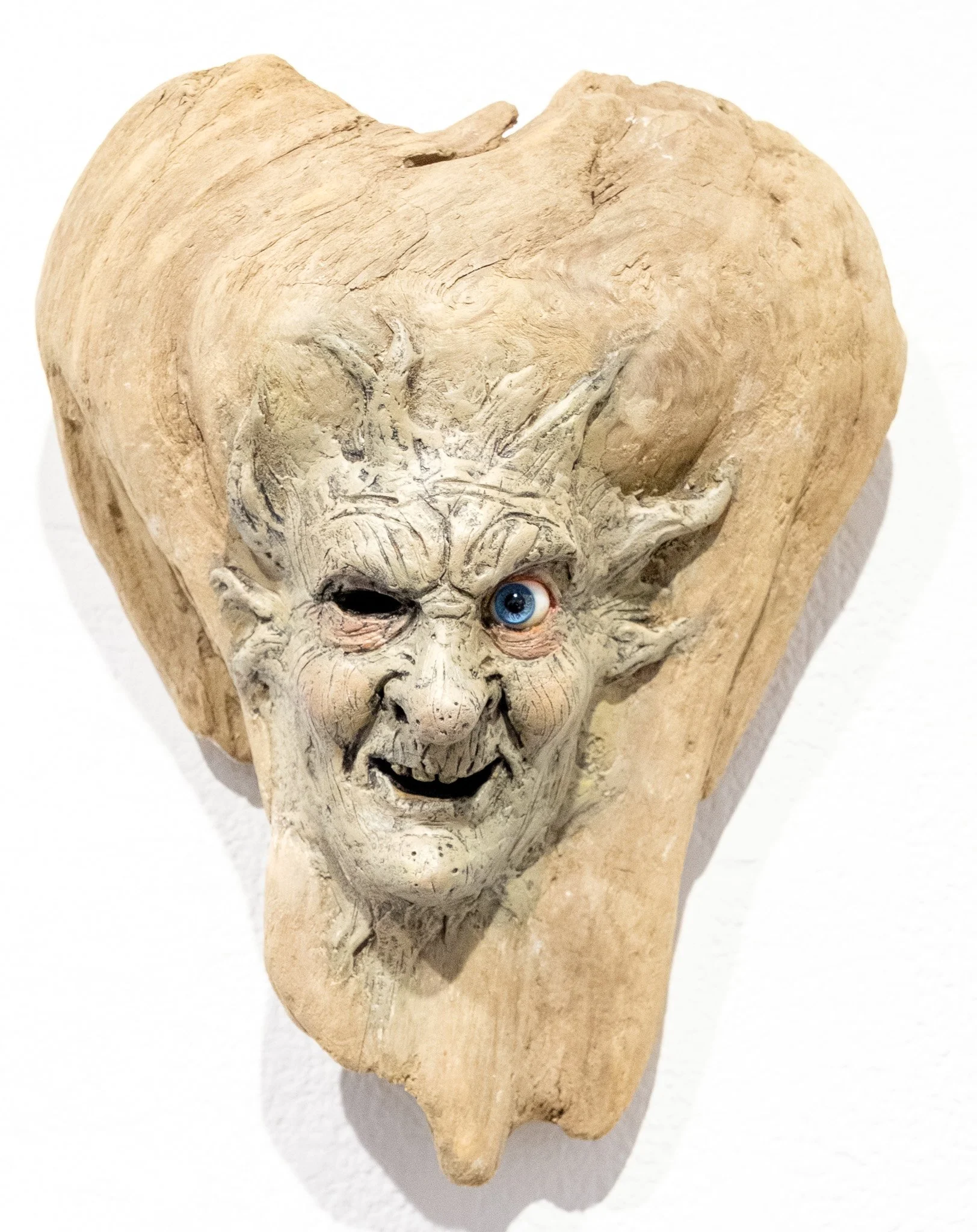
Distressed Wood,
driftwood, epoxy, clay,
paperclay
Jean CottonWilcox Park in Westerly
mixed media
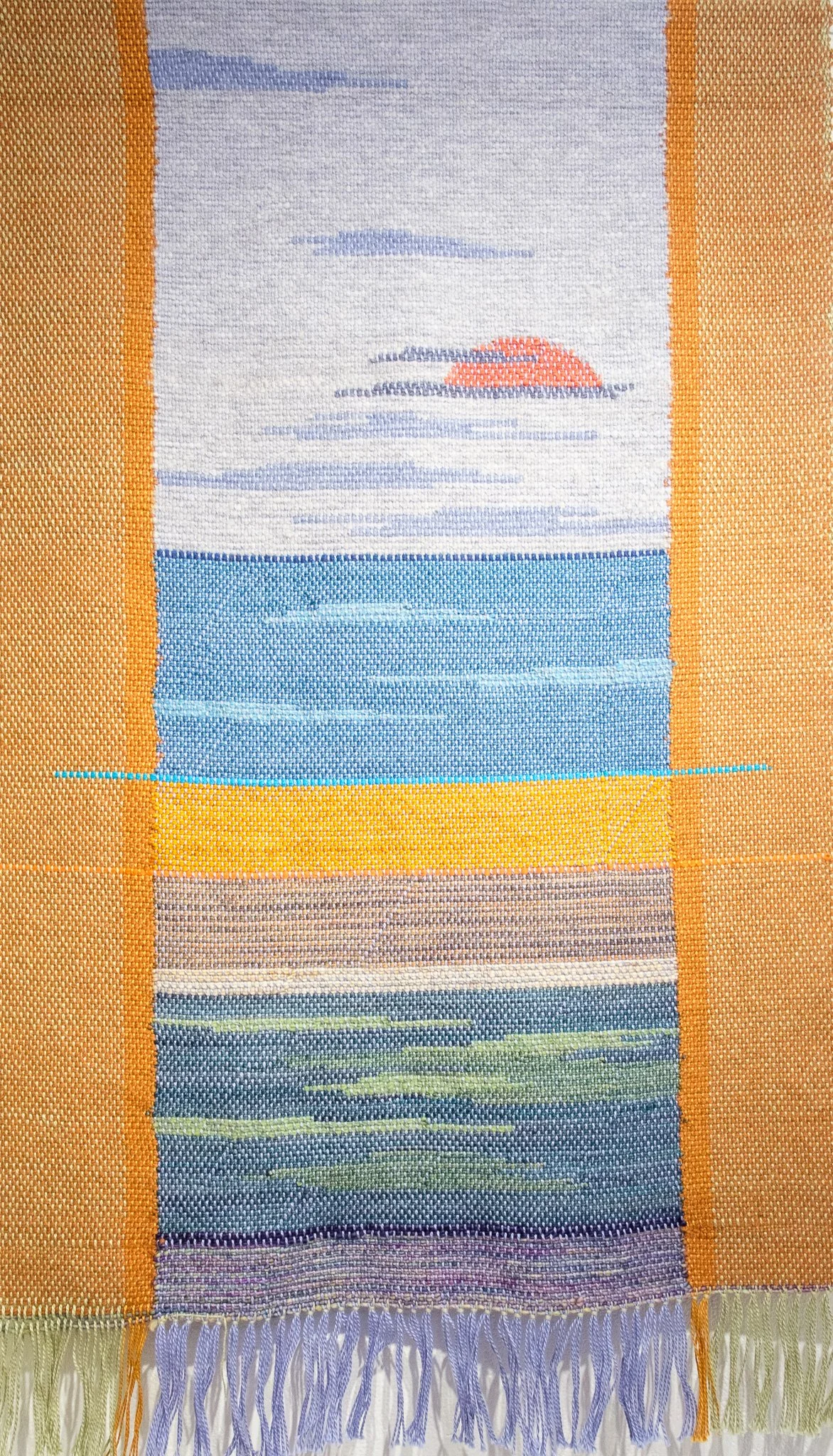
Brian DouganSundown Barn Island
weaving
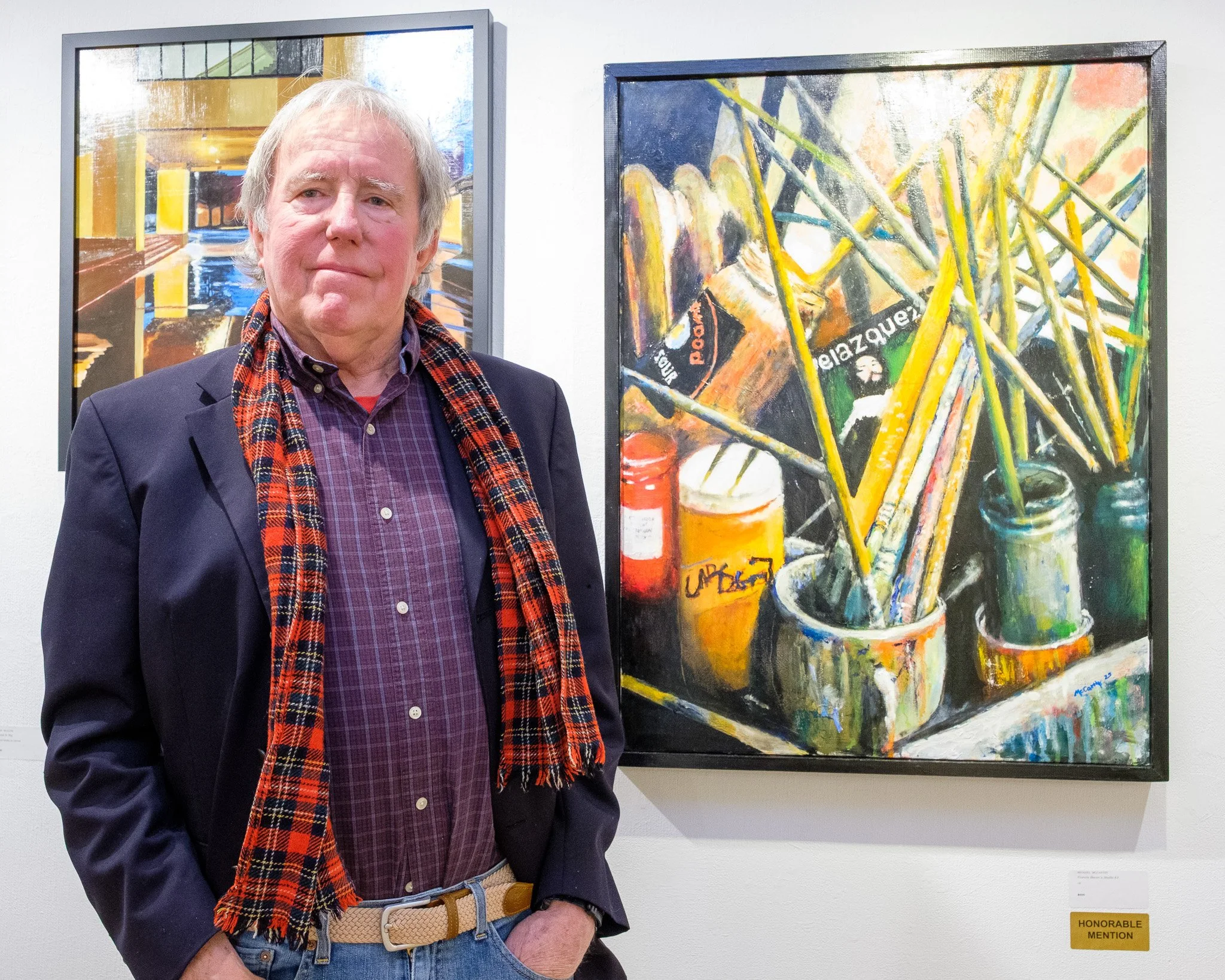
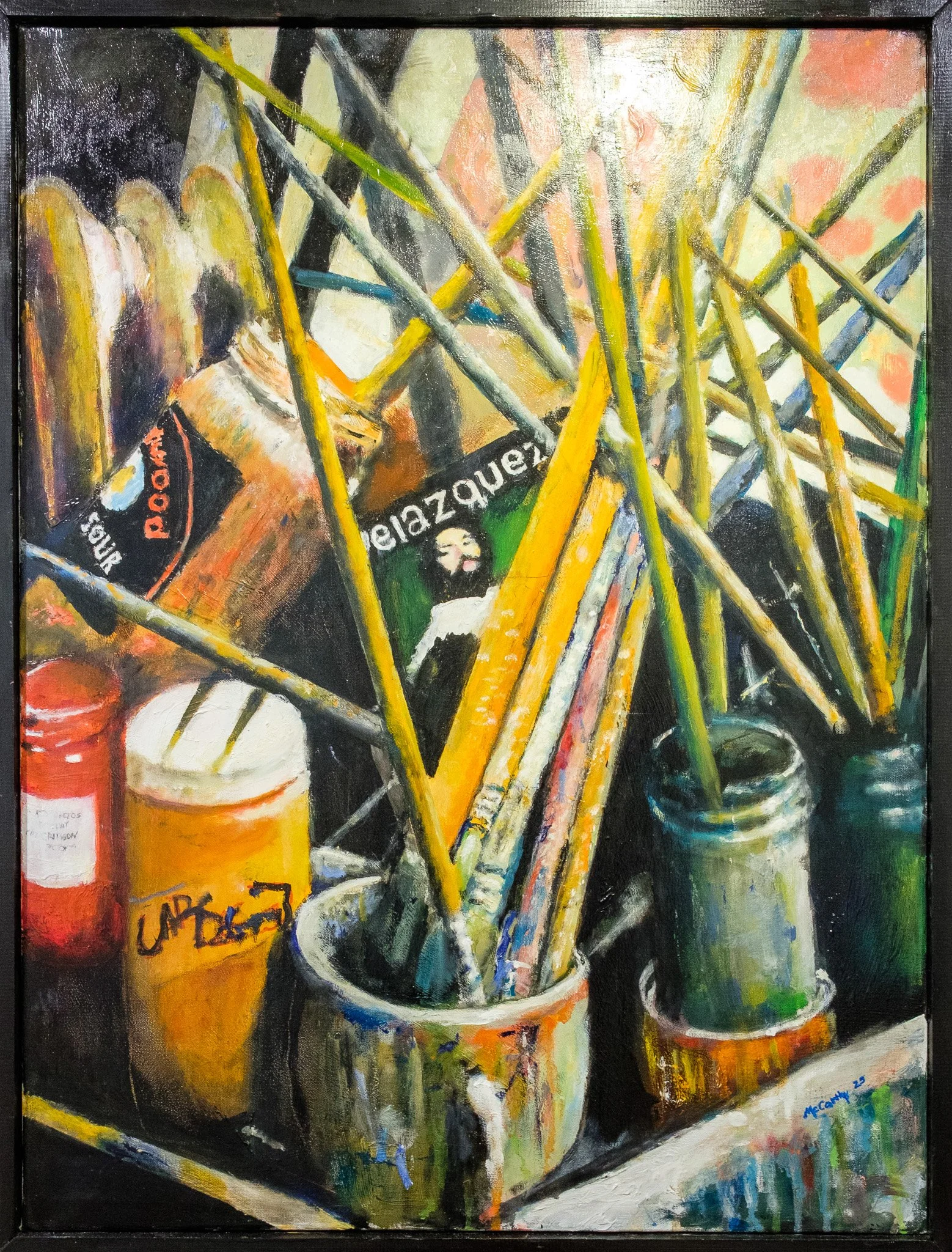
Judith LarzelereFrancis Bacon's Studio #3
oil
Michael McCarthyShow Off
oil
Marilyn Saabye
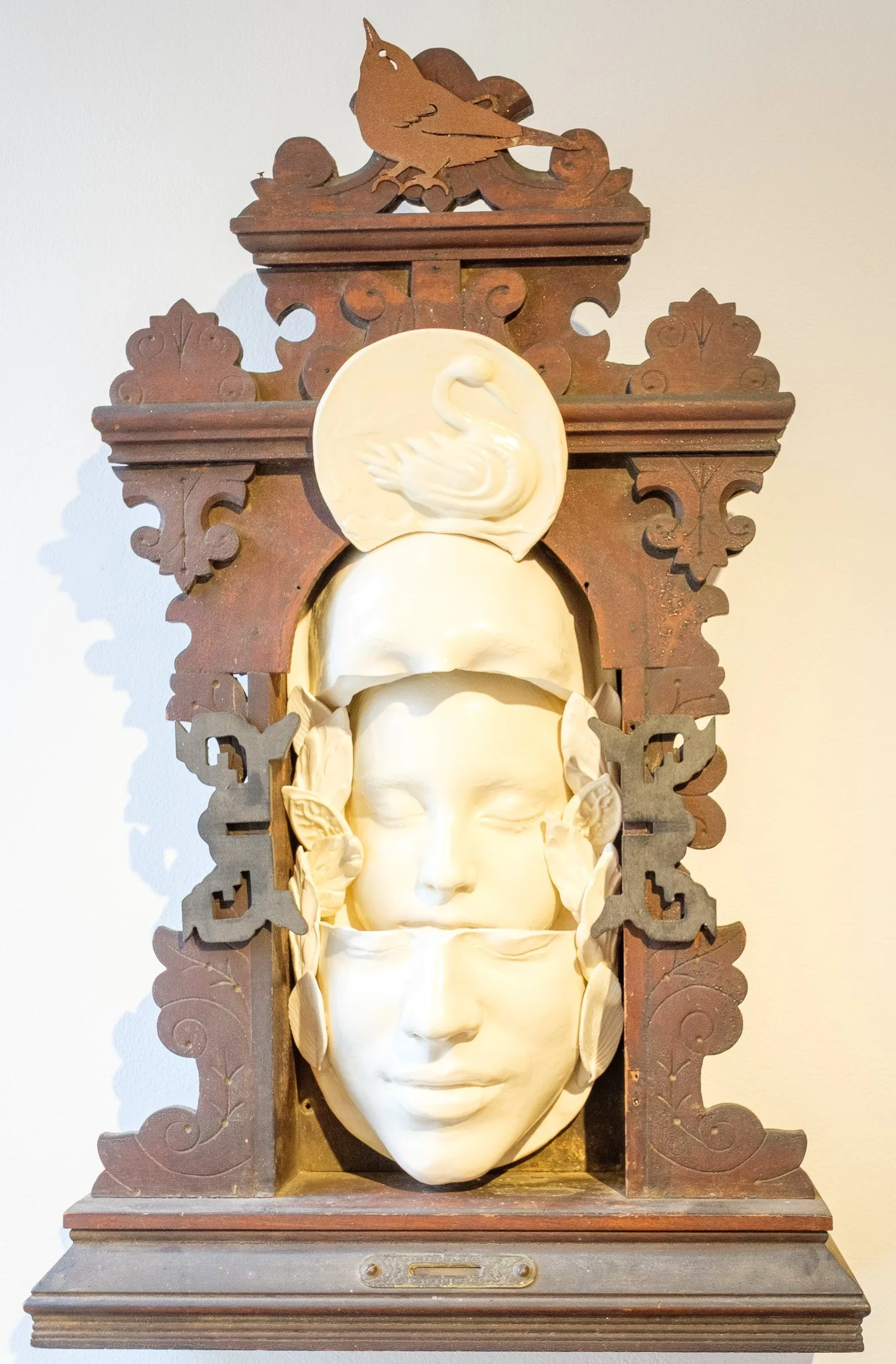
-
![]()
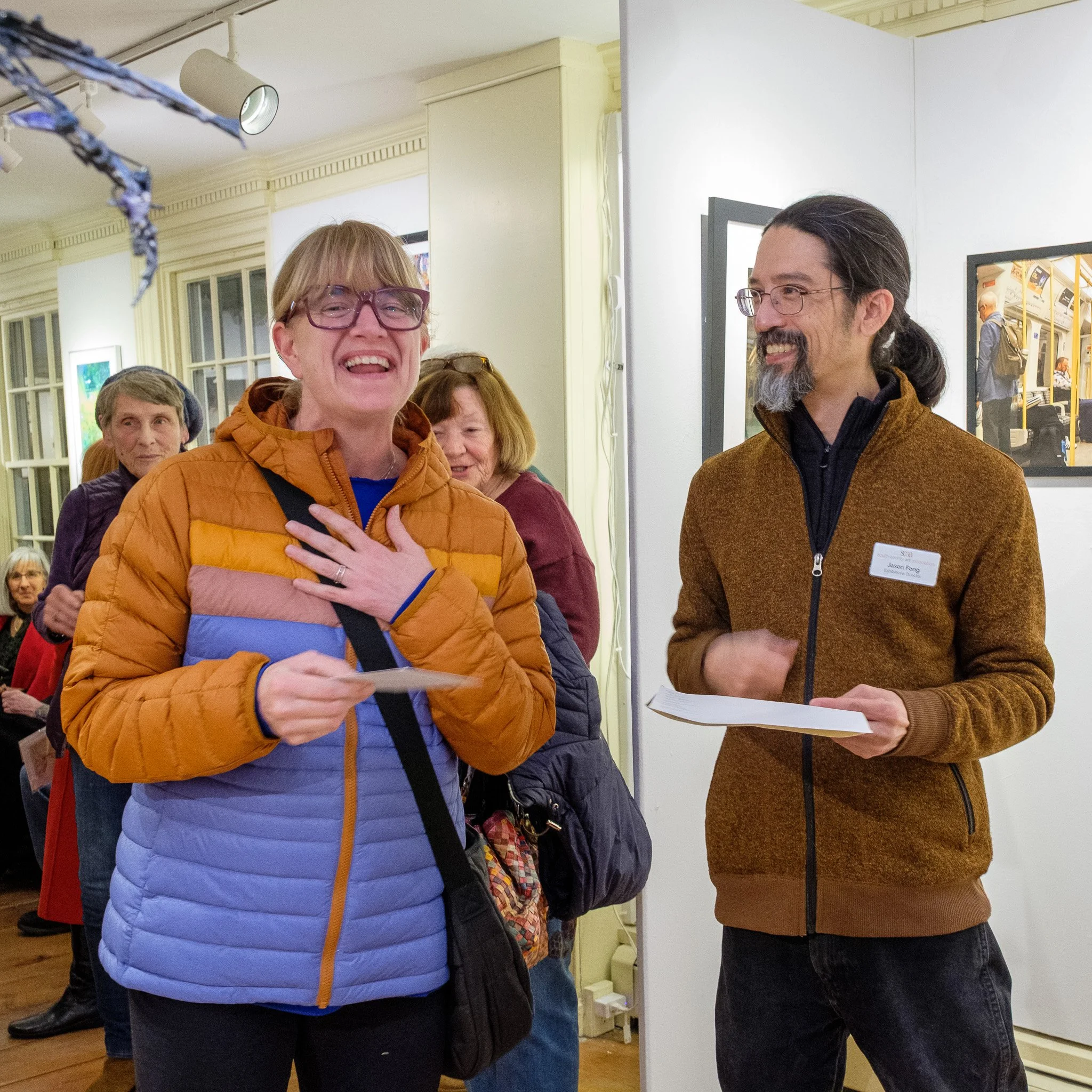
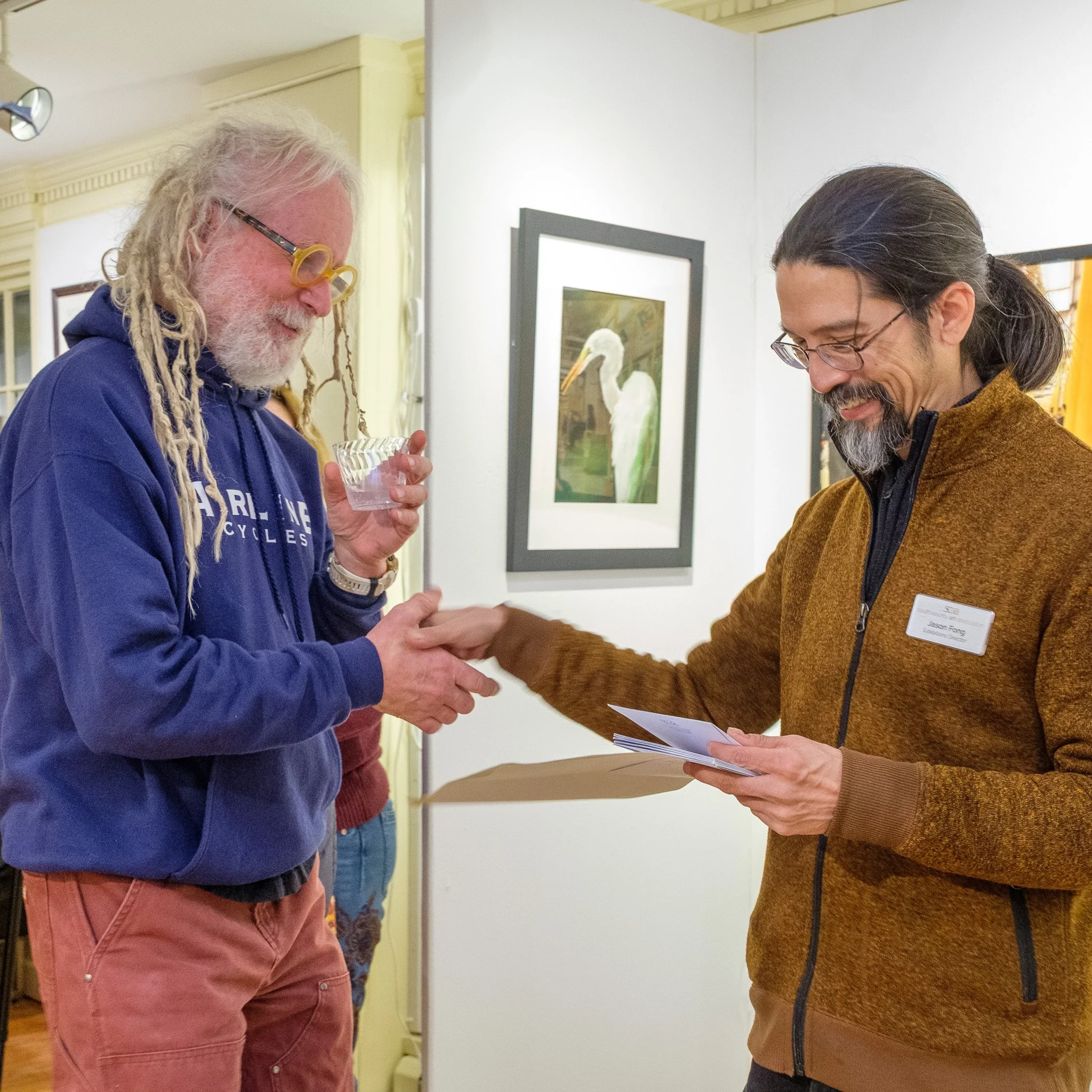
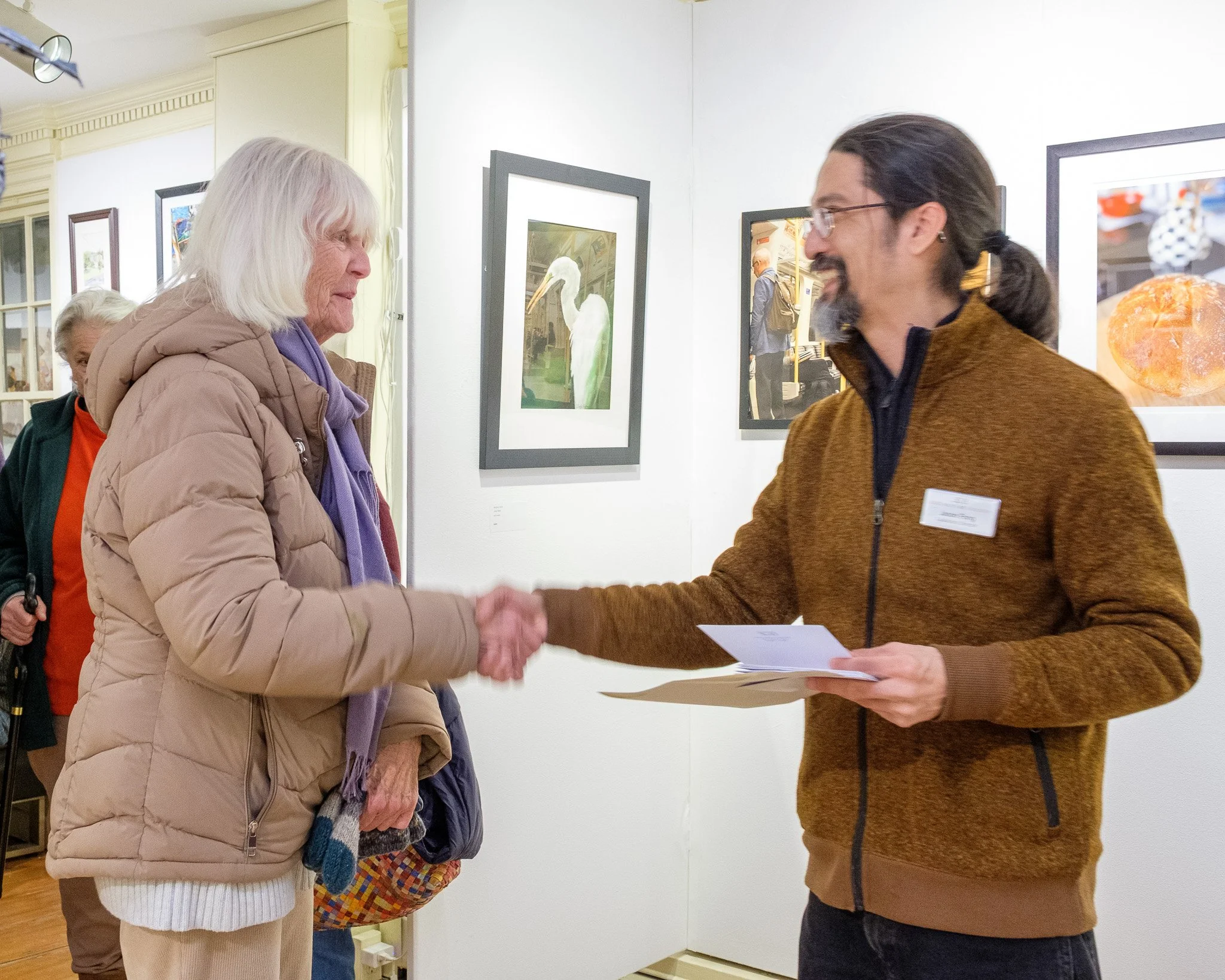
Jodi Manca and Jason Fong
-
![]()
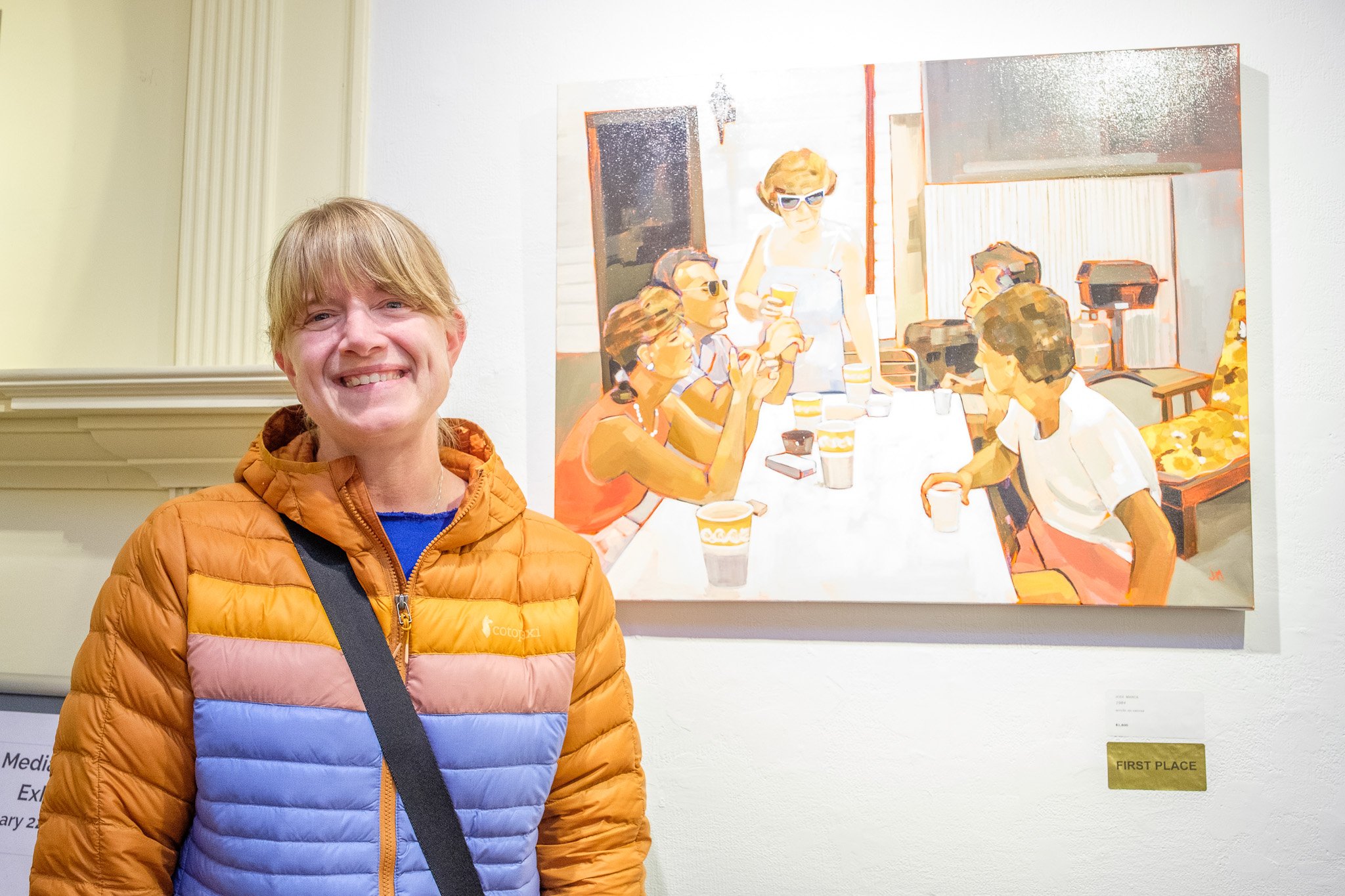
1st Place, 1084 acrylic by Jodi Manca
-
![]()
Jodi Manca
-
![]()
Jillian Barber
-
![]()
2nd Place, Awakening, assemblage by Jillian Barber
-
![]()
3rd Place, Nature's Curtsy, photography by Karin Forde Whittemore
-
![]()
Brian Dougan and Jason Fong
-
![]()
Honorable Mention, Wilcox Park in Westerly mixed media by Brian Dougan
-
![]()
Jean Cotton
-
![]()
Honorable Mention, Distressed Wood driftwood, epoxy, clay, paperclay by Jean Cotton
-
![]()
Sundown Barn Island weaving by Judith Larzelere
-
![]()
Michael McCarthy
-
![]()
Honorable Mention, Francis Bacon's Studio #3 oil by Michael McCarthy
-
![]()
Marilyn Saabye
-
![]()
Honorable Mention, Show Off oil by Marilyn Saabye
-
![]()
AM I Exhibit, Helme House gallery